
When considering bringing a Boxer into your life, you may wonder about their training challenges. Boxers are not the easiest breed to train due to their high energy levels and playful nature, but you can successfully train them. Their playful behavior often leads to distractions, making it important to use effective training methods tailored to their unique characteristics.
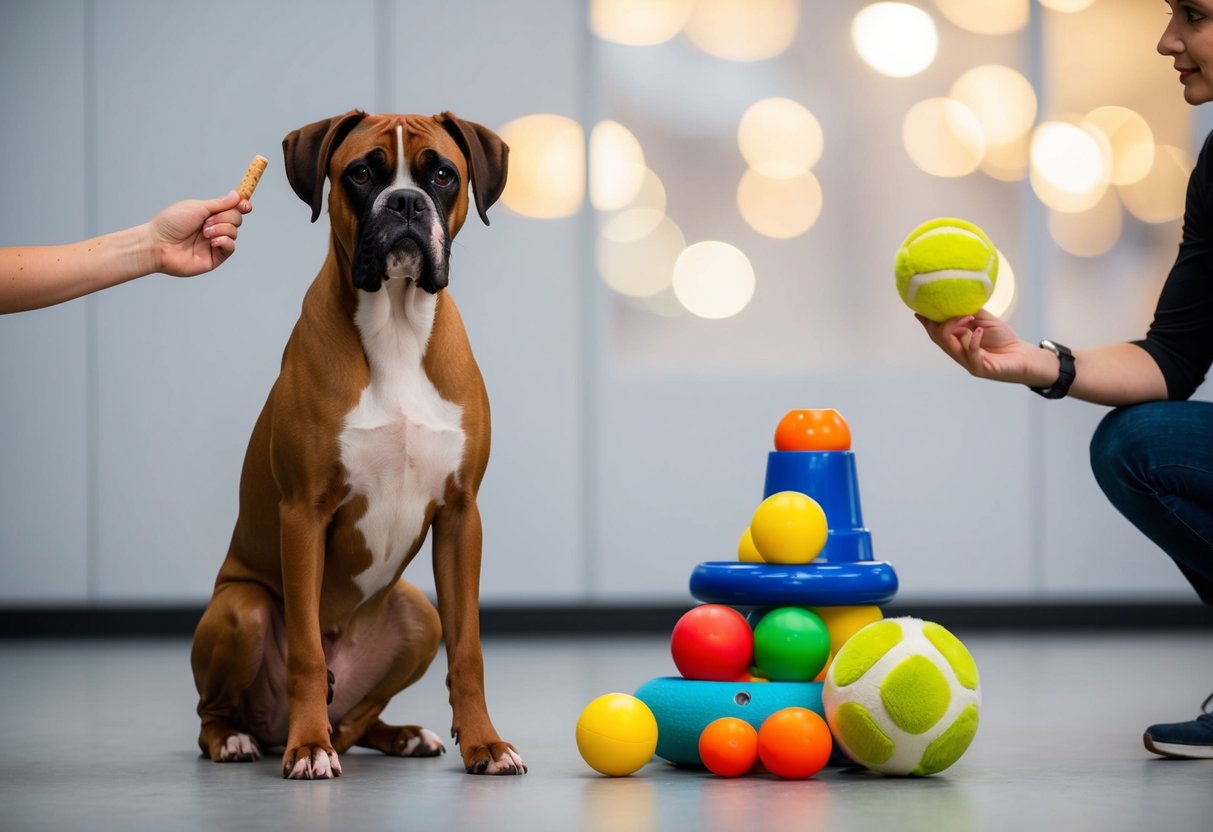
Understanding Boxer dog behavior can help you navigate their training. These dogs are intelligent and eager to please, which means that consistent guidance and positive reinforcement can make a significant difference.
Engaging training sessions that keep their attention are key to helping them learn commands and good manners.
As you embark on training your Boxer, remember that patience and regular practice are crucial. With dedication and the right techniques, you’ll find that your Boxer can become a well-behaved companion, adding joy to your daily life.
Understanding Boxer Temperament

Boxers are known for their vibrant personalities and distinct characteristics. Their energy levels, need for social interaction, and occasional stubbornness can greatly influence how you train them. By understanding these traits, you can create a positive training experience.
High Energy and Intelligence
Boxers are energetic dogs that require regular exercise and mental stimulation. Their high energy levels mean they love to play, run, and engage in activities. Without enough physical and mental challenges, they may become bored and may act out.
To help manage their energy, you should consider daily walks, playtime, and training sessions.
Interactive toys can also provide mental stimulation. Boxers enjoy learning new tricks, so incorporating training into playtime can be rewarding for both you and your pet.
Need for Socialization
Early socialization is vital for Boxers. These dogs are naturally friendly but can be overly enthusiastic around new people or pets.
Taking the time to expose your Boxer to different environments, sounds, and experiences will help them develop better social skills.
This exposure will make them more adaptable and confident in various situations. Puppy classes can also aid in socialization, allowing your Boxer to interact with other dogs. The more experiences your dog has, the better adjusted and well-rounded they will become.
Stubbornness and Sensitivity
Boxers can be stubborn at times, which may challenge your patience during training. They might resist commands if they feel it’s not worth their time. However, they are also sensitive dogs that respond well to positive reinforcement.
Using treats, praise, and play can motivate them to learn. Avoid harsh corrections, as these can harm your bond. Understanding your Boxer’s personality will help you stay calm and focused while teaching them good behavior.
Basic Training Principles for Boxers

Training boxers requires a mix of techniques and consistency. You need to focus on positive reinforcement, stick to a training schedule, and establish essential commands for obedience. This approach helps to create a strong bond between you and your boxer while ensuring effective training.
Positive Reinforcement Techniques
Positive reinforcement is key when training boxers. This method encourages your boxer to learn by rewarding good behavior.
Use tasty treats, praise, or playtime as incentives whenever your boxer successfully follows a command.
For example, if your boxer sits on command, immediately reward them. This helps your companion associate the command with something positive.
Make sure to choose high-value treats that your boxer loves, which will motivate them to perform better during training sessions.
Establishing a Training Schedule
Having a regular training schedule is essential. Set aside specific days and times each week for training sessions.
Consistency helps your boxer understand what to expect and builds a routine.
Aim for shorter training sessions of about 10 to 15 minutes. This keeps your boxer focused and prevents boredom. Regular practice will also help reinforce what they learn.
You can mix different skills in each session to keep things fresh and engaging.
Essential Commands and Obedience
Teaching basic obedience commands creates a solid foundation for training. Commands like “sit,” “stay,” “come,” and “heel” are vital for keeping your boxer safe and well-behaved.
Start with one command at a time. Repeat the command clearly, then guide your boxer into position if needed. Once they obey, reward them right away.
Practicing these commands in various environments is important too, so your boxer learns to focus, despite distractions. Consistent reinforcement will lead to better obedience and a stronger connection between you and your boxer.
Addressing Common Boxer Challenges

Boxers have unique traits, but they also present specific training challenges. Understanding these can help you create a better training plan tailored to your Boxer.
Leash Training and Manners
Leash training is essential for Boxers, as their energy can make walks a handful.
Start by using a solid leash and a comfortable collar or harness. Teach your dog basic leash manners, like not pulling or lunging.
Begin training in a quiet area with minimal distractions. Use short and positive sessions to teach commands like “heel” or “let’s go.”
Reward your Boxer with treats or praise for good behavior. Gradually increase difficulty by adding distractions, such as other dogs or people. Consistency in training and patience will lead to better leash manners over time.
Dealing with Distractions
Boxers are playful and curious, making them prone to distractions. To keep your Boxer focused, start training in a calm environment.
Gradually introduce distractions, like toys or sounds, during training sessions.
Use high-value treats to grab your dog’s attention. When they stay focused, reward them immediately.
Practice commands like “leave it” to help them ignore distractions. Consistent practice in different settings is crucial. Make training engaging by incorporating playtime to reinforce good behavior.
Preventing Separation Anxiety
Boxers are known for their strong bond with their owners. This closeness can sometimes lead to separation anxiety.
To help prevent this, start by crate training your Boxer. Introduce the crate gradually, making it a safe and comfortable space for them.
Leave your Boxer alone for short periods at first, gradually increasing the time apart. Reward them for calm behavior before and after you leave.
Providing puzzle toys can also help keep their mind engaged. Keeping a consistent routine for feeding and walks will create stability for your dog.
Managing Health-Related Issues
Boxers can be prone to certain health issues, such as hip dysplasia.
Regular vet check-ups ensure any health problems are identified early.
Maintaining a healthy weight is important for their overall well-being and mobility.
Incorporate daily exercise to keep your Boxer active and healthy. Activities like fetch, running, or long walks are great for their energy levels.
If your Boxer shows signs of discomfort, like limping or reluctance to move, consult your vet. Addressing these issues early helps prevent bigger challenges down the road.
Advanced Training and Activities
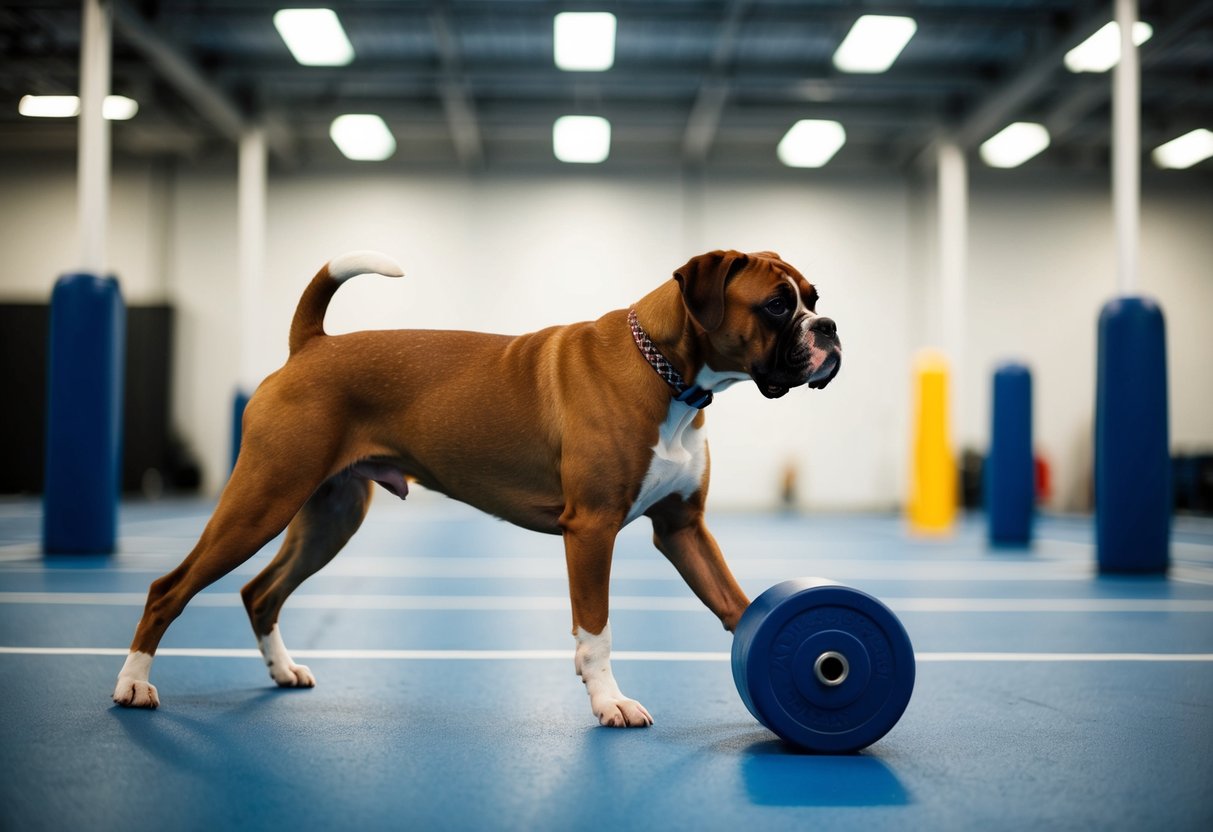
To effectively train boxers, advanced activities play a crucial role. These activities not only boost physical fitness but also enhance mental sharpness and engagement. Below are key aspects that make training more effective and enjoyable.
Agility Training for Physical Exercise
Agility training is vital for helping boxers improve their speed and coordination.
You can use various tools like agility ladders, cones, and hurdles to create exercises that challenge their movement skills.
For example, set up a series of cones and encourage your boxer to weave in and out as quickly as possible. This not only builds physical strength but also increases their ability to dodge and move during a match.
Regular agility drills can significantly enhance their overall performance. Incorporating these exercises multiple times a week will meet their exercise needs and keep them engaged.
Mental Enrichment Through Training
Mental stimulation is just as important as physical practice.
Engaging your boxer in different types of training activities helps develop their problem-solving skills and focus.
Incorporate clicker training techniques, which help reinforce positive behaviors through rewards.
You can set up scenarios where your boxer must respond to commands and perform specific actions under pressure. This training not only builds discipline but also keeps your boxer mentally sharp.
Utilizing a mix of training formats ensures your boxer stays alert and eager to learn. Change routines frequently to introduce new challenges that stimulate their mind.
Interactive Games
Interactive games are excellent for blending fun with training. You can take your boxer to a dog park and set up obstacle courses or play fetch.
These activities provide a playful environment while also enhancing their athletic skills.
You can also include hide-and-seek, where your boxer must find you or a toy.
These games strengthen the bond between you and your boxer, making training enjoyable. Mixing in playtime gives your boxer something to look forward to, ensuring they remain motivated and excited about their training.


