
Boxer dogs are known for their playful and energetic nature. While their enthusiasm can be charming, it often leads to chewing behaviors, including tearing up your furniture. Boxers may chew on furniture due to boredom, anxiety, or simply as a natural way to explore their environment.
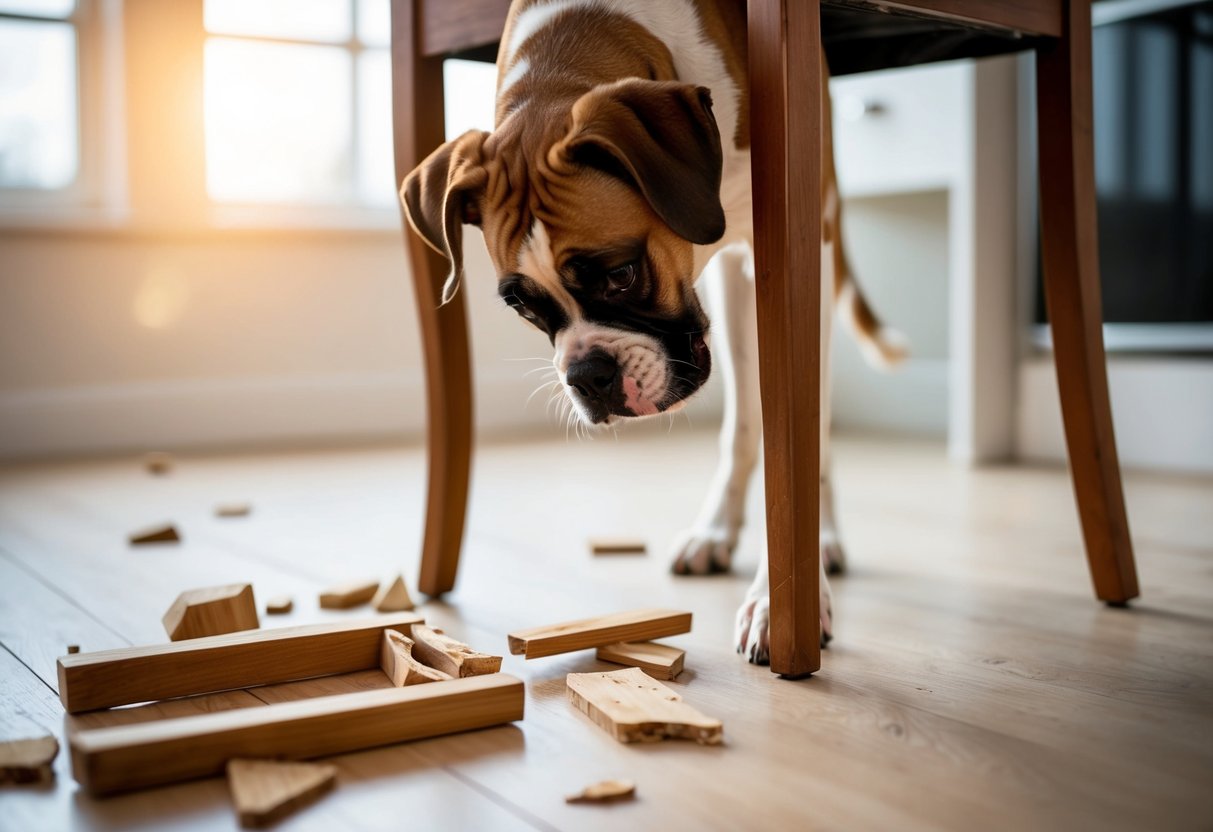
If you’ve noticed your Boxer gnawing on your couch or baseboards, you’re not alone. Many Boxer owners face this challenge.
Understanding why Boxers exhibit this behavior can help you find effective solutions to protect your belongings and keep your dog happy.
Throughout this article, you will learn practical tips to discourage your Boxer from chewing furniture, ensuring both your sanity and your dog’s well-being. With a little effort and the right tools, you can guide your pet toward better chewing habits.
Understanding Boxer Dogs’ Chewing Behavior

Boxer dogs are known for their playful and energetic nature. Understanding why they chew can help you manage and minimize any destructive chewing.
Let’s explore the reasons behind this behavior and how to distinguish between playful chewing and destructive chewing.
Reasons for Chewing in Boxer Dogs
Chewing is a natural behavior for all dogs, including Boxers. Here are some common reasons why your Boxer might chew:
- Boredom: If your dog isn’t getting enough physical and mental stimulation, they may chew on furniture out of boredom.
- Teething: Puppies experience discomfort during teething. Chewing provides them relief from the pain.
- Anxiety: Boxers can become anxious in new situations or if left alone. Chewing can be a coping mechanism for stress.
- Exploration: Dogs often chew to explore their environment, especially when they are curious.
Understanding these reasons can help you provide alternative activities to reduce unwanted chewing behaviors.
Distinguishing Playful Chewing from Destructive Chewing
It’s important to tell the difference between playful chewing and destructive chewing. Playful chewing usually involves:
- Toys and Chews: Your Boxer prefers their toys, which are designed for chewing.
- Interactive Behavior: They might engage with you during play, showing excitement.
Destructive chewing, on the other hand, can lead to:
- Furniture Damage: Chewing on items like chairs or tables.
- Injury Risk: Your dog could hurt themselves on objects not meant for chewing.
Monitoring your Boxer’s chewing behavior can help you redirect them to appropriate items. Providing sturdy chew toys can keep them entertained while minimizing damage to your belongings.
Effective Training to Mitigate Chewing
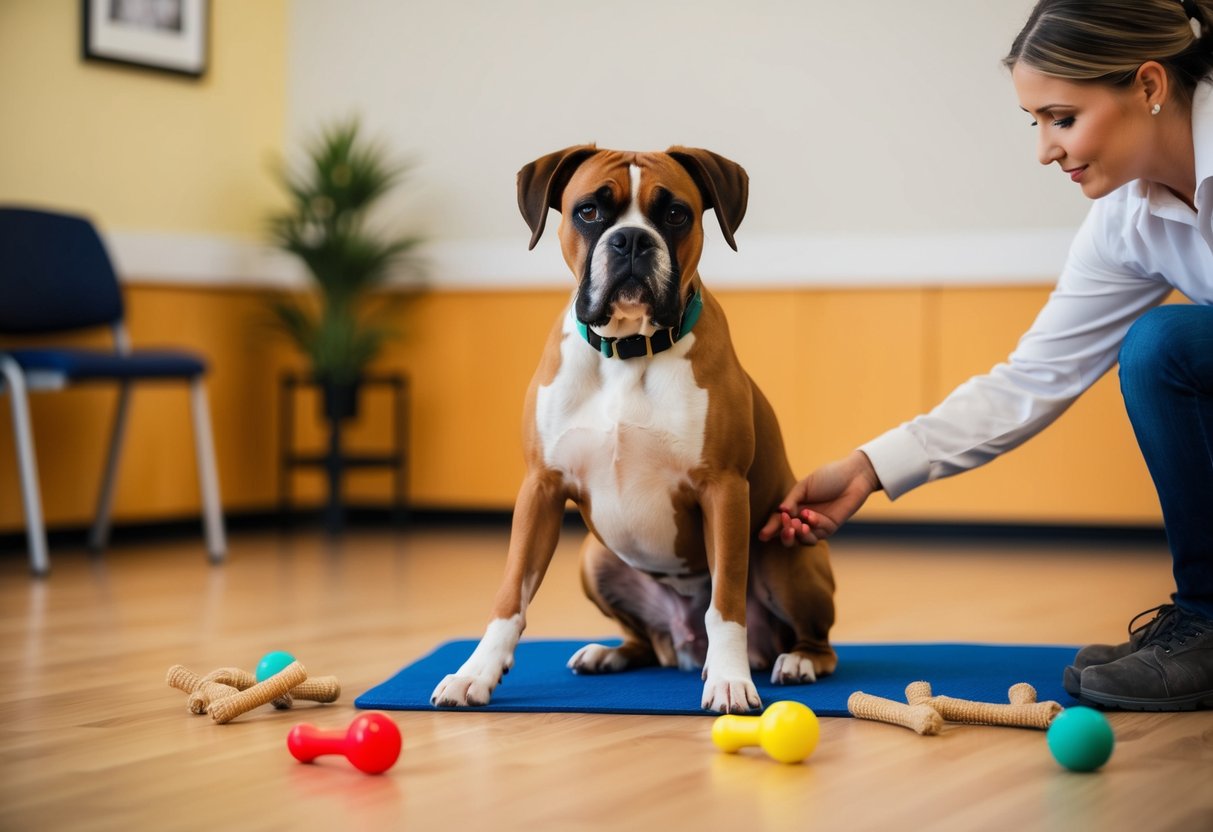
Training your Boxer to stop chewing furniture is important for keeping your home safe. By using positive reinforcement and creating a safe space, you can help your dog learn better habits. Here are some effective methods.
Positive Reinforcement Techniques
Using positive reinforcement is one of the best ways to train your Boxer. Encourage desired behavior by rewarding them when they chew on appropriate items, like chew toys.
Steps to Use Positive Reinforcement:
- Select a Reward: Choose treats or praise that your dog loves.
- Redirect Behavior: If you catch your dog chewing on furniture, gently redirect their attention to a chew toy.
- Praise Immediately: When they start chewing the toy, give praise or a treat right away.
Consistency is key. The more often you reinforce good behavior, the quicker your Boxer will learn which items are acceptable to chew.
Creating a Safe Space for Your Boxer
A safe space can help reduce your Boxer’s urge to chew on furniture. This area should be comfortable and free of distractions.
How to Create a Safe Space:
- Use a Crate: If you can’t supervise your dog, consider using a crate. Make it a cozy area with soft bedding.
- Remove Temptations: Keep furniture and valuable items out of reach.
- Provide Chew Toys: Place several appropriate chew toys in this space.
Remember, a well-exercised dog is less likely to chew out of boredom. Make sure your Boxer gets plenty of exercise and attention daily to help them feel satisfied and happy.
Best Practices for Keeping Boxers Engaged
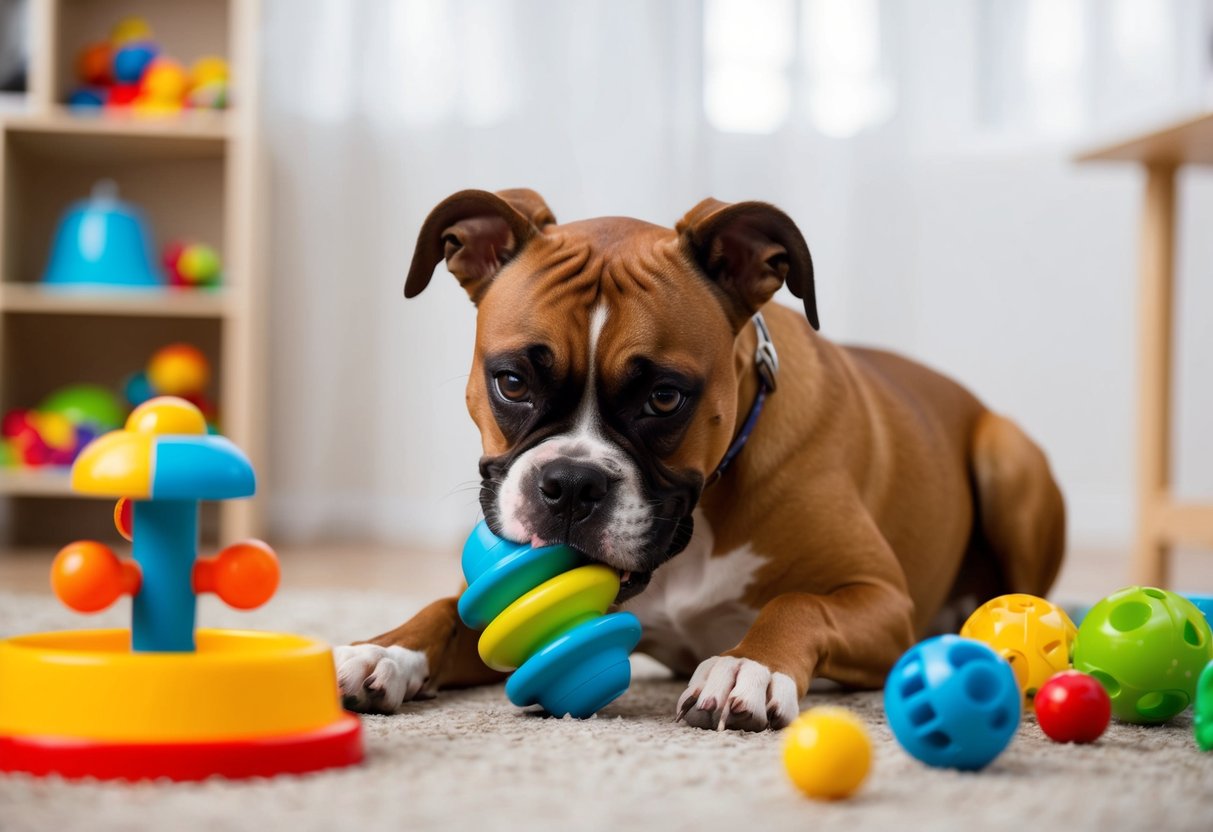
Keeping your Boxer engaged is key to reducing unwanted chewing behaviors. Focus on providing both physical exercise and mental stimulation. This will help keep them happy and satisfied.
The Role of Physical and Mental Exercise
Your Boxer needs regular physical exercise to burn off energy. Daily walks, playtime in the yard, or trips to a dog park are great options. Aim for at least 30 to 60 minutes of exercise each day.
In addition to physical exercise, mental stimulation is just as important.
Activities like puzzle toys or interactive games can challenge your dog’s mind. Teaching new tricks or using training sessions keeps them focused and entertained.
Mixing up the activities will help prevent boredom, leading to a calmer and happier pet.
Selecting Appropriate Chew Toys
Providing the right chew toys is essential for your Boxer. Look for durable options made for strong chewers. Rubber toys, bones, or even rope toys can withstand their chewing habits.
Make sure to rotate the toys regularly to keep them exciting. This will help capture their interest and reduce the likelihood of them seeking out your furniture to chew.
Managing Separation Anxiety in Boxers

If your Boxer is showing signs of separation anxiety, you need to manage this issue for their well-being. Here are some effective strategies:
1. Create a Safe Space
Designate a cozy area for your dog with their bed, toys, and blankets. This helps them feel secure when you leave.
2. Physical Exercise
Boxers are active dogs. Give your pup plenty of exercise before you leave. A long walk or play session can tire them out, making them more relaxed.
3. Provide Chew Toys
Offering chew toys can keep your Boxer occupied when you’re away. Look for sturdy toys to help reduce boredom and stress.
4. Gradual Exits
Practice leaving for short periods and gradually increase the time. This helps your dog get used to being alone.
5. Positive Reinforcement
Reward your dog when they stay calm as you leave. This can help them associate your departures with positive experiences.
6. Around-the-Clock Consistency
Stick to a routine for feeding, walks, and playtime. A consistent schedule helps your Boxer feel secure and reduces anxiety.


