
Have you ever watched a boxing match and noticed the loud sounds that boxers make when they punch? It’s more than just noise; there are several reasons behind it. Boxers often exhale sharply when they hit, which helps them generate more power and engage their core muscles.
This breathing technique not only aids in delivering strong punches but also allows them to maintain their stamina throughout the fight.

The sounds you hear can also be a result of the rapid movement of air around their fists as they strike. This creates a popping or whooshing sound that adds to the excitement of the match. Understanding these noises can deepen your appreciation for the sport and the skill involved.
So, if you’ve ever wondered why boxers are so vocal during matches, you’re not alone! Let’s explore the reasons why they make these sounds and what it means for their performance in the ring.
Understanding the Boxer’s Breath

Breathing plays a crucial role in a boxer’s performance. It helps with technique, power, and efficiency. You might notice boxers making noise when they punch, and understanding their breath is key to this.
The Role of Breathing in Boxing
Boxers use specific breathing techniques to maximize their performance. Exhaling forcefully as they punch helps stabilize their core. This is essential because a stable core improves balance and power during each strike.
When you breathe out at the moment of impact, it reduces tension in your body. This synchronized breathing allows you to move more freely and maintain your energy. It also helps you to relax between movements, which can be vital during long rounds.
Additionally, controlled breathing helps you manage fatigue. It keeps your heart rate steady, allowing you to stay focused and react quickly. Overall, breathing is not just about taking air in and out; it’s a powerful tool in boxing.
The Anatomy of a Punch
The anatomy of a punch involves more than just arm movement. Your entire body works together to deliver power. When you throw a punch, several muscle groups engage.
As your fist moves forward, air rushes in due to the sudden change in speed. This generates a sound that many hear in the ring. The faster your punch, the louder the impact noise.
It’s not just about strength; your breathing also plays a part in this dynamic.
Using the right breathing technique during your punch can optimize your performance. By exhaling sharply, you create pressure that helps your body generate more force with each strike. Thinking about how you breathe can simplify the process and give you an edge.
The Sound of Power
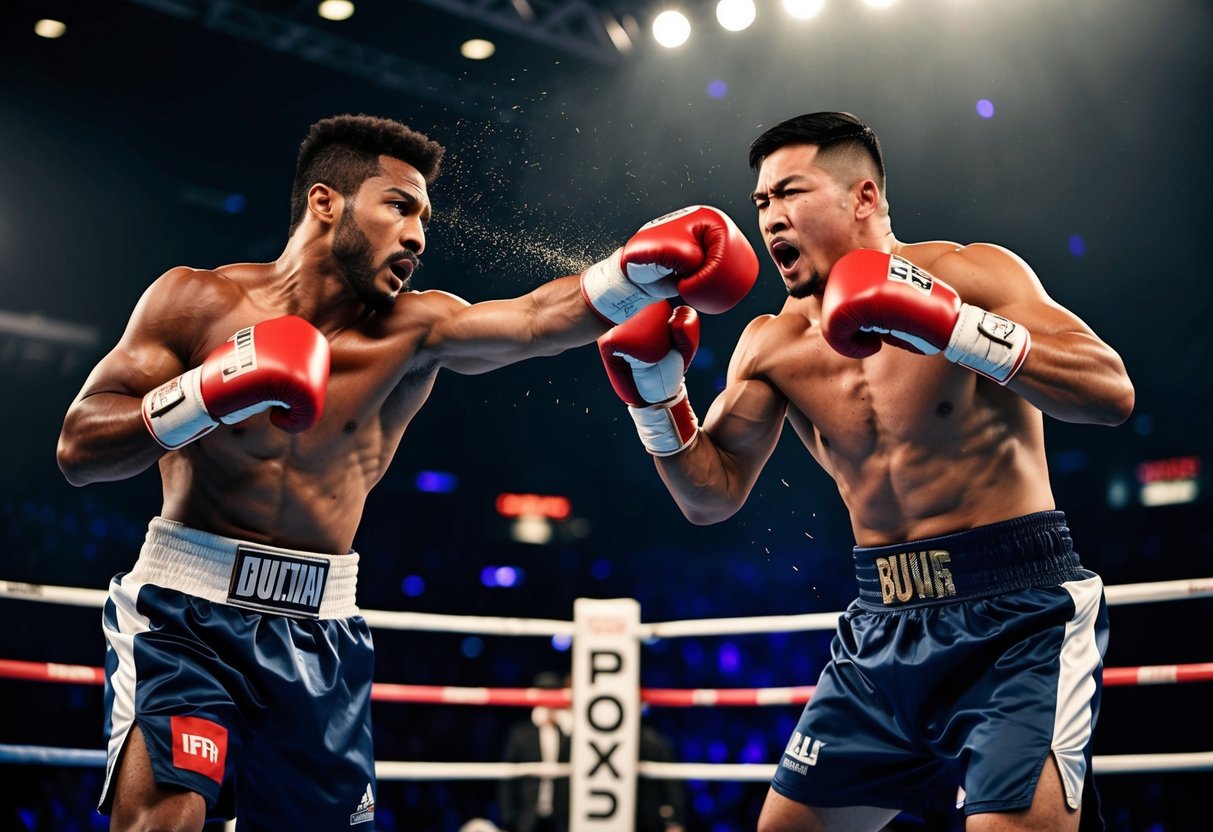
When boxers throw punches, the noise they make is more than just a byproduct of their effort. This sound ties into the force behind each strike and can be an important part of their technique.
Interplay Between Noise and Force
The noise you hear when boxers punch comes from the rapid movement of their fists. As they accelerate, they displace air, creating a loud popping sound. This is not just noise; it reflects the power behind the punch.
The intensity of the punch correlates with the volume of the sound. A well-executed strike produces a significant noise because it involves energy transfer from the boxer’s body to the punch.
This energy comes from a combination of technique and strength, emphasizing the importance of proper form in delivering powerful hits.
Additionally, the noise helps boxers find their rhythm during bouts. Synchronizing breathing with punches allows for better oxygen flow and endurance throughout a match.
Kiai: The Martial Arts Shout
In many martial arts, practitioners employ a loud shout known as kiai. While not specific to boxing, this technique serves multiple purposes.
When boxers make noise, it can be similar to the kiai, giving a physical release of energy as well as mental focus.
Kiai is often used to enhance power and intimidate opponents. By vocalizing during a punch, boxers can help engage their core and improve their strike’s overall effectiveness. The sound may startle an opponent, adding to the psychological edge during a match.
Incorporating such vocal techniques into boxing can emphasize the connection between power and sound. You might notice that incorporating kiai-like sounds can enhance your punching technique and effectiveness.
Training for Optimal Performance
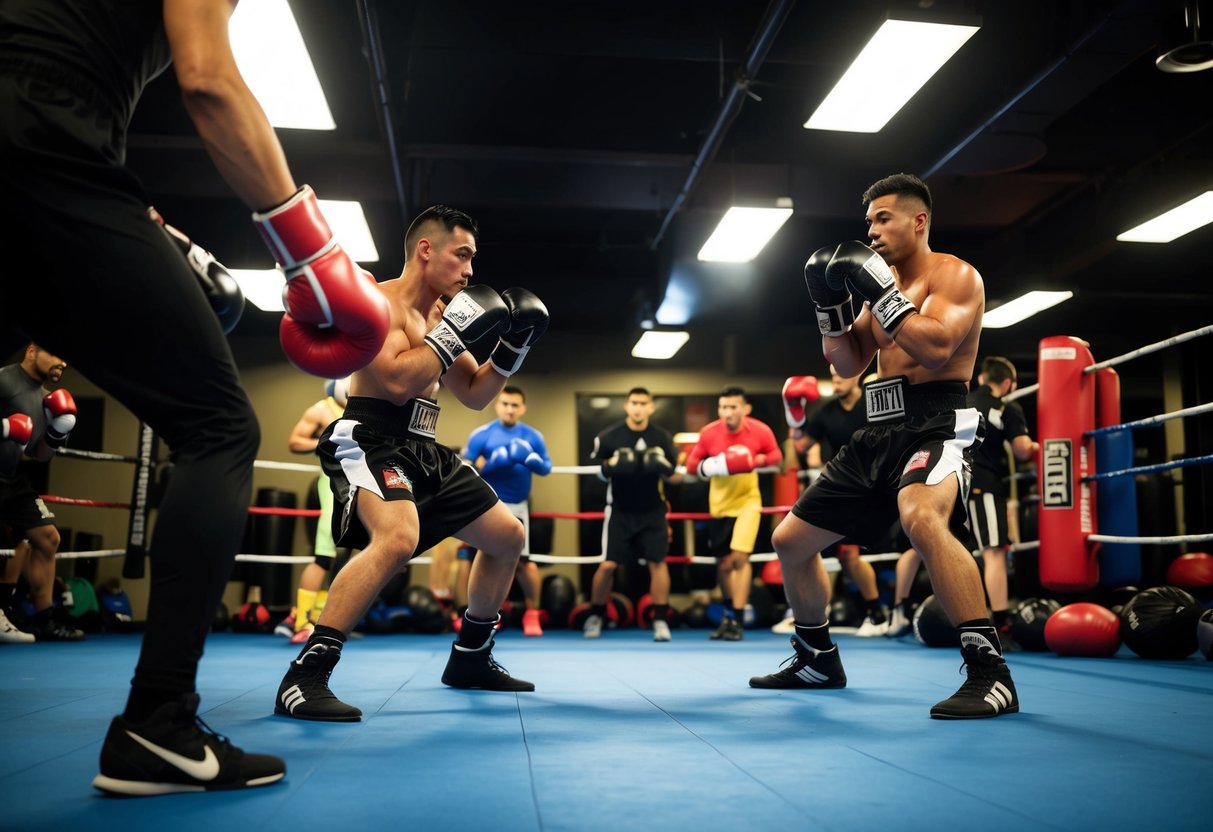
Training is essential for boxers to develop skills and improve their performance in the ring. Focusing on drills and creating a rhythmic routine can significantly enhance your punching power and overall stability.
Drills and Practices
To improve your performance, incorporate specific drills into your boxing training.
Shadowboxing is a great way to work on your form and technique without a partner. Focus on your stance and movement.
Heavy bag work helps you develop power. Aim for explosive punches while maintaining proper biomechanics to avoid injury.
Use variety in your sessions. Switch between speed and power drills to challenge your body.
Don’t forget about footwork drills. Good footwork enhances your balance and allows you to move quickly while maintaining stability.
Building a Rhythmic Routine
Creating a rhythmic routine can help you engage your core and improve breathing during fights.
Start by practicing your breathing patterns. When you punch, make sure to exhale sharply. This can generate more power and help you stay relaxed.
Incorporate rhythm into your shadowboxing. Count your punches or use music to maintain a steady beat. This approach not only makes training enjoyable but also builds muscle memory.
Practice regular timing with your punches and movements. This consistency translates to better performance in the ring. You’ll react more instinctively during matches.


