
If you’ve noticed your Boxer spending a lot of time snoozing, you might wonder why they seem so sleepy. Boxers typically sleep between 12 to 14 hours a day, which is a normal amount for this energetic breed.
While they are known for their playful and active nature, their sleep habits are just as important to their health and happiness.

Understanding your Boxer’s sleep needs can help you ensure they lead a well-rested life. As a highly active breed, they require plenty of physical exercise and mental stimulation during their waking hours.
This balance allows them to recharge, making nap time just as crucial as playtime.
You may find yourself curious about the reasons behind their sleepiness. Exploring these habits can give you insight into how to best care for your furry friend and keep them feeling their best.
Understanding Sleepiness in Boxers

Boxers can appear sleepy for several reasons related to their physical traits, genetics, diet, and activity levels. By knowing these factors, you can better understand your Boxer’s sleep patterns and needs.
The Role of Physical Traits and Genetics
Boxers are medium-sized dogs with a strong build. Their unique physical traits play a role in their sleepiness. For example, they have a high metabolism, which can lead to fatigue if they do not get enough exercise.
Genetics also matter. Some Boxers may inherit traits that make them more prone to tiredness. Conditions like hypothyroidism can affect their energy levels, causing them to sleep more than usual. Monitoring your Boxer’s health with regular vet check-ups can help you catch any issues early.
Diet and Nutritional Factors
What your Boxer eats can greatly influence their energy levels. A proper diet is essential for maintaining their health and managing sleepiness.
Feeding your Boxer a balanced diet with high-quality protein and healthy fats can promote energy. Look for dog foods that list meat as the first ingredient. Avoid fillers like corn and soy, which can contribute to tiredness.
Also, consider portion sizes. Overfeeding can lead to weight gain, which may cause your Boxer to feel sluggish.
Exercise and Activity Levels
Boxers are known for their playful and energetic nature. They require regular exercise to remain healthy and happy. Without enough activity, they may become bored and sleepy.
Aim for at least an hour of exercise each day. This can include walks, playtime, and mental challenges.
Engaging your Boxer will keep them alert and reduce feelings of fatigue.
Remember, while they do sleep a lot, it is important to strike a balance between rest and activity to keep your Boxer healthy and lively.
Health Concerns Linked to Sleepiness

Sleepiness in boxers can be tied to several health issues. Understanding these can help you recognize the signs and take action if needed.
Sleep Disorders in Boxers
Many boxers experience sleep disorders, including sleep apnea. Obstructive sleep apnea is common and can lead to poor sleep quality. This condition causes your breathing to repeatedly stop and start during sleep.
Symptoms may include loud snoring, sudden awakenings, and extreme daytime sleepiness. Left untreated, sleep apnea can lead to serious health concerns like heart disease.
Other sleep disorders, such as insomnia, can also be problematic. Poor sleep may intensify fatigue, making it hard to perform well in the ring.
It’s essential to address these issues early for better health outcomes.
Chronic Conditions and Diseases
Chronic health conditions can worsen sleepiness. For instance, diabetes may lead to fatigue due to fluctuating blood sugar levels. Managing these levels is crucial for maintaining energy.
Depression is another significant factor. It can cause low energy and increased sleepiness, making it vital to seek support if you’re feeling down.
Additionally, conditions like chronic fatigue syndrome and anemia can impact your overall well-being. Nutritional deficiencies might also play a role, as not getting enough essential nutrients can leave you feeling tired.
Being aware of these issues helps you stay ahead of potential health problems. Taking charge of your health is the first step towards better sleep and energy levels.
Lifestyle and Environmental Factors
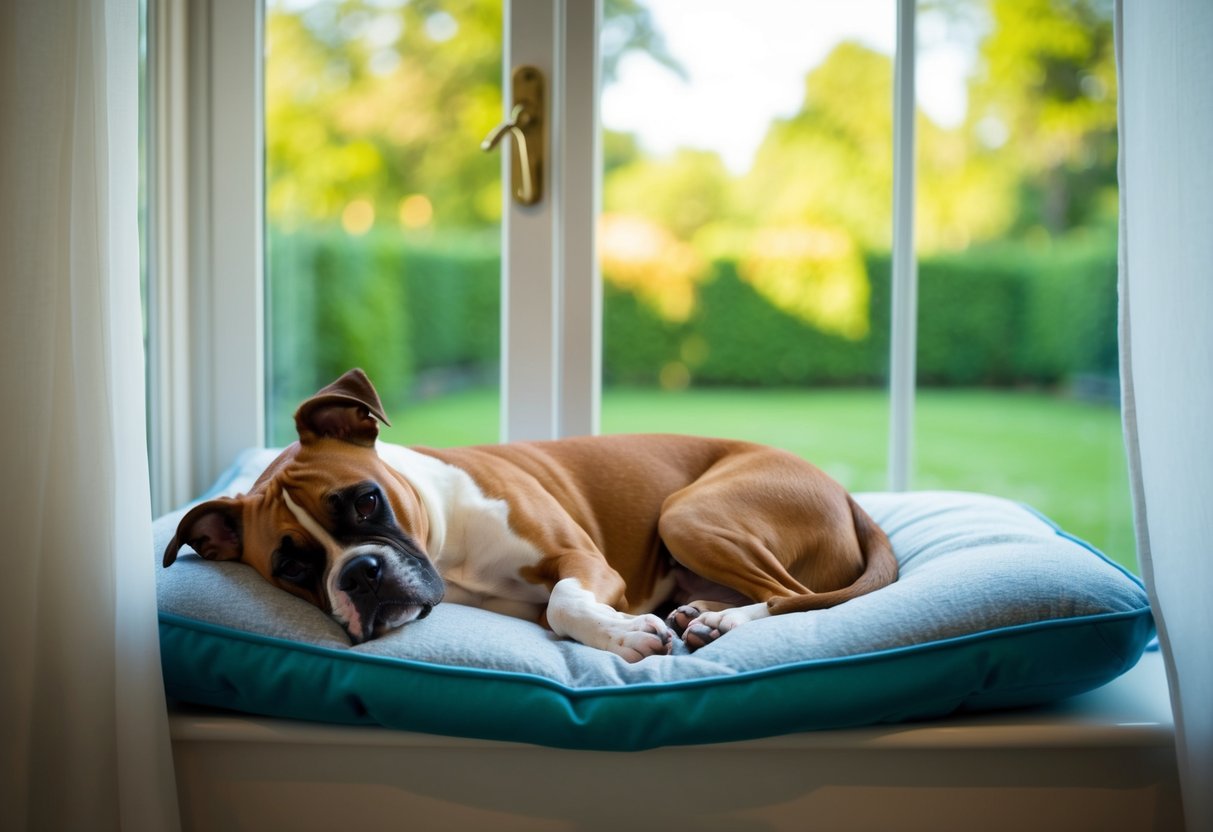
Your Boxer’s sleep quality can be affected by stress and the environment where they live. Understanding these factors helps ensure your dog gets the rest they need.
Impact of Stress and Psychological Well-being
Dogs, including Boxers, can experience stress just like humans. Common causes of stress include loud noises, changes in routine, or unfamiliar environments.
Stress can lead to insomnia, making it hard for your Boxer to settle down and sleep.
To help reduce stress, create a calm atmosphere in your home. You can use soft bedding that offers comfort and support.
Regular exercise also helps manage stress levels by burning off energy and calming your dog. It’s important to keep a consistent daily routine, as dogs thrive on predictability.
How Living Environment Affects Sleep
The environment where your Boxer sleeps plays a crucial role in their sleep quality. Factors like noise, temperature, and comfort can influence how well your dog rests.
A quiet, cozy space away from distractions will help them feel secure.
Consider the following tips for a better sleeping environment:
- Noise Control: Use white noise machines or soft music to mask disruptive sounds.
- Temperature: Ensure the sleeping area is cool and comfortable. Dogs can be sensitive to heat.
- Bedding: Invest in quality dog beds that provide support and comfort.
These adjustments can significantly improve your Boxer’s ability to relax and enjoy restorative sleep.
Improving Sleep for Boxers

Ensuring your boxer gets better sleep involves thoughtful choices in sleepwear and maintaining good sleep hygiene. Each aspect plays a significant role in promoting healthy rest and overall well-being.
Choosing the Right Sleepwear
What your boxer wears while sleeping can impact their comfort and sleep quality.
Consider using soft, breathable fabrics that allow for good airflow. Options like cotton or moisture-wicking materials are great for staying cool.
Some owners might prefer their boxers to sleep in briefs for added warmth, while others prefer them to go commando for freedom of movement.
Ensure that whatever choice you make does not restrict their movements, as this can lead to restless sleep.
Additionally, make sure the sleep environment is cozy and familiar. A comfortable dog bed can make a big difference. You might also want to wash their sleepwear regularly to keep it fresh.
Sleep Hygiene and Healthy Habits
Good sleep hygiene is essential for promoting restful sleep in your boxer. This includes providing a quiet, dark space for them to sleep. Eliminating noise and distractions can help them settle down easier.
Hydration is also key. Make sure your boxer has access to fresh water throughout the day. Dehydration can cause daytime sleepiness and affect their sleep cycles.
Consider their diet and any medications they might take. Certain medications can impact sleep patterns. Vitamins like B12 and D can also play a role in energy levels and mood. Talk to your vet about your boxer’s nutritional needs for optimal rest.
Creating a consistent bedtime routine can help signal to your boxer that it’s time to wind down, making it easier for them to drift off to sleep.


