
Boxer dogs are known for their playful and energetic nature, which can leave many pet owners wondering if they ever calm down.
Generally, boxers start to mellow out between the ages of 2 to 4 years old, but their personalities remain lively throughout their lives.
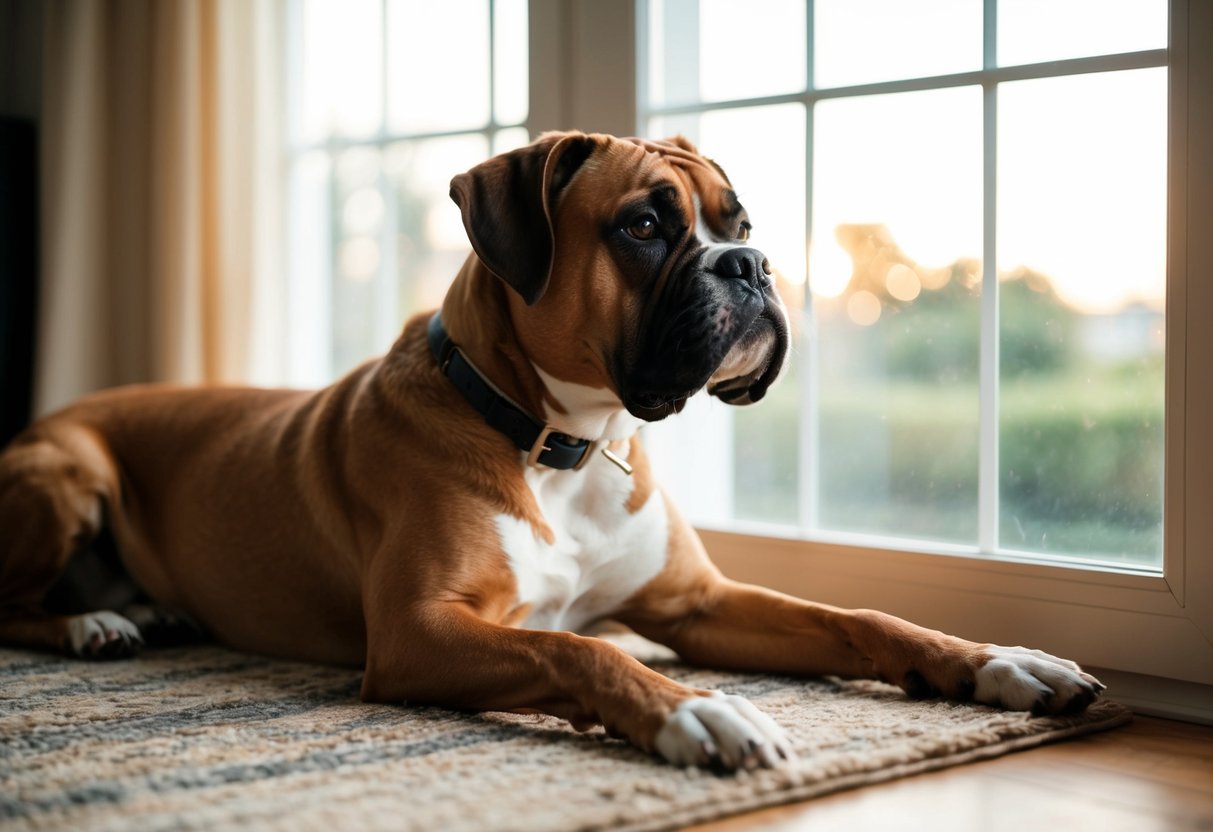
As a boxer owner, you might experience this spirited behavior every day. With proper exercise and training, you can help your furry friend become more relaxed and balanced.
Engaging activities and socialization are key elements in managing their energy levels.
Understanding when boxers calm down can help you create a more harmonious environment at home. Join us as we explore more about the behaviors of boxers and tips for ensuring they enjoy a happy and balanced life.
Understanding Boxer Dogs’ Temperament

Boxers have a unique temperament that combines energy with a nurturing side. While they are known for their high energy levels, various factors can influence their calmness. Let’s explore what makes Boxers tick.
Natural Disposition of Boxers
Boxers are medium-to-large dogs with a muscular build and a playful nature. They are naturally energetic and require regular exercise. This high energy can sometimes lead to hyper behavior if not properly managed.
Despite their playful demeanor, Boxers are also known for being affectionate and loyal. They form strong bonds with their families and often display a protective instinct, especially around children. Their friendly nature makes them great companions.
With proper training and socialization, you can help your Boxer find a balance between playfulness and calm.
Factors That Influence Calmness
Several factors can help your Boxer become calmer.
First, ensuring they receive enough daily exercise is crucial. A well-exercised Boxer is less likely to exhibit hyper behavior. Activities like walks, runs, and playtime can help release built-up energy.
Additionally, mental stimulation is important. Engaging your Boxer with puzzle toys or training exercises can redirect their energy positively.
Consistency in training and routine also plays a role in their temperament. A calm and structured environment can significantly help your Boxer feel settled and relaxed. Over time, this can lead to a calmer demeanor during family time.
Training and Lifestyle Needs
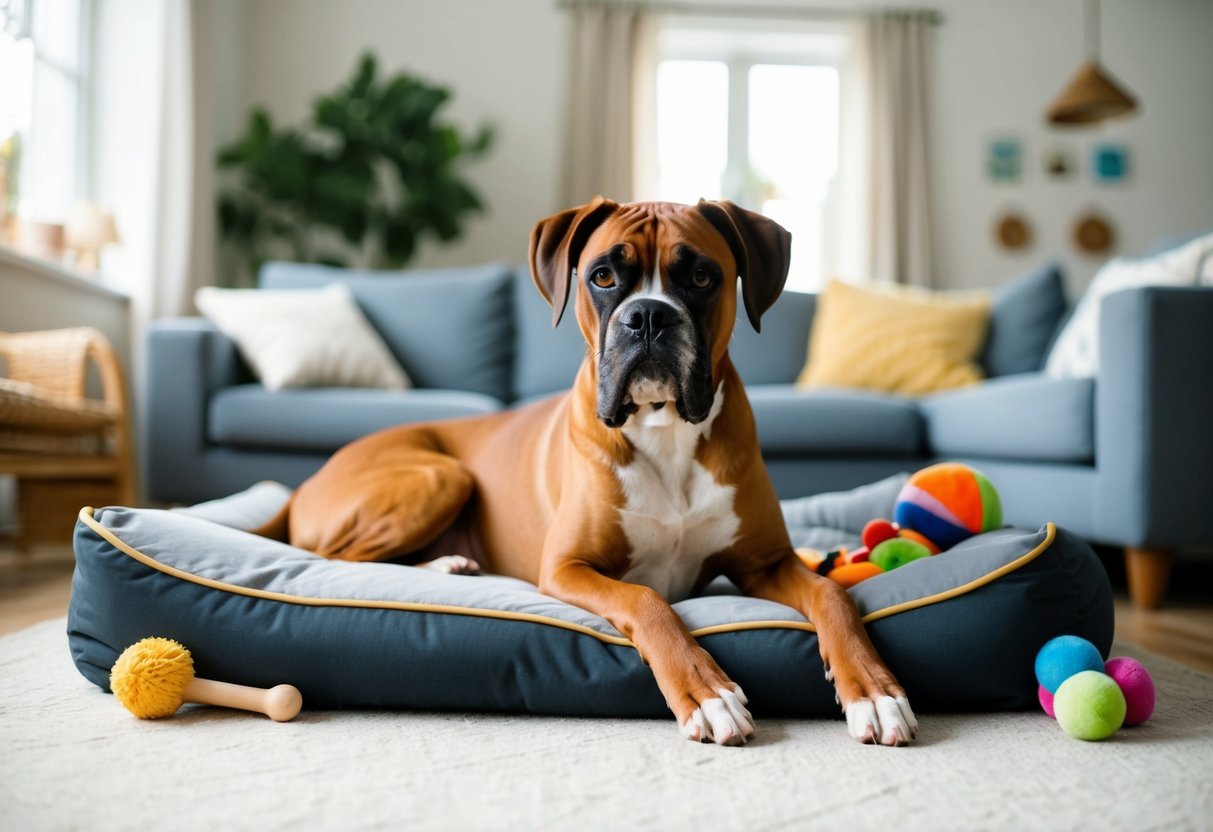
To help your Boxer dog be calm, you need to focus on dedicated training sessions, provide mental stimulation, and ensure regular physical exercise. Each of these elements works together to create a well-rounded routine.
Training Sessions and Positive Reinforcement
Training is crucial for Boxers to learn good behavior. Schedule daily training sessions, even if they last only five minutes. These short bursts keep your dog engaged and help them remember commands.
Use positive reinforcement to reward your Boxer for good behavior. This can be treats, praise, or playtime. By doing this, they will associate following commands with positive experiences.
Consistency is key. Always end training on a positive note, perhaps by practicing a command they know well. This way, your dog will be eager for the next session.
The Importance of Mental Stimulation
Boxers are intelligent and need mental challenges. A bored Boxer can become overly excited or destructive.
Incorporate puzzle toys and games into your dog’s daily routine to keep their mind sharp.
You can also try training them new tricks or commands. This not only stimulates their brain but also strengthens your bond.
Rotating toys and introducing new activities can keep things fresh and exciting. Remember, a mentally stimulated Boxer is a calmer and happier one.
Physical Exercise Essentials
Regular physical activity is vital for Boxers. Aim for at least an hour of exercise each day. This could include walks, runs, or playtime in a yard. Engaging in active games like fetch can also deplete their energy.
Don’t forget to mix up your routine. Different activities help keep your Boxer interested and encourage them to look forward to exercise time.
A tired Boxer is much more likely to be calm at home. Always pay attention to your dog’s signals and allow for rest when needed, especially after intense activities.
Managing and Reducing Hyperactivity
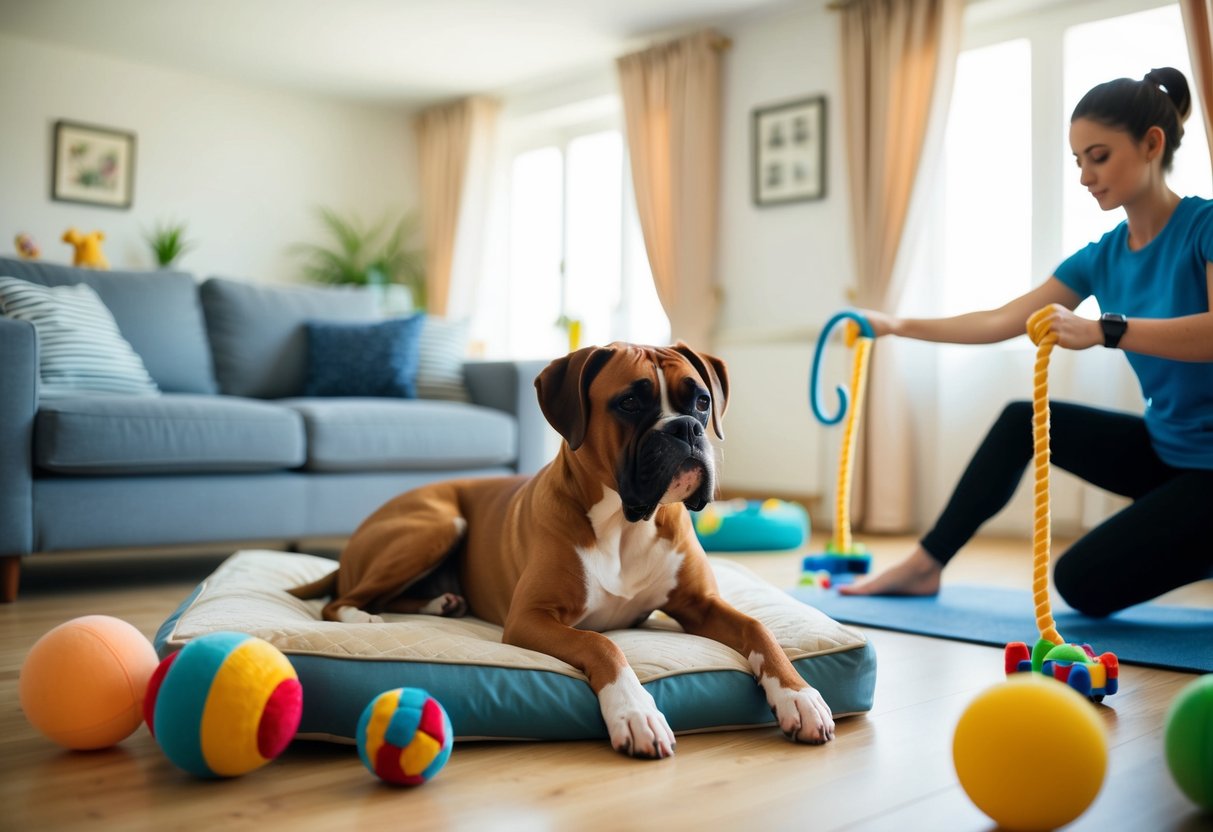
Managing a hyperactive boxer requires a thoughtful approach. You’ll want to create a calm environment, consider professional training, and review their diet. These steps can help your boxer become a well-behaved companion.
Creating a Calm Environment
A calm environment is crucial for your hyper boxer. Start by designating a quiet space where your dog can relax. Use soft bedding and keep the area free from loud noises or distractions.
Regular exercise is also important. Daily walks of at least 30 minutes can burn off excess energy. Interactive toys can engage your dog mentally, helping reduce hyperactivity.
Incorporate relaxation techniques, like low-volume music or calming scents, to enhance their comfort. With time, your boxer will feel more at ease in a calm setting.
Professional Training and Behaviorist Support
Consider enlisting the help of a professional dog trainer. A trainer experienced with boxers can teach you effective techniques to manage hyperactivity. They can guide you on commands and reinforce positive behaviors.
In some cases, a behaviorist may be beneficial. They can assess any underlying issues contributing to your dog’s hyperactivity.
Regular training sessions and socialization opportunities help your boxer learn appropriate behaviors. This support can foster a more well-behaved boxer.
Supplements and Diet for a Calmer Boxer
Diet can play a significant role in your boxer’s behavior.
Focus on high-quality dog food that meets their nutritional needs. Some owners find success with supplements like L-theanine, known for its calming properties. Consult your vet before adding any supplements.
Monitor your dog’s treats, choosing those that are low in sugar and additives. Reducing processed foods may help keep your dog calm.
Adjusting their diet and incorporating good nutrition can lead to a more settled demeanor for your hyperactive boxer. Healthy food and supplements can support a more relaxed state, making your life easier together.
Enhancing Your Boxer’s Quality of Life
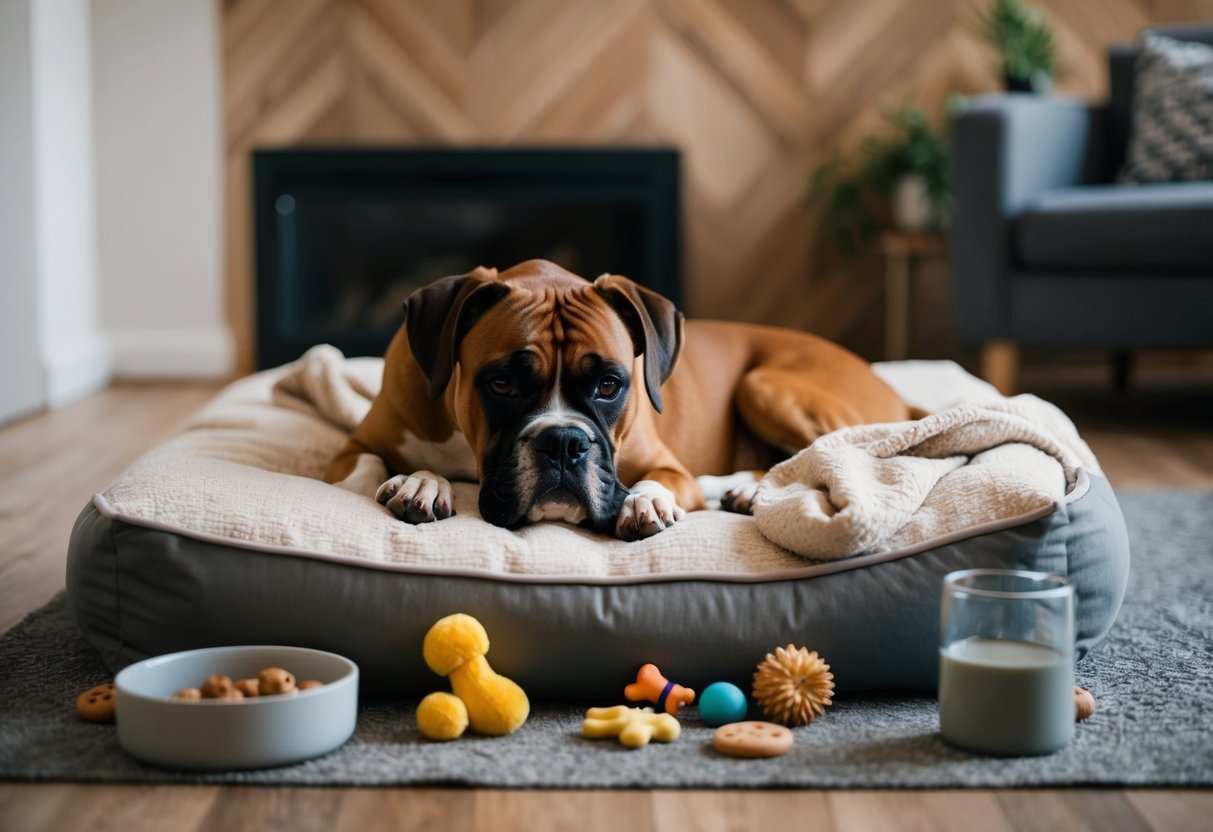
Focusing on your Boxer’s well-being involves providing engaging activities, ensuring proper socialization, and addressing any anxiety they may face. Each of these aspects plays a crucial role in creating a happy and healthy environment for your dog.
Interactive Toys and Engagement
Engaging toys are vital for keeping your Boxer stimulated. These toys encourage problem-solving and can help prevent boredom. Look for options that challenge their minds, such as puzzle toys or treat-dispensing balls.
Consider rotating toys to maintain interest. You don’t need to have all toys out at once. Change them regularly to keep your Boxer excited.
In addition to toys, activities like fetch or tug-of-war are great for physical engagement. Incorporate training games to reinforce good behavior while having fun at the same time.
Socialization and Its Benefits
Socialization is essential for Boxers.
Exposing them to various environments, people, and other animals helps them develop confidence. This sense of security translates to a calmer demeanor.
Take your Boxer on walks in different neighborhoods. Visit parks where they can interact with other dogs. Puppy training classes can also provide positive social experiences.
Remember, the goal isn’t just to let your Boxer meet others; it’s about creating well-rounded dogs. Positive socialization reduces anxiety and undesirable behaviors.
Dealing With Separation Anxiety
Boxers can feel upset when left alone. It’s important to address this issue early on.
Start by creating a safe space where your dog feels comfortable when you’re not around.
Gradually increase the time you leave your Boxer alone. This helps them get used to being by themselves.
Using interactive toys can also be helpful; they keep your dog busy while you are away.
Practice a calm departure and return to reduce anxiety. Avoid making a big fuss when you leave or arrive home.
Instead, keep routines consistent and low-key. This approach can make a significant difference in your Boxer’s comfort level.


