
Boxers are known for their playful and loving nature, but many people wonder why they can exhibit aggressive behavior at times. The truth is that while Boxers can show aggression, this behavior is often linked to factors like their protective instincts, lack of exercise, and past negative experiences. Understanding these triggers can help you manage their temperament and ensure a happy, well-adjusted pet.

As a dog breed, Boxers are natural guardians. This means they take their role seriously when it comes to protecting their family. While they are usually friendly and well-disposed towards people, they may react aggressively if they feel threatened or if their territory is compromised.
If you’re considering bringing a Boxer into your home, it’s essential to learn about their behavior and what can lead to aggression. By knowing the signs and understanding their needs, you can foster a loving environment that helps your Boxer thrive and minimizes any unwanted aggressive behavior.
Understanding Boxer Temperament and Aggression

Boxers are known for their loyal and protective nature. While they can display aggressive tendencies, understanding the factors behind their behavior is key. This section will explore genetics, the difference between aggression and playfulness, and signs of true aggression in Boxers.
The Influence of Genetics on Behavior
Genetics plays a vital role in shaping a Boxer’s temperament. As a breed, Boxers are known for their energetic, intelligent, and playful traits. However, some may inherit more aggressive tendencies based on their lineage. Responsible breeding practices can help reduce these tendencies.
You should look into the lineage of your Boxer’s parents. A well-researched background can give you insight into their behavior. If both parents are social and calm, your Boxer is likely to be too. Remember that early socialization is also key. Introducing your Boxer to various people and environments helps develop a well-rounded personality.
Aggression vs. Playfulness
Boxers have a playful nature that can sometimes be mistaken for aggression. Their spirited behavior includes jumping, barking, and roughhousing. Such actions are often playful expressions rather than signs of aggression.
To differentiate between the two, consider their body language. A playful Boxer tends to have a relaxed stance, wagging tail, and an open mouth. In contrast, an aggressive Boxer may stand stiffly, has raised hackles, and growls. Understanding this difference helps in managing their behavior effectively. Socializing your Boxer also minimizes misunderstandings between playful and aggressive actions.
Signs of True Aggression in Boxers
Recognizing true aggression in your Boxer is crucial for safety. Signs to watch for include excessive barking, lunging, and showing teeth. These behaviors indicate the dog feels threatened or defensive.
If your Boxer displays a stiff body posture, it is important to assess the situation. An aggressive Boxer may also growl or snarl when feeling challenged. Being aware of these signs can help you respond appropriately, ensuring both your safety and your dog’s well-being.
Lastly, proper training and positive reinforcement can guide your Boxer toward more desirable behaviors, leading to a happy and well-behaved companion.
The Role of Proper Training and Socialization

Proper training and socialization are key to ensuring your Boxer develops into a well-adjusted and friendly dog. By focusing on these aspects, you can reduce the risk of aggressive behaviors and help your Boxer become a beloved family pet.
Importance of Early Socialization
Early socialization is crucial for your Boxer. Starting this process when your dog is a puppy helps them become accustomed to different people, environments, and other animals.
Taking your Boxer to dog parks or introducing them to friends will expose them to various sights and sounds. This exposure can prevent fear and anxiety, which can lead to aggression.
Without proper socialization, your Boxer may develop a lack of confidence. This can cause defensive or aggressive behavior when faced with new experiences. Make it a point to socialize your Boxer regularly to foster a well-rounded temperament.
Training Techniques That Encourage Good Behavior
Using effective training techniques is essential for shaping your Boxer’s behavior. Techniques like positive reinforcement can motivate your dog to learn and follow commands. Rewarding good behavior with treats or praise encourages your Boxer to repeat those actions.
Incorporate fun activities like agility training or obedience classes. These not only teach essential skills but also provide your dog with mental stimulation.
Regular and consistent training sessions can help prevent aggressive tendencies by establishing clear boundaries. Keep the sessions short and engaging, making training an enjoyable experience for both of you.
Managing Aggression Through Obedience Training
Obedience training is a powerful tool for managing aggression in Boxers. Teaching commands like “sit,” “stay,” and “leave it” builds a foundation of control and respect.
When your Boxer responds to commands, it creates a sense of security for both you and your pet. Practice these commands in various situations, gradually increasing distractions to help your dog focus.
Combining obedience training with socialization reinforces good behavior in different settings. Be patient and consistent, allowing your Boxer to grow and learn. This proactive approach will minimize aggressive tendencies and create a calmer, more balanced dog.
Boxers as Family Pets and Companions
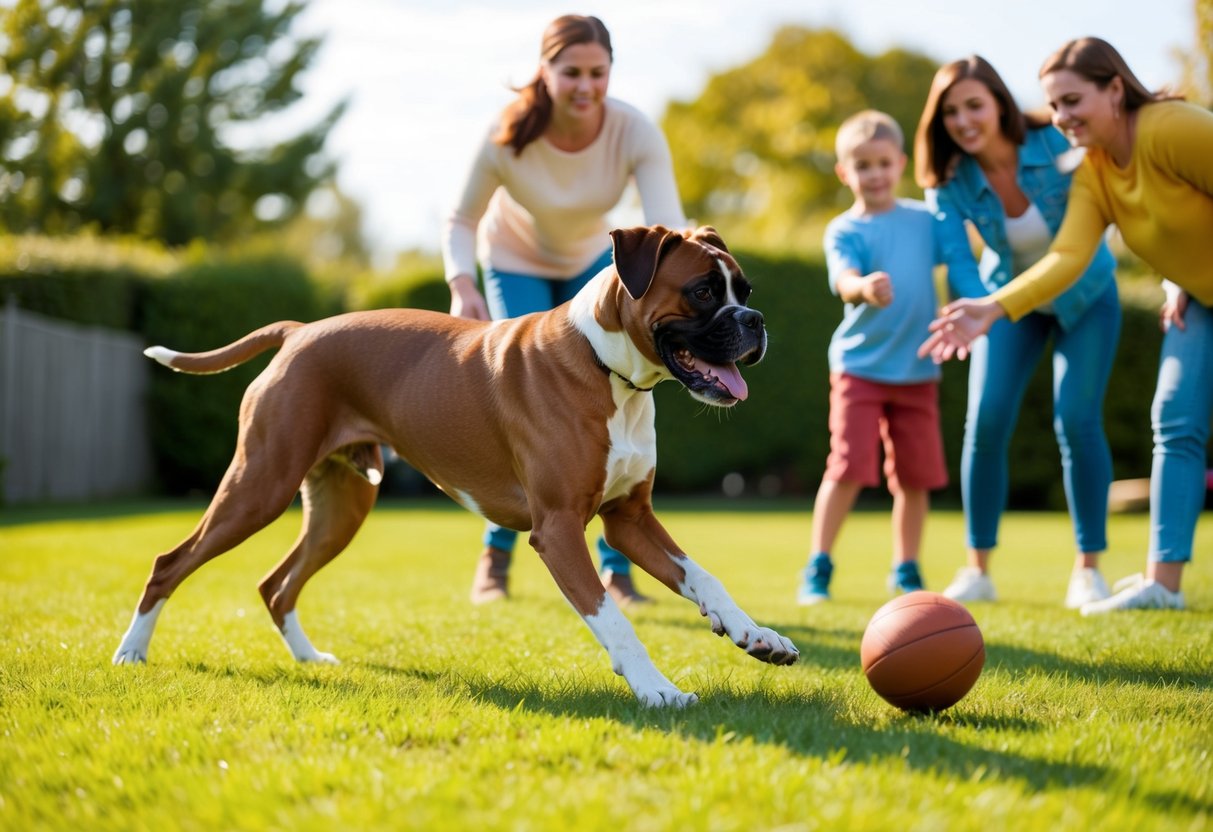
Boxers can be wonderful family pets due to their loyal and affectionate nature. They also have protective instincts that can enhance family dynamics. Understanding these traits helps you appreciate what makes Boxers special companions.
Balancing Protection Instinct with Family Dynamics
Boxers are known as protective dogs. They instinctively guard your home and family. This makes them good watchdogs, alerting you to any unusual activity.
While their protective nature is a plus, it’s essential to balance this trait with your family’s needs. Proper training and socialization from an early age will help a Boxer know when to protect and when to be calm around children, friends, and other pets.
Their loyalty shines through when they sense a threat. Boxers may bark or stand tall to assess the situation. Understanding this behavior allows you to guide their response to different scenarios.
The Loyal and Affectionate Side of Boxers
Boxers are also known for their playful nature and affectionate demeanor. They thrive on attention and enjoy spending time with you and your family. This makes them great companions for kids and adults alike.
Their loyalty is immense. Boxers form strong bonds with their families and often follow you around the house. They love to cuddle, play, and even engage in a friendly game of fetch.
Moreover, Boxers can be gentle and patient with children. They can tolerate rough play, reflecting their understanding of family dynamics. Encouraging positive interactions between your Boxer and your family will enhance your bond even further.
Overall, Boxers combine protectiveness with affection, making them great family pets.
Addressing and Preventing Aggressive Behavior

To keep your Boxer happy and reduce aggressive tendencies, focus on exercise, mental stimulation, and understanding their behavior. You can effectively manage issues related to fear or dominance by recognizing the signs and acting early.
Exercise and Mental Stimulation for Energetic Boxers
Boxers are active dogs that need daily exercise to stay healthy. Aim for at least 60 to 90 minutes of vigorous activity each day. This can include walks, runs, or playtime in the yard.
Mental stimulation is just as important. Use puzzle toys or teach them new tricks to keep their minds engaged. Boredom can lead to destructive behaviors and heightened aggression.
Involve your Boxer in social activities, like dog parks or training classes. This helps with socialization and reduces fear-based aggression. Remember, a tired Boxer is a happy Boxer!
Recognizing and Managing Dominance or Fear-Based Aggression
Understanding your Boxer’s body language is crucial. Signs of dominance may include growling, barking, or resource guarding. Address these behaviors early to prevent escalation.
If you notice fearful reactions, like cowering or snapping, this might indicate fear-based aggression. Create a calm environment to help make your dog feel more secure. Gradually expose them to the triggers causing fear in a controlled manner.
For issues like same-sex aggression, early socialization plays a vital role. Ensure your dog understands their place in the family and feels safe around other pets. Positive reinforcement, such as treats for calm behavior, can help reinforce good habits.
When to Seek Professional Help for Aggressive Behavior
If your dog’s aggressive behavior persists or intensifies, it’s time to consult a professional. Look for a trainer experienced with Boxers and their unique needs.
They can help you address specific issues like resource guarding or fear of small animals. Training programs can provide you with valuable tools to manage aggression effectively.
A professional can identify underlying causes and help develop a personalized action plan. Never hesitate to seek help if you feel overwhelmed.
The sooner you address aggression, the easier it is to create a peaceful home for you and your Boxer.


