
Boxer dogs are known for their playful and energetic personalities, but many owners wonder if their furry friends cry a lot. Boxers do have a reputation for being vocal, and they may cry for various reasons, including attention, discomfort, or anxiety. Understanding why your boxer is crying can help you address any issues and strengthen your bond with your pet.

As a boxer owner, it’s essential to know that while puppies tend to cry more as they adjust to their new environment, adult boxers also express their emotions through whining and crying. They communicate their needs and feelings in this way, so paying attention to their behavior can offer insights into their wellbeing.
You’re not alone if you’re curious about your boxer’s emotional health. By learning about their crying habits and potential causes, you can create a happier home for both of you. Keep reading to discover the reasons behind your boxer’s tears and how to help them feel more secure.
Understanding Boxer Dog Behavior

Recognizing how your boxer dog communicates and what they need is essential for their well-being. Boxer dogs are known for their emotional nature and unique behaviors. A closer look at their whining, exercise needs, and mental stimulation can help you better understand your furry friend.
Communication Through Whining
Boxer dogs often use whining as a way to express their feelings. They may whine when they are anxious, bored, or excited. Knowing the causes behind their whining can help you respond appropriately.
When your boxer is whining, pay attention to the context. For example, if they whine when you leave, they might be feeling stressed. Conversely, if they whine when they want attention, it could mean they need some love and playtime.
Other reasons for whining can include hunger or discomfort. If your dog’s whining continues, a check-up with a vet could rule out any physical issues.
Physical Exercise Needs
Boxers are energetic dogs that require plenty of physical activity. A lack of exercise can lead to undesirable behaviors, including excessive whining or destructive actions. It’s important to ensure they get enough exercise each day.
Aim for at least 60 to 90 minutes of activity daily. This can include walks, runs, and playtime. Using toys to play fetch can also keep your boxer engaged.
Exercise helps your boxer release pent-up energy, which reduces stress. A tired dog is happier and less likely to whine excessively. So, keep your boxer moving to keep them content!
Mental Stimulation Requirements
In addition to physical activity, mental stimulation is crucial for boxers. They are intelligent dogs that thrive on problem-solving and interactive play. Boredom can lead to whining and other behavior issues.
Incorporate puzzle toys or training games into your dog’s routine. Teaching new tricks can also be a rewarding way to engage their mind.
Consider setting up playdates with other dogs or taking them to a dog park. This social interaction can help satisfy their mental needs. Providing both mental and physical activities will keep your boxer happy and well-adjusted.
Common Reasons for Crying in Boxer Dogs

Boxer dogs may cry for various reasons, and understanding these can help you address their needs. From anxiety to health issues, here are some common causes of their crying behavior.
Separation Anxiety Explained
Boxers are known to be very social and loving dogs. They thrive on companionship and can become distressed when left alone. This distress often shows up as crying or whining.
If your boxer experiences separation anxiety, you might notice them following you around the house. They may also bark excessively or try to escape when you prepare to leave. To help soothe your pet, you can gradually train them to be comfortable alone.
Consider leaving them with their favorite toys or treats. Providing a safe space can also help reduce their anxiety when you’re away.
Recognizing Behavior Problems
Behavioral issues can lead your boxer to cry more than usual. If you notice sudden changes in their behavior, it might indicate that something is wrong. Common issues may stem from lack of exercise, insufficient training, or even frustration.
For instance, if your dog is not getting enough playtime, they may express their boredom through crying. It’s important to engage in regular exercise and give them mental stimulation through games and activities.
If you think your boxer is struggling with behavior problems, consult a trainer who uses positive reinforcement techniques. They can provide guidance tailored to your dog’s needs.
Signs of Allergic Reactions
Sometimes, crying can be a sign of physical discomfort. Allergic reactions are common in boxers and can cause itching, redness, or other skin irritations. If your dog is itching and whining, they might be trying to tell you that something is bothering them.
Watch for signs like excessive scratching, licking, or a change in their eating habits. These clues can help you pinpoint the issue.
If you suspect an allergy, consulting your veterinarian is crucial. They can recommend treatments and dietary changes to ease your boxer’s discomfort.
Effective Training Strategies
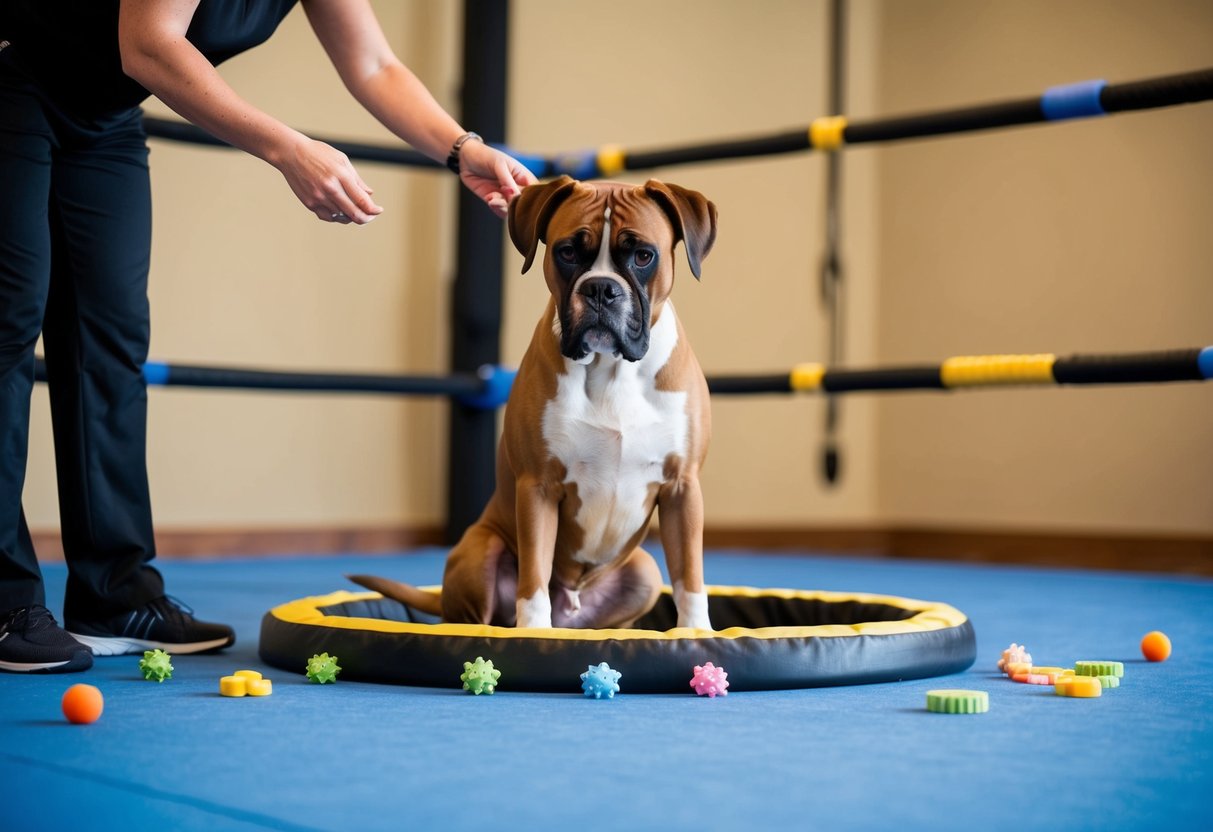
Training your Boxer effectively can help reduce their crying and improve behavior. By using the right methods, you can make them feel secure and understood while helping them learn.
Incorporating Positive Reinforcement
Positive reinforcement is a powerful tool for training your Boxer. This technique involves rewarding your dog for good behavior. Rewards can be treats, praise, or playtime.
When your Boxer stops crying on command, give them a treat right away. This teaches them that being quiet leads to rewards. Be consistent with your rewards to help your dog understand what behavior you expect.
Also, try to avoid punishment, as it may increase anxiety and crying. Instead, focus on encouraging your dog when they are calm.
Professional Dog Trainer Insights
If you find training challenging, a professional dog trainer can offer valuable insights. Trainers have experience with different breeds and know effective techniques.
They can assess your Boxer’s specific needs and help tailor a training plan that works for you. Often, trainers use play and socialization to reduce stress in dogs, which can decrease crying.
Don’t hesitate to ask questions and seek advice during training sessions. Good communication with your trainer can make a big difference in your dog’s behavior.
The Role of Obedience Training
Obedience training is a key part of helping your Boxer feel secure. This type of training teaches important commands like “sit,” “stay,” and “come.”
When your Boxer knows these commands, they gain confidence. Confidence can lead to less anxiety, which often results in less crying.
Regular practice in short sessions is best. Boxers are high-energy dogs and may lose focus after long periods. Making training fun and engaging will keep your Boxer interested and eager to learn.
Health and Socialization Aspects
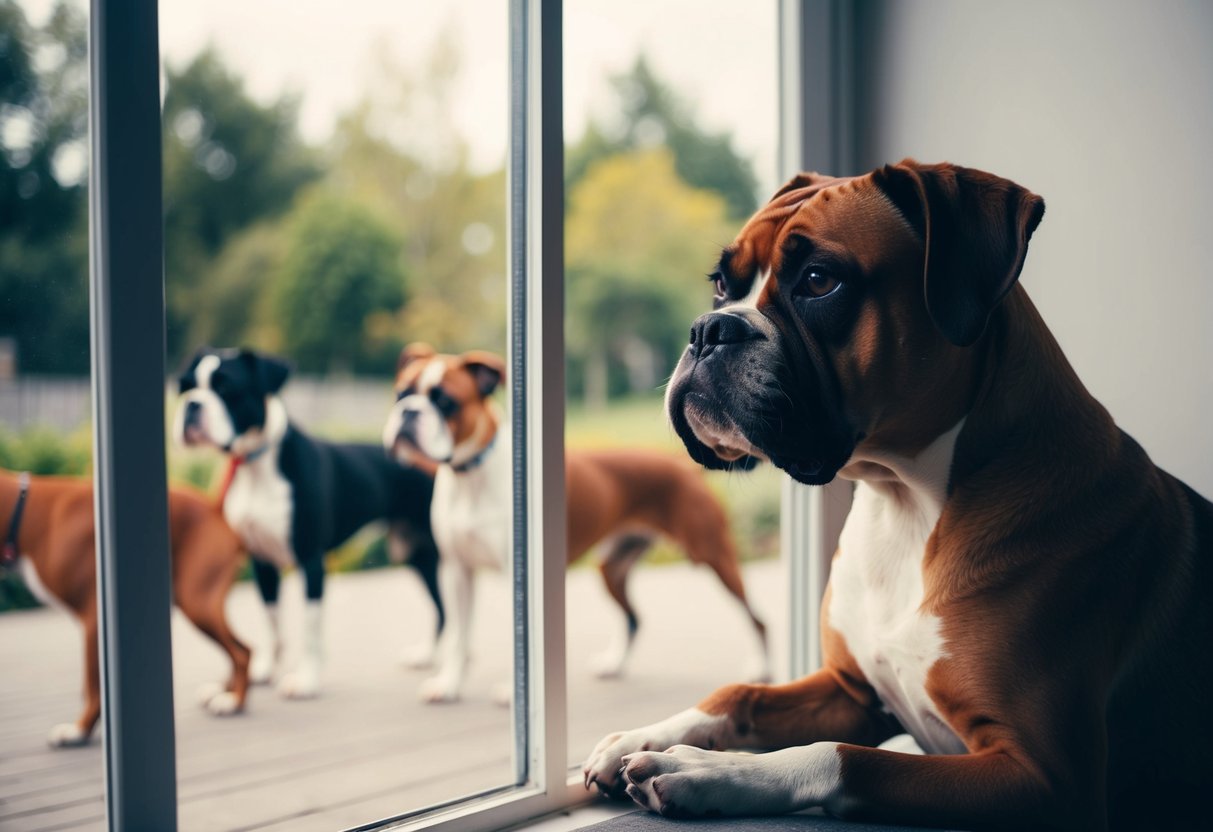
Taking care of your boxer dog involves more than just feeding and exercising them. It’s important to focus on their health through regular vet check-ups and to ensure they are well socialized. Both aspects play a crucial role in your dog’s happiness and behavior.
The Importance of Regular Vet Check-Ups
Regular visits to the veterinarian are key for your boxer’s health. These check-ups help catch any potential health issues early on, which is especially important for breed-specific conditions like autoimmune thyroid disease.
During these visits, your vet can monitor your boxer’s weight and discuss diet and exercise plans. They can also provide vaccinations and preventive care. If your boxer puppy shows signs of excessive crying, a vet can help rule out any health concerns.
Keeping a schedule for vet visits is essential. Aim for annual check-ups, and don’t hesitate to consult your vet if you notice changes in behavior or health.
Socialization Impacts on Behavior
Your boxer’s development relies on socialization. Exposing your puppy to different environments, people, and other dogs can help them become confident adults.
A well-socialized boxer tends to be more friendly and less aggressive. Ensure your dog experiences various situations from a young age. This could include dog parks, neighborhood walks, and playdates.
Positive interactions shape a boxer’s behavior and can reduce issues like separation anxiety and excessive crying. To help with socialization, you can engage in training classes or join local dog groups.
The more experiences your boxer has as a puppy, the better they will adapt to the world around them.


