
Boxer dogs are known for their playful personality and loving nature. If you’re a proud owner or thinking about bringing one into your home, you might wonder about their drooling habits. Not all Boxer dogs drool excessively, but many may drool more than other breeds due to their unique facial structure.
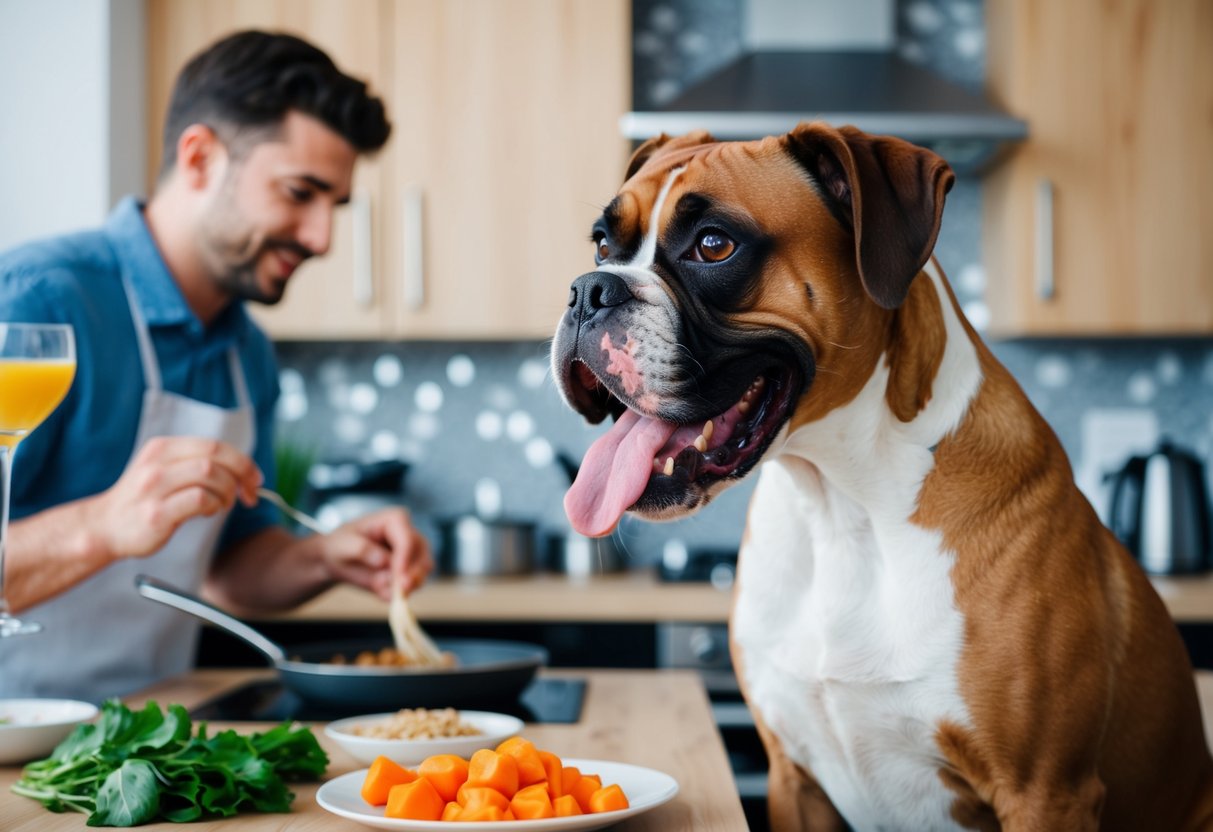
While some Boxers might drool only after drinking water or during play, others may have a tendency to drool more often. Factors such as heat, stress, or even health issues can cause sudden increases in drooling.
It’s essential to understand these behaviors to keep your furry friend healthy and comfortable.
Whether you’re curious if your Boxer will be a slobbery companion or if you’re trying to manage drool, knowing what to expect can help you better care for your pet.
Dive deeper into the reasons behind Boxer drooling and tips to manage it throughout this article.
Understanding Drooling in Boxer Dogs

Drooling is a common behavior in many dogs, including Boxers. Understanding why your Boxer might drool will help you manage it better. Let’s explore the reasons behind this slobber and how Boxers compare to other breeds.
What Causes Drooling?
There are several reasons why Boxers drool. One main cause is the structure of their mouths. Boxers have loose lips that can cause saliva to pool, leading to drooling. While some drooling is normal, excessive drooling can signal health issues.
Common causes include:
- Food Anticipation: Your Boxer may drool when they see food.
- Anxiety: Stressful situations, like loud noises, can cause drooling.
- Health Conditions: Issues with salivary glands or mouth pain may lead to more saliva being produced.
Keep an eye on your Boxer’s drooling habits. If you notice a sudden increase, it might be time to visit the vet.
Comparing Boxers with Other Breeds
Boxers are not the only breeds known for drooling. Breeds like the Saint Bernard, Bloodhound, Bulldog, Newfoundland, Bullmastiff, and Great Dane are also notorious for their slobber. Boxers tend to drool less than these drool-heavy breeds, but they still have their moments.
For example, the Newfoundland is one of the drooliest breeds, producing a lot of slobber during hot weather or after drinking. In contrast, while Boxers may drool more than breeds like the Chihuahua, they usually don’t create as much mess as Bullmastiffs.
Each breed’s mouth structure and temperament play a big role in how much they drool.
Possible Health Concerns Linked to Drooling
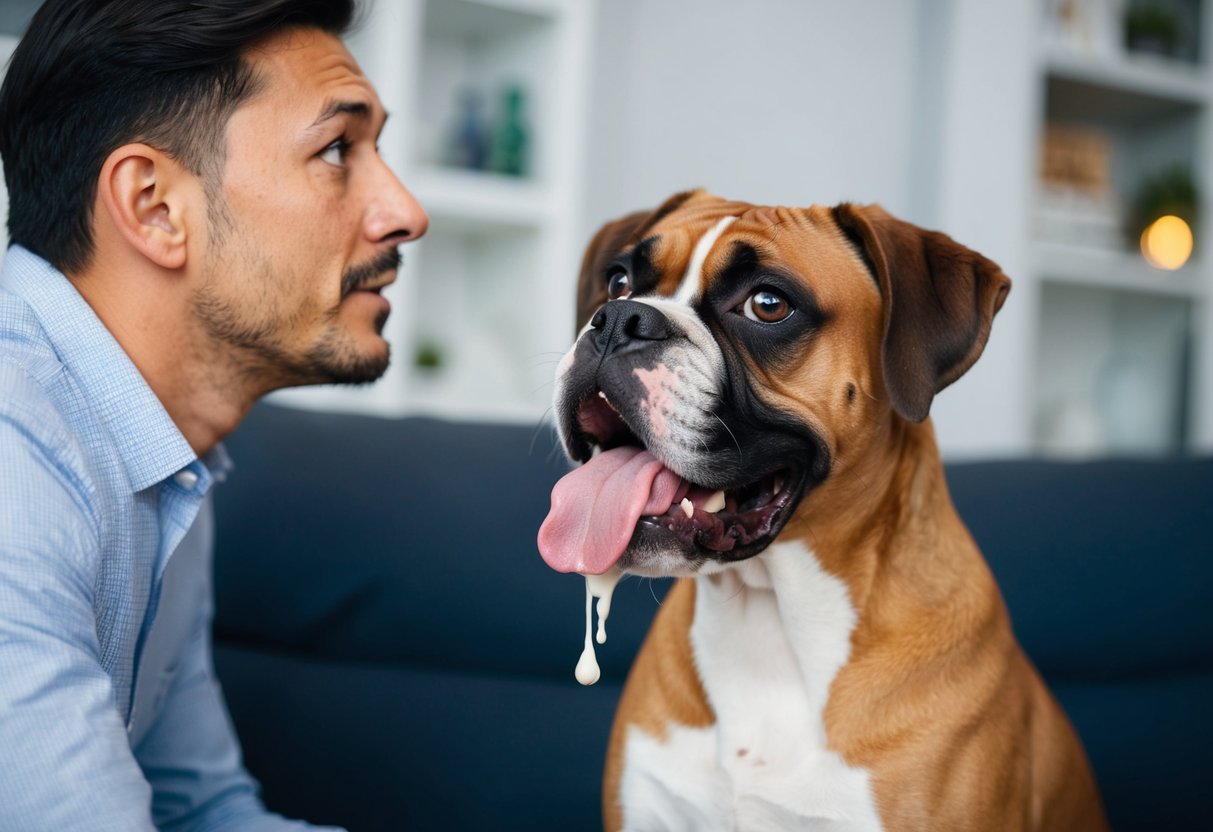
Excessive drooling in Boxers can signal several health concerns. It’s important to observe your dog closely, as drooling may indicate underlying dental or medical issues that need attention.
Dental and Gum Issues
Dental problems are a common cause of drooling in Boxers. Issues such as gum disease or tooth infections can result in mouth pain, leading your dog to drool more than usual. Signs of dental issues include bad breath and difficulty eating.
Regular dental care is essential. Brushing your dog’s teeth and scheduling professional cleanings can prevent serious problems.
If you notice excessive drooling accompanied by any of these signs, it’s wise to visit your vet for a dental checkup.
Serious Medical Conditions
Excessive drooling can also signal more serious medical conditions. Kidney disease and liver disease are two potential causes that can affect your Boxer’s health. These conditions may lead to nausea, resulting in increased salivation.
Rabies is another serious concern linked to excessive drooling. If your dog shows sudden changes in behavior along with drooling, seek veterinary help immediately.
Monitoring your Boxer’s health is crucial. If you notice ongoing drooling, it’s best to consult your veterinarian to rule out any significant health issues.
Prevention and Management of Drooling
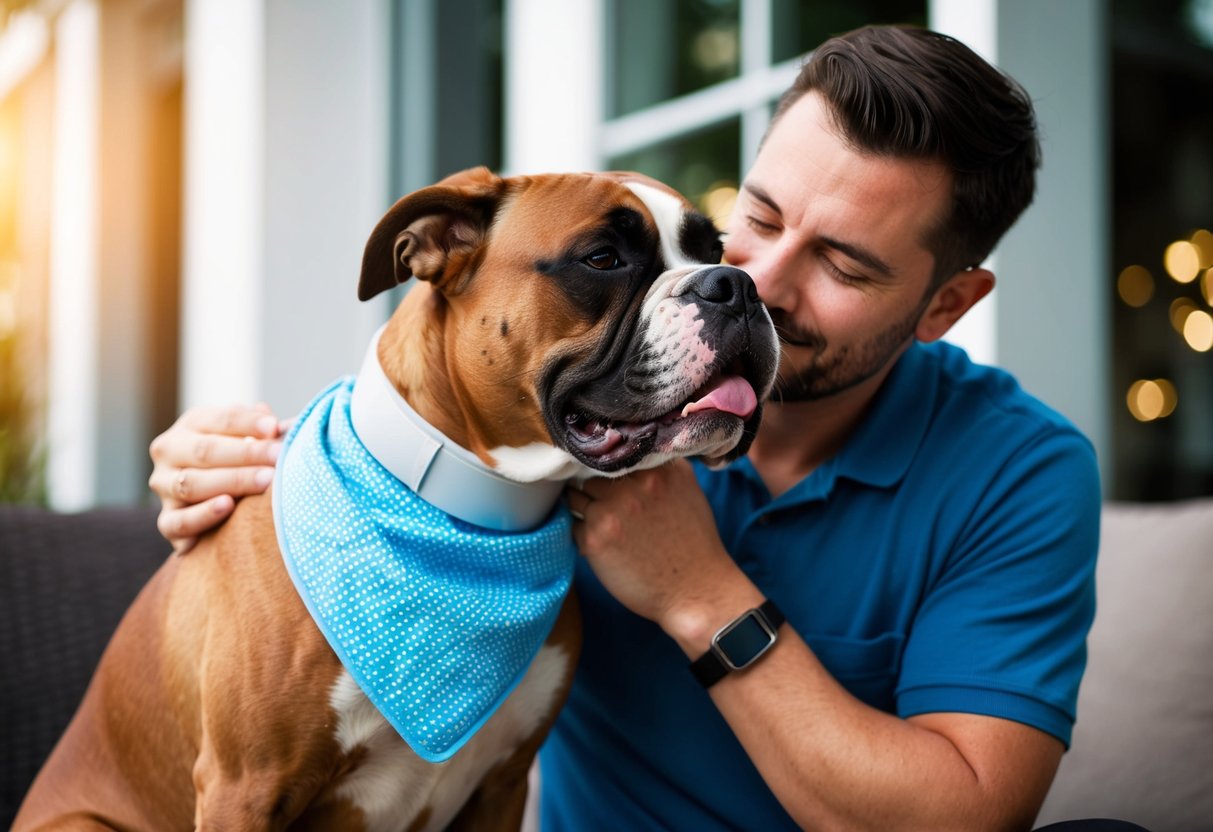
Managing drooling in Boxer dogs can involve several strategies. Focusing on health care and proper training can help reduce excessive drooling while keeping your furry friend comfortable and happy.
Proper Health Maintenance
Regular vet check-ups are essential for your Boxer. Routine examinations can identify potential health issues that may cause excessive drooling. Conditions like mouth pain or heat stroke can lead to increased saliva production.
Make sure your dog is up to date on vaccinations and dental care. Poor dental health can cause discomfort, leading to more drooling.
Additionally, watch for signs of anxiety, as stressed dogs may drool more.
Provide a balanced diet to prevent food anticipation drooling. Switching to high-quality food can help maintain health and reduce drooling linked to hunger or anxiety. Always consult your vet for diet changes.
Training and Socialization
Training your Boxer is crucial to managing drooling. Early socialization can help your dog become more comfortable in various settings. A relaxed dog is less likely to drool excessively due to anxiety or fear.
Use positive reinforcement techniques to teach commands and encourage calm behavior.
Gradually introduce your dog to different environments and situations to reduce stress.
Engaging in regular exercise is important as well. Overexertion can lead to drooling, especially in hot weather. Make sure your dog has plenty of water and breaks during play or walks.
Always keep an eye on your Boxer’s condition in heat to avoid heat-related drooling.
When to Seek Veterinary Help
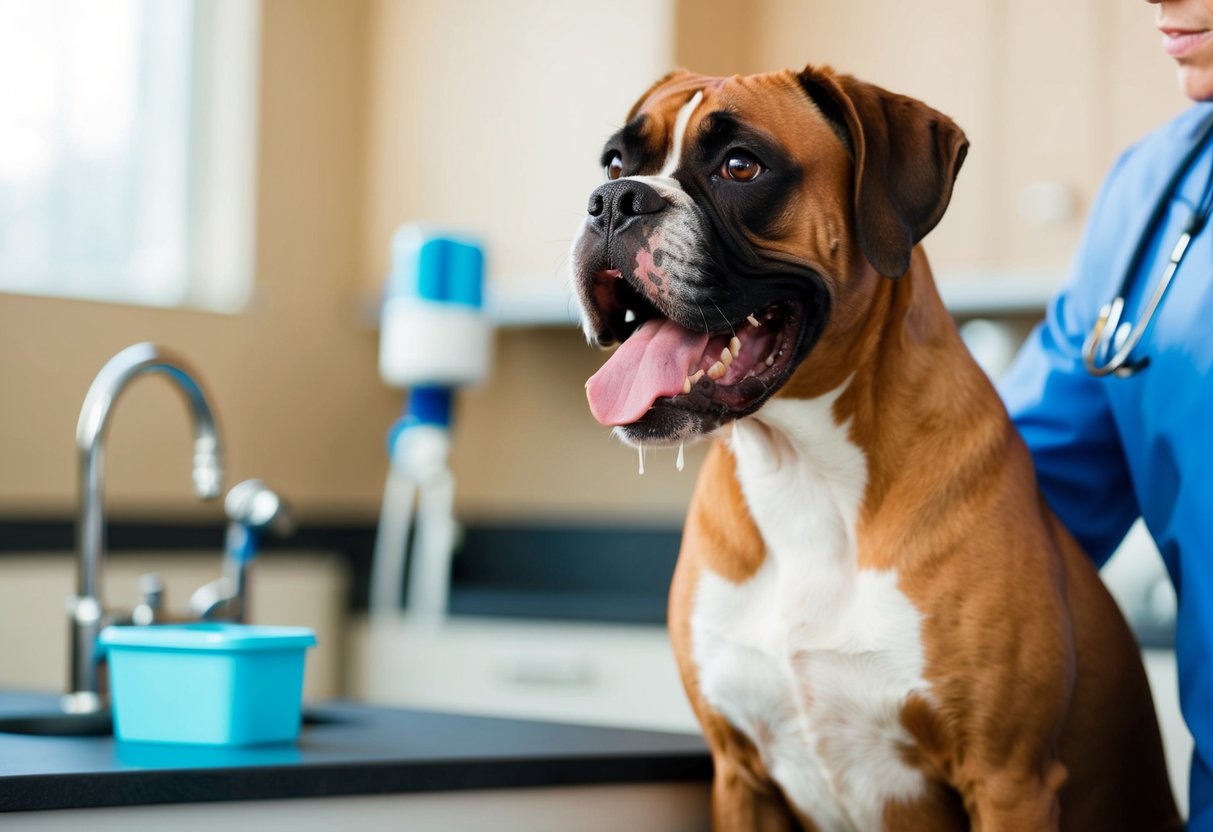
If your Boxer is drooling more than usual, it’s important to pay attention. Excessive drooling can signal underlying health issues. Recognizing when this is abnormal and knowing the right actions to take can help keep your dog healthy.
Recognizing Abnormal Drooling
Normal drooling in Boxers is common, but be alert for signs of something more serious. If your dog starts drooling suddenly or excessively, it may indicate issues like bloat, kidney disease, or liver disease.
Look for these warning signs:
- Change in behavior: Is your dog acting strangely or lethargic?
- Signs of pain: Are they whining or showing discomfort?
- Loss of appetite: Has your Boxer lost interest in food or water?
Infections such as rabies can also lead to increased drooling. If any of these symptoms are present, note them to discuss with your vet.
Immediate Actions and Treatment
If your Boxer shows abnormal drooling, don’t wait to act. Start by assessing any recent changes in their environment. Did they eat something they shouldn’t have? Exposure to toxic plants or cleaners can cause drooling.
Next, contact your veterinarian right away. Provide details about the drooling and any additional symptoms.
Your vet may recommend bringing your dog in for an examination. They might conduct tests to rule out serious conditions.
Treatment will depend on the underlying cause. For example, if it’s linked to an infection, they may prescribe medication.
Prompt action can make a significant difference in your pet’s health. Always trust your instincts; it’s better to be cautious when it comes to your Boxer’s wellbeing.


