
As a Boxer owner, you might wonder how much sleep your furry friend needs to stay happy and healthy. Adult Boxers typically need between 10 to 14 hours of sleep each day to support their energetic lifestyle. Understanding their sleep patterns can help you ensure that your Boxer gets the quality rest they require to recharge.

Boxers are known for their playful and active nature, but they also need ample time to rest. Factors like age, health, and daily activity levels can impact their sleep needs. Puppies, for instance, may need up to 18 hours of sleep daily due to their rapid growth and development.
Knowing how to create a comfortable sleep environment for your Boxer can greatly affect the quality of their rest. You’ll want to ensure they have a cozy, quiet place to relax, allowing them to indulge in those much-needed naps. With the right balance of play and rest, your Boxer will be well on their way to a happy and healthy life.
Understanding Sleep Patterns in Boxers

Boxers have unique sleep patterns influenced by their age, activity level, and overall health. Knowing their sleep needs is crucial for keeping them happy and healthy.
Normal Sleep Requirements for Adult Boxers
Adult Boxers typically need 12 to 14 hours of sleep each day. This may seem surprising given their energetic nature, but they sleep differently than humans.
Boxers don’t sleep in one long stretch. Instead, they take several naps throughout the day. Your Boxer might sleep soundly after playing or exercising. Monitoring their sleep routine can help you understand their needs better.
It’s important to provide a comfortable sleeping area. A soft bed in a quiet spot can make a difference. If your dog seems restless or overly sleepy, consult your vet. This can help ensure they are healthy and getting the sleep they need.
Comparing Boxers’ Sleep Needs With Other Dogs
When compared to other dog breeds, Boxers have similar sleep patterns to those with high activity levels, like German Shepherds and Labrador Retrievers. Most active breeds need about 10 to 14 hours of sleep daily.
Puppies, on the other hand, require even more sleep—up to 18 hours a day. As they grow, sleep becomes essential for their development.
Understanding these differences helps you cater to your Boxer’s needs. Providing plenty of playtime and rest ensures they stay healthy and happy. Adjust their routine based on their activity level and watch how they respond to changes in sleep.
The Importance of Sleep for a Boxer’s Health and Performance
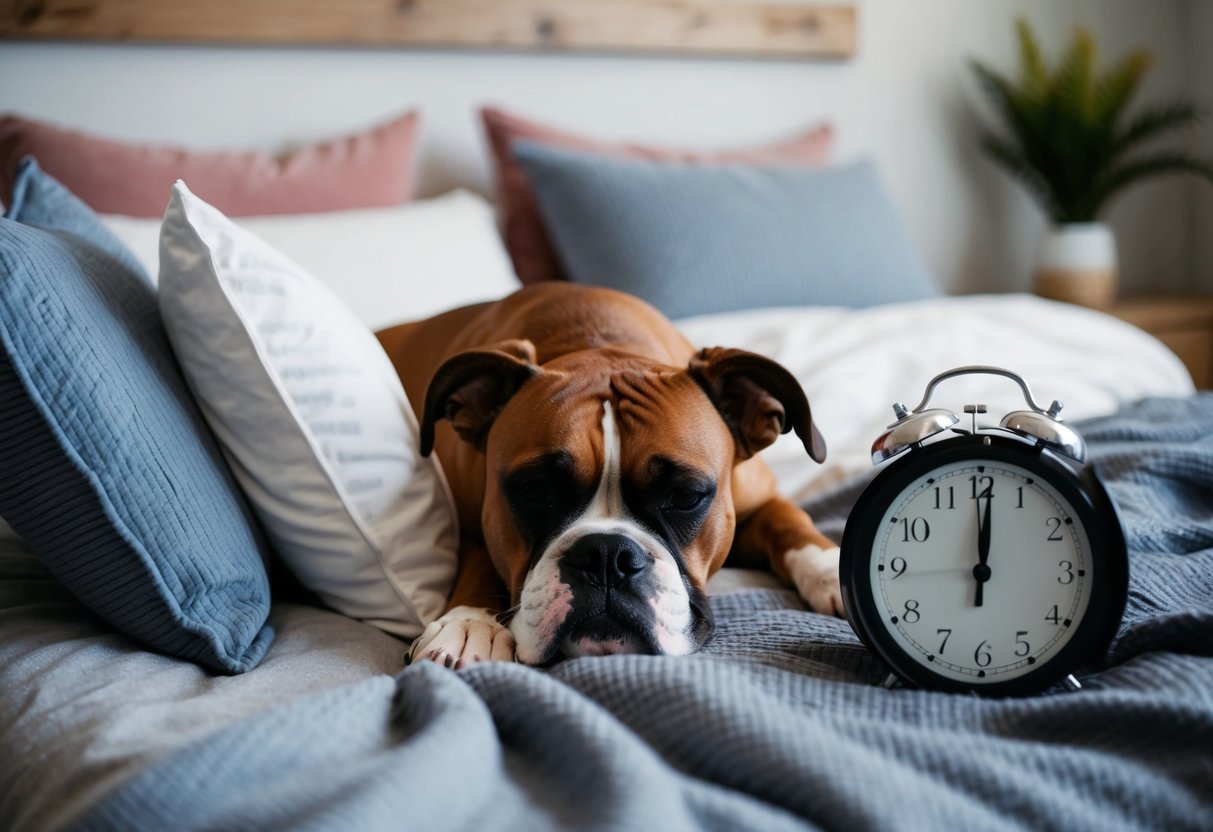
Sleep plays a vital role in your recovery and enhances your performance in the ring. Good sleep improves energy levels and helps with mental focus. Without enough rest, you could face several challenges that impact your success as a boxer.
Improving Recovery and Strength
When you sleep, your body begins to heal and recover. This is crucial after intense training sessions. During deep sleep, muscle repair occurs, and energy stores are replenished.
Getting enough rest can boost your strength and speed, directly affecting your performance. Boxers typically need 7-9 hours of quality sleep each night to allow these processes to happen effectively. If you skimp on sleep, you might notice a decline in your recovery rate, making it tougher to push through workouts.
Boosting Mental Health and Alertness
Sleep not only helps your body but also supports your mental health. A good night’s rest improves your focus and cognitive skills. This is essential when you are preparing for a match.
Poor sleep can lead to increased stress and anxiety, which may hinder your performance. You’ll notice that feeling rested keeps you sharper and more alert. You’ll be better equipped to make quick decisions and stay composed during fights. Prioritizing sleep can help strengthen your mental game in the ring.
Mitigating Behavioral Issues Through Adequate Rest
Lack of sleep can also lead to behavioral issues, such as irritability and mood swings. As a boxer, staying calm and composed is key. You want to be in a positive mindset both in training and during matches.
Without enough sleep, you may feel more frustrated and less patient. This could affect your relationships with coaches and training partners. Getting enough rest helps you stay balanced and focused. You can approach your training with a clear mind and positive attitude.
Creating the Ideal Sleep Environment for Boxer Dogs

To help your Boxer get the rest they need, creating the right sleeping environment is essential. Focus on keeping their space quiet and comfortable, as well as establishing a consistent bedtime routine to promote better sleep.
Importance of a Quiet and Comfortable Space
Your Boxer will sleep better in a quiet and comfortable area. Choose a spot that is away from noisy distractions, like the television or busy rooms. This ensures they can relax and recharge without interruptions.
A cozy dog bed is crucial. It should provide support and warmth, as Boxers can have health conditions related to their joints. Adding blankets can make the space feel snug, while a quiet corner can help them nap during the day too.
Remember to keep the room temperature comfortable—not too hot or too cold. Boxes are medium-sized dogs, and they appreciate a soft, serene area to rest.
Establishing a Consistent Bedtime Routine
Establishing a consistent bedtime routine is key for helping your Boxer feel secure and ready for sleep. Just like with humans, dogs thrive on routine.
Start by setting a specific bedtime. Activities like a gentle walk or quiet playtime can signal that it’s getting close to sleep. Ensure you have a calm environment as you prepare for sleep, as this will help ease their transition.
As part of their daily routine, consider scheduling regular nap times during the day. This helps them to recharge and prevents overtiredness at night. When activities wind down before bed, your Boxer will learn to associate these signals with time for sleep, leading to a more restful night.
Addressing Sleep Issues and Enhancing Sleep Quality

Boxers need enough sleep to perform at their best. Poor sleep can affect your performance, mood, and overall health. Here are some tips to help you improve your sleep.
1. Create a Sleep Routine
Stick to a consistent sleep schedule. Try to go to bed and wake up at the same time every day. This helps set your body’s internal clock.
2. Limit Mental Stimulation Before Bed
Avoid screens and intense activities at least an hour before bedtime. Instead, consider relaxing activities like reading or meditation to help you unwind.
3. Adjust Your Activity Level
Regular physical activity can help you fall asleep faster and enjoy deeper sleep. Just be sure to finish exercising a few hours before bedtime to avoid being too energized to sleep.
4. Improve Your Sleeping Environment
Make your bedroom comfortable and dark. Use blackout curtains and keep the room cool to promote better sleep.
5. Track Your Sleeping Habits
Keep a sleep journal. Note how long you sleep and how you feel each day. This can help you identify patterns and make necessary changes.


