
If you’ve noticed your boxer dog drinking a lot of water, you might be wondering why. Boxers, like all dogs, need proper hydration to stay healthy. Increased water intake in boxers can be due to several reasons, including hot weather, exercise, and even their unique body systems.
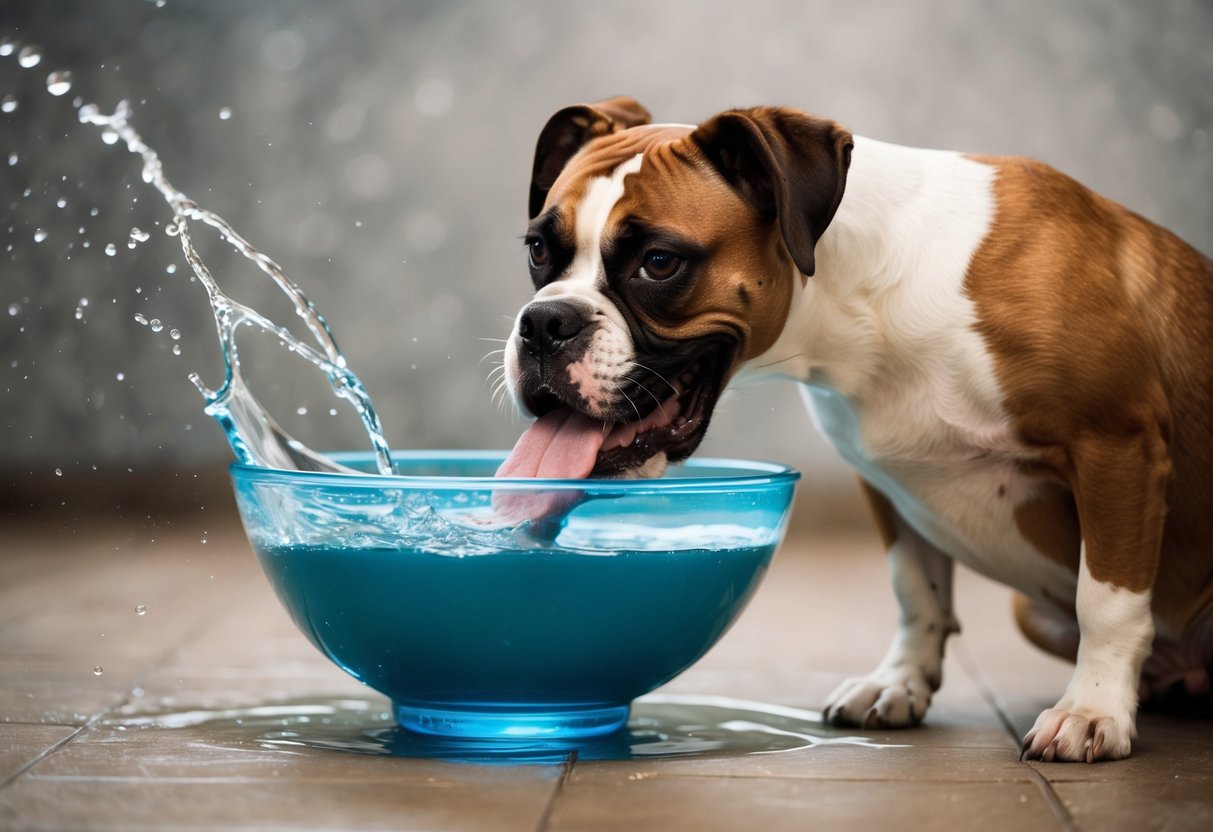
Understanding your boxer’s drinking habits can help you ensure they’re getting the right amount of hydration. Sometimes, excessive thirst can signal underlying health issues. It’s important to monitor how much water your boxer is consuming to keep them feeling their best.
As you delve into why your boxer may be drinking so much water, you’ll discover ways to support their health and well-being. Keeping an eye on their hydration needs not only helps your furry friend stay active but also gives you peace of mind as a devoted pet owner.
Understanding Canine Hydration and Thirst
Keeping your Boxer properly hydrated is essential for their health and well-being. Understanding how much water they need and the signs of adequate hydration will help you ensure your dog stays comfortable and healthy.
Why Hydration is Key for Boxers
Hydration is crucial for all dogs, including Boxers. They are active dogs that require sufficient fluids to support their energy levels and body functions. Dehydration can lead to serious health issues.
A Boxer should drink about 1 ounce of water per pound of body weight daily. For example, a 60-pound Boxer needs around 60 ounces of water each day. Certain factors may increase their water needs, such as hot weather, exercise, or illness.
Pay attention to signs of dehydration, like:
- Dry gums
- Loss of skin elasticity
- Lethargy
If you notice these symptoms, it’s important to encourage your dog to drink more water.
How to Assess Adequate Water Intake
To assess if your Boxer is drinking enough water, monitor their daily water intake. Fill their bowl with fresh water and check how much they drink over a day. If they consistently drink very little, consult your vet.
Another sign of adequate hydration is your dog’s urine. It should be pale yellow. Dark urine can indicate dehydration, while excessively clear urine may suggest overhydration.
You can also use these tips to ensure proper hydration:
- Offer fresh water daily
- Consider wet dog food, which has higher moisture content
- Observe your dog’s thirst and behavior
Being proactive about your Boxer’s hydration can help prevent health issues and keep them happy.
Medical Reasons for Increased Thirst in Boxers
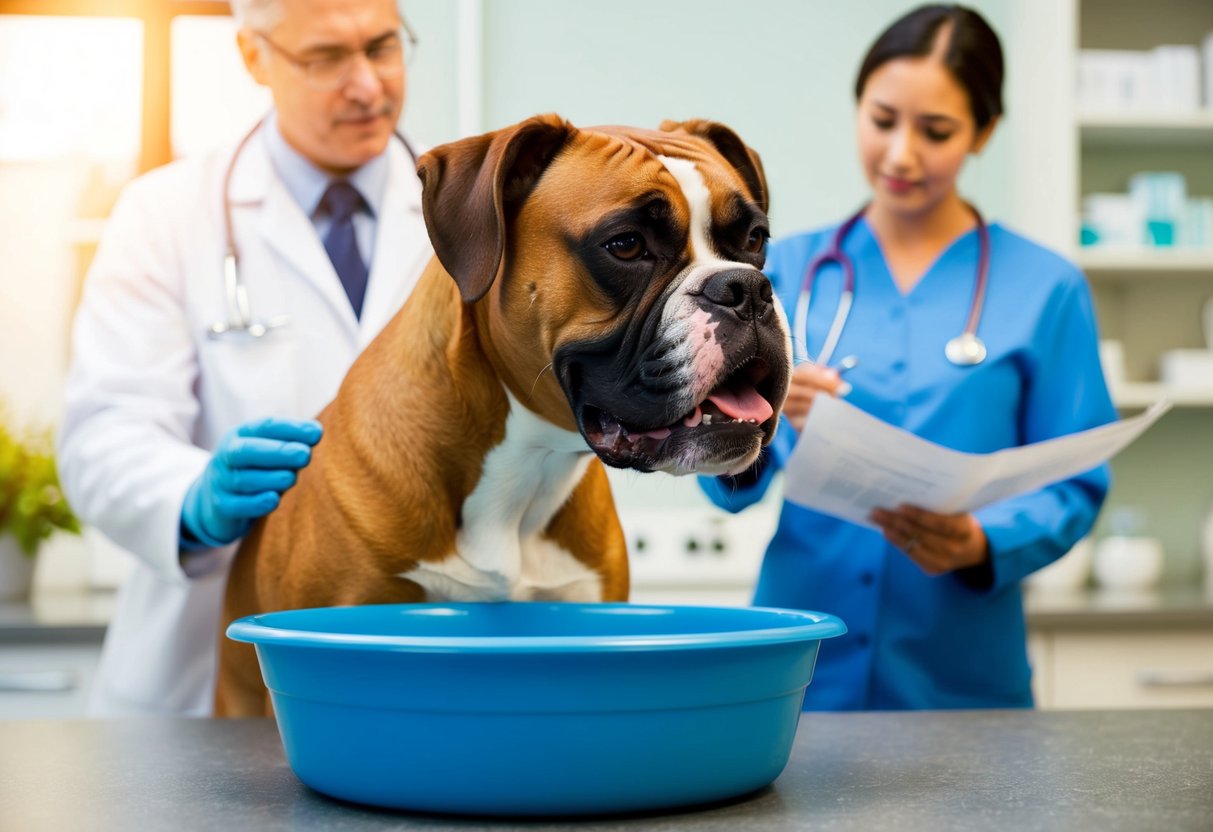
If your Boxer drinks a lot of water, it may be a sign of an underlying health issue. Several medical conditions can lead to increased thirst, so it’s important to recognize the symptoms and seek help when needed.
Common Ailments Linked to Excessive Drinking
Several conditions may cause your Boxer to drink more water than usual. One common issue is kidney disease. When the kidneys fail to filter urine properly, your dog may drink more to compensate for water loss.
Diabetes mellitus is another concern. In this condition, high blood sugar levels prevent the body from using sugar for energy. As a result, excess sugar is expelled in urine, causing your dog to drink more.
Cushing’s disease can also increase thirst. This disease disrupts hormone balance, leading to increased drinking and urination. Other issues like liver disease and pyometra can contribute to excessive drinking as well.
When to Consult a Vet for Drinking Habits
You should talk to a vet if you notice your Boxer drinking significantly more than usual. If they drink more than 100 ml/kg/day, it could indicate a serious health issue.
Keep an eye out for other symptoms, such as lethargy, weight changes, or frequent urination (polyuria). These signs can help a vet in diagnosing conditions like juvenile diabetes mellitus or diabetes insipidus.
Early intervention can make a big difference in your Boxer’s health. If you suspect diabetes or any other issue, don’t hesitate to reach out for professional advice.
Behavioral and Environmental Influences
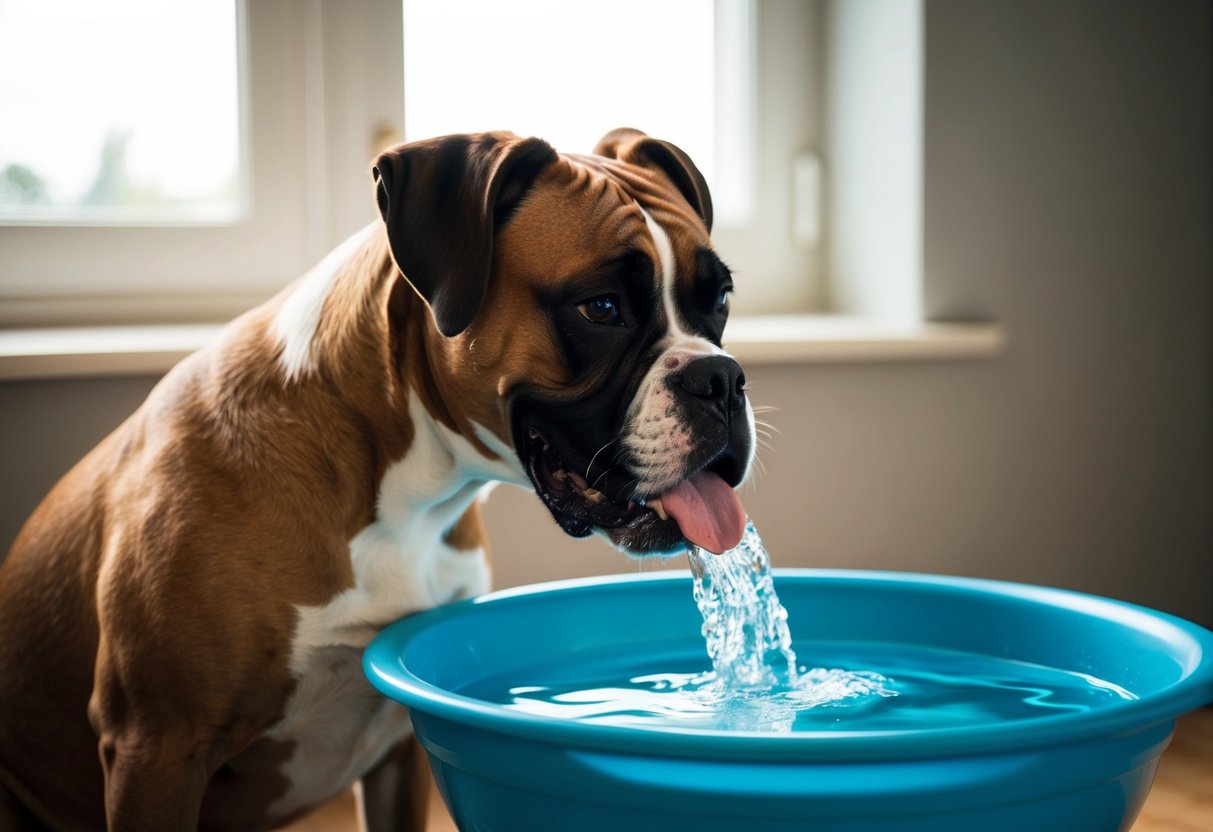
The way your Boxer dog behaves and the environment they live in can greatly affect their water consumption. Factors like stress, diet, and activity level play a key role in how much water they drink.
Identifying Psychogenic Polydipsia
Psychogenic polydipsia is a condition where dogs compulsively drink more water than needed. When your Boxer is stressed or anxious, it might turn to water as a comfort. This behavior is not linked to medical issues but can lead to excessive drinking.
Watch for signs like constant pacing or changes in behavior. If your dog drinks an unusual amount of water without clear reasons, it may be time to consult your vet. Creating a calm atmosphere can help reduce anxiety and the urge to drink excessively.
Impact of Diet and Activity on Water Consumption
Your Boxer’s diet directly influences their water needs. For example, dry food generally contains less moisture than wet food. If your dog mostly eats dry kibble, they will require more water to stay hydrated.
Additionally, the activity level matters. A more active Boxer will need extra water, especially in warm weather. Be aware of these factors to ensure your pet stays hydrated. Always provide fresh water and monitor your dog’s intake to guard against potential health issues.
Monitoring and Managing Your Boxer’s Water Intake
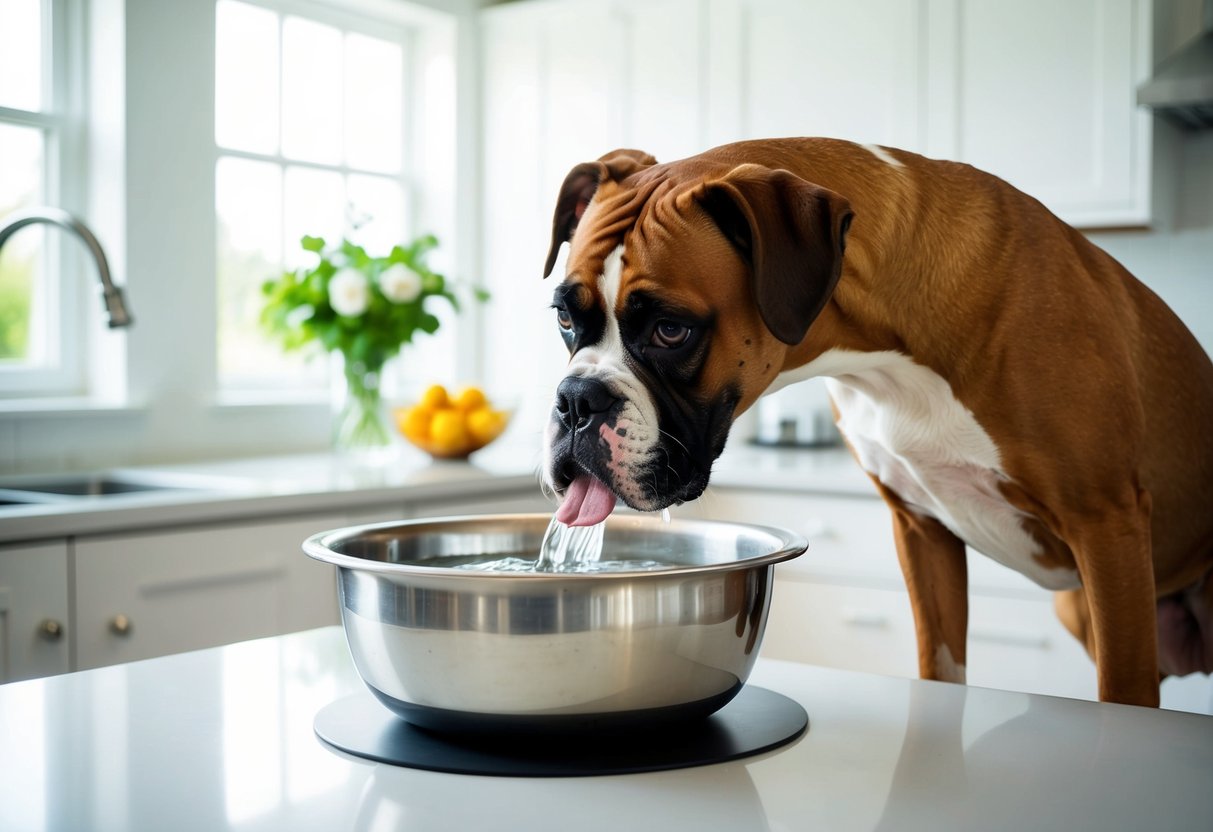
Keeping an eye on your Boxer’s water intake is crucial for their health. By tracking how much they drink and working with your vet, you can address any issues before they become serious. Here are some important tips to help you manage their water consumption effectively.
Tips for Regulating Water Consumption
Start by measuring the amount of water your Boxer drinks each day. The average guideline is about 1 ounce of water for every pound of body weight. If your dog weighs 60 pounds, aim for roughly 60 ounces daily.
Consider factors that might increase their need for water, such as hot weather, exercise, or food types. If your Boxer seems to be drinking much more than this, it might be a sign of a condition like polydipsia, which can result from stress or medical issues.
Observe their behavior. If they frequently drink without being active, consult your vet. Conditions like urinary tract infections or hypercalcemia can lead to excessive thirst. A blood test can help identify any underlying problems, such as issues with the adrenal glands or skin infections.
The Role of Regular Vet Check-Ups
Regular vet visits are essential for your Boxer’s health, especially if you notice changes in their drinking habits. Discuss any concerns you have about their water intake with your vet during these visits.
They may recommend tests, including a blood test, to check hormone levels and organ function. For example, high cortisol levels can indicate problems with the adrenal glands and may lead to increased thirst and urination.
By monitoring your dog’s health and having ongoing discussions with your vet, you can ensure any medical issues are addressed promptly. Keeping up with these check-ups is crucial for maintaining your Boxer’s overall health and well-being.


