
Choosing the right dog can feel overwhelming with so many breeds available, each with unique traits. When thinking about which dog is best in everything, the Labrador Retriever often tops the list. This breed is known for its friendly nature, intelligence, and ability to adapt to various lifestyles, making it an excellent choice for families, singles, and seniors alike.
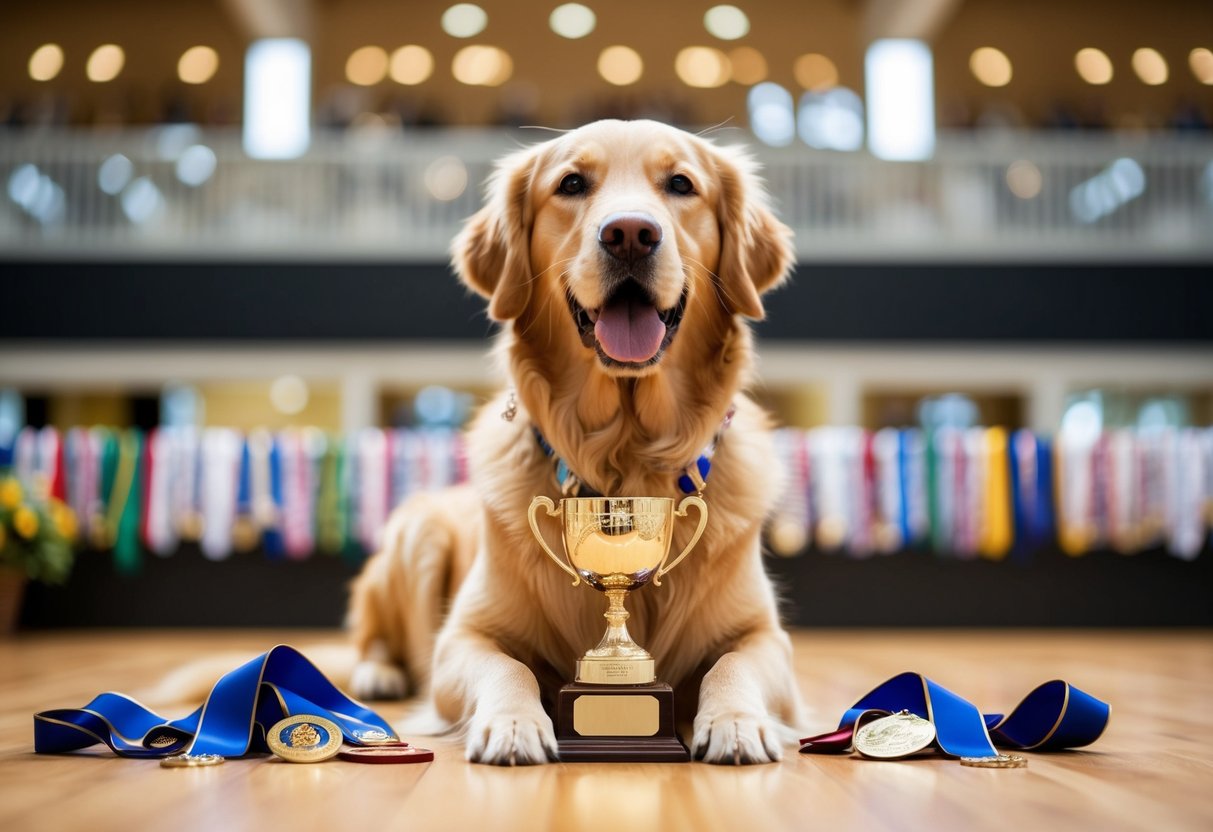
As a popular dog breed, Labradors enjoy being involved in activities, whether that’s fetching a ball in the park or snuggling on the couch. Their versatility and eagerness to please mean that they can fit into almost any home situation, providing companionship and loyalty. This makes them not just pets, but true family members who thrive in both active and relaxed environments.
While all dog breeds can bring joy and love, the key is finding one that matches your lifestyle. By exploring options and understanding each breed’s strengths, you can make a confident choice about which dog will be your best friend in everything you do.
Understanding Dog Breeds and Their Traits
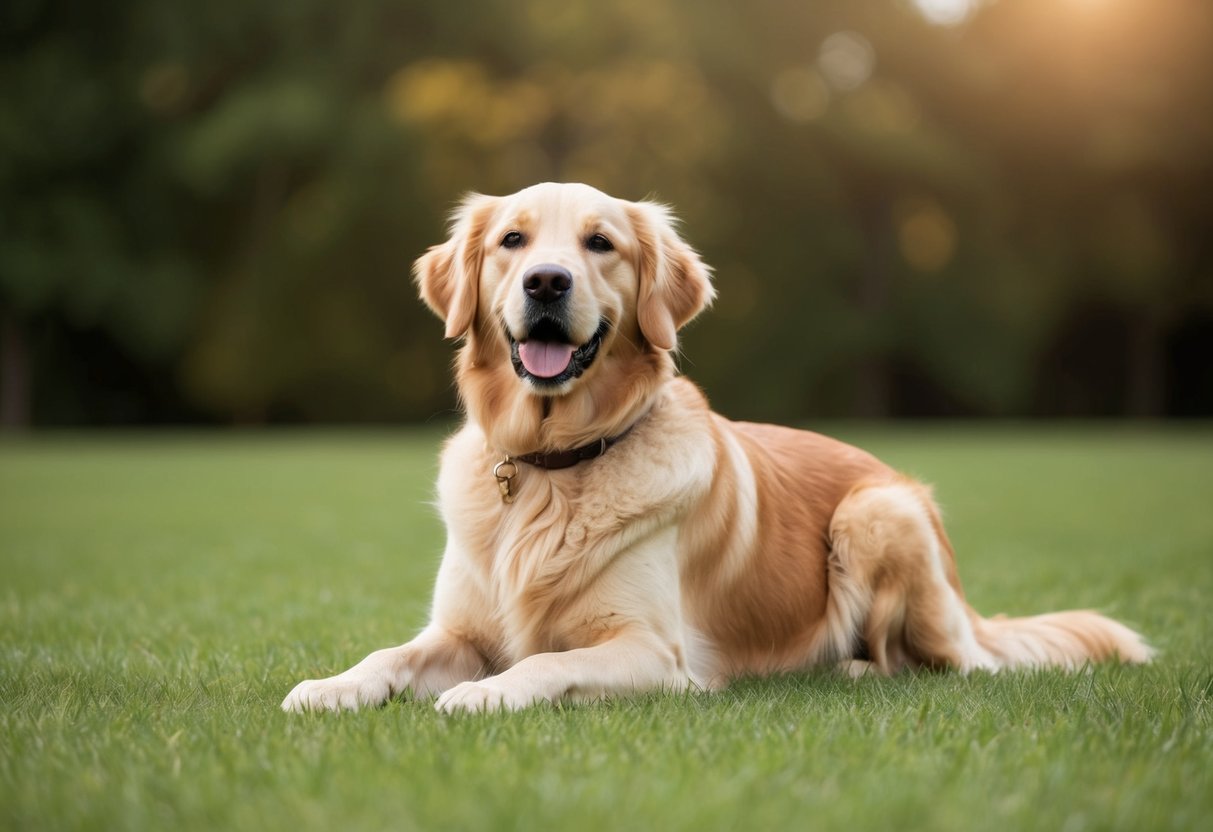
Choosing the right dog involves understanding their unique characteristics. Each breed has different traits, energy levels, and grooming needs. Knowing these factors can help you find the best fit for your lifestyle.
Popular Dog Breeds and Their Characteristics
Some popular dog breeds offer distinct personalities and traits. For example, the Labrador Retriever is known for being friendly, intelligent, and eager to please. They are great family dogs and love to play.
The Golden Retriever shares similar traits, but they are especially good with children. Poodles are highly trainable, making them excellent for active families who want a smart, engaged pet. On the other hand, German Shepherds are loyal and protective, ideal for those looking for a guard dog.
Finally, the Bulldog is calm and gentle, making them perfect for apartment living. Each breed has strengths, so choose one that matches your needs and lifestyle.
Energy Levels and Activity Needs
Energy levels can vary widely among breeds. For instance, Labradors and Golden Retrievers are high-energy dogs that thrive on regular exercise. You’ll need to engage them in daily walks, playtime, or even dog sports to keep them happy.
In contrast, Bulldogs have lower energy levels and are content with shorter walks. They are more relaxed, making them a great choice for those who prefer a less active companion.
Poodles come in standard, miniature, and toy sizes, each with different energy needs. Standard Poodles are energetic, while toy versions may require less activity. Understanding these energy levels is crucial in ensuring a fulfilling life for your dog.
Grooming Needs and Shedding
Grooming is another important factor to consider. Labradors and Golden Retrievers have a double coat, leading to significant shedding, especially during seasonal changes. Regular brushing can help manage the fur around your home.
Poodles, on the other hand, have hair that doesn’t shed much, making them ideal for allergy sufferers. However, they require regular grooming to prevent matting.
German Shepherds also have a thick coat and shed year-round, needing consistent grooming. Bulldogs have short coats, which simplifies grooming, but they can still require regular baths and skin care. Knowing the grooming needs of each breed will help you maintain your dog’s health and appearance.
Matching Dogs to Your Lifestyle

Choosing the right dog involves understanding your daily life and what breeds will fit best. Each dog has unique traits that can match your needs. Here are three types of dogs to consider based on family dynamics and activity levels.
Best Breeds for Families
When searching for a family dog, it’s essential to think about temperament and size. The Labrador Retriever is known for being friendly and patient with children. They are also playful, making them ideal companions.
Golden Retrievers are another top choice. They are gentle and eager to please, plus they’re great in homes with kids. Beagles are smaller, energetic, and very friendly, making them fun for family activities.
Low-Maintenance and Lazy Dog Breeds
If you prefer a dog that requires less exercise and grooming, consider Basset Hounds. They are laid-back, love lounging, and generally need only moderate exercise.
French Bulldogs also fit this category well. They don’t need much grooming and are quite happy with short walks. Their playful nature means they enjoy spending time with you while being low-energy.
Shih Tzus are another good choice. They are adaptable and enjoy relaxing more than running around.
Active and Energetic Dog Breeds
For those with an active lifestyle, Border Collies are one of the best dog breeds. They are highly energetic and require plenty of exercise, making them great for running or hiking.
Australian Shepherds are equally active and love to have a job, whether it’s fetching a ball or participating in agility training.
If you’re looking for a smaller, energetic dog, consider Jack Russell Terriers. They are bursting with energy and are perfect for owners who enjoy lots of playtime and activity.
Health and Longevity Considerations
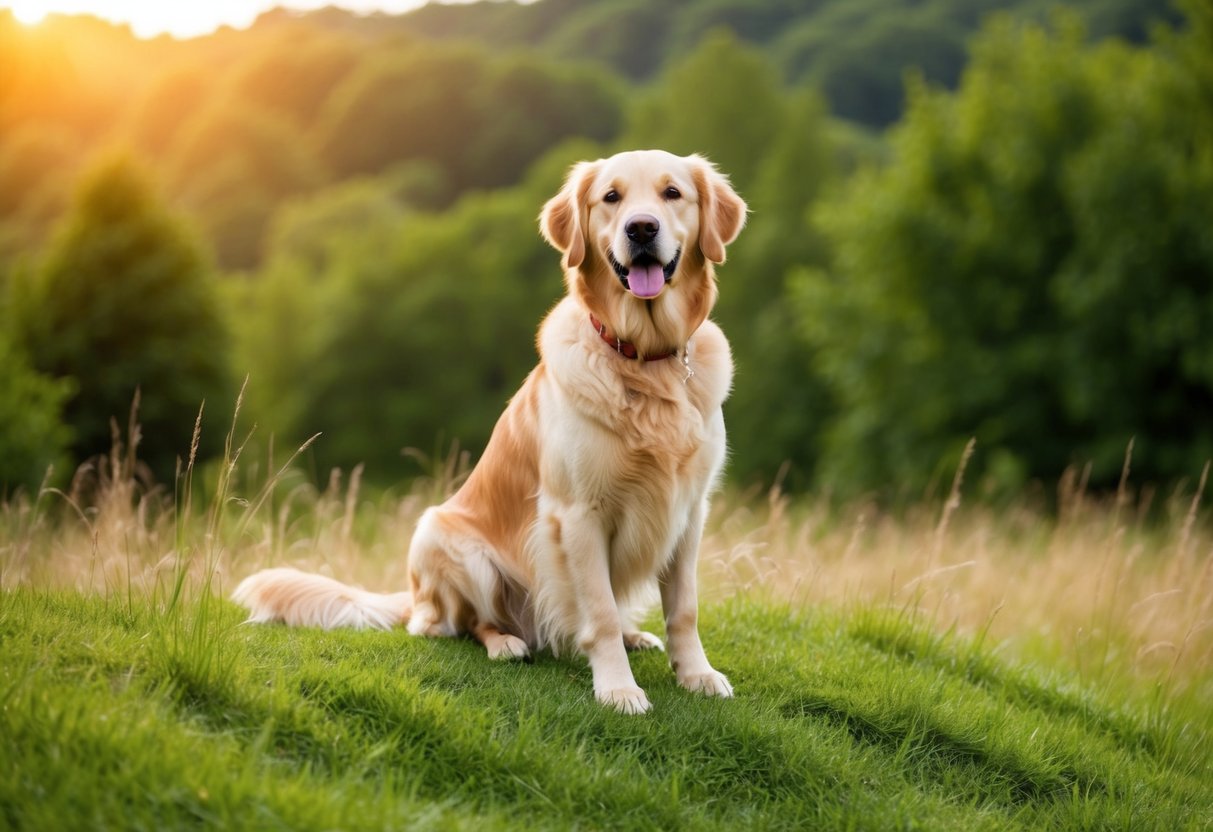
When choosing a dog, health and longevity are crucial factors to consider. Knowing common health issues in popular breeds can help you make informed decisions. Additionally, understanding the importance of genetics and care can lead to a longer, happier life for your dog.
Common Health Issues in Popular Breeds
Many popular breeds face specific health challenges. For example, Labrador Retrievers are prone to obesity, hip dysplasia, and arthritis. Keeping them active and maintaining a balanced diet is essential to avoid these issues.
German Shepherds often suffer from hip and elbow dysplasia, which can lead to mobility problems. Regular check-ups can help catch these issues early.
Bulldogs tend to have respiratory issues due to their brachycephalic (short-nosed) structure. It’s important to monitor their breathing, especially in hot weather.
Lastly, the Bernese Mountain Dog is at risk for certain cancers and hip dysplasia. Early detection and proper care can help manage these conditions effectively.
Importance of Genetics and Care
Genetics play a big role in a dog’s health. Responsible breeding can lower the risk of inherited conditions. Look for breeders who screen for health issues common in their breed. This way, you’re more likely to get a healthy dog.
Proper care is vital too. A well-balanced diet, regular exercise, and routine vet visits can significantly impact your dog’s longevity. For instance, keeping your dog at a healthy weight can minimize the risk of hip dysplasia and other related issues.
Investing time in your dog’s care now can lead to many happy years together. Prioritizing these factors ensures not only a longer life but also a better quality of life for your furry friend.
Training and Companionship
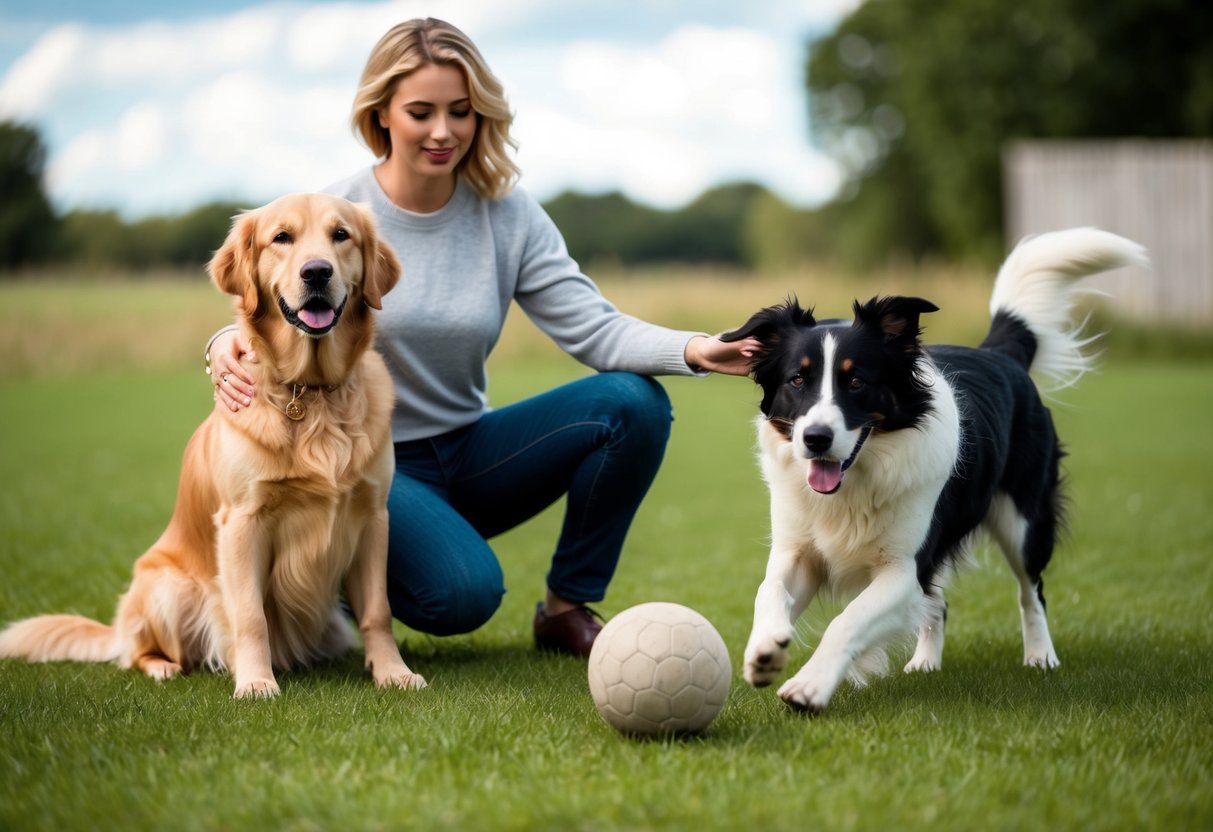
Your dog’s ability to be trained goes hand in hand with the bond you share. Dogs can be both great companions and incredibly useful in various roles. Understanding how to train them effectively can enhance your relationship and ensure they are well-adjusted pets.
Trainability and Positive Reinforcement
When it comes to trainability, some breeds shine more than others. Breeds like the Border Collie and German Shepherd are known for their eagerness to learn and follow commands. They respond well to positive reinforcement training, where you reward good behavior with treats, praise, or playtime.
Using this method helps build trust between you and your dog. Instead of focusing on punishments, you encourage them to repeat desired actions. This approach not only makes training more enjoyable but also fosters a strong, loving bond with your pet.
Roles of Dogs Beyond Companionship
Dogs can serve in various roles that support human activities. Service dogs assist people with disabilities, providing help with daily tasks. Meanwhile, hunting dogs are bred to assist hunters by retrieving game or tracking scents. The skills these dogs possess result from extensive training tailored to their specific roles.
Your dog can also participate in therapy or emotional support, enhancing the comfort of those in need. Training is essential for these roles, ensuring dogs can perform their tasks effectively. Each role highlights the versatility of dogs as true companions, serving both emotional and practical needs.


