
Choosing a dog that fits your lifestyle can feel overwhelming, especially if you’re a first-time dog owner or live in a small apartment. The good news is that several dog breeds are known for being low-maintenance. Breeds like the Dachshund or French Bulldog are fantastic options if you’re looking for a companion that requires less time and effort in care.
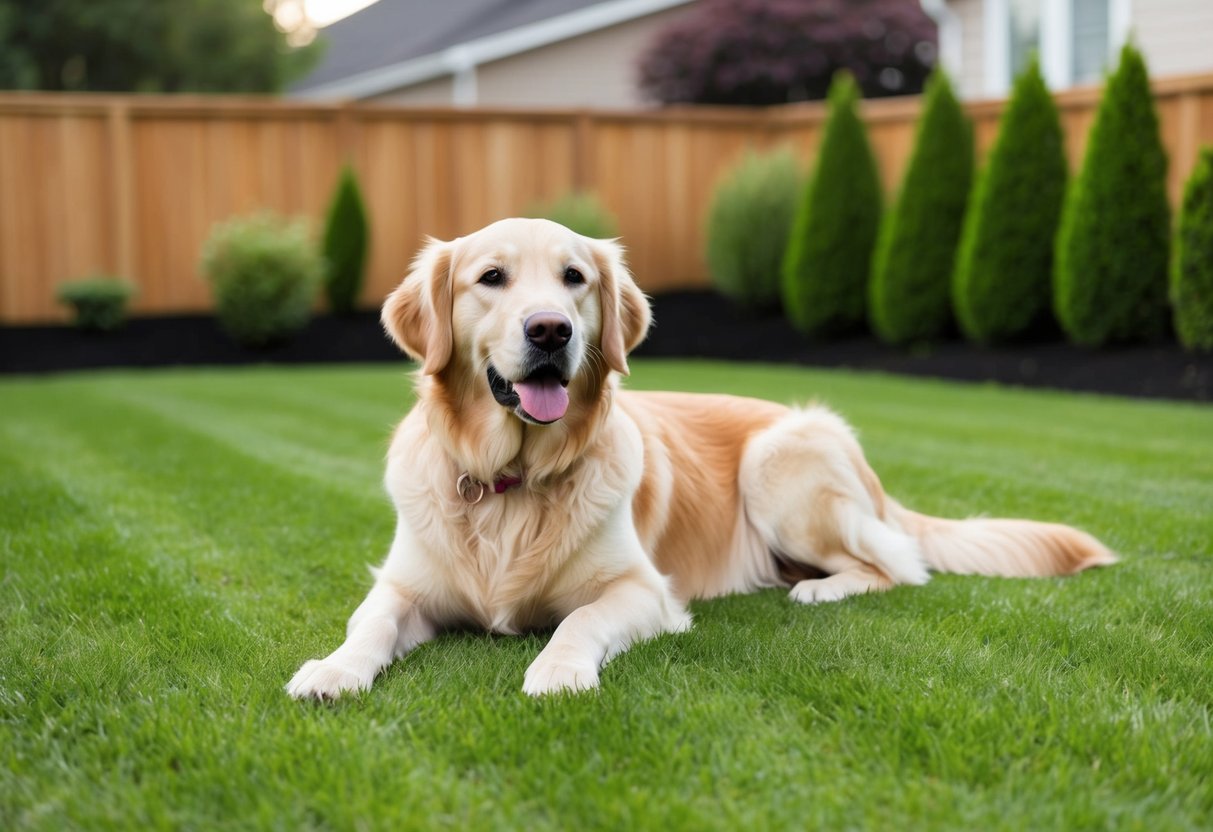
Low-maintenance dog breeds can fit perfectly into busy lives, allowing you to enjoy the joy of dog ownership without the constant demands of grooming or high exercise needs. These breeds tend to have easygoing temperaments and are great for relaxing at home, making them ideal for those who may not have a lot of time for training or play.
When considering the right dog for your situation, think about your daily routine and living space. Selecting a breed that matches your lifestyle will not only make your life easier but will also enhance your experience as a pet owner.
Understanding Dog Maintenance Needs

When considering a dog for your home, it’s important to understand their maintenance needs. Factors like exercise requirements, grooming needs, temperament, and overall health play a critical role in determining how much time and effort you will need to devote to your pet.
Exercise Requirements
Different breeds have different exercise needs. Some dogs require a lot of physical activity, while others are content with a leisurely walk.
- High-Energy Breeds: Breeds like Border Collies and Labradors need extensive exercise, at least 60-90 minutes daily.
- Low-Energy Breeds: Breeds like Bulldogs or Basset Hounds may be satisfied with just a short walk.
Understanding how much exercise your dog needs based on their energy level will help you choose a suitable companion.
Grooming Needs
Grooming is another important aspect of dog maintenance. Some breeds require frequent grooming to keep their coats healthy and clean.
- Low-Maintenance Breeds: Dogs like Beagles need minimal grooming, making them easier to care for.
- High-Maintenance Breeds: Dogs such as Poodles have curly coats that require regular brushing and grooming.
Regular grooming helps reduce shedding, keeps your dog comfortable, and prevents matting.
Temperament and Behavior
A dog’s temperament can greatly affect your lifestyle. Some dogs are naturally calm and adaptable, while others may be more energetic and demanding.
- Calm Temperament: Breeds like the Cavalier King Charles Spaniel are generally well-mannered and adapt well to various living situations.
- Energetic Breeds: Dogs such as Jack Russell Terriers are lively and may need more guidance and training.
Choosing a breed with a temperament that matches your lifestyle is key to a happy relationship.
Health Considerations
Health issues can vary widely among different dog breeds, affecting maintenance and care. Understanding potential health problems can prepare you for future veterinary needs.
- Common Issues: Larger breeds often face hip dysplasia, while smaller breeds may deal with dental problems.
- Regular Checkups: Consistent veterinary visits will help catch any health issues early.
Best Low-Maintenance Breeds for Different Lifestyles

Finding the right dog can be simple when you know what works for your lifestyle. Whether you are part of a busy family, living in an apartment, a first-time dog owner, or looking for a hypoallergenic breed, there are excellent low-maintenance options.
For Busy Families and Working Individuals
If your schedule is packed, consider adopting a French Bulldog or a Boston Terrier. Both breeds are known for their friendly nature and adapt well to family life. They enjoy spending time with you but don’t require excessive exercise.
On the larger side, the Bullmastiff is another great choice. They are calm and lazy indoors, needing just short walks.
The Pug is great for kids too, loving playtime but also happy to nap when the family is busy.
These breeds can thrive in a household with little daily time for dog care.
For Apartment Dwellers
Apartment living means limited space, so smaller breeds like the Chihuahua or Basset Hound are ideal. Both these dogs adapt well to smaller areas and don’t need large yards for play.
The Whippet is also a good option. Despite their athletic build, they are couch potatoes at heart and love relaxing at home.
Another perfect choice is the Greyhound. Surprisingly, they enjoy lounging and only require short bursts of exercise.
These dogs are perfect for city living and still provide warmth and companionship.
For First-Time Dog Owners
As a first-time dog owner, the French Bulldog is highly recommended. They are easy to train thanks to their friendly and eager-to-please nature.
Another friendly breed is the Pug. Their loving disposition makes them great for beginners, and they require minimal grooming, which simplifies care.
The Chihuahua can also be ideal, as they adjust easily to different environments and don’t demand much exercise.
These low-maintenance dogs will help you learn the ropes of pet ownership without overwhelming you.
For Those Seeking Hypoallergenic Dogs
If allergies are a concern, consider Chinese Crested or Basset Hound. The Chinese Crested has hair instead of fur, making it less likely to trigger reactions.
Another hypoallergenic breed is the Whippet. They shed minimally and have short coats that require little grooming.
Though not completely hypoallergenic, some owners find the Bullmastiff a manageable option. Regular baths can help reduce allergens, allowing you to manage your sensitivities better.
Selecting the Right Low-Maintenance Dog for You

Choosing a low-maintenance dog involves careful consideration of several key factors. These include the size of the dog, your activity level, and their personality traits. Understanding these aspects can help you find the best companion that fits your lifestyle.
Size and Space Considerations
When selecting a dog, think about the size of your home and available space. Smaller breeds like French Bulldogs or Pugs can thrive in apartments. They require less room to roam and are ideal for urban living.
If you have a larger home or yard, you might consider medium-sized dogs like Cocker Spaniels. They enjoy some space but can adapt well with minimal exercise.
Size also affects exercise needs. Larger dogs often need more physical activity compared to smaller breeds, which may be satisfied with short walks. Make sure your living situation can comfortably accommodate your chosen breed.
Matching Dog to Owner Activity Level
Your activity level is crucial when choosing a dog. If you lead a busy life or prefer a more relaxed pace, look for dogs with low exercise requirements.
Breeds such as Chihuahuas or Shih Tzus can adapt well to moderate exercise. They enjoy short walks and playtime but don’t need heavy workouts.
On the other hand, if you enjoy outdoor activities, a more energetic breed like a Beagle could be a good match. They are playful and adventurous, needing regular engagement. It’s important that your dog’s energy level aligns with your lifestyle for a happy home.
Personality and Intelligence
The personality of a dog can greatly impact your experience as an owner. Low-maintenance dogs tend to have affectionate and easygoing natures. Breeds like Basset Hounds are often calm and friendly, making them great companions for families.
Intelligence is another key factor. Intelligent dog breeds like Poodles are generally easier to train. They can quickly learn commands and adapt to your routine, which reduces the amount of time spent on discipline.
Look for a breed whose temperament matches your own. If you have a bold personality, a confident dog can be a good fit. If you prefer a more relaxed environment, a gentler breed may suit you better.
Cost of Care and Upkeep
Lastly, consider the cost of care and upkeep for your chosen breed. Some dogs have minimal grooming needs, which can save you both time and money.
Breeds such as Boxers and Greyhounds require less frequent grooming compared to long-haired breeds.
Additionally, consider health care costs. Some breeds are predisposed to certain health issues which may lead to higher vet bills.
Investigating breed-specific health concerns will help you prepare for potential expenses.
Think about your budget for food, grooming, and vet visits to ensure you can provide a good life for your dog.
Finding a low-maintenance dog that fits your financial situation is as vital as matching living space and personality.


