
If you’re considering adding a new furry friend to your family, you might be wondering if Boxers are gentle dogs. Boxers are known for their friendly and affectionate nature, earning them the nickname “gentle giants.” Their playful temperament makes them great companions, especially for families with children.
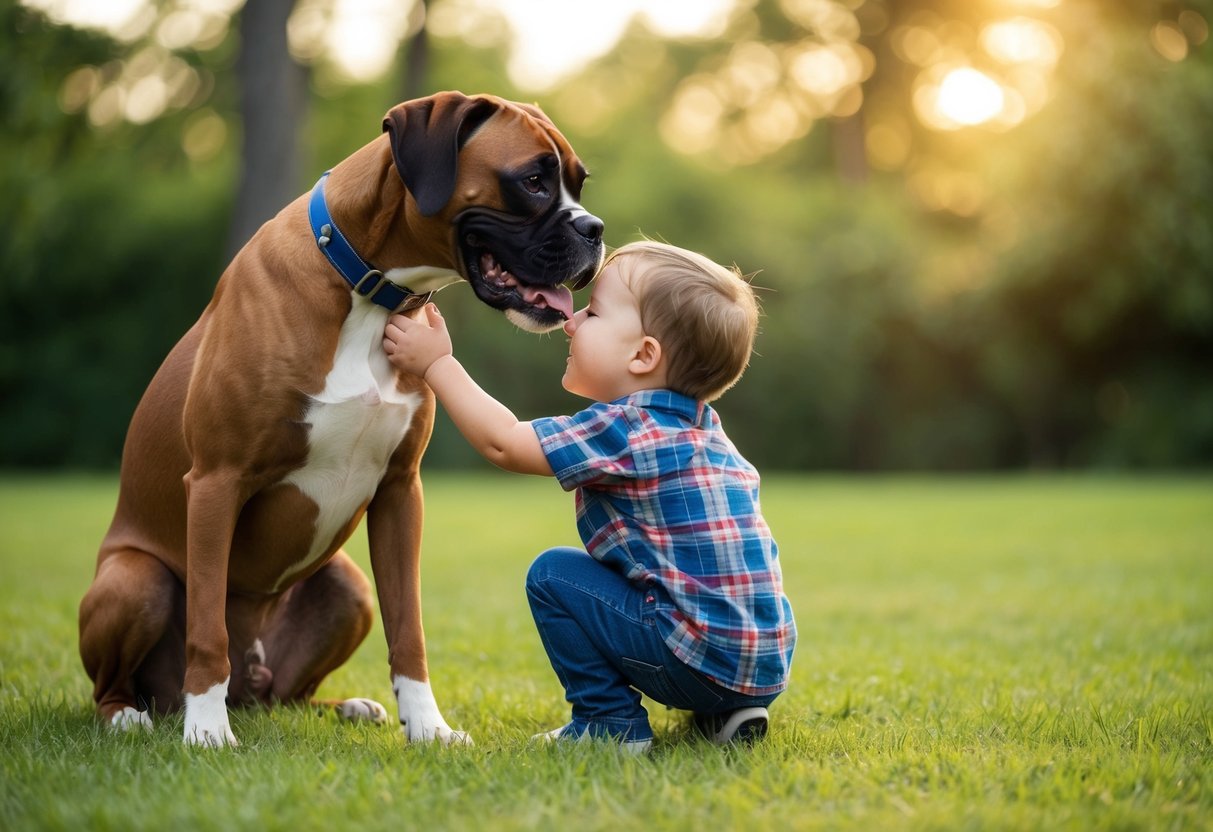
These dogs are not only strong and energetic but also very loving. Their ability to bond with family members is impressive, and they often form strong connections with kids, making them suitable family dogs. You can expect a Boxer to show patience and care, ensuring your home is filled with warmth and laughter.
Understanding the temperament of Boxers will help you appreciate why they have such a special place in many households. By learning more about their personality traits, you can see how they fit into your life and bring joy to your family.
Understanding the Boxer’s Temperament

Boxers are known for their unique blend of traits that make them both lovable and protective. Their natural behaviors, along with early socialization, play a big role in shaping their personality.
Natural Behaviors and Traits
Boxers display a playful nature that keeps them active and engaged. This energetic breed thrives on playtime, so plenty of exercise is essential for their happiness.
They are also known for their affectionate nature, often seeking your attention and companionship.
You’ll notice their loyal demeanor; Boxers bond closely with their families, often acting as guardians. Their protective instincts can make them cautious around strangers, which is a valuable trait to ensure safety.
Boxers are also intelligent dogs. They learn quickly but can be strong-willed, so consistent training is important. This combination of traits contributes to a well-rounded and loving pet.
How Socialization Affects Temperament
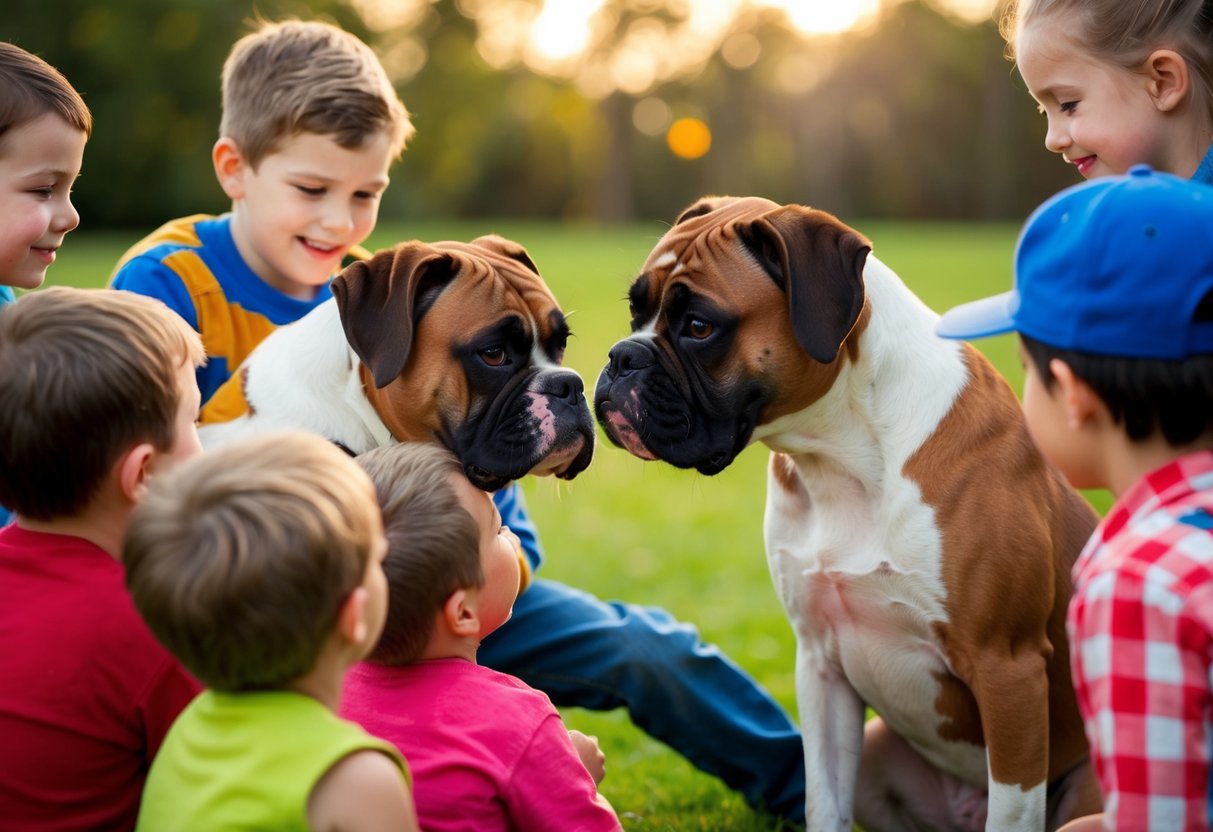
Early socialization is key to ensuring your Boxer develops a balanced temperament. Exposing your dog to various people, pets, and environments helps in shaping their personality.
A well-socialized Boxer learns to be friendly and less fearful of new situations. This helps diminish their natural protectiveness, allowing them to feel more comfortable around unfamiliar faces.
Lack of socialization can lead to unwanted behaviors, such as shyness or aggression. Make every effort to engage with other dogs and people from a young age. Enroll your Boxer in obedience classes or take them to dog parks to encourage positive interactions. The result will be a well-adjusted and sociable companion.
Health and Care for Boxers
Taking care of your Boxer involves regular grooming, a balanced diet, and awareness of common health issues. These steps help ensure your dog remains healthy and happy throughout its life.
Essential Grooming Practices
Boxers have short coats, so they require minimal grooming. Regular brushing, about once a week, helps control shedding and keeps their fur shiny.
Use a rubber grooming glove or a brush designed for short-haired dogs. Bathing your Boxer every few months is generally sufficient unless they get particularly dirty. Always aim to use a gentle dog shampoo to avoid skin irritation.
Don’t forget to check their ears weekly for dirt and wax buildup. Cleaning their ears is important since Boxers are prone to ear issues. Regular grooming promotes good hygiene and strengthens the bond between you and your furry friend.
Diet and Nutrition Tips
Your Boxer needs a balanced diet to maintain their high energy levels. Look for dog food that lists high-quality meat as the first ingredient. Avoid foods with fillers like corn or soy.
A typical Boxer diet should consist of proteins, healthy fats, and carbohydrates. Consider adding vegetables like carrots or green beans for extra vitamins.
Boxers can be prone to obesity, so measure their portions and avoid overfeeding. If your Boxer shows signs of lethargy or weight gain, consult your vet for tailored nutrition advice.
Common Health Concerns in Boxers
Boxers can face specific health issues, so being aware of these helps. Hip dysplasia is common in the breed, resulting in joint pain or mobility issues. Regular check-ups can help detect and manage this early.
Another concern is Boxer cardiomyopathy, a heart condition that can affect their lifespan. Watch for signs like coughing or fatigue, and discuss any concerns with your vet.
Maintaining a healthy weight, ensuring proper nutrition, and regular exercise can help reduce risks associated with these conditions. Regular vet visits are crucial for early detection and management of these health concerns.
Training and Exercise Needs

Training and exercise are both vital for helping your Boxer thrive. These dogs are energetic and intelligent, so meeting their needs in these areas will ensure a happy and healthy companion.
Effective Obedience Training
Obedience training is essential for Boxers. Their independent thinking can sometimes make them stubborn.
It’s best to use positive reinforcement techniques. This means rewarding your dog with treats or praise when they follow commands.
Start training early to establish good habits. Basic commands like “sit,” “stay,” and “come” are important. Use short training sessions to keep their attention. Consistency is key, so practice daily.
Crate training can also be effective. It provides a safe space for your Boxer and helps with house training. Make it a positive experience with treats and praise when they enter the crate willingly.
The Importance of Regular Exercise
Boxers have high-energy levels and need regular exercise to stay healthy.
Aim for at least 30 minutes to 2 hours of activity each day.
Mix up your routine to keep things interesting. Try walks, playtime in the yard, or fetch games.
It’s important for their physical and mental well-being.
Incorporate some low-impact exercises, especially for younger dogs. This helps build strength without causing strain.
Regular exercise can also reduce behavioral issues that arise from boredom or excess energy.


