
Have you ever wondered why your Boxer dog sits on you? This behavior can be puzzling for many dog owners.
When a Boxer sits on you, it usually means they are showing affection and seeking close contact. This breed is known for its playful and loving nature, and they often want to bond with their humans in this way.
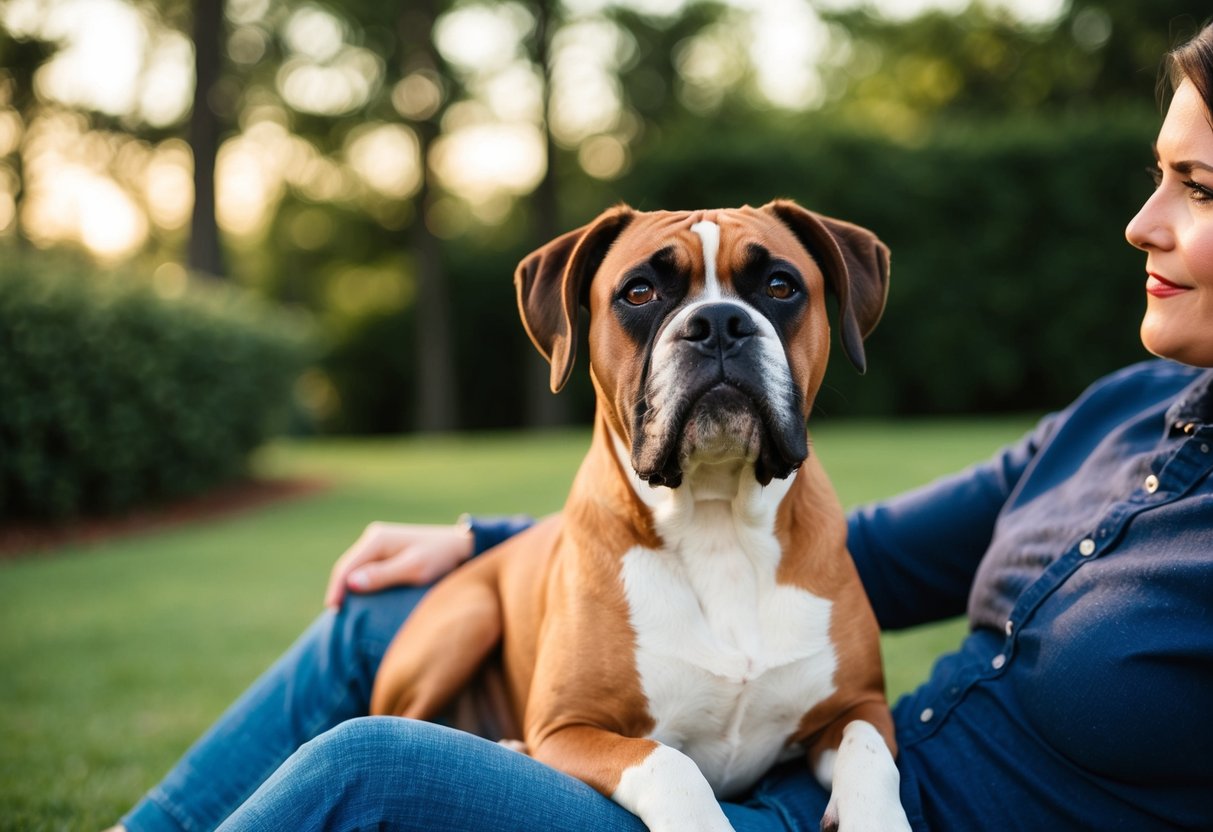
Boxers thrive on companionship and may use sitting on you as a way to feel secure and connected. It’s not just a cute quirk; it’s a reflection of their desire to be close to you. Understanding this behavior can help you appreciate your dog’s need for love and attention, making your bond even stronger.
Whether you see them as a cuddly couch or a playful companion, knowing why they sit on you can add to your enjoyment of your Boxer. Get ready to learn more about this charming characteristic and what it means for your relationship!
Understanding Boxer Behavior

When your Boxer sits on you, it can be more than just a quirky habit. This behavior can signify affection, comfort-seeking, and their unique pack mentality. By understanding these key aspects, you can deepen your bond with your Boxer.
Signs of Affection in Boxers
Boxers are known for their affectionate nature. When your dog sits on you, it often shows love and trust. They seek closeness and warmth from you.
Other signs of affection include:
- Licking: A way to show love.
- Tail Wagging: Indicates happiness.
- Leaning Against You: Sign of comfort and security.
Your Boxer may be trying to say they feel safe with you. This behavior helps strengthen your bond, making you feel more connected.
Pack Mentality and Dynamics
Boxers are pack animals, which influences their behavior. Sitting on you can be a way of asserting their presence in your “pack.”
In a Boxer’s world:
- You are the leader: They recognize your role.
- Sitting is a display: It can show their affection, but also their loyalty.
By understanding this pack mentality, you can foster a healthy relationship. Reinforce your leadership by establishing rules and routines, allowing your dog to feel secure in their position.
Comfort-Seeking Behaviors
Boxers may seek comfort from you, especially in new or stressful situations. Sitting on you can be their way to find warmth and security.
Look for these behaviors:
- Curling up next to you: Indicates they want to feel safe.
- Following you around: A sign they trust you completely.
Creating a comforting environment helps them relax. When they sit with you, they feel safe and connected, which strengthens your bond.
Interpreting Dominance and Attention-Seeking
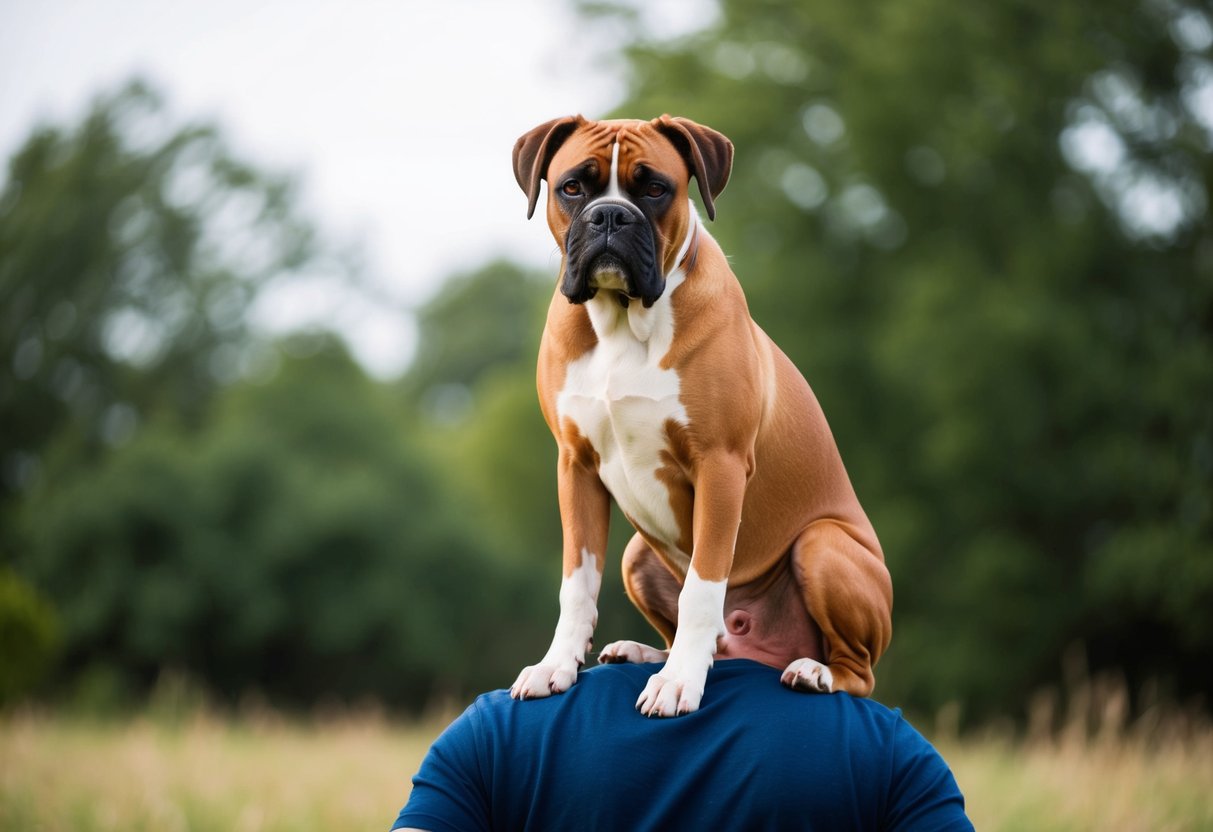
When your Boxer dog sits on you, it can signal both dominance and a desire for attention. Understanding these behaviors can help strengthen your bond with your furry friend.
Dominance in Canine Body Language
In the dog world, sitting on another can be a way to show dominance. Your Boxer may be trying to assert their place in the household. This action can be their way of saying, “I’m in charge here!”
Look for other signs along with sitting, like the position of their ears and tail. A relaxed tail may simply mean they are comfortable, while a stiff tail could indicate they feel more assertive.
It’s important to address this behavior positively. Positive reinforcement, like treats or praise when they sit quietly next to you, can help redirect any dominance tendencies while promoting good behavior.
Attention-Seeking and Playful Behavior
Boxers are known for being affectionate and playful. When your dog sits on you, it often means they want your attention. They’re social animals that thrive on interaction.
To them, sitting on you can be a way of saying, “Play with me!” or “Give me some love!” If your Boxer jumps or leans on you while looking for attention, it’s their way of engaging you in fun.
Recognizing this behavior lets you respond appropriately, like engaging them in play. You can use toys or even give them a good belly rub, fulfilling their need for connection and strengthening your bond. Engaging with them during these moments fosters a happy and well-adjusted pet.
Building a Healthy Relationship with Your Boxer

Creating a strong bond with your Boxer requires trust, understanding, and attention to their emotional needs. It’s important to establish clear boundaries while also being sensitive to signs of separation anxiety.
Establishing Boundaries and Trust
Setting boundaries is essential for a healthy relationship. Your Boxer needs to know what behaviors are acceptable. Use positive reinforcement to reward good actions, like sitting or staying in their own space. This builds trust and encourages them to listen to your commands.
Make sure to be consistent with your rules. If jumping on furniture is not allowed, be firm every time. Mixed signals can confuse your dog, which can harm your bond.
Show your Boxer love and loyalty through play and training. This not only reinforces your bond but also promotes good behavior.
Addressing Separation Anxiety
Boxers are known for their loyalty and can feel anxious when you leave them alone. It’s important to address this to prevent destructive behavior.
Start by creating a comfortable and safe space for your dog when you are not home.
Gradually train your Boxer to be alone for short periods. Use toys or treats to keep them occupied. This helps build their confidence and reduces anxiety.
If your Boxer seems particularly anxious, consider seeking advice from a professional trainer. They can offer techniques tailored to your dog’s needs and ensure your relationship remains strong.
Small Dogs Vs. Large Dogs: Understanding the Difference
Understanding the difference between small and large dogs can affect how you build your relationship. For example, small dogs often require different boundary-setting than Boxers, which are large and energetic.
With a Boxer, make sure you engage in regular exercise to meet their energy needs. Walks and playtime are crucial for physical and mental stimulation. Small dogs may need less physical activity but still benefit from regular bonding time.
Recognizing these differences allows you to tailor your approach and strengthen your connection, making each interaction more meaningful for you and your Boxer.


