
When considering a dog breed, you might wonder, are Boxers friendly dogs? Boxers are known for their friendly and outgoing nature, making them excellent family pets. These dogs thrive on companionship and love to be around people, especially children. Their playful demeanor can bring joy to your home.
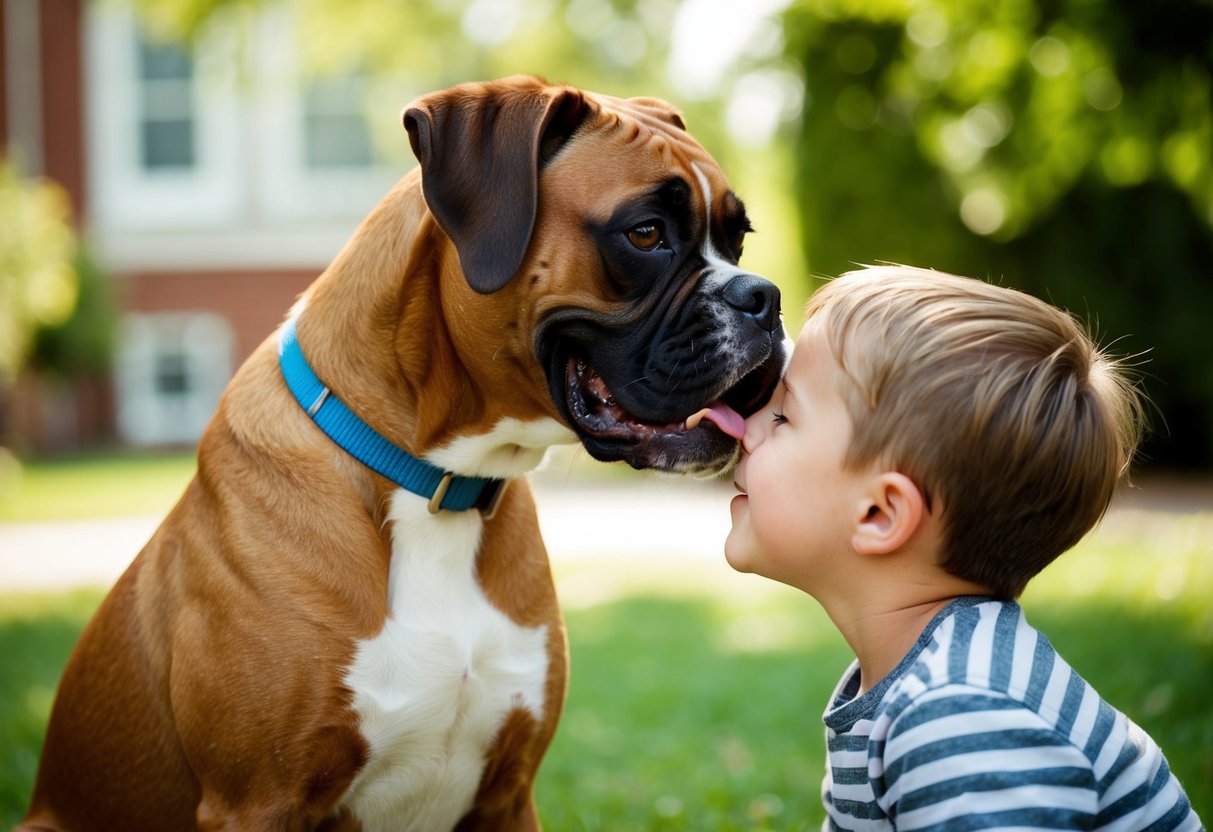
With their energetic personality, Boxers are not only fun-loving but also protective. They make great watchdogs while remaining gentle and affectionate. This balance of traits makes them ideal companions and adds to their reputation as one of the friendliest breeds out there.
If you’re looking for a dog that will be both loyal and loving, Boxers might just be the perfect fit for your family. Their charming personality and unique temperament create a warm bond that can enhance your life in many ways.
Overview of the Boxer Breed
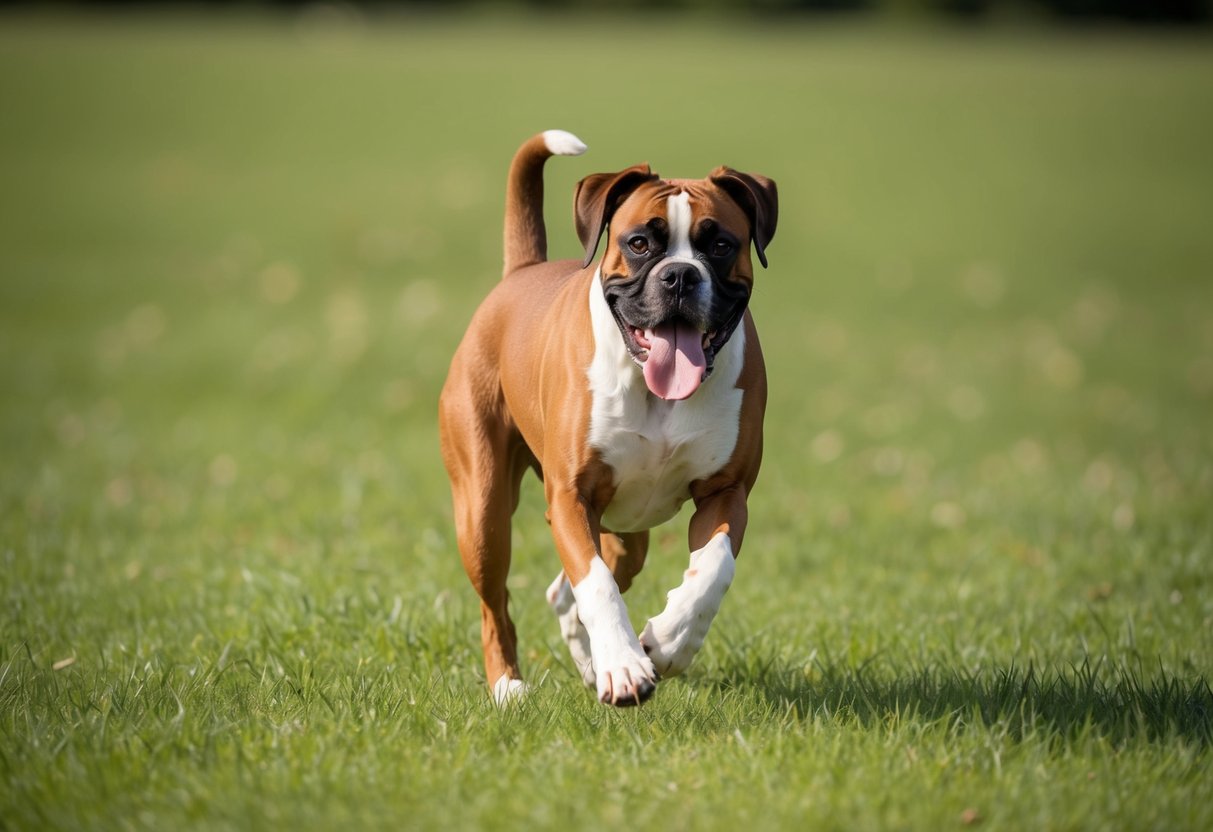
The Boxer breed is known for its loyalty and protective instincts. Understanding its origins, physical traits, and temperament can help you decide if this breed fits your lifestyle.
Historical Origins
Boxers trace their roots back to the early 1800s in Germany. They descended from a breed called the Bullenbeisser, which was used for hunting large game. As time passed, these dogs were bred with English bulldogs, resulting in the Boxer we know today.
Boxers became popular in the United States in the early 20th century. The American Kennel Club recognized the breed in 1904. Their friendly nature and protective instincts made them popular family pets.
Physical Characteristics
Boxers are medium to large dogs that typically weigh between 50 and 80 pounds. They have a strong and muscular build with a square-shaped muzzle. Their powerful jaws are one of the breed’s defining features.
You will notice their short coat, which can come in various colors, including fawn and brindle. Boxers also have unique, expressive faces and a distinctive square head. Their athletic build makes them great for various activities.
Boxer Temperament and Behavior
Boxers are known for their friendly and playful nature. They are very loyal to their families and often form close bonds with their owners. This breed is highly energetic and requires regular exercise to keep them happy.
With their protective instincts, Boxers make excellent watchdogs. They are typically gentle with children and love being part of family activities. Socialization and training are essential to ensure they develop well-adjusted behaviors. Regular mental and physical stimulation helps keep your Boxer engaged and happy.
Boxers as Family Companions

Boxers are known for their affectionate nature and loyalty, making them great companions for families. They thrive on interaction and can bond well with both children and other pets. Understanding their needs can help you decide if a Boxer is the right fit for your household.
Boxers with Children and Other Pets
When it comes to kids, Boxers are often friendly and playful. Their loyal demeanor makes them excellent family dogs. They generally enjoy being part of a human family and can form strong connections with children. Always supervise their interactions, especially with younger kids, to ensure safety on both sides.
Boxers can also get along with other pets if properly socialized. Introduce them slowly and allow time for adjustment. Their high energy level means they are usually eager to play, which can foster fun times with other animals. If you have other pets, adopting a Boxer can create a lively family atmosphere.
Exercise and Living Space Needs
Boxers have high exercise requirements, needing at least an hour of activity each day. This activity helps burn off their energy and keeps them physically fit.
Living space is also important for Boxers. They do well in homes with yards where they can run and play. If you live in an apartment, be prepared for frequent outings to ensure they get enough exercise. In return for your effort, you’ll have a loyal and loving companion by your side.
Health and Care for Your Boxer
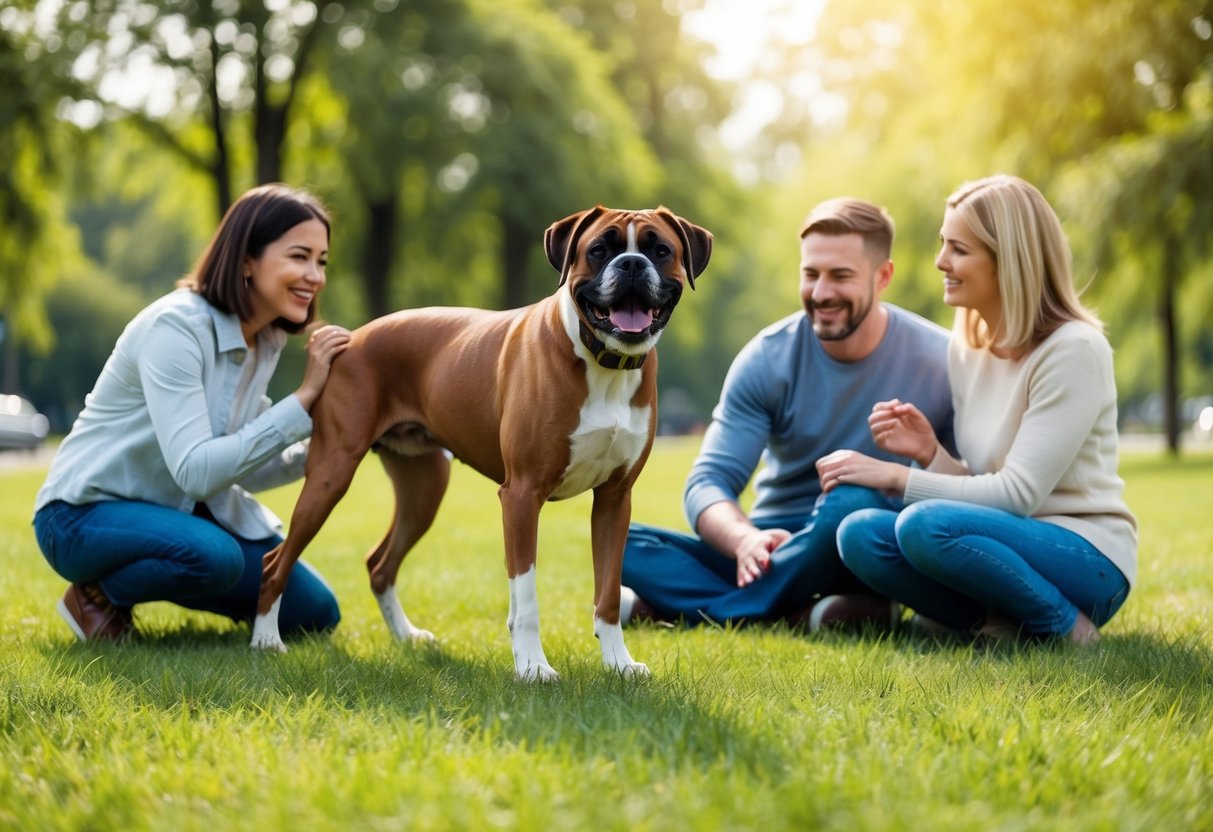
Taking care of your Boxer involves understanding their health needs, providing a proper diet, and ensuring regular check-ups. By knowing what to look out for, you can help your furry friend live a happy and healthy life.
Common Health Issues in Boxers
Boxers can face several health issues that are important for you to monitor. Common problems include hip dysplasia, a genetic condition affecting the hip joint, which can lead to pain and mobility issues. You should also be aware of the risk of heart problems, particularly cardiomyopathy, which affects the heart’s ability to function effectively.
Additionally, Boxers are prone to certain types of cancer, especially in older age. Skin allergies may also arise, causing itching and discomfort. Regular vet visits are key for early detection of these issues.
Nutrition and Diet
A balanced diet plays a crucial role in your Boxer’s health. Look for high-quality dog food that is appropriate for their age and activity level. Consider foods rich in protein to support their muscular build.
It’s important to monitor their weight since Boxers can become overweight, which leads to more health problems. You should be aware of the signs of food allergies, such as excessive scratching or digestive issues. Homemade meals can be an option, but be cautious to include all necessary nutrients.
Routine Care and Check-ups
Routine care is essential for keeping your Boxer healthy. Regular veterinary check-ups should be scheduled to ensure vaccinations are up to date and to monitor for any potential health issues like heart problems or cancer.
You should also focus on dental care. Brushing your Boxer’s teeth a few times a week can help prevent dental diseases. Incorporate moderate exercise into their routine to maintain their fitness. Short walks and playtime will keep them active and engaged. Always pay attention to any changes in their behavior or health, and consult your vet if concerns arise.
Training and Socialization

Training and socialization are vital for ensuring your Boxer is a well-behaved and friendly companion. These steps help shape their behavior and enhance their natural intelligence. With the right approach, you can help your Boxer thrive in various social situations.
Basic Obedience and Manners
Teaching basic obedience is essential for your Boxer’s development. Start with commands like sit, stay, and come. Use positive reinforcement techniques such as treats and praise to encourage good behavior.
Puppy classes are a great way to begin this process. They not only teach basic commands but also provide socialization with other dogs. Engaging with other pups helps your Boxer learn proper behavior in different settings.
Make training consistent and brief. Dogs respond better to short, fun sessions. Aim for about 5 to 10 minutes for each command, repeating sessions a few times a day. This method helps your Boxer understand and remember their lessons.
Advanced Training and Activities
Once your Boxer has mastered basic commands, you can explore advanced training.
Activities like agility training can challenge your dog mentally and physically. This type of training enhances their focus and improves their coordination.
Use puzzle toys to keep your Boxer engaged. These toys require them to think and work to earn rewards. They help stimulate your dog’s mind, which is important for intelligent breeds like Boxers.
Participating in group classes for advanced training also provides valuable social experiences.
It encourages positive interactions with other dogs and builds your Boxer’s confidence. This socialization is key to preventing future behavioral problems and fostering a friendly disposition.


