
When choosing a dog, think about temperament and behavior. Some breeds have a reputation for being more aggressive or unpredictable. Certain dog breeds, like the German Shepherd and Chow Chow, are more likely to turn on their owners under stressful circumstances. Understanding these traits can help you make an informed decision.
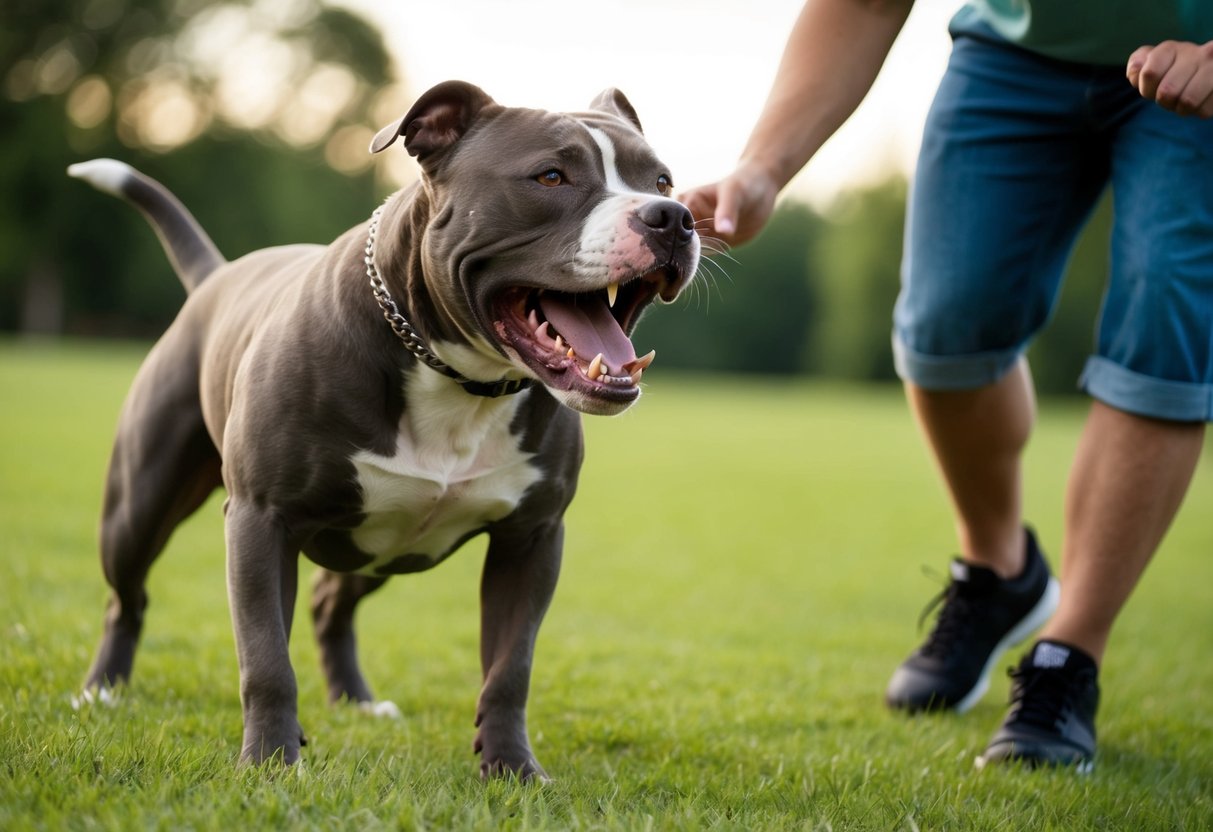
It’s not just about the breed; the environment and training also play a big role. Dogs that feel threatened or unbalanced in their settings might act out. Knowing which breeds may be more prone to aggression allows you to find a furry friend that matches your lifestyle.
If you’re curious about which specific breeds to be cautious of, read on. Learning about these traits can keep you and your family safe while enjoying the love and companionship of your dog.
Understanding Dog Aggression

Dog aggression can be complex and varies between individual dogs. It’s important to know the types, contributing factors, and signs of aggressive behavior to create a safe environment for you and your pet.
Types of Aggression
Aggression in dogs can be classified into several types.
- Fear Aggression: This occurs when a dog feels threatened or scared. They may bite if they believe they cannot escape.
- Protective Aggression: Dogs may show aggression to guard their territory or their family. This is common in breeds known for being protective.
- Play Aggression: Sometimes, dogs get too excited during play and can bite unexpectedly. It’s usually not intended to harm.
- Social Aggression: This happens in situations involving other dogs. A dog might act aggressively to establish dominance or in response to perceived challenges.
Recognizing these types can help you manage your dog’s behavior more effectively.
Factors Contributing to Aggression
Several factors can lead to aggressive behavior. Early socialization plays a crucial role in developing a well-behaved dog. Dogs that miss out on social interactions with people and other dogs may become fearful and aggressive.
Other factors include genetics, past experiences, and environment. For example:
- Genetics: Some breeds are predisposed to aggression due to their breeding history.
- Past Trauma: Dogs that have been abused or neglected may display aggressive tendencies.
- Medical Issues: Pain or illness can also cause a normally gentle dog to become aggressive.
Understanding these factors can help you provide better care and training for your dog.
Signs of Aggressive Behavior
Recognizing early signs of aggression is key to preventing incidents. Look for the following behaviors:
- Growling: This is a clear warning sign that a dog feels threatened.
- Baring Teeth: If your dog shows its teeth, it’s a sign of discomfort or aggression.
- Stiff Body Posture: A tense stance can indicate that a dog is on edge.
- Lunging or Snapping: This behavior suggests that a dog may charge at something it perceives as a threat.
Pay attention to these signs. Early detection can prevent escalation and help you take appropriate action.
Breeds With a Reputation for Aggression
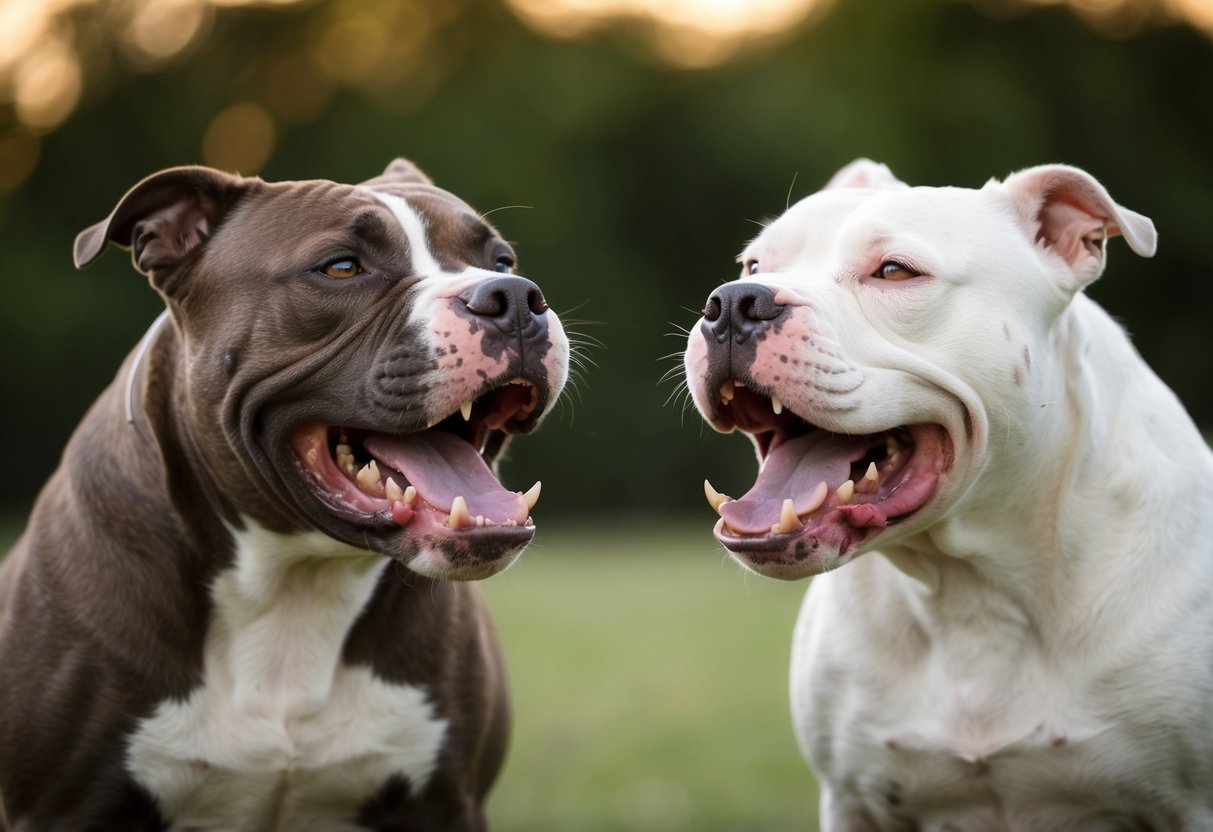
Some dog breeds are known for their strong and sometimes unpredictable behavior. Understanding these breeds can help you make an informed decision if you’re considering adopting a dog.
Chow Chows
Chow Chows are unique dogs with a distinctive appearance, featuring a lion-like mane and a blue-black tongue. They can be quite affectionate with their families but may display aggression if they feel threatened.
Socialization is key with Chow Chows. Early training can help manage their strong will and protectiveness. Without proper guidance, they may show aggression towards strangers or other pets. Their independent nature means they need firm, consistent leadership.
Rottweilers
Rottweilers are confident and powerful dogs. They were originally bred to herd and guard livestock. This background makes them naturally protective, which can sometimes border on aggression if not properly managed.
Training Rottweilers requires dedication and skill. They respond best to positive reinforcement methods. With the right training, they can be both loving and protective, making them excellent family dogs when raised well.
Doberman Pinschers
Doberman Pinschers are known for their loyalty and intelligence. They can be wonderful companions but have a reputation for being aggressive, especially if not properly socialized. Their guarding instinct means they may act defensively in new situations.
It’s important to expose Dobermans to different environments and people early on. Regular training helps them be confident and social. With proper care, these dogs can thrive and build strong bonds with their families.
Wolf Hybrids
Wolf hybrids are crosses between domestic dogs and wolves. They often carry traits from both species, leading to unpredictable behavior in some cases. These dogs can be more challenging to train and socialize compared to typical breeds.
Wolf hybrids may display strong territorial behaviors and be wary of strangers. This makes early socialization essential. If you consider one, make sure you have the experience and commitment to training and care they require.
Pit Bulls
Pit Bulls have a mixed reputation, often seen as aggressive. It’s important to note that aggression in dogs typically stems from poor training or socialization rather than breed alone. With responsible ownership, Pit Bulls can be affectionate and loyal pets.
Like any breed, proper training and socialization are crucial. Early exposure to different people and animals can promote a well-rounded temperament. They can be gentle family members when raised with care and love.
Large Dogs and Aggressive Tendencies
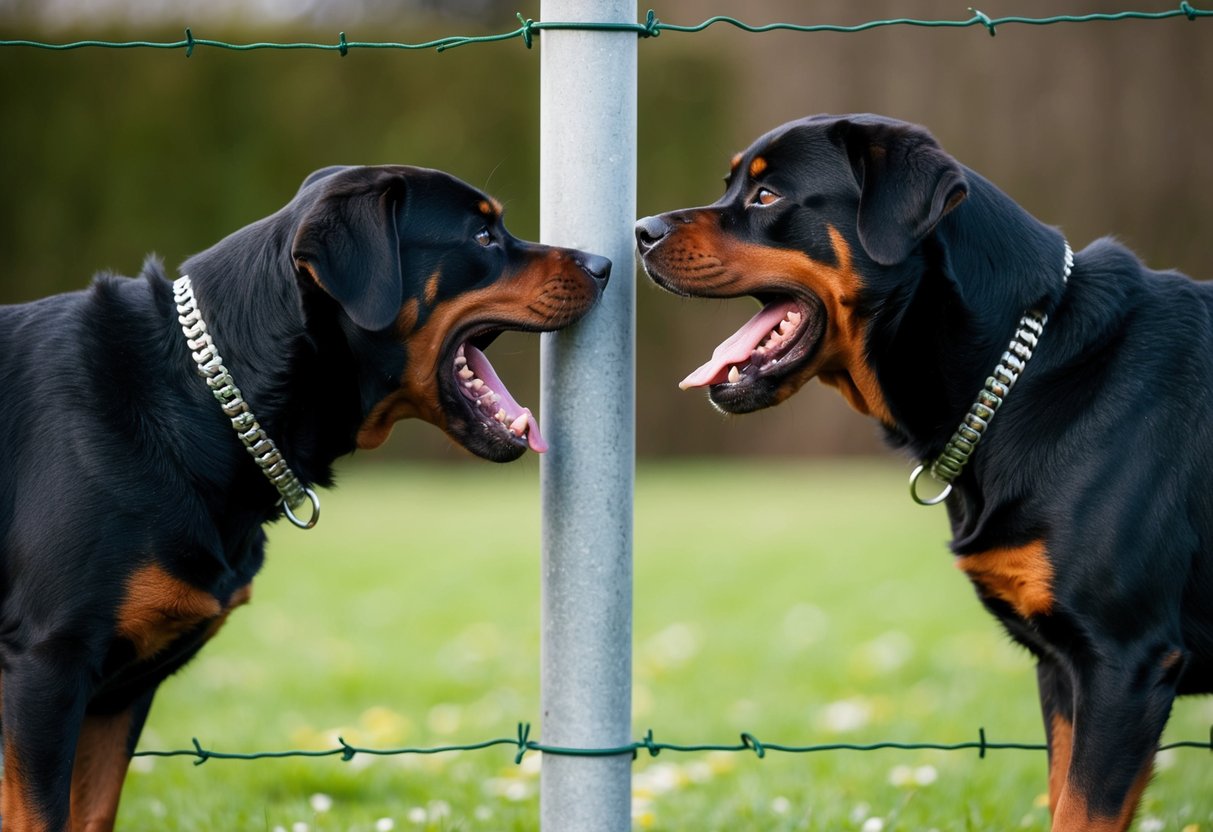
When considering large dogs, it’s important to recognize that their size can impact their behavior. While many large breeds are friendly, some can show aggressive tendencies if not properly trained or socialized. Understanding specific breeds will help you make informed choices.
Great Danes
Great Danes are known for their impressive size. These gentle giants are typically friendly and affectionate. However, due to their large stature, they can unintentionally cause harm if they become frightened or feel threatened.
Proper socialization is crucial. Exposing your Great Dane to different environments and people will help them become more comfortable and confident. Regular training will also enhance their manners and reduce the risk of aggressive behavior.
Remember, a well-cared-for Great Dane is usually sweet-natured and loyal, making them great companions.
Siberian Huskies
Siberian Huskies are energetic and independent dogs. Their strong instincts can sometimes lead to aggressive behavior, especially if they feel cornered or challenged. Huskies were bred as sled dogs, so they have high energy levels that require daily exercise.
To keep your Husky well-behaved, provide plenty of physical activity and mental stimulation. Training from a young age is important, as it helps them understand boundaries. With consistent training, you can mitigate aggressive tendencies and enjoy their playful nature.
Socializing your Husky with other dogs and people will also help them build confidence and reduce fear-based aggression.
German Shepherds
German Shepherds are intelligent and versatile dogs. They are often used in police and service roles due to their loyalty and protective instincts. While they can be incredibly loving, poor training or lack of socialization can lead to aggression, particularly toward strangers.
It’s essential to establish yourself as a firm but caring leader. Engage in regular training sessions to reinforce positive behavior and obedience. German Shepherds thrive on having a job to do.
In addition, early socialization with various people and environments can lessen their likelihood of showing aggressive tendencies. A well-trained German Shepherd can be a wonderful family pet and protector.
Importance of Training and Socialization
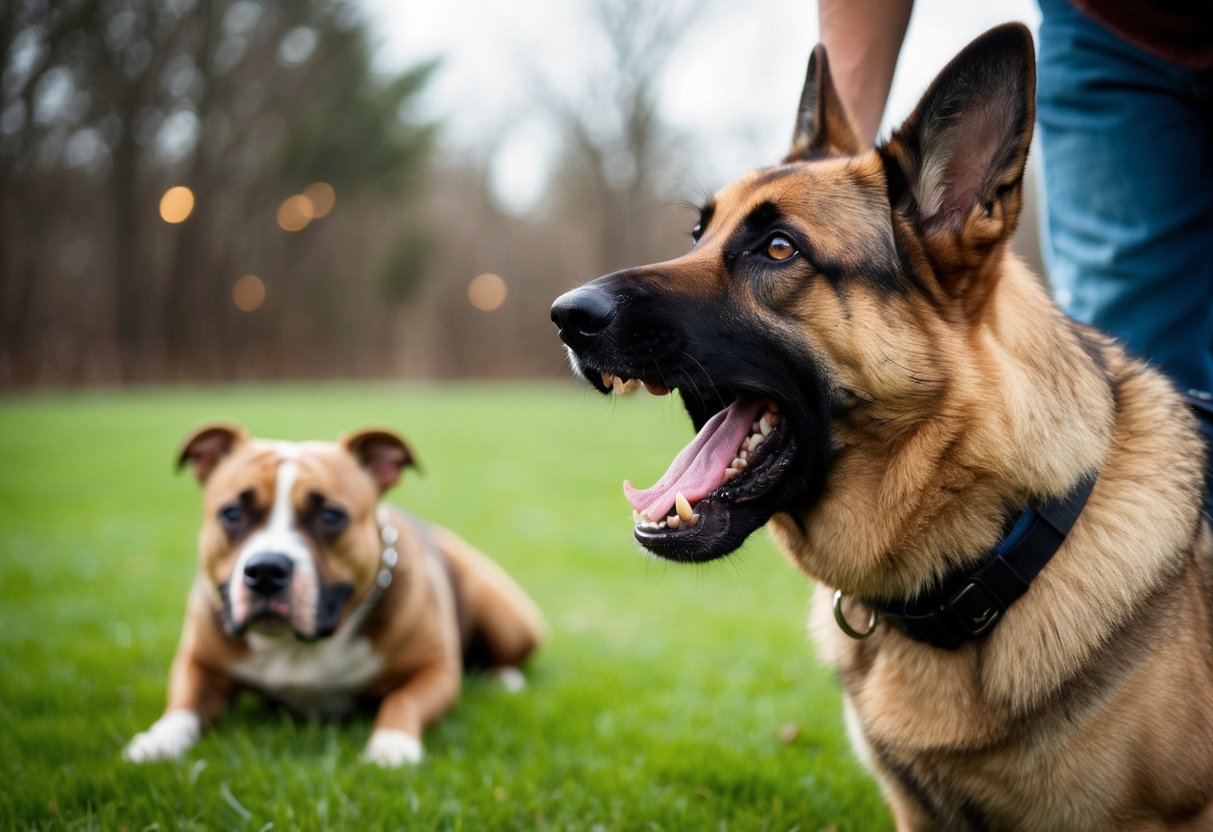
Training and socialization are key to raising a well-adjusted dog. Early socialization helps your dog get used to different people, pets, and situations. This exposure can prevent fear and aggression later in life.
Puppies that miss this critical period may struggle with aggression. They might react negatively to new experiences, which can lead to dangerous behaviors. Engaging in puppy socialization classes can be very beneficial.
When you think of guard dogs or police dogs, their training is vital. These dogs need to respond well to commands and situations. Proper training ensures they act appropriately, protecting without showing aggression towards their owners.
Regular positive reinforcement during training is effective. This method builds a strong bond between you and your dog. It encourages good behavior while reducing risky habits.
Creating a routine is also important. It can help your dog know what to expect each day. Consistent training, with rewards, makes your dog feel secure and confident.
The goal is to have a safe and loving environment, so provide plenty of positive interactions and experiences. This way, your dog will learn to trust you and others, leading to a happier life together.


