
When considering a new furry friend, safety is often at the top of your list. The safest dog breeds for families typically include Labrador Retrievers, Golden Retrievers, and Beagles. These breeds are known for their friendly temperaments and gentle nature, making them great companions for kids and adults alike.

Finding a dog that fits well with your family is crucial. Breeds recognized for their calm demeanor are usually easier to train and socialize. They often adapt well to various environments, providing both security and love.
In this article, you will discover more about the safest dog breeds, their temperaments, and why they make excellent family pets. Whether you are a single person or have a full house, learning about these dogs can help you find the perfect match for your home.
Understanding Dog Temperaments

When choosing a safe dog, it’s important to understand how temperament plays a role. Specific breeds have unique characteristics, and training can greatly influence behavior. This section highlights the importance of breed traits and training practices.
The Importance of Breed Characteristics
Different breeds have different temperaments. For example, Labrador Retrievers are known for being friendly and gentle, making them great family pets. Meanwhile, German Shepherds are loyal and protective, which can be ideal for families that want a guard dog.
On the other hand, Beagles are curious and social. They tend to be friendly but can also be easily distracted. Knowing the breed traits helps you choose a dog that fits your lifestyle. For example, if you prefer a calm dog, you might lean towards a Golden Retriever or a Poodle, as they are usually easygoing.
Understanding these characteristics can help you find the best match for your home.
Training and Socialization Impacts
Training is essential for shaping a dog’s behavior. Obedience training can significantly improve a dog’s temperament. Dogs like German Shepherds and Labrador Retrievers tend to respond well to training, making them easier to manage.
Socialization helps dogs become comfortable with different people and environments. Exposing your dog to various situations can reduce anxiety and aggression. Regular interactions with other dogs can promote friendly behavior, especially in breeds like the Golden Retriever.
In short, investing time in training and socialization leads to a well-adjusted pup. A dog that feels secure and trained is more likely to be safe and enjoyable around your family.
Choosing the Right Breed for Your Family

Choosing the right dog for your family involves considering several important factors. You want a breed that fits your lifestyle, is safe for your children, and can thrive in your living situation. Here are key points to guide you.
Best Breeds for Children
When selecting a dog for families with kids, safety and temperament are crucial. Breeds like the Newfoundland are known for their gentle nature, making them excellent companions for little ones. Meanwhile, Boxers are playful and energetic, often forming strong bonds with children.
Beagles are friendly and good-natured, which can help them interact positively with kids. Another great option is the Bichon Frise, known for its affectionate personality. Make sure to teach children how to interact with dogs safely, regardless of breed.
Dogs for Active Lifestyles
If your family enjoys being outdoors, an active dog can keep up with your adventures. Collies are energetic and love to run, making them perfect for families who enjoy long walks or playtime in the yard.
Pugs and French Bulldogs may not require as much exercise, but they still enjoy playtime and short walks. Boxers also fit this category, needing regular physical activity to stay happy and healthy. Choose a breed that matches your family’s activity level for a happy, well-adjusted pet.
Breeds for Smaller Living Spaces
Living in a smaller home doesn’t mean you can’t have a wonderful family dog! Breeds like the Bichon Frise are small and adapt well to limited space. They are playful and can get their energy out indoors.
Pugs are another strong choice for apartments. Their compact size and loving nature make them great companions, even with limited room. French Bulldogs are also well-suited for smaller living spaces, as they require less exercise compared to larger breeds.
Consider your living environment when selecting the right dog breed, ensuring a comfortable fit for both your family and your new furry friend.
Health and Safety Considerations

When choosing the safest dog for your family, it’s important to think about health and safety. Certain breeds may have specific health issues you should be aware of. Additionally, knowing how to prevent accidents and illnesses will help keep your dog happy and healthy.
Common Breed Health Issues
Several dog breeds are known for their health problems. One common issue is hip dysplasia, a condition where the hip joint doesn’t fit properly, leading to pain and arthritis. It’s important to research whether the breed you’re considering is prone to this condition.
Another issue is elbow dysplasia, which affects the front legs. Like hip dysplasia, it can lead to pain and difficulty in movement.
Obesity is also a concern that affects many dogs. Keeping your dog at a healthy weight can prevent serious conditions like diabetes.
Some breeds may also be prone to bloat, a life-threatening condition that causes the stomach to fill with gas. Finally, cataracts can affect a dog’s vision and are found in certain breeds, so eye health check-ups are crucial as your dog ages.
Preventing Accidents and Illnesses
Preventing accidents at home is key for your dog’s safety. You can start by dog-proofing your space. Remove any small objects that your dog could swallow and secure electrical cords.
Always supervise your dog during playtime, especially with children. It’s important to teach kids how to interact gently with your pet.
Regular vet check-ups can help catch health issues early. You should also keep your dog properly vaccinated. This prevents a variety of illnesses, contributing to a longer, healthy life.
Provide a balanced diet tailored to your dog’s breed and age. Ensure they get enough exercise to maintain a healthy weight.
By paying attention to these considerations, you can create a safer and healthier environment for your furry friend.
Advantages of Mixed-Breed Dogs
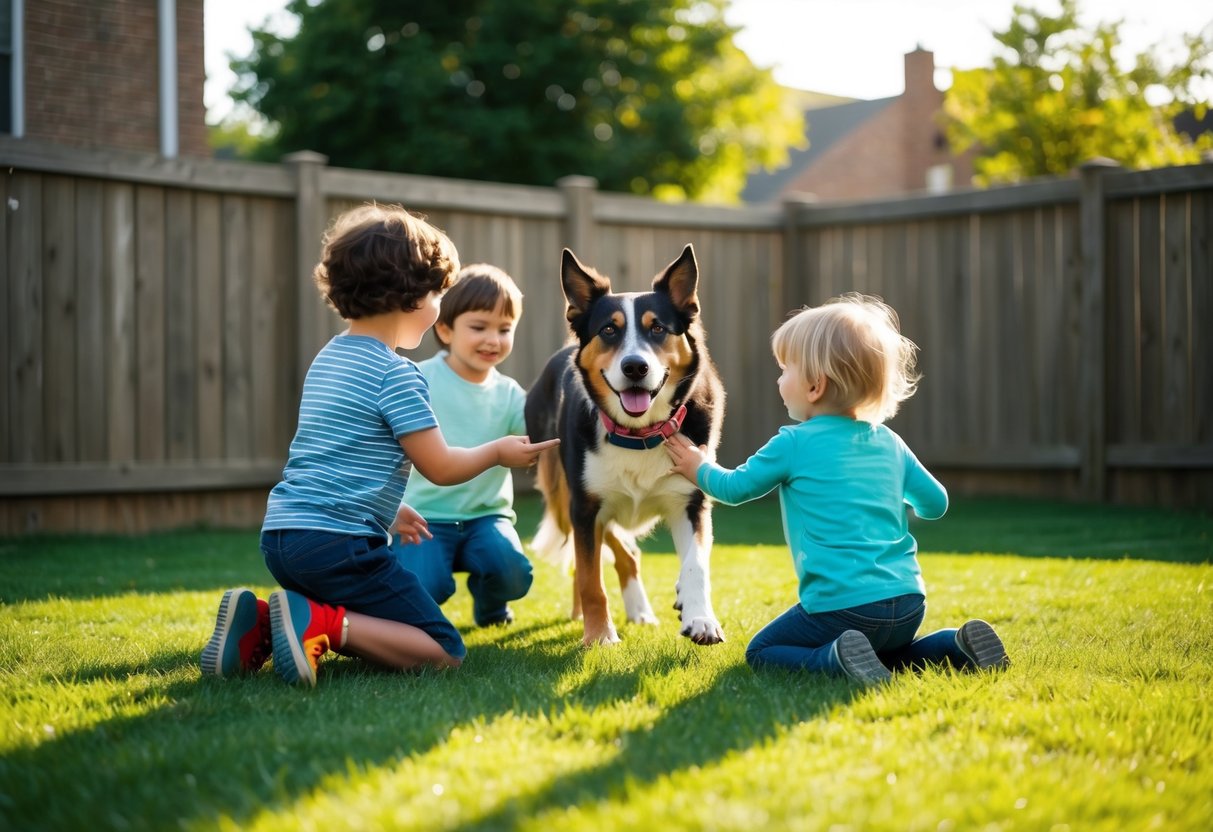
Mixed-breed dogs often come with unique advantages that can make them great companions. Their genetic diversity can lead to better health, and they tend to have balanced temperaments, making them less likely to exhibit aggressive behaviors.
Genetic Diversity and Health
One of the major benefits of mixed-breed dogs is their genetic diversity. This diversity can reduce the risk of certain health issues common in purebreds. Breeding between different breeds creates a wider gene pool.
This wider gene pool can lead to hybrid vigor. This means mixed-breed dogs may inherit beneficial traits from their parent breeds. As a result, they often have fewer genetic health problems than purebreds, such as hip dysplasia or heart issues.
Additionally, mixed breeds are typically less inbred, which contributes to stronger immune systems. You can expect them to be more robust and adaptable to various environments, aiding in their overall health.
Temperament Benefits
Mixed-breed dogs often display a range of temperamental advantages. They can inherit a mix of positive traits, such as calmness, sociability, and loyalty because they come from various breeds.
These dogs are usually more adaptable and trainable. They tend to be medium-sized dogs, making them suitable for different living situations. Whether in an apartment or a house with a yard, they can easily fit in.
Mixed breeds are often considered the least likely to bite compared to purebred dogs. Their diverse backgrounds help prevent extreme behavioral patterns, making them excellent family pets, particularly for children. They typically appreciate companionship and enjoy being part of a family, which contributes to a loving home environment.


