
If you’re looking to bring a furry friend into your home, you might wonder what breed will be the easiest to train. The easiest dogs to train are those that are intelligent, eager to please, and quick learners, such as Labrador Retrievers, Border Collies, and Golden Retrievers. These breeds tend to respond well to positive reinforcement and enjoy the training process.

Choosing an easy-to-train dog can make a big difference in your experience as a pet owner. You’ll find that dogs who learn quickly are often more fun to work with and can form strong bonds with you. This can lead to a happier and more harmonious home.
As you read on, you’ll discover more about the best breeds for training, tips to help you succeed, and what makes these dogs stand out. Whether you’re a first-time dog owner or looking to add another pup to your family, understanding which breeds are easiest to train is an essential step in making the right choice.
Understanding Trainability in Dogs

When choosing a dog, knowing what makes a breed easy to train is essential. Key factors include specific traits that enhance learning and the methods that work best for different dogs.
Factors Affecting Trainability
Several factors can impact a dog’s ability to learn. One major factor is intelligence. Intelligent dogs often grasp commands quickly. For example, Breeds like the Border Collie and Poodle are known for their smarts.
Another factor is eagerness to please. Dogs that naturally want to make their owners happy respond better to training. Positive reinforcement, such as treats or praise, can motivate these dogs to learn faster.
Finally, a dog’s age and socialization can play a role. Younger dogs tend to learn more rapidly, as they have fewer ingrained behaviors. Proper exposure to different environments also makes a dog more adaptable.
Characteristics of Easy-to-Train Breeds
Easy-to-train dogs share certain characteristics that make them stand out. Many of these dogs are quick learners, quickly picking up new commands and tricks. Breeds like the Labrador Retriever and Golden Retriever often excel in training due to their friendly nature.
Additionally, strong work ethics help these breeds focus during training sessions. They enjoy learning and thrive when given tasks to complete.
Furthermore, positive reinforcement works effectively with these dogs, making them eager to perform. Implementing fun training techniques keeps the learning process enjoyable for both you and your furry friend.
Top Easy-to-Train Breeds
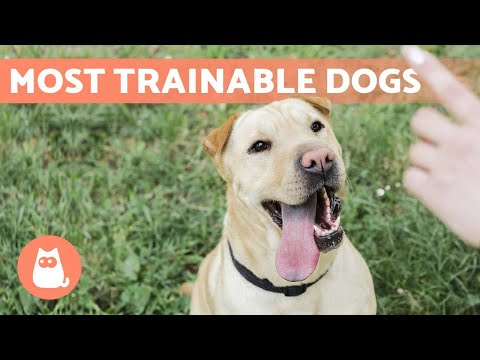
Training a dog can be a fun and rewarding experience. Some breeds stand out for their ability to learn quickly and respond well to commands. Here are five of the easiest dog breeds to train.
Border Collies and Their Aptitude
Border Collies are often considered the smartest of all dog breeds. They are incredibly eager to learn and thrive when given tasks to complete. Their herding instinct makes them attentive and responsive to commands.
You can expect a Border Collie to quickly pick up on a variety of tricks and commands. They do well with positive reinforcement methods, such as treats and praise. Regular mental and physical stimulation is essential for this breed to keep them happy and engaged.
Poodles: Intelligent and Versatile
Poodles come in three sizes: Standard, Miniature, and Toy. All sizes share the same keen intellect and eagerness to please. They enjoy learning new commands and tasks, making them easy to train.
Poodles excel in obedience training and can perform a wide range of tricks. Their friendly nature makes them great companions. Plus, they have low-shedding coats, which can be an added bonus for allergy sufferers.
Golden Retrievers: Friendly and Obedient
Golden Retrievers are known for their friendly disposition. Their strong desire to please makes them highly trainable. They respond well to positive reinforcement and enjoy engaging in activities with their owners.
With consistent training, Golden Retrievers can master basic commands and advanced tricks. They are also excellent therapy and service dogs due to their gentle nature and patience. Regular exercise is important for this breed to keep them healthy and happy.
German Shepherds as Working Dogs
German Shepherds are renowned for their loyalty and intelligence. They are often used as working dogs in police and military roles. This strong work ethic translates into exceptional trainability.
With the right training approach, German Shepherds can adapt to various tasks. They are protective, making them great family pets. They thrive when given a job to do, so regular training sessions keep them engaged and happy.
The Affable Labrador Retriever
Labrador Retrievers are one of the most popular dog breeds. They are known for their friendly and outgoing nature. Labs are eager to learn, making them excellent candidates for training.
They respond well to positive reinforcement methods and enjoy playing games like fetch. Regular socialization and training help them become well-rounded companions. Their playful demeanor and intelligence make Labs a joy to train.
Best Practices in Training

Training your dog can be a rewarding experience, especially when you follow best practices. Consistency, positive reinforcement, and proper socialization are key to success in dog training.
Fundamentals of Dog Training
Start with the basics of obedience training. Use simple commands like “sit,” “stay,” and “come.” Keep your training sessions short, about 5 to 10 minutes each, to hold your dog’s attention.
Make sure to practice these commands in different settings. This helps your dog learn that the commands apply everywhere. Always be consistent with your commands and rewards.
Using a clicker can also be helpful. It marks the exact moment your dog does something right. After clicking, immediately give your dog a treat. This method reinforces positive behavior and encourages repeat performances.
Socialization and Mental Stimulation
Socialization is vital for a well-behaved dog. Introduce your dog to various people, pets, and environments to build their confidence. Early exposure can prevent later behavioral issues.
Alongside socialization, mental stimulation is essential. Engaging activities, like puzzle toys or training new tricks, keep your dog’s mind active. A busy mind is less likely to wander into mischief.
Consider group classes where your dog can interact with others. It’s a fun way for them to learn while making new friends. Regular exposure to different situations will enhance their comfort in various environments.
The Role of Positive Training Methods
Positive training methods focus on rewarding good behavior rather than punishing bad behavior. This approach builds a strong bond between you and your dog.
Use treats, praise, or playtime as rewards. Find what motivates your dog the most. For instance, some dogs may respond better to toys rather than treats.
Avoid harsh corrections or negative tools, as they can cause fear and distrust. Remember, patience is key. Training is a process, so celebrate small successes along the way. Your encouragement will make learning enjoyable for your dog.
Special Considerations

Training a dog, especially for specific roles, requires attention to certain factors. Not all breeds are suitable for every task, so it’s important to consider the unique abilities and needs of your chosen dog.
Training for Dog Sports and Assistance Roles
When selecting a breed for dog sports or assistance roles, focus on their natural abilities. Breeds like Border Collies excel at agility training due to their speed and intelligence. You can nurture this talent with proper guidance.
Consider service dogs or therapy dogs. These roles require patience and calmness. Breeds such as Golden Retrievers and Labrador Retrievers are popular choices. They are friendly and eager to please.
Training should begin early. Use positive reinforcement, such as treats or praise, to motivate your dog. Regular practice sessions will keep your dog engaged and help develop their skills in a fun way.
Addressing Breed-Specific Traits and Needs
Every breed has unique traits. Recognizing these can make training easier. For example, some dogs may be more stubborn while others are eager to learn.
You should adjust training techniques based on your dog’s personality. Breeds like Bulldogs may require more repetition, while Poodles often grasp new commands quickly.
Understanding breed-specific needs can improve your training sessions.
Additionally, ensure physical activity is part of their routine. Active breeds thrive with daily exercise.
Thus, incorporating play and exercise into your dog’s day helps maintain their energy and focus during training.


