
As your furry friend approaches 13 years, you might wonder if they are too old to enjoy life. It’s normal to have concerns about your senior dog’s health and well-being.
A 13-year-old dog can still live a vibrant life, depending on their size and health conditions. Larger breeds tend to have shorter life expectancies, while smaller breeds often live longer, so understanding your dog’s specific needs is key.

At this age, your dog may become more set in their ways and less adaptable to changes. It’s important to ensure their environment remains comfortable and stress-free.
Regular vet check-ups can help monitor their health and catch any potential issues early. As you navigate this stage, you’ll find that with proper care, many senior dogs continue to enjoy playtime, walks, and cuddles with you.
Understanding your dog’s age in relation to human years is also helpful. A 13-year-old dog can be equivalent to a 70- to 115-year-old person. This perspective can help you appreciate their experience while ensuring they feel loved and engaged during their golden years.
Understanding A Dog’s Age in Human Years
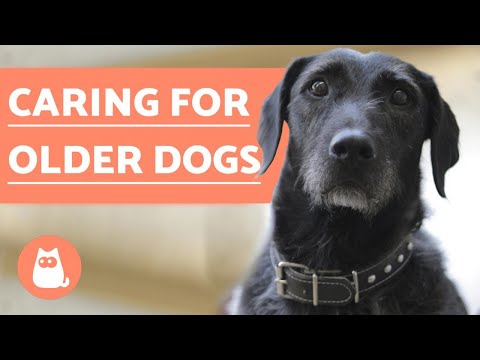
Understanding how dog years translate to human years helps you appreciate your pet’s age. It also aids in providing the right care as your dog enters its senior years.
Comparing Dog Age to Human Age
The common belief that one dog year equals seven human years is not entirely accurate. In reality, the first year of your dog’s life is approximately equal to 15 human years.
- Second Year: The second year accounts for about 9 human years.
- Subsequent Years: After that, each dog year roughly translates to 5 human years.
For example, a 13-year-old dog is around 74 human years old. This aging process shows that aging is not linear. Instead, your dog ages rapidly in early years before the pace slows down.
Factors Affecting Life Expectancy in Dogs
Several factors can influence your dog’s life expectancy.
- Breed: Larger breeds typically have shorter lifespans than smaller ones.
- Health: Regular vet check-ups can catch health issues early, improving your dog’s quality of life.
- Lifestyle: A balanced diet, exercise, and mental stimulation are key to longevity.
By paying attention to these factors, you can help your aging dog enjoy a healthier, happier life.
Health and Wellness for a Senior Dog

As your dog ages, it’s essential to focus on their health and wellness. This includes being aware of common health issues, the importance of regular veterinary check-ups, and optimizing their diet.
Common Health Issues in Older Dogs
Older dogs often face specific health challenges. Arthritis is common and can lead to joint pain and decreased mobility. You might notice your dog is less active or struggles with stairs.
Cognitive decline can also be an issue, causing confusion or changes in behavior. It’s important to monitor these signs and engage your dog in stimulating activities.
Dental care is vital too. Many older dogs suffer from dental disease, which can affect their overall health. Regular brushing and dental check-ups help keep their teeth and gums healthy.
The Importance of Regular Veterinary Check-Ups
Regular veterinary check-ups are crucial for catching problems early. You should aim for at least one visit a year for your senior dog.
Your vet will provide thorough examinations and may suggest blood tests to check for underlying issues. Preventive care can stop minor problems from becoming serious. For instance, your vet can recommend supplements or medications for arthritis to ease joint pain.
Discuss any behavioral changes you’ve noticed, as these can signal health concerns.
Optimizing Your Senior Dog’s Diet
A balanced diet is essential for your senior dog’s health. Older dogs need fewer calories but more important nutrients.
Look for dog food designed for senior dogs, as it will typically contain fewer fats and more fiber. Incorporating joint supplements may also be beneficial. Discuss options with your vet to help support your dog’s mobility.
Additionally, keeping your dog hydrated is essential. Encourage water intake to support their overall health. Regular meals with fresh, wholesome ingredients will boost their energy and well-being.
Behavioral and Mental Health

As your dog ages, you may notice changes in their behavior and mental state. Understanding these changes is vital for keeping your senior dog happy and healthy.
Recognizing Signs of Aging in Dogs
Aging can bring about several behavioral changes. You might see signs like confusion, decreased activity, or changes in sleeping patterns. Some dogs experience cognitive decline, similar to dementia in humans.
Look for behaviors such as:
- Disorientation: Getting lost in familiar places
- Changes in social interaction: Less interest in people or pets
- Increased anxiety or agitation
It’s essential to monitor these signs closely. Early recognition allows for timely interventions that can help improve your dog’s quality of life.
Maintaining Mental Agility in Senior Dogs
Keeping your senior dog’s mind active is crucial. Mental stimulation can help slow cognitive decline.
Simple activities like puzzle toys, training sessions, and games can keep their brains engaged.
Consider these ideas:
- Interactive toys: These encourage problem-solving.
- Short training sessions: Teaching new commands or tricks can be fun.
- Socialization: Regular walks and playdates can boost their mood.
Regular mental challenges can help your dog stay sharp. Combining these activities with a healthy diet and routine vet check-ups will support your dog’s overall mental health.


