
Boxer dogs are known for their playful and affectionate nature, making them popular family pets. If you’re wondering about leaving your boxer alone at home, it’s important to consider their social needs and personality. Boxers generally do not do well when left alone for long periods, as they thrive on human interaction and companionship.
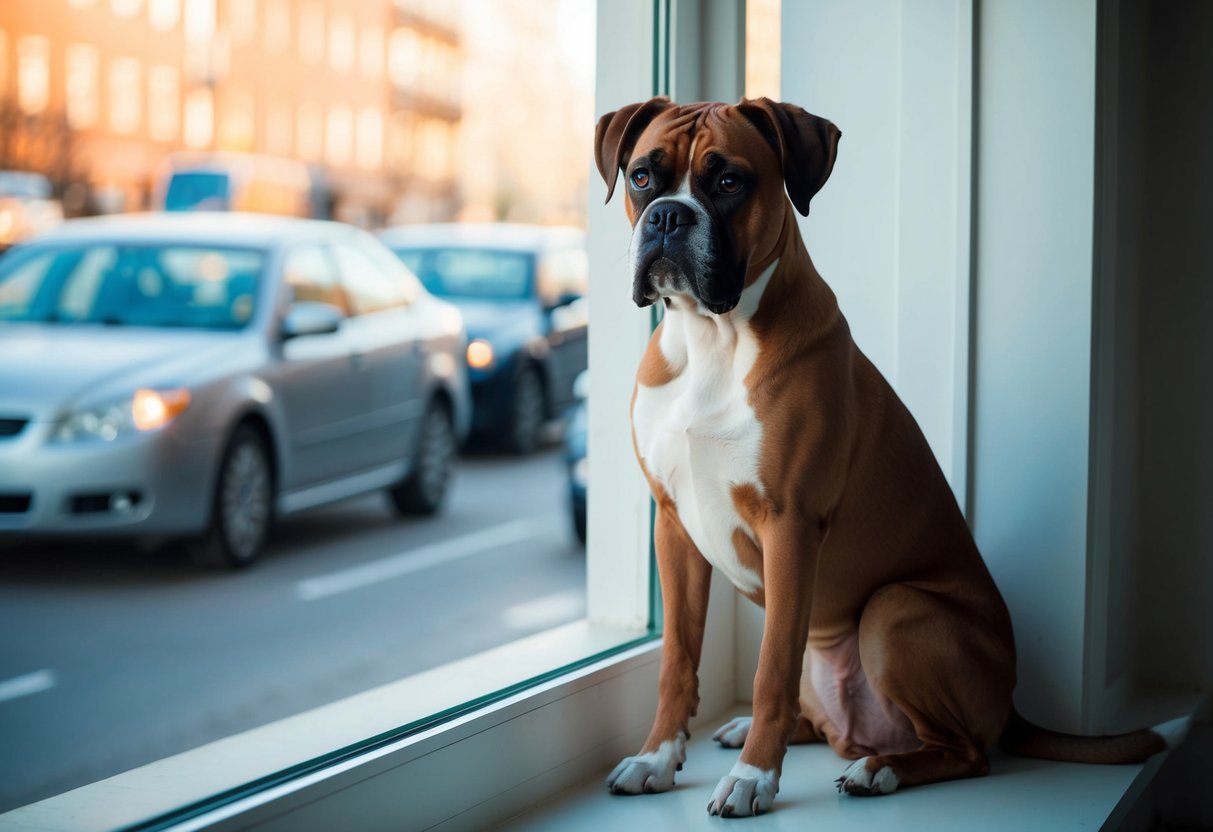
These energetic dogs can become anxious or even destructive if left to fend for themselves for too long. They require regular exercise and mental stimulation to stay happy.
In this article, you’ll learn practical tips and insights on how to keep your boxer safe and happy while you’re not home. Whether you’re planning a day out or have a busy schedule, there are ways to make alone time easier for both you and your dog.
Understanding Boxer Dogs and Their Social Needs

Boxer dogs are known for their affectionate and friendly nature, which makes them great companions. It’s important to understand their social needs and how they thrive on human companionship and engagement. Meeting these needs can help you ensure a happy and healthy life for your Boxer.
The Social Nature of Boxer Dogs
Boxers are incredibly social animals. They love to be around people and other pets. When left alone for long periods, they can feel anxious and stressed. This can lead to destructive behaviors, such as chewing on furniture or barking excessively.
To keep your Boxer happy, ensure they get plenty of interaction with family members. Regular playtime and affection strengthen your bond. Joining a dog park or arranging playdates with other dogs can also fulfill their social needs.
Signs your Boxer may be feeling lonely include:
- Excessive barking
- Destruction of items in your home
- Lethargy or loss of energy
Keeping these signs in mind will help you respond effectively to your dog’s needs.
Exercise and Mental Stimulation Requirements
Boxers are energetic dogs that require regular exercise. Plan daily walks or play sessions to help them burn off energy. Activities like fetch or agility training can also provide great outlets for their enthusiasm.
Mental stimulation is just as essential. Boxers benefit from interactive toys, puzzle games, and training sessions. Engaging their minds helps reduce boredom and prevent anxiety-related behaviors.
Aim for at least 60 minutes of exercise each day. A tired Boxer is a happy Boxer! By providing both physical and mental outlets, you create an environment where your Boxer can thrive.
The Risks and Signs of Separation Anxiety in Boxers
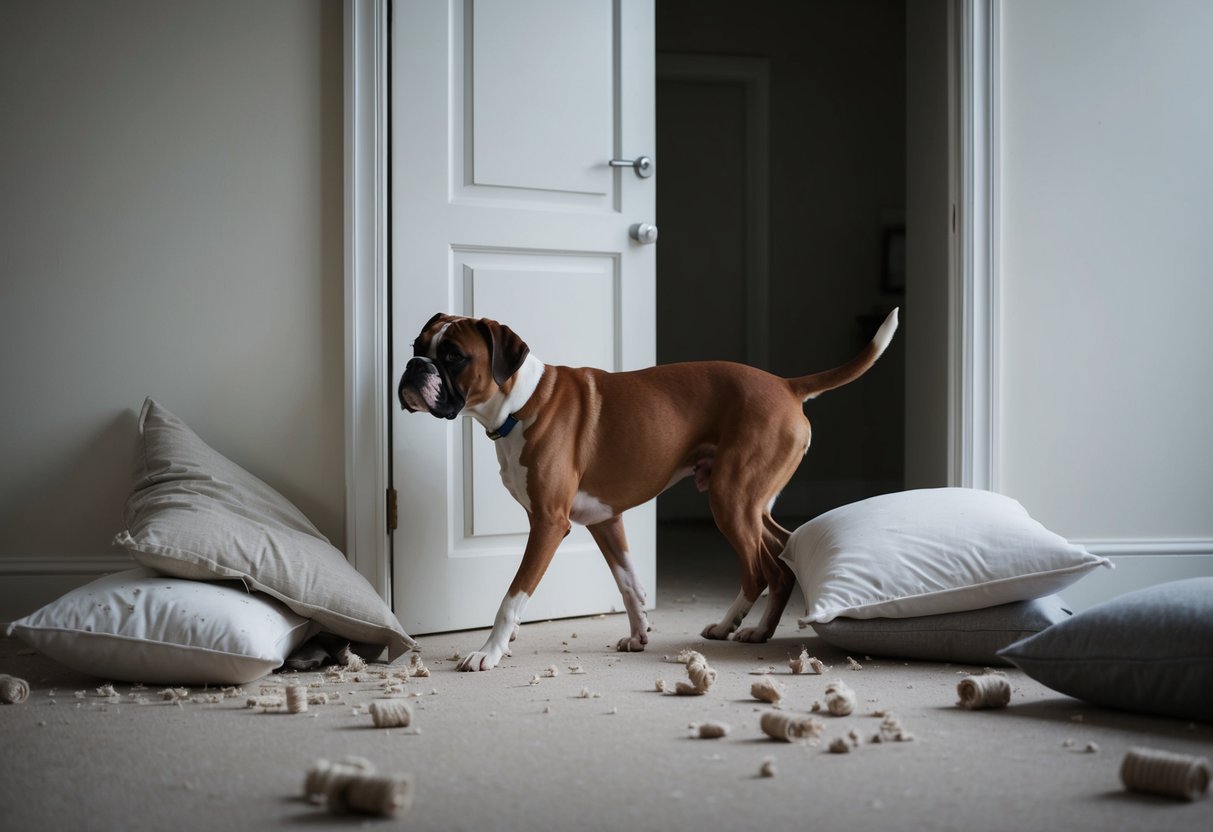
Leaving a Boxer alone can lead to separation anxiety, which is a common issue with this breed. It’s important to recognize the signs and understand how this anxiety can affect their behavior and well-being.
Identifying Signs of Separation Anxiety
You may notice a range of signs when your Boxer experiences separation anxiety. Common indicators include:
- Excessive Barking: If your Boxer barks or howls loudly when you leave, it may signal distress.
- Destructive Chewing: Look for signs of chewing on furniture, shoes, or other items, which often occurs as a coping mechanism.
- House Soiling: If your dog soils the house after being left alone, this behavior can stem from anxiety rather than a lack of training.
Watching for these signs allows you to take action early and help your Boxer feel more secure when you are away.
Potential Destructive Behaviors
When left alone for too long, Boxers can exhibit various destructive behaviors. These may include:
- Chewing: They may chew on furniture, doors, or even walls, which can lead to costly repairs.
- Scratching: Some Boxers might scratch at doors or windows to try to escape and find you.
- Digging: Digging at carpets or furniture can also be a sign of frustration and anxiety.
Recognizing these behaviors early can help you create a plan to ease your dog’s stress and keep your home safe.
How Inadequate Exercise Contributes to Anxiety
Boxers are active and energetic dogs. They need plenty of physical exercise and mental stimulation. If you don’t provide enough activity, your Boxer may become bored and anxious.
Regular walks, playtime, and social interaction are crucial. If your Boxer doesn’t get this, the buildup of energy can lead to anxiety and destructive behaviors. Aim for at least an hour of exercise daily, which can include walks, fetch, or agility training.
By ensuring your Boxer stays active, you can reduce the chances of separation anxiety and help them feel more content when you need to leave them alone.
Creating a Positive Alone-Time Experience
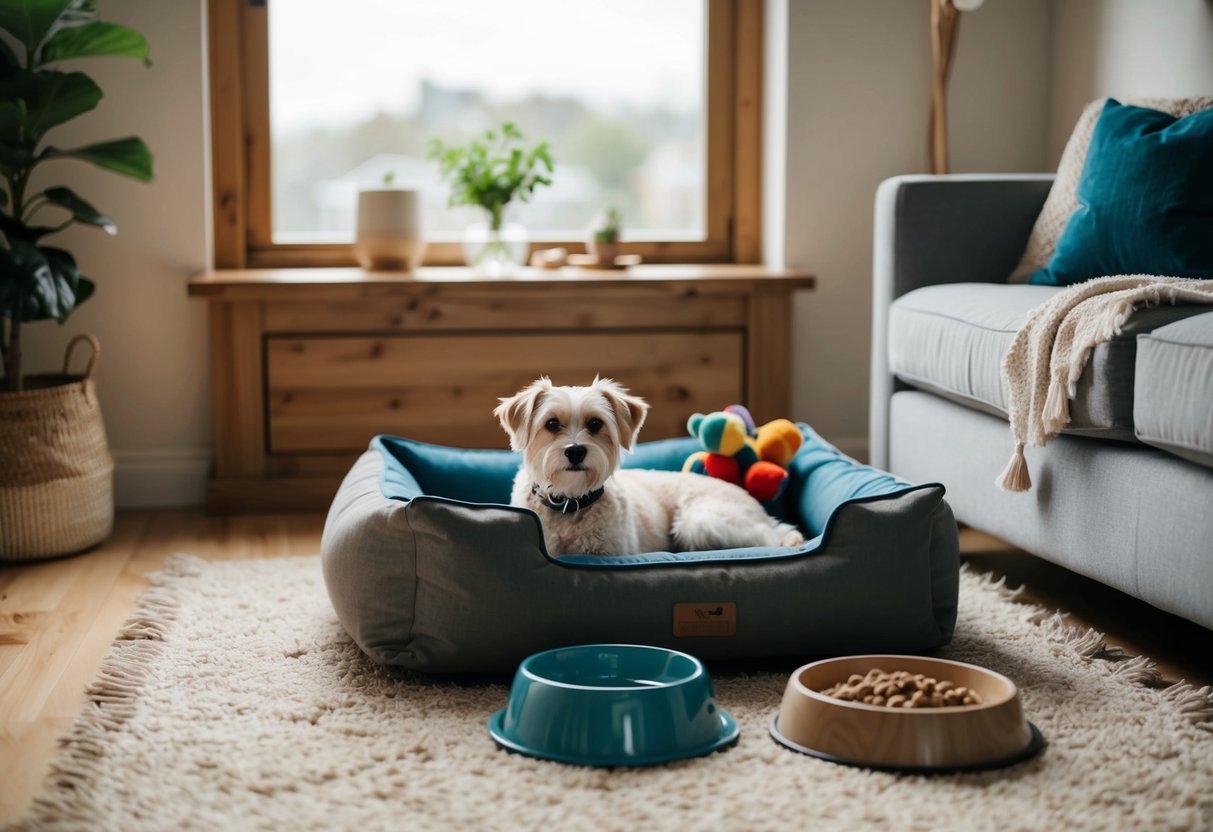
Leaving your boxer alone can be challenging, but you can make the experience smoother for both of you. By using specific training strategies, engaging toys, and creating a comfortable space, you can help your dog feel more secure and relaxed.
Training Strategies for Reducing Anxiety
To help your boxer adjust to being alone, start with behavior modification techniques. Gradually increase the time your dog spends alone. Begin with just a few minutes and slowly work up to longer periods.
Use positive reinforcement when your dog is calm during these alone times. Praise, treats, or a favorite toy can reward them for good behavior. Consistency is key, so try to keep a regular routine as much as possible.
Crate training can also be useful. Make sure the crate is a safe and inviting space. Avoid using it as punishment. Instead, encourage your boxer to view it as a comfortable area.
Interactive Toys and Entertainment
Keeping your boxer entertained while you’re away can help reduce stress. Puzzle toys and puzzle feeders can be excellent options. These toys stimulate your dog’s mind and keep them busy.
The classic Kong toy is perfect for this. Fill it with treats or peanut butter. This encourages focused playtime, making them less aware of your absence.
Consider using background noise like soft music or an audiobook. This familiar sound can be comforting and may help ease anxiety.
Ensuring Comfort and Security at Home
Creating a comfortable space for your boxer is crucial. Have a cozy bed and a safe area free from hazards. This can help your dog feel secure when left alone.
You might also consider utilizing calming aids, such as pheromone diffusers or anxiety wraps. These can provide additional support for your dog during separation.
Finally, ensure your dog has access to fresh water and chew toys. This helps keep them hydrated and entertained while you are away. Making these adjustments can greatly improve your boxer’s alone-time experience.
Additional Support and Resources
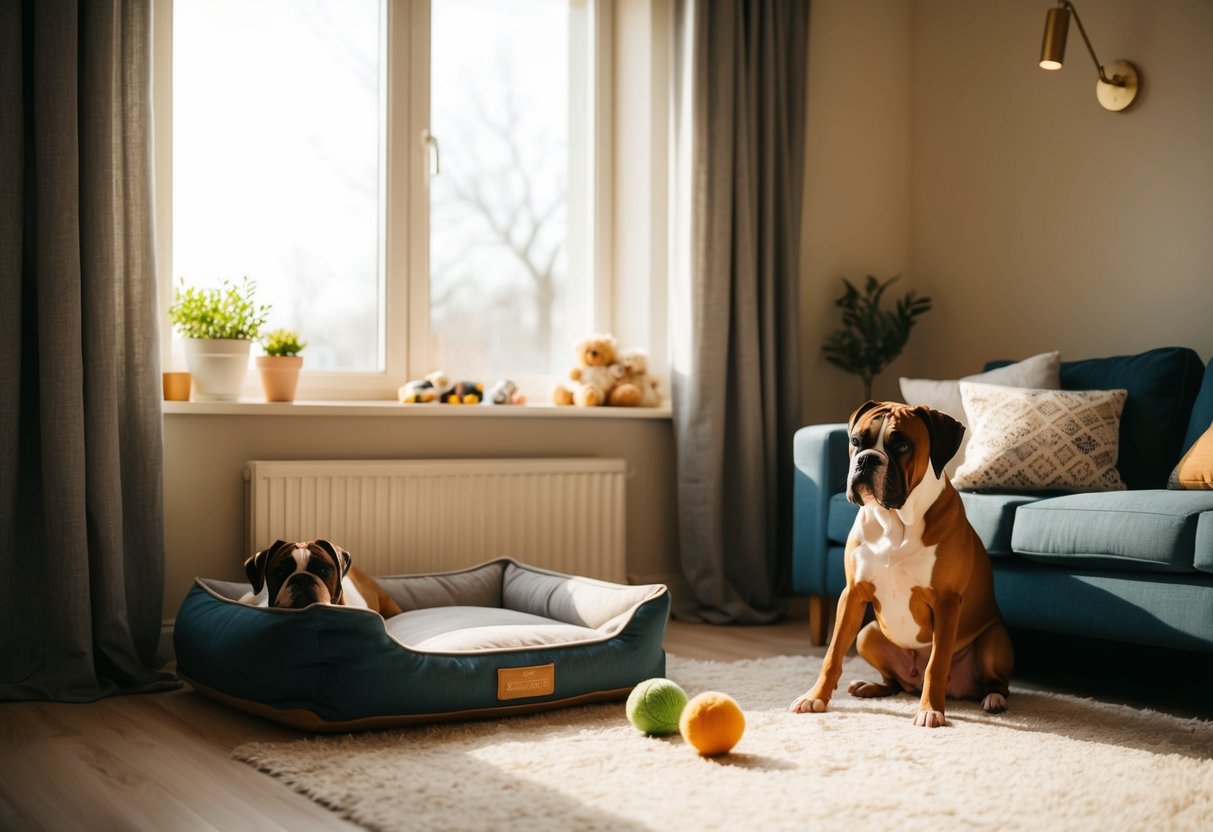
Leaving your Boxer alone can be challenging, but there are several ways to help. Professional assistance and daily care options can provide the support your dog may need. You want to ensure that your Boxer feels safe, happy, and well-cared for while you are away.
Professional Assistance and Training
Working with a professional dog trainer can greatly help your Boxer adjust to being home alone. Trainers can teach you effective strategies to minimize separation anxiety. They focus on consistency and use techniques like gradual training.
With guidance, you can develop a routine that includes regular walks and daily exercise. This physical activity keeps your Boxer mentally stimulated and tired. Trainers can also help with dog behavior issues that may arise when your pup is left alone.
Additionally, using a camera can track your dog’s behavior while you’re away. It offers peace of mind, knowing how your Boxer is handling their time alone.
Doggy Daycare and Walking Services
Consider enrolling your Boxer in doggy daycare. This setup provides socialization opportunities and prevents loneliness. Daycares often offer structured playtime, which can be great for your dog.
If daycare isn’t suitable, think about hiring a dog walker or a dog sitter. These services help break up your dog’s day and provide essential potty breaks. A dog walker can ensure your Boxer gets fresh air and exercise while you’re busy.
Look for services that prioritize the well-being of dogs. Regular visits can make a big difference in your Boxer’s happiness. With these resources, your Boxer can thrive even when you need to be away.


