
If you have a Boxer, you may have noticed their shedding habits change throughout the year. Boxers typically shed more during spring and fall, with noticeable fur loss around these times. This shedding can be influenced by changes in daylight and temperature, which signal your dog’s body to prepare for different seasons.

During spring, as the weather warms up, Boxers will shed their winter coat to make way for lighter fur. In the fall, they often lose hair to prepare for the colder months ahead. While some Boxers shed all year round, others may only have significant shedding during these key times. Understanding this can help you manage your dog’s grooming routine more effectively.
Being aware of when your Boxer sheds most can make a difference in how you approach cleaning up fur around your home. With proper grooming and care, you can keep shedding to a minimum and enjoy the playful nature of your Boxer without excessive fur getting in the way.
Understanding Boxer Shedding

Boxers shed throughout the year, but their shedding patterns can change with the seasons. Knowing when your Boxer typically sheds can help you manage the hair in your home better.
Shedding Patterns and Seasons
Boxers usually experience heavier shedding during spring and fall. In spring, your dog sheds their winter coat to make way for a lighter coat for warmer weather. This can result in noticeable fur around your home.
In the fall, the shedding occurs as they lose their summer coat to prepare for colder months. Although Boxers have short hair, you might still notice the fur more during these times.
During other parts of the year, shedding is lighter, and you might hardly notice it. Regular grooming, like brushing, can help keep shedding manageable throughout the year.
Factors Influencing Shedding
Several factors can influence how much your Boxer sheds. Genetics play a big role. Some Boxers may naturally shed more than others. A well-bred Boxer might shed less if they come from a lineage known for a healthier coat.
Hormonal changes are another factor. For instance, spaying or neutering your Boxer can affect their shedding patterns. Health conditions like allergies or skin issues can also cause increased shedding.
Make sure to keep an eye on your dog’s health. If you notice significant changes in their shedding, it might be worth a visit to the vet to rule out any concerns.
Caring for Your Boxer’s Coat
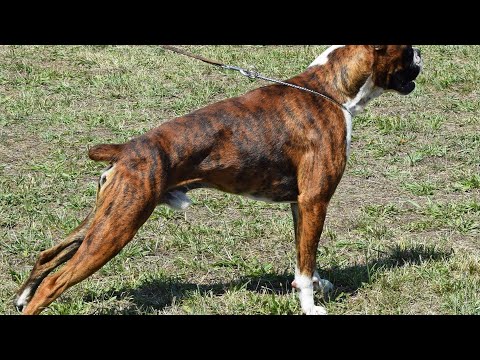
Taking care of your Boxer’s coat is crucial for their health and comfort. Regular grooming, proper bathing, and a balanced diet with supplements can help keep their coat shiny and reduce shedding.
Brushing Techniques
Brushing your Boxer is essential to maintain a healthy coat. Use a hound mitt or grooming glove to remove loose hair gently. This method is effective, especially during shedding seasons in spring and fall.
Aim to brush your Boxer at least once a week. During peak shedding times, increase this to every other day. This helps control hair around the house.
Be sure to pay attention to areas prone to matting, like behind the ears and around the tail. Finally, always reward your Boxer after a grooming session to create a positive experience.
Bathing and Dog Shampoo
Bathing your Boxer is important, but it should be done with care. Use a gentle dog shampoo that is formulated for their skin type. Avoid products with harsh chemicals that can cause irritation.
Generally, bathing once a month is sufficient. However, if your dog becomes particularly dirty or smelly, feel free to bathe them sooner.
After bathing, always rinse thoroughly to remove all shampoo. This will help maintain their skin’s natural oils, contributing to a healthier coat. Dry them with a towel and use a brush to keep their coat smooth.
Diet and Supplements
A well-balanced diet is vital for your Boxer’s coat health. High-quality dog food that includes proteins and prevents excessive shedding should be your priority. Look for options that contain omega-3 fatty acids, as these promote a shiny coat and healthy skin.
Consider adding supplements if necessary. Fish oil is a popular choice that supports skin and coat conditions. Always consult your vet before introducing new supplements to ensure they’re suitable for your dog.
Managing Shedding at Home

Dealing with shedding can be challenging, but with the right strategies, you can keep your home cleaner and reduce the impact of pet allergies. Here are key methods to manage shedding effectively.
Vacuuming Strategies
Regular vacuuming is essential for managing pet hair. Consider using a vacuum with a HEPA filter to trap allergens and dander, not just hair. Aim to vacuum high-traffic areas at least twice a week, and increase frequency during shedding seasons.
Focus on furniture, carpets, and under cushions where hair tends to collect. Don’t forget to use vacuum attachments specifically designed for pet hair. Also, keep a lint roller handy for quick touch-ups on clothing and furniture.
You might want to create a vacuuming schedule to help you stay on track. This can save you time and ensure your home remains fur-free.
Minimizing Pet Allergies
To reduce pet allergies, start with regular grooming. Brushing your Boxer several times a week helps to remove loose hair before it falls onto your floors and furniture. This not only cuts down on shedding but also distributes natural oils in their coat, promoting healthier fur.
Air purification is another effective strategy. Use HEPA air purifiers in common areas to filter out pet dander and hair. Additionally, wash your Boxer’s bedding regularly to lessen allergens in your home.
Finally, keeping your home clean by washing floors and using allergy-friendly products can also make a huge difference. Prioritize these tips to create a more comfortable environment for you and your family.
Addressing Excessive Shedding

If you notice your Boxer is shedding more than usual, it’s important to identify the cause. Understanding abnormal shedding can help you take the right steps for your dog’s health. Here’s what you should consider when addressing excessive shedding.
Identifying Abnormal Shedding
Excessive shedding is more than just seasonal changes. You should look for signs of abnormal shedding. If your Boxer is losing large clumps of hair or if you see bald patches, this could be a sign of an underlying issue.
Common Causes:
- Allergies: Environmental factors or food allergies can lead to hair loss.
- Parasites: Mange or fleas can cause irritation and hair loss.
- Health Issues: Hormonal imbalances or skin infections may contribute to excessive shedding.
Keep an eye on your dog’s skin. Redness, irritation, or excessive scratching can signal a problem. Regular grooming can help manage loose hair and improve your dog’s skin health.
When to Consult a Vet
If you suspect your Boxer has abnormal shedding, consult a vet for a proper diagnosis. Your vet can help determine if the shedding is linked to allergies, skin conditions, or other health issues.
When to Seek Help:
- Shedding occurs suddenly and is accompanied by other symptoms like lethargy, changes in appetite, or skin issues.
- Your dog is scratching more than usual, leading to skin irritation.
A vet may recommend tests to identify the cause of the shedding. Early intervention is key in addressing potential health problems and ensuring your Boxer stays happy and healthy.


