
If you’re a beagle owner, you might wonder if these playful pups can handle off-leash adventures. Beagles are known for their friendly nature and curious instincts, which can make off-leash time both exciting and challenging. While they can enjoy being off-leash, effective training and safety measures are essential to ensure they stay out of trouble and return to you when called.
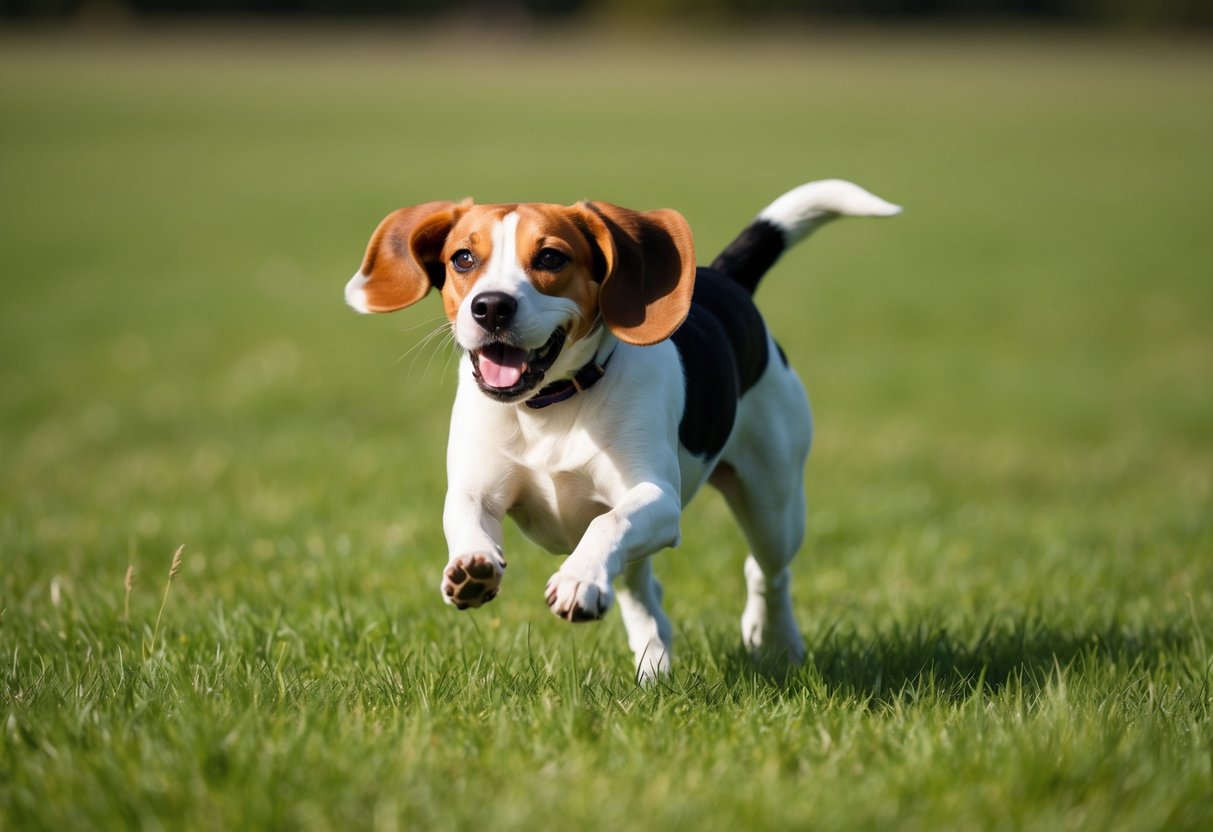
Training your beagle for off-leash moments starts with mastering basic commands indoors. Once they understand these commands, you can gradually introduce them to outdoor settings. This can enhance their confidence and help you ensure their safety in open areas.
Proper socialization and a secure environment will further support positive experiences when letting your beagle roam free.
Remember, every beagle is unique. Their ability to behave off-leash can depend on their personality and training. With the right approach, your beagle can enjoy the freedom of exploring while still being connected to you.
Understanding Beagle Behavior

Beagles have unique behaviors that make them both charming and challenging. Understanding their natural instincts can help you decide if they are suitable for off-leash activities.
Scent Tracking and Prey Drive
Beagles are known as scent hounds. This means they have a powerful sense of smell, which drives many of their actions. Their natural instincts push them to track scents, sometimes leading them away from you.
When outside, your beagle might pick up a scent and decide to follow it. This strong prey drive can cause them to chase animals, making it hard for them to return when called. Training can help, but it requires consistent effort and patience.
To manage this, consider using a long leash when in open areas. This allows your beagle some freedom but keeps them close enough for safety.
Intelligence and Stubbornness
Beagles are also intelligent dogs. They can learn commands and tricks quickly. However, their intelligence comes with a twist. They can be quite stubborn, especially if they are distracted.
When they see something interesting, like a squirrel or a bird, they may ignore your commands. This makes training crucial for off-leash success.
Practice recall commands regularly to reinforce their training. Using positive reinforcement, like treats or praise, can motivate your beagle. Keep training sessions short and fun. This approach can make a big difference in their responsiveness.
Fundamentals of Off-Leash Training

Training your Beagle to be reliable off-leash requires strong commands and a consistent approach. Focusing on a solid recall command and using positive reinforcement can help you achieve successful training results.
Building a Strong Recall Command
A reliable recall command is crucial for off-leash training. Start by teaching your Beagle a clear, simple command like “come.”
Begin in a quiet, enclosed space. Call your dog’s name followed by the command. When they respond, reward them with treats or praise. This builds a connection between the command and a positive outcome.
Gradually increase distractions as your Beagle improves, practicing in different locations. Use a long leash as you progress to give them some freedom while still having control.
Be patient. Repeat the training frequently to reinforce the behavior. A solid recall can make all the difference when your Beagle is off-leash.
Consistency and Positive Reinforcement
Consistency is key in off-leash training. Use the same commands every time you train your Beagle. This helps them understand what you expect.
Incorporate positive reinforcement into your training routine. Rewards can include treats, praise, or playtime. Finding what motivates your dog will speed up the training process.
For example, if your Beagle loves a specific toy, use it as a reward when they successfully follow a command.
Remember to stay patient and calm. Training takes time, especially with Beagles, who can be stubborn. Celebrate small victories to keep your Beagle motivated and engaged.
Preparing for Off-Leash Activities
Getting your beagle ready for off-leash activities involves understanding their behavior and ensuring they are well-trained. You want to focus on socialization and training in environments with distractions.
Socialization and Dog Park Etiquette
Socialization is key for your beagle. Start by introducing them to other dogs in a controlled manner. Attend local dog parks where your pup can meet different breeds. Observe how they interact and provide positive reinforcement for good behavior.
Teach your beagle proper dog park etiquette. Ensure they understand basic commands like “sit” and “come.” This helps keep them safe and gives you control. Always supervise your dog and keep an eye on other dogs.
Remember to pick up after your beagle. Showing respect for the park and other visitors makes for a more enjoyable experience for everyone.
Training in Distracting Environments
Training in distracting environments is essential for keeping your beagle focused. Begin in a quiet area to teach commands before gradually introducing distractions like other dogs or people.
Use a long leash at first, allowing your beagle to explore while still being in control. Mix in treats and praise when they respond well to commands, especially when distractions are present.
Beagles love to follow scents, so they may become easily distracted. Practice recall training often. Use a whistle or a specific phrase to get their attention back to you. Consistency is key in helping them stay focused during off-leash walking.
Safety and Responsibility
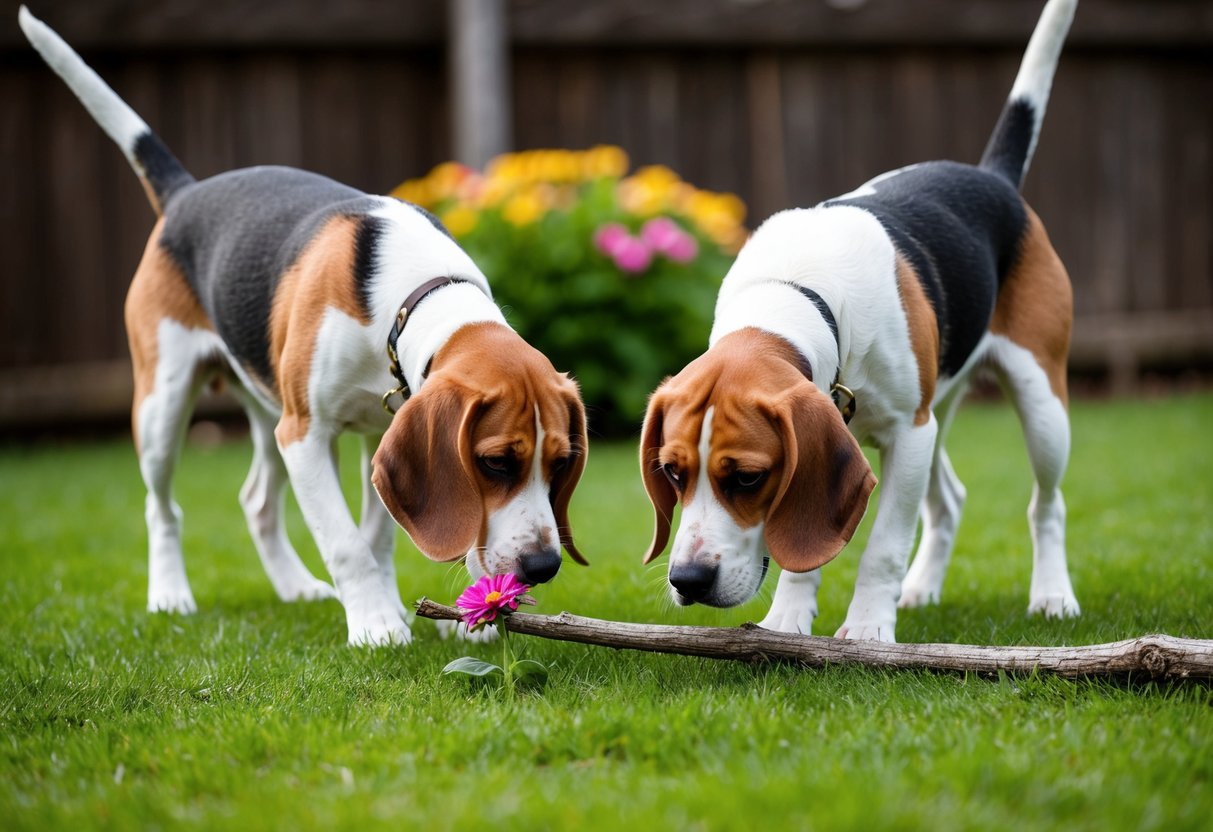
When considering off-leash activities for your beagle, safety is a top priority. You need to assess your environment and know when to seek expert help to ensure everything goes smoothly.
Assessing Environments for Off-Leash Safety
Before letting your beagle off the leash, carefully assess the environment. Look for open spaces where your dog can roam safely without threats.
Key factors to consider:
- Fencing: Ensure the area is securely fenced to prevent escapes. Beagles are known as escape artists and can quickly find ways out.
- Wildlife: Check for nearby wildlife that might distract your dog or pose a danger. Their strong sense of smell can lead them to chase animals.
- Crowds: Avoid crowded areas. Too many distractions can overwhelm your beagle, making it harder to maintain control.
- Weather: Make sure the weather is suitable. Extreme conditions can affect your beagle’s comfort and safety.
Monitoring your surroundings closely will help keep your beagle safe while enjoying off-leash time.
When to Consult a Professional
If you’re unsure about letting your beagle off-leash, consulting a professional dog trainer can be beneficial. They can evaluate your dog’s behavior and help develop effective off-leash strategies.
Consider seeking help in these situations:
-
A trainer can provide techniques for better control if your beagle has a strong prey drive or tends to chase smaller animals.
-
If your beagle has had previous escape attempts, a professional can offer tips on how to minimize risks.
-
A trainer can also teach you how to use tools like whistles for effective communication if you need training on reliable recall.
Investing time with a professional ensures you’re equipped with skills that prioritize safety. Your beagle’s happiness and security should always come first.


