
Beagles are known for their energetic and curious nature, but their loud barking can sometimes be a challenge. As a dog owner, you may be wondering if bark collars can help with this behavior. Many dog owners find that bark collars can effectively reduce excessive barking in Beagles when used correctly.

When considering a bark collar, it’s essential to choose one that suits your dog’s needs and personality. Some collars offer various training modes, which can help gently guide your Beagle towards better behavior.
In this article, you’ll discover different types of bark collars and tips on how to use them effectively to train your furry friend.
By understanding how these devices work and knowing what options are available, you can make an informed choice. This can lead to a more peaceful home while keeping your Beagle happy and healthy.
Understanding Beagles and Barking Behavior
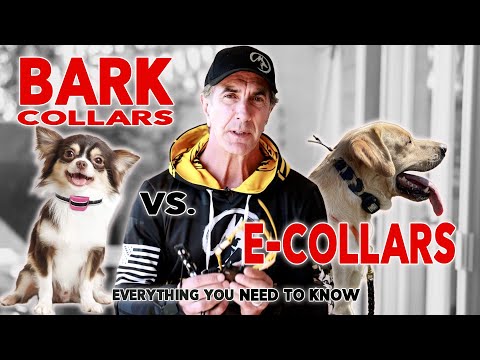
Beagles are known for their friendly nature and unique barking habits. Understanding these traits can help you address excessive barking and improve your relationship with your furry friend.
Traits of the Beagle Breed
Beagles are a small to medium-sized breed with a strong sense of smell and alertness. This makes them natural watchdogs. They are friendly and social, often bonding closely with their families. Their curiosity and playful spirit make them energetic companions.
Beagles have a distinct howl that can be quite loud. This vocal tendency is part of their breed traits. With their pack behavior, they tend to bark more when they are excited or alert. You may find that your beagle uses barking as a way to communicate with you and express their needs.
Reasons Behind Excessive Barking
There can be several reasons for excessive barking in beagles. One common cause is boredom. If your beagle doesn’t receive enough mental or physical stimulation, they may bark to release pent-up energy. Regular exercise and playtime can help reduce this behavior.
Another reason could be their alert nature. Beagles often bark to signal the presence of perceived intruders like neighbors or squirrels. You may notice that certain sounds trigger their barking.
Additionally, if a beagle is anxious or frustrated when left alone, they might bark as a way to cope. Identifying the reasons behind your beagle’s barking can help you find effective solutions.
Overview of Bark Collars

Bark collars are tools designed to help manage excessive barking in dogs, including Beagles. They come in various types and work using different methods to train your dog. It’s also important to consider their safety and ethical implications when choosing a collar.
Types of Bark Collars
There are several types of bark collars available, each serving different needs.
-
Electronic Bark Collars: These collars deliver a mild electric shock when your dog barks. They often have adjustable sensitivity levels to tailor the correction to your dog’s temperament.
-
Vibration Bark Collars: Instead of a shock, these collars use vibrations to get your dog’s attention when they bark. They can be a gentle way to discourage barking without discomfort.
-
Ultrasonic Bark Collars: These collars emit a high-pitched sound that dogs find unpleasant when they bark. This sound is inaudible to humans.
-
No-Shock Bark Collars: Also known as humane training collars, they use methods like citronella spray or sound to deter barking without causing pain.
Choosing the right collar depends on your dog’s behavior and your training approach.
How Bark Collars Function
Bark collars work by detecting barking through sound or vibration. Once a bark is detected, the collar issues a correction.
-
Electronic collars deliver a quick static pulse, which catches your dog’s attention.
-
Vibration collars use a series of vibrations that signal your dog to stop barking.
-
Ultrasonic collars activate a high-frequency sound to distract your dog.
Most collars also have adjustable training modes and sensitivity levels. This allows you to customize the correction strength based on your dog’s response, ensuring effective training. Many also feature waterproof and rechargeable designs for convenience.
The Debate Over Collar Safety and Ethics
The use of bark collars raises important discussions about safety and ethics.
Some owners find collars effective and see improvement in their dog’s behavior. However, concerns exist about the potential for causing stress or anxiety.
-
Humane training advocates encourage using methods that promote positive reinforcement rather than punishment.
-
Collars that utilize no-shock options are often viewed as more ethically sound and can be just as effective if used correctly.
When considering a collar, think about your dog’s personality and your training goals. Make sure to choose options that prioritize your dog’s well-being and comfort.
Effective Beagle Training Techniques
Training your Beagle effectively requires understanding their unique traits and motivations. Using the right techniques can make a big difference in your experience as a dog owner. Focusing on positive reinforcement and exploring alternatives to bark collars can help you manage your Beagle’s barking and enhance their behavior.
Positive Reinforcement Training
Positive reinforcement training is a powerful method for teaching your Beagle good behavior. This approach involves rewarding your dog when they follow commands or exhibit the behavior you want. Rewards can include treats, praise, or playtime.
For example, when your Beagle sits or stays quietly, give them a treat right away. This helps them understand that good behavior leads to positive outcomes.
Short, fun training sessions work best. Beagles have a short attention span, so aim for around 5-10 minutes each time. This keeps your Beagle engaged and eager to learn. Remember to be consistent with commands and rewards to reinforce good behavior.
Alternatives to Bark Collars
If you’re looking for alternatives to bark collars, consider training tools like clickers or calming aids.
Clicker training uses a distinct sound to mark good behavior, followed by a reward. This method helps your Beagle connect the dots between their actions and the reward.
Calming aids such as aromatherapy sprays or anxiety wraps can also help reduce barking caused by anxiety or excitement. These tools can create a more relaxed environment for your Beagle, making them less likely to bark unnecessarily.
You can also explore interactive toys that keep your Beagle occupied. These toys can distract them when they feel the urge to bark, leading to less disruptive behavior while keeping them engaged.
Combining Training Methods
Combining training methods can enhance your Beagle’s learning experience.
For example, using both positive reinforcement and clicker training together helps your Beagle receive immediate feedback on their behavior.
Another effective combination includes crate training alongside positive reinforcement. Crate training aids in housebreaking and provides your dog with a safe space. Reward your Beagle when they go into the crate willingly.
By blending different techniques, you can address barking issues while promoting overall good behavior. Always remain patient and adjust your approach based on your Beagle’s responsiveness. Consistency is key to successful training!
Choosing the Right Bark Collar for Your Beagle

Selecting a bark collar can be vital for managing your Beagle’s barking. Consider important features, recommended products, and warranty information to make the best choice.
Key Features to Consider
When choosing a bark collar, explore these essential features:
-
Training Modes: Look for collars that offer multiple training modes, including sound, vibration, and no-shock options. This flexibility helps find what works best for your Beagle.
-
Sensitivity Levels: A collar with adjustable sensitivity allows you to tailor the response based on your dog’s barking style and environment.
-
Waterproof Design: Since Beagles love to explore, a waterproof collar ensures it holds up in various weather conditions.
-
Rechargeable Battery: Opt for a collar with a rechargeable battery to avoid the hassle of constant replacements.
These features can enhance training and promote a comfortable experience for your pet.
Product Recommendations and Reviews
Some popular bark collars for Beagles include:
-
TBI BARK PRO V3: This collar is highly rated for its effectiveness and sensitivity settings. It features both vibration and sound modes.
-
PATPET A11: Known as the best value option, this no-shock collar provides safe and effective training with a variety of correction methods.
-
SportDOG Brand 4: This waterproof collar is suitable for active Beagles and offers multiple training modes and adjustable sensitivity.
Explore options such as these to find a collar that matches your Beagle’s needs and your training approach.
Understanding the Warranty and Support
Before purchasing a bark collar, check the warranty and support options.
-
Warranty Coverage: Many brands offer warranties ranging from one to two years. This coverage can give you peace of mind regarding your purchase.
-
Customer Support: Look for brands that provide good customer support. This could be helpful if you encounter any issues or have questions regarding the collar.
Ensuring you have a reliable warranty and support can make a significant difference in your experience and satisfaction with the collar.


