
Beagles are known for their friendly nature and strong noses, but sometimes they can be a challenge during walks. If you find yourself asking, beagles won’t walk for reasons such as fear, pain, or simply not wanting the fun to end. Understanding these reasons can help you encourage your pet to enjoy their time outside.

You are not alone in this struggle. Many beagle owners experience moments when their dog stops in their tracks or refuses to budge. This behavior can be frustrating, but recognizing what might be causing it is the first step in solving the problem.
In this article, we will explore common reasons why your beagle might not want to walk and provide helpful tips to get those paws moving again. By addressing these issues, you can make walks more enjoyable for both you and your furry friend.
Understanding Your Beagle’s Behavior

Understanding your beagle’s behavior is essential to improve their walking habits. Beagles have unique traits and needs that affect how they respond to different situations. Recognizing these signs can help you address issues effectively.
The Beagle as a Breed
Beagles are known for their friendly and curious nature. They are eager to explore the world around them. Unlike some breeds, beagles can be stubborn and independent. This independence might make walking challenging.
A beagle’s strong sense of smell drives them to follow scents rather than walk by your side. This natural instinct is essential to understand. You may need to use patience and consistent training to encourage good walking habits.
Recognizing Signs of Anxiety and Fearfulness in Dogs
Your beagle may show signs of anxiety or fear when walking. Look for behaviors such as whining, cowering, or trying to hide. They might also refuse to move or pull away from areas that scare them.
Common triggers include loud noises, unfamiliar surroundings, or meeting new dogs. If your beagle displays these signs, it’s important to address their feelings. Gradual exposure to new environments and positive reinforcement can help boost their confidence.
The Concept of a Pack Leader in Dog Training
Establishing yourself as a pack leader can improve your beagle’s behavior. Dogs often look for guidance from their owners, and being a confident leader helps them feel secure. They will be more likely to follow your lead when walking.
To reinforce your role, use consistent commands and rewards for good behavior. This can create a trusting relationship between you and your beagle. When they see you as a pack leader, they may become more willing to walk with you.
Health Considerations for a Beagle

When it comes to your beagle’s health, there are a few important issues to consider. Being aware of these conditions can help you keep your furry friend happy and active.
Common Health Issues in Beagles
Beagles are prone to several health issues. Some common problems include epilepsy, vision disorders, and obesity.
You might notice your beagle having seizures, which can start as early as 1.5 years old. Vision problems can affect their ability to see clearly and may require veterinary care.
Additionally, beagles love to eat, which can lead to obesity if their diet isn’t managed. Keeping an eye on their weight is important, as extra pounds can lead to other health issues.
Hip Dysplasia and Mobility
Hip dysplasia is another concern for beagles. This hereditary condition affects the hip joint, leading to discomfort and mobility issues.
Signs include difficulty getting up, reluctance to exercise, or limping. If you notice these behaviors, it’s important to consult your vet.
Treatment options vary from weight management to medication and, in severe cases, surgery. Regular vet check-ups can help catch these issues early.
Intervertebral Disc Disease (IVDD) in Beagles
Intervertebral disc disease (IVDD) can be serious for your beagle’s health. This condition occurs when the discs in the spine move out of place and put pressure on the nerves.
Symptoms include back pain, reluctance to jump or climb stairs, and even paralysis in severe cases. If your beagle shows any of these signs, swift veterinary attention is crucial.
Managing IVDD often includes medication and physical therapy. In some cases, surgery may be needed. Keeping your beagle fit can help reduce the risk of developing this condition.
Effective Training Strategies for Beagles

Training your Beagle requires patience and the right techniques. Focusing on positive reinforcement and effective leash training can help you connect better with your dog and make walks enjoyable for both of you.
The Importance of Positive Reinforcement
Using positive reinforcement is key when training your Beagle. This method rewards good behavior with treats, praise, or playtime. Make sure to give your Beagle a treat right after they follow a command. This helps them understand what you want.
Beagles are naturally curious and energetic. They respond well to encouragement. You might try using small pieces of their favorite snacks as rewards. Consistent praise helps your Beagle feel happy during training. It also builds trust between you and your dog.
Remember that training should be fun! Keep sessions short, around 5 to 10 minutes. This helps your Beagle stay engaged. If your Beagle does something right, celebrate it. The more fun you have, the more your Beagle will want to learn.
Leash Training Your Beagle
Leash training is essential for enjoyable walks. Start by introducing your Beagle to the collar and leash at home. Let them wear it for short periods to get comfortable.
When you take them outside, use a comfortable leash that allows some freedom.
Practice walking around your home first. Once your Beagle is used to the leash, go outside and take short walks. If your Beagle pulls, stop walking. Wait for them to return to your side before moving again. This teaches them to stay close.
Training your Beagle to walk politely on a leash takes time. Use treats when they walk beside you without pulling. Be patient and stay consistent. With practice, your Beagle will learn to enjoy walks in a calm way.
When Your Beagle Refuses to Walk
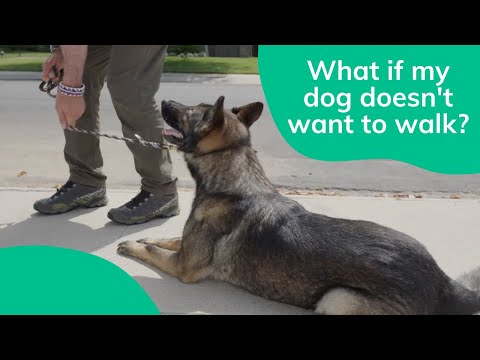
When your beagle refuses to walk, it can be frustrating. Understanding why this happens is key to helping your furry friend move forward. Let’s explore how to identify triggers and encourage your beagle to get back on their paws.
Identifying the Triggers When a Dog Stops Walking
Your beagle might stop walking for several reasons. First, check for physical discomfort. Injuries or sore paws can make your dog hesitate to walk. Look for signs like limping or whining.
Another common trigger is fear or anxiety. Loud noises, unfamiliar environments, or certain people can scare your beagle. Pay attention to their body language. A tucked tail or crouched stance indicates they might feel uneasy.
Sometimes, dogs will refuse to move to seek your attention. If your beagle notices that stopping leads to extra love or treats, they may continue this behavior. Understanding these triggers helps you be a better beagle owner.
How to Encourage Movement and Overcome Resistance
To help your beagle start walking again, consider using positive reinforcement. Bring their favorite treats and praise them when they take a step forward. This builds confidence and encourages movement.
You might need to change the time or place for walks. Early mornings or quiet areas might reduce distractions and make walks more enjoyable.
Also, allow your beagle to sniff around occasionally.
If your dog still refuses to walk, try a pet stroller for bigger dogs. This will help them enjoy the outdoors without stress.
Patience is important; gently wait for them to decide to move.


