
Are you looking for a dog that will stay small throughout its life? Many people love small dogs for their charm and adaptability. Toy and miniature breeds are great options if you want a furry friend that remains tiny even as they grow up.
These breeds typically weigh under 20 pounds and can fit comfortably in your lap or a small space, making them perfect companions for apartments and smaller homes.
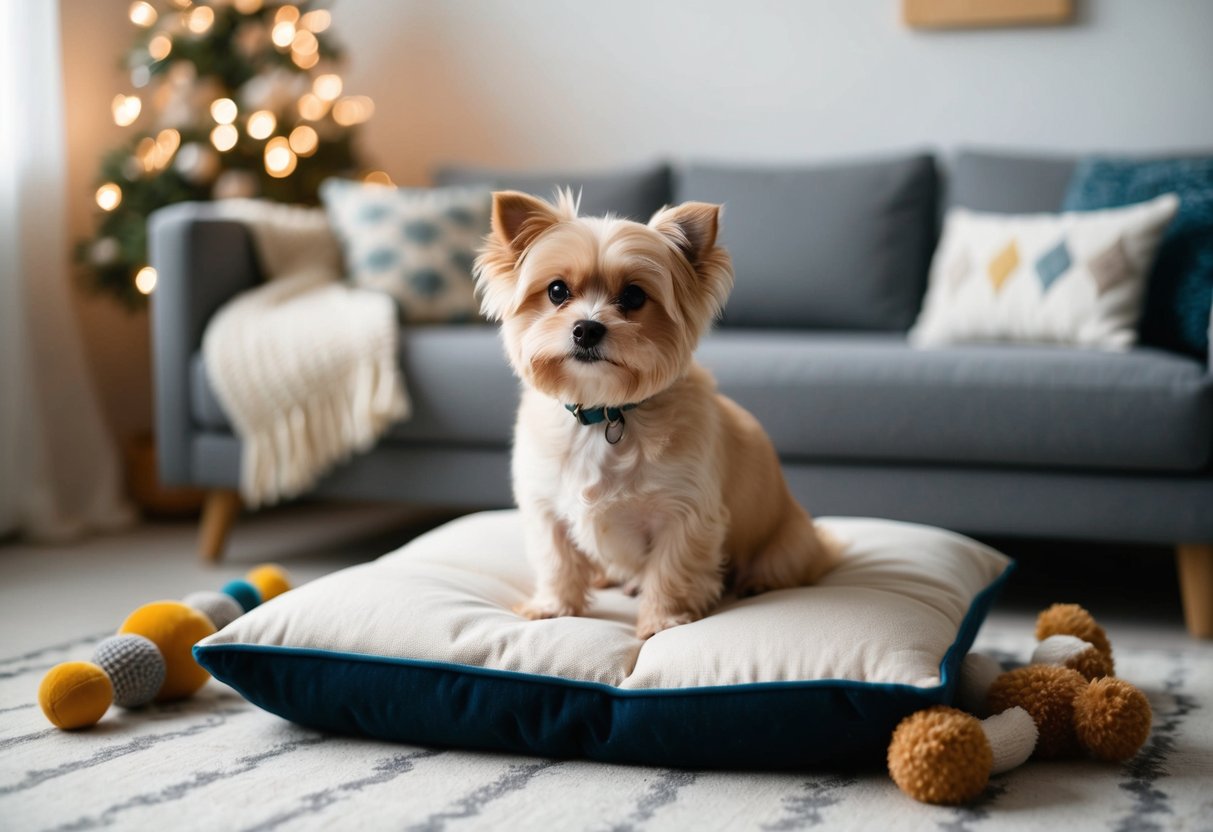
When choosing a small dog, consider popular options like Chihuahuas, Pomeranians, and Yorkshire Terriers. These breeds not only bring joy and companionship to your life but also require less space and exercise compared to larger dogs.
With their playful personalities and manageable size, dogs that stay small can fit seamlessly into your daily routine and provide endless love.
Understanding Small Dog Breeds
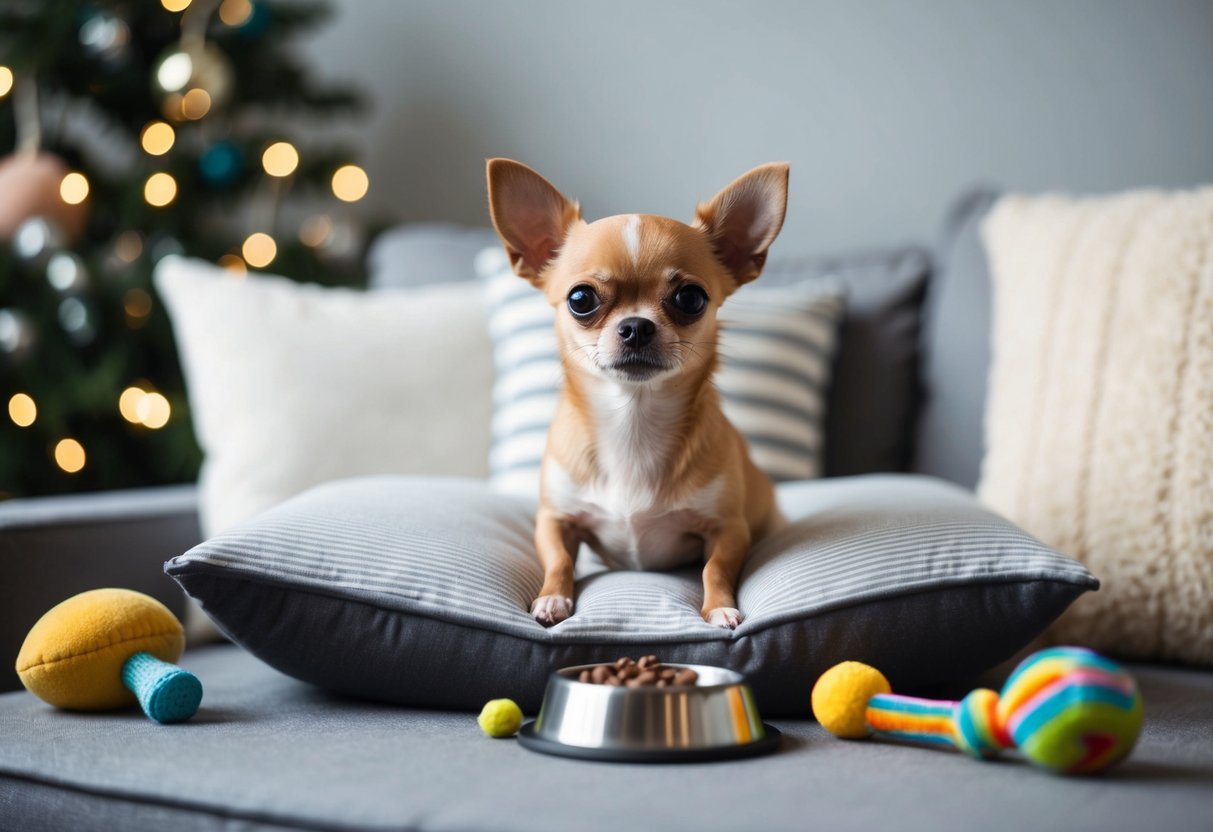
Small dog breeds come in various shapes and sizes, captivating many dog lovers with their unique qualities. These breeds often make perfect companions, especially for those living in smaller spaces. Let’s explore what defines these tiny pups and their common traits.
Defining ‘Small’
When considering small dog breeds, most people think of dogs that weigh under 20 pounds. Many of these breeds, like Chihuahuas, Pomeranians, and Maltese, fit well within this range.
The smallest dogs can weigh as little as 2-5 pounds. Breeds such as the Teacup Yorkie and a Chihuahua, showcase this tiny size. These dogs are often recognized for their compact build and adorable features.
Small dogs are generally more suitable for apartments or homes with limited space. They can easily adapt to different lifestyles. However, some smaller breeds may have more energy and require regular exercise.
General Characteristics
Small dog breeds share several characteristics that make them appealing. Many are known for their playful and affectionate nature.
Here are some common traits of small dogs:
- Adaptability: They adjust well to different living situations.
- Trainability: Most small dogs are eager to please and can learn commands quickly.
- Lifespan: Generally, smaller breeds tend to live longer than larger ones, often reaching 12-16 years.
While they may appear delicate, many small dogs are energetic and playful. Breeds like French Bulldogs and Dachshunds offer a fun-loving spirit along with a loyal temperament.
Understanding these qualities can help you choose a breed that fits your lifestyle and preferences.
Popular Small Dog Breeds

If you’re looking for a furry companion that stays small, there are many wonderful breeds to consider. Each breed has its unique traits and charming qualities that can make them the perfect pet for you.
Toy Group Favorites
The Toy Group features some of the smallest and most popular dog breeds. These dogs are known for their affectionate nature and playful spirit.
-
Maltese: This breed has a long, silky coat and a lively personality. Maltese dogs are gentle and thrive on companionship.
-
Pomeranian: With their fluffy coat and vibrant personality, Pomeranians are both cute and spirited. They make great watchdogs thanks to their alertness.
-
Chihuahua: Chihuahuas are very small yet full of character. They are often very loyal and can form strong bonds with their owners.
-
Shih Tzu: Known for their adorable face and friendly disposition, Shih Tzus love being the center of attention.
Miniature Marvels
The Miniature breeds offer a wonderful mix of charm and charisma. They are small but have big personalities.
-
Pug: Pugs are known for their signature wrinkled face and playful demeanor. They are friendly and adaptable.
-
Yorkshire Terrier: These tiny terriers are full of energy and have a beautiful, flowing coat. They are playful and love to socialize.
-
Japanese Chin: This breed is elegant and affectionate. They enjoy cuddling and are great companions.
-
Miniature Pinscher: Often mistaken for a small Doberman, Miniature Pinschers are active and spirited, making them fun pets.
-
Italian Greyhound: Smaller than their Greyhound relatives, these dogs are sleek and elegant. They are sweet-natured and love to run.
-
Papillon: With their distinct butterfly-like ears, Papillons are playful and intelligent. They thrive in interactive environments.
-
Dachshund: Known as “wiener dogs,” they have a long body and short legs. They are curious and love to explore.
-
French Bulldog: With their bat-like ears and affectionate nature, French Bulldogs are very popular among small dog lovers.
These small breeds can bring joy, companionship, and plenty of love into your life.
Health and Care Considerations

When caring for small dogs, it’s important to focus on both daily routines and specific health matters. These aspects help ensure your furry friend stays happy and healthy throughout their life.
Daily Care Routines
Caring for a small dog requires a consistent daily routine.
Start with a balanced diet. Choose high-quality, hypoallergenic food to avoid allergies and digestive issues. Feed your dog according to breed-specific guidelines to maintain a healthy weight.
Regular exercise is essential, too. Small dogs need about 30 minutes of activity each day. This can include walks, playtime, or even training sessions. Keep play sessions gentle to avoid overstressing their joints.
Grooming is another vital part of their care.
Depending on the breed, you may need to brush their coat several times a week. This keeps their fur healthy and minimizes shedding in hypoallergenic breeds.
Don’t forget dental care! Brush your dog’s teeth regularly to prevent dental diseases, which small dogs are prone to.
Health Matters
Small dogs often face specific health challenges. Common concerns include dental problems and luxating patella. Regular vet visits are crucial to catch these issues early.
Dental care tips:
- Schedule annual dental cleanings.
- Offer dental treats to maintain oral hygiene.
Maintaining a healthy weight is also vital. Obesity can lead to serious health complications, including joint problems. Monitor their food intake and provide plenty of exercise to keep your dog fit.
Be aware of signs of stress or discomfort. Small dogs thrive in affectionate environments, so ensure they feel safe and loved. Providing a stress-free atmosphere can greatly enhance their well-being.
Living with a Small Dog
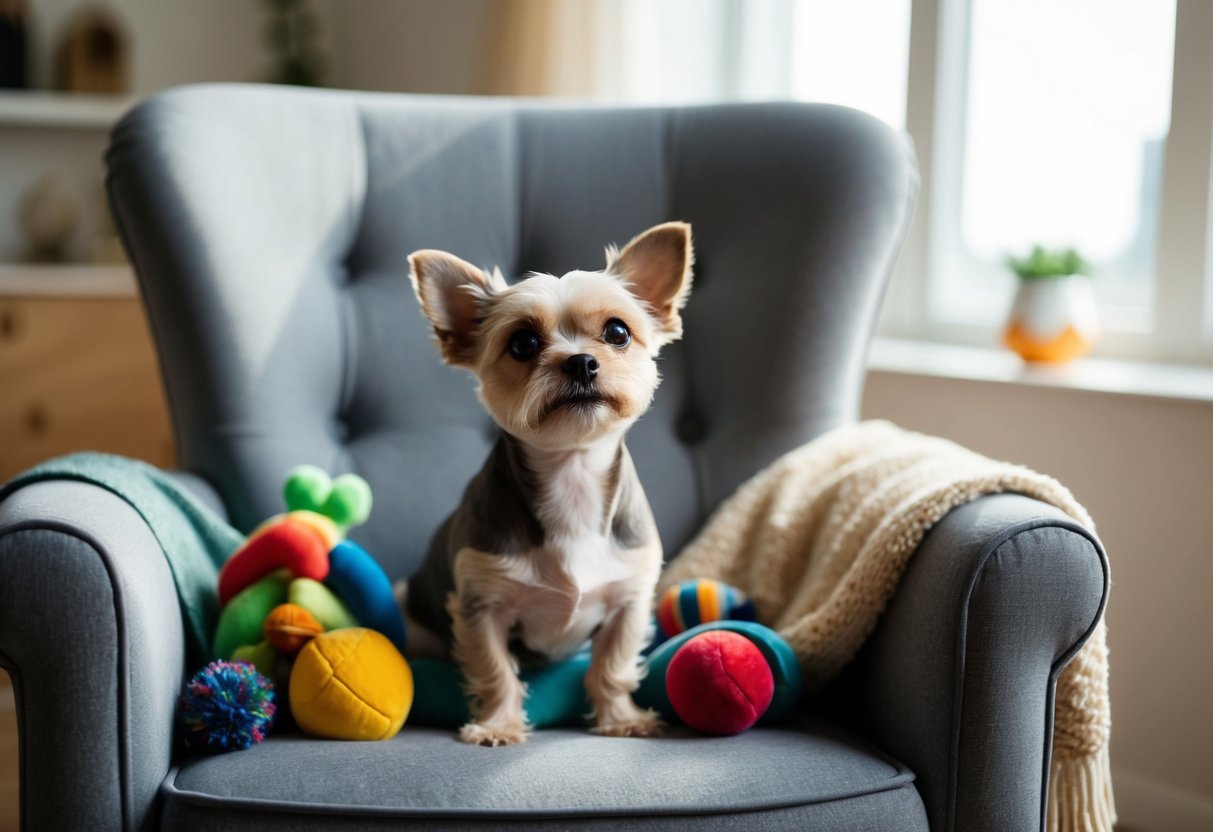
Having a small dog can be a joyful experience. Their size makes them adaptable to various living environments. It’s important to create a welcoming space and ensure proper training for a happy life together.
Home Environment
Your small dog will thrive in an environment that’s safe and comfortable.
Create a cozy spot with a soft bed, away from drafts. Teacup Yorkies, for example, love small spaces where they feel secure.
Make sure to dog-proof your home. Remove any small objects that could be swallowed and secure cables and cords. Small dogs can fit into tight places, so keep hazardous areas blocked off.
To provide mental stimulation, consider toys that challenge their brains. Toys that squeak, puzzle toys, or even a simple ball can keep them entertained. Remember to set aside a safe area for playtime.
Training and Socialization
Training is key to a happy dog. Start with basic commands like “sit” and “stay,” using positive reinforcement. Small breeds like the Bichon Frise respond well to encouragement and treats.
Socialization is crucial too. Expose your dog to different people, pets, and places. A well-socialized Cavalier King Charles Spaniel, for example, tends to be friendly and adaptable.
Take your dog to parks or playdates. Corgis enjoy exploring with their families. Regular interaction builds confidence and reduces anxiety. Always be patient and consistent during training sessions to establish a strong bond.


