
If you’re thinking about welcoming a furry friend into your home, you might be wondering about the gentlest dog breed out there. Many people consider the Golden Retriever to be the gentle giant. This breed is known for its affectionate nature and loving temperament. Golden Retrievers are not only great family pets, but they also thrive on companionship and love.
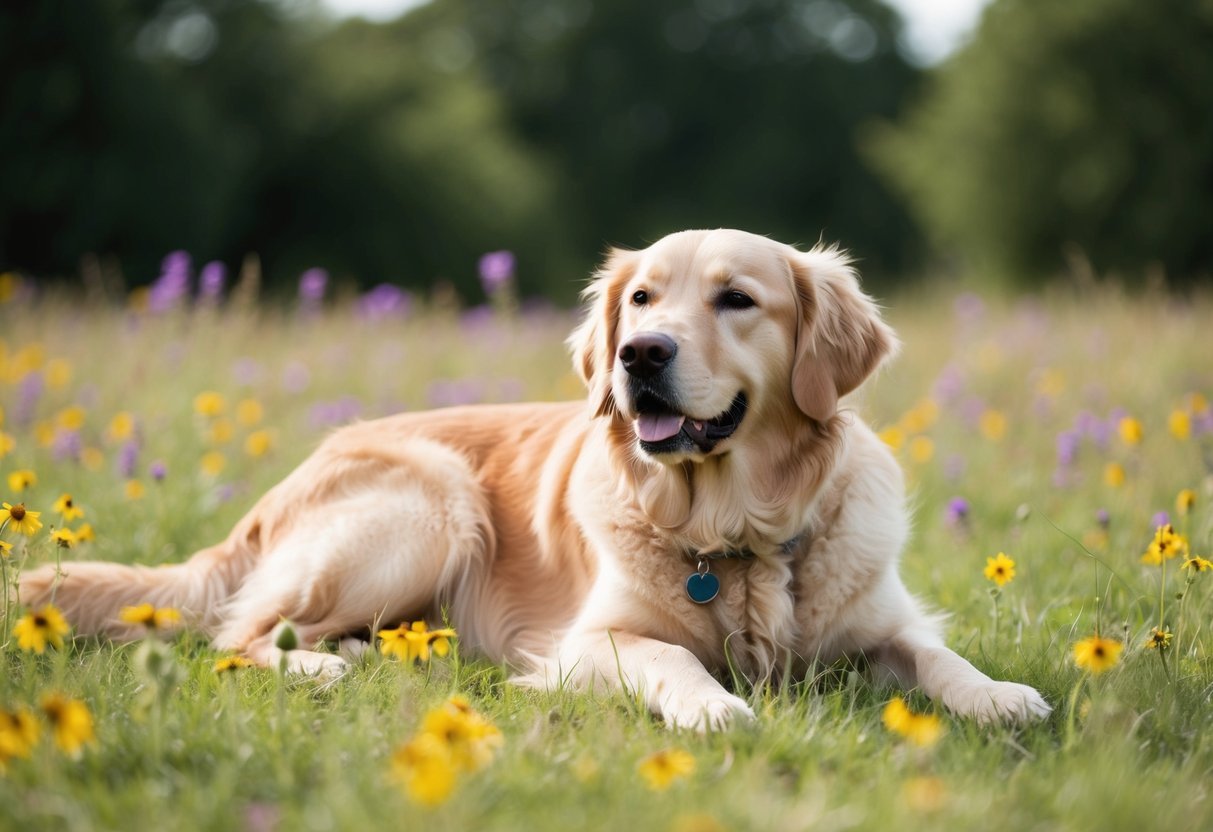
Along with Golden Retrievers, there are several other breeds known for their gentle demeanor, making them perfect for families with children or anyone seeking a calm companion. Poodles, Bernese Mountain Dogs, and Basset Hounds are among the breeds that stand out for their friendly and nurturing qualities.
Choosing a gentle dog means you’re looking for a loyal pet that can easily blend into your family. With their sweet and loving nature, these breeds are sure to become cherished members of your household.
Characteristics of Gentle Dog Breeds

Gentle dog breeds share common traits that make them wonderful companions. These dogs are typically known for their calm demeanor and friendly nature. Understanding their characteristics can help you choose the right gentle dog for your home.
Temperament and Personality
Gentle dog breeds often have a calm and friendly temperament. They are usually patient and easygoing, which makes them great around children and other pets. You can expect these dogs to show affection and warmth towards family members.
Many gentle breeds are also surprisingly easy to train. They respond well to positive reinforcement and are eager to please their owners. This makes them suitable not just for households, but also for therapy and service work. Their gentle nature doesn’t mean they lack energy; they enjoy playtime but will relax when it’s time to wind down.
Physical Traits
Physically, gentle dog breeds come in various sizes, from small to large. Breeds like Poodles, known for their affectionate nature, tend to have a soft, hypoallergenic coat that requires regular grooming. On the other hand, larger breeds like the Bernese Mountain Dog are sturdy yet gentle giants.
Despite their different appearances, these dogs share a welcoming expression and kind eyes. This soft look often reflects their disposition. Their body language is also telling; a relaxed posture usually indicates that they are calm and not prone to aggression.
Maintenance and Care
Taking care of gentle dog breeds is often straightforward. Many of these breeds are low-maintenance when it comes to grooming. For example, Poodles do need grooming but are less prone to shedding, making them easier on allergy sufferers.
In terms of exercise, gentle dogs usually enjoy daily walks but don’t require excessive physical activity. Regular playtime can keep them happy and healthy. Routine vet check-ups are also essential to monitor their well-being. With consistent love and care, your gentle dog can thrive in a nurturing home environment.
Popular Gentle Dog Breeds
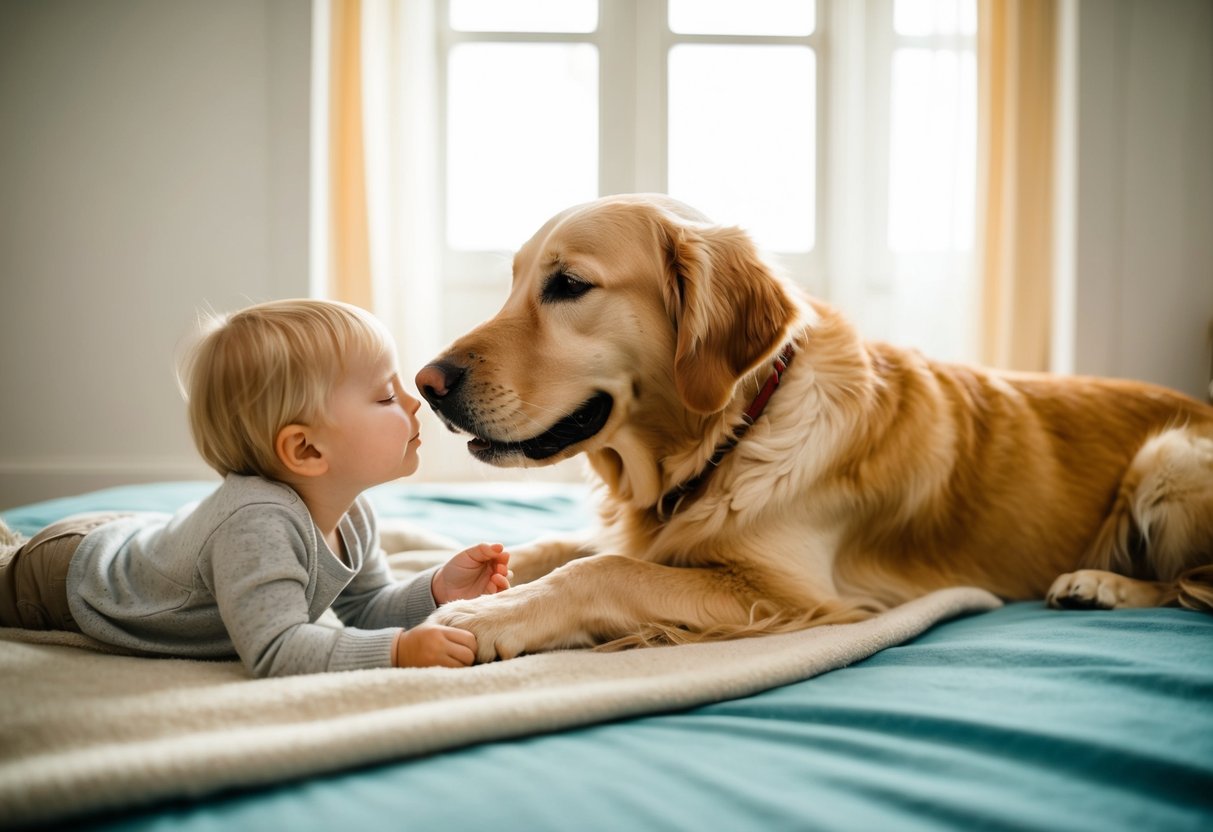
Many gentle dog breeds make wonderful companions. They are known for their friendly nature and love for people. Here are some popular breeds that you might consider if you’re looking for a gentle furry friend.
Small to Medium Breeds
-
Cavalier King Charles Spaniel: This breed is known for being affectionate and friendly. They love to snuggle and enjoy spending time with you. They are great with children and other pets.
-
Pug: Pugs have a playful and loving nature. They are small but full of personality. They often enjoy cuddling and are known for their silly antics, which can brighten your day.
-
Beagle: Beagles are friendly and curious. They have a gentle disposition and get along well with families. Beagles love being outdoors and playing, making them great companions for active families.
-
Bulldog: Bulldogs are calm and friendly. They are known for their unique appearance and gentle temperament. Bulldogs can be relaxed but are also very loyal to their families.
Large Breeds
-
Newfoundland: Known as “gentle giants,” Newfoundlands are friendly and caring. They have a sweet temperament and are great with children. Their size can be intimidating, but they are very gentle.
-
Golden Retriever: This breed is one of the most popular. Golden Retrievers are kind, loyal, and very patient. They are great family dogs and enjoy playing and being active with their owners.
-
Labrador Retriever: Labradors are known for their outgoing and gentle nature. They are very friendly with people and other animals. Their love for play makes them wonderful companions for families.
-
Bernese Mountain Dog: This breed is calm and affectionate. Bernese Mountain Dogs are known for their gentle demeanor and love for family. They thrive on companionship and are great with children.
Selecting the Right Gentle Dog for Your Family
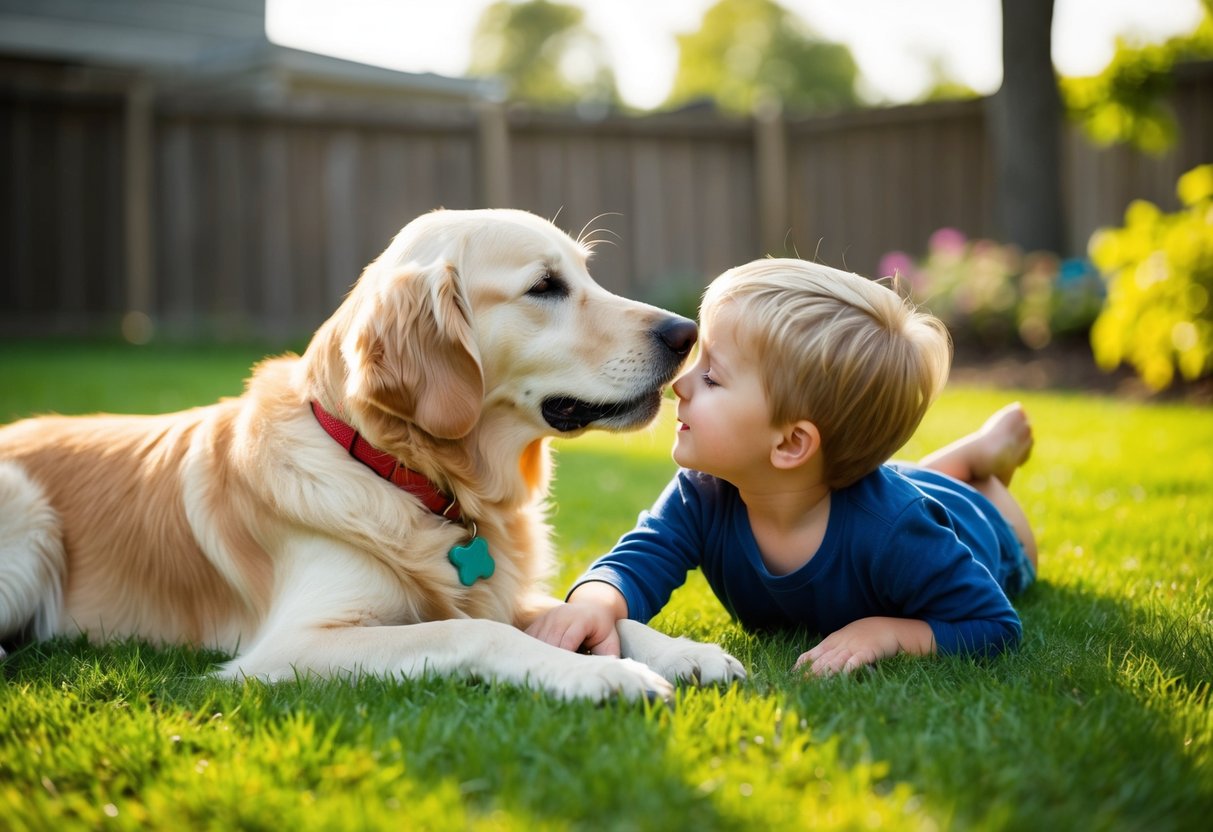
Choosing the right gentle dog for your family involves considering several important factors. These include the needs of your children, how the dog interacts with other pets, and your living environment. Each aspect plays a crucial role in ensuring a happy home for everyone.
Considerations for Families with Children
When selecting a dog, it’s essential to match the breed’s temperament to your family dynamics. Look for breeds known for being patient and gentle with kids. Some of the best family dogs are Golden Retrievers and Poodles.
Training is also key. A well-trained dog can learn to interact safely and kindly with children. Make sure to involve kids in training. This teaches them responsibility and helps build a strong bond.
Don’t forget about size. Smaller dogs might get startled by young children, while larger dogs can accidentally knock them over. Evaluating your child’s age and the dog’s energy level can also help find the perfect match.
Compatibility with Other Pets
If you have other pets, consider how the new dog will fit into your household. Some breeds are naturally more sociable, making them better companions for existing pets. Breeds like Beagles and Boxers often get along well with other animals due to their friendly nature.
Introduce the new dog slowly. Give both your current pets and the newcomer some time to adjust. Supervised meetings can help ease any potential tension. It’s also helpful to choose a dog that has a known history of compatibility with other pets.
Consider how your current pets play and interact. Gentle dogs that are easily trainable can help maintain a peaceful environment.
Living Environment and Lifestyle
Think about your living space and daily routine. If you live in a small apartment, look for low-energy breeds that don’t require a lot of space to run around. Breeds like Pugs and Cavalier King Charles Spaniels adapt well to smaller living areas.
Your lifestyle matters too. If you’re active and enjoy outdoor activities, a more active gentle breed might be suitable. Golden Retrievers are great for families that love to hike or play fetch.
Finally, consider the time you can dedicate to training and socializing. Gentle dogs often excel as therapy dogs, making proper guidance essential for their development. Investing time in training will ensure your new companion brings joy to your family.
Training and Socialization
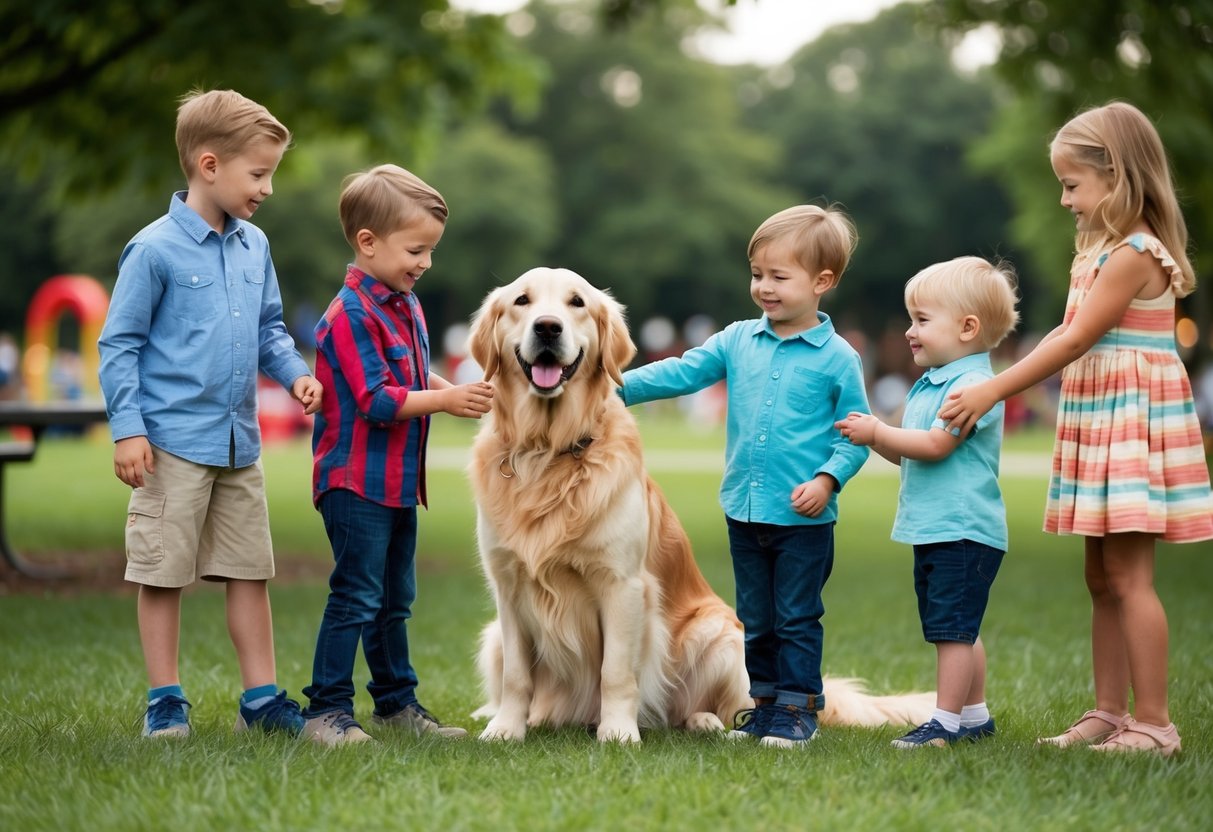
Training and socialization are crucial for your gentle dog to develop good behavior and a friendly nature. By using positive techniques, you can ensure your dog enjoys learning and interacting with others. Here’s how to approach this important part of dog care.
Basic Training Techniques
Start training your dog with basic commands like “sit,” “stay,” and “come.” Use positive reinforcement to reward good behavior. Treats, praise, or toys work well for this.
Consistency is key. Make sure everyone in your household uses the same commands and rules to avoid confusion. Short training sessions of about 5-10 minutes help keep your dog engaged.
Consider using clicker training. This method marks the desired behavior at the right moment, making it clear to your dog what you expect. Friendly dogs often respond well to gentle guidance, so keep a calm voice and be patient.
Socialization Tips
Socialization helps your dog become well-adjusted and confident.
Start exposing your puppy to different environments, people, and other pets early on. The more positive experiences your dog has, the more relaxed they will be in new situations.
Set up playdates with other friendly dogs. This interaction supports good-natured personalities and teaches your dog how to communicate.
Visit local parks to encourage exploration but keep an eye on your dog.
Enroll in puppy socialization classes. These classes provide a safe space for your dog to learn to behave around people and animals.
You’ll also meet other dog owners who share your goal of raising a happy, friendly companion.


