
When considering dog adoption, you might wonder which breeds struggle the most to find homes. Bully breeds, such as Pit Bulls and Bulldogs, often face the greatest challenges when it comes to adoption. Many shelters report that these dogs frequently remain in care longer than others, due to misconceptions and stigmas surrounding their behavior.

Many people may not realize that mixed-breed dogs also find it harder to get adopted. While purebreds often have eager families waiting for them, mixed breeds can be overlooked despite their loving nature.
Understanding this can help you make a more informed decision if you’re considering bringing a new friend into your home.
By learning about the dogs that need homes the most, you can play a part in changing their stories. Adopting a dog that might otherwise be left behind can be incredibly rewarding. If you’re ready to make a difference, keep reading to discover more about these deserving pups.
Understanding Dog Adoption Challenges
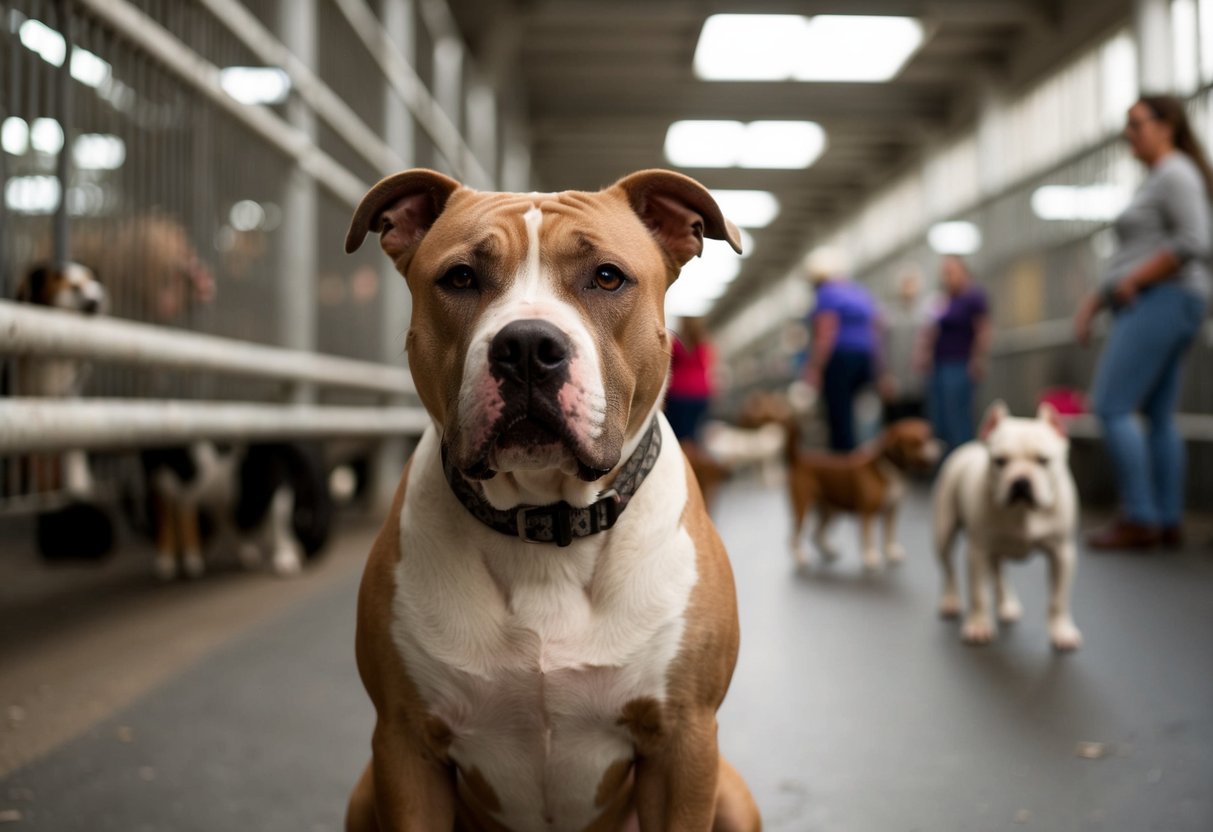
Adopting a dog can be a rewarding experience, but certain factors make the process difficult. Factors like breed stereotypes, the color of a dog, and their size or behavior can significantly impact adoption rates.
Breed Stereotypes and Adoption
Many potential dog owners have misconceptions about certain breeds. For instance, the American Pit Bull Terrier often suffers from negative stereotypes, which can deter interested adopters. Similarly, breeds like Chihuahuas and German Shepherds can face bias based on their reputation.
These biases can lead to fewer adoption applications for these dogs, despite their loving nature. If you are considering a particular breed, take the time to learn about their true temperament. Every dog is unique, and it’s essential to look beyond stereotypes when choosing your pet.
The Plight of Black Dogs in Shelters
Black dogs face a unique challenge known as “Black Dog Syndrome.” They are often overlooked in favor of more colorful dogs. This is partly due to misperceptions that black dogs are aggressive or less friendly.
Contrary to these beliefs, breeds like Boxers and American Staffordshire Terriers, when black, can be incredibly affectionate and loyal. If you’re looking for a companion, don’t ignore a black dog based on color. They are just as loving and deserving of a forever home as any other dog.
The Impact of Size and Behavior
Size plays a crucial role in adoption challenges. Many people prefer smaller dogs like Chihuahuas because of their portability and easier handling. On the other hand, larger breeds such as German Shepherds or Labrador Retrievers may require more space and exercise, leading to fewer adoption applications.
Additionally, a dog’s behavior can influence its adoptability. An anxious dog might struggle to find a home, even though training can help them adjust. Understanding your lifestyle and what kind of dog fits best is vital for both you and the dog. Don’t shy away from considering dogs that might need some extra love and training!
Factors Affecting Adoptability
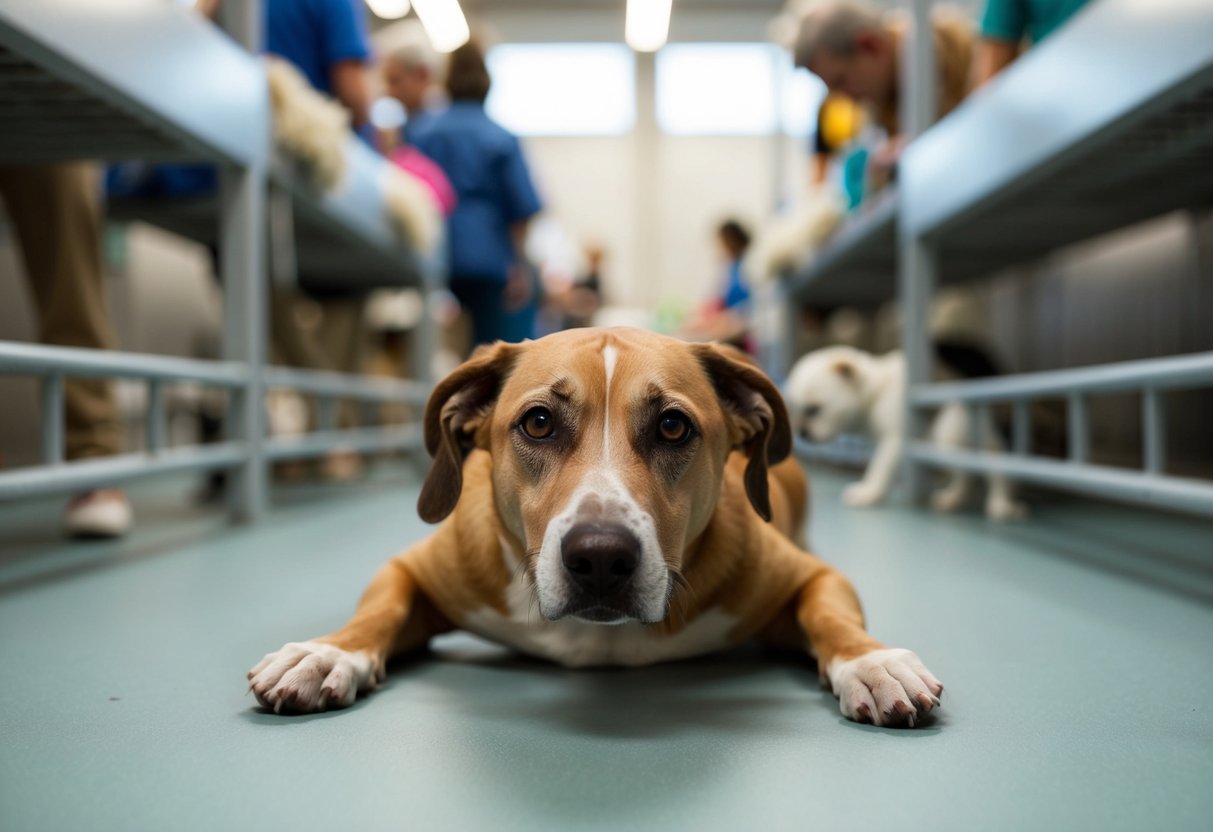
When considering which dogs are hardest to adopt, several key factors come into play. These include age and health, the importance of training and socialization, and the differences between purebreds and mixed breeds. Each of these elements can significantly impact a dog’s chances of finding a loving home.
Age and Health Considerations
Age plays a vital role in a dog’s adoptability. Puppies may be seen as more desirable due to their playful nature and potential for bonding. However, younger dogs require more time and training.
On the other hand, older dogs often face challenges. Many people prefer younger pets, thinking they have more energy and a longer lifespan. Unfortunately, older dogs, who can be loving and gentle companions, often get overlooked.
Health status also influences adoptability. Dogs with known health issues, even if manageable, may deter potential adopters worried about vet bills and care needs. As a result, age and health are crucial factors in adoption decisions.
Importance of Training and Socialization
Training and socialization are essential to a dog’s behavior and integration into a home. A well-trained dog is often easier to manage and more appealing to potential adopters. Basic commands and good manners can make a world of difference.
Dogs that have not received proper training may display undesirable behaviors, making them less attractive to families. For instance, breeds like the Labrador Retriever, Boxer, or Beagle can be great companions with the right training.
If a dog has had good socialization experiences, it is more likely to adapt well to new environments. Lack of training puts many rescue dogs at risk, as their past experiences can lead to fear or aggression, further complicating their chances of adoption.
Purebreds vs. Mixed Breeds
The type of breed significantly impacts a dog’s adoptability. Purebred dogs often attract more attention due to their specific traits and looks, making them easier to adopt. Breeds like Dachshunds or Jack Russell Terriers are popular and find homes faster.
Mixed breeds, while often seen as less desirable, can be just as loving and loyal. They tend to showcase a mix of traits from various breeds, which can suit different lifestyles. Some adopters may hesitate, not knowing the dog’s potential behavior or health issues that can come with mixed lineage. Even so, promoting the unique qualities of mixed-breed rescue dogs can help improve their chances of finding a forever home.
Promoting Successful Dog Adoptions
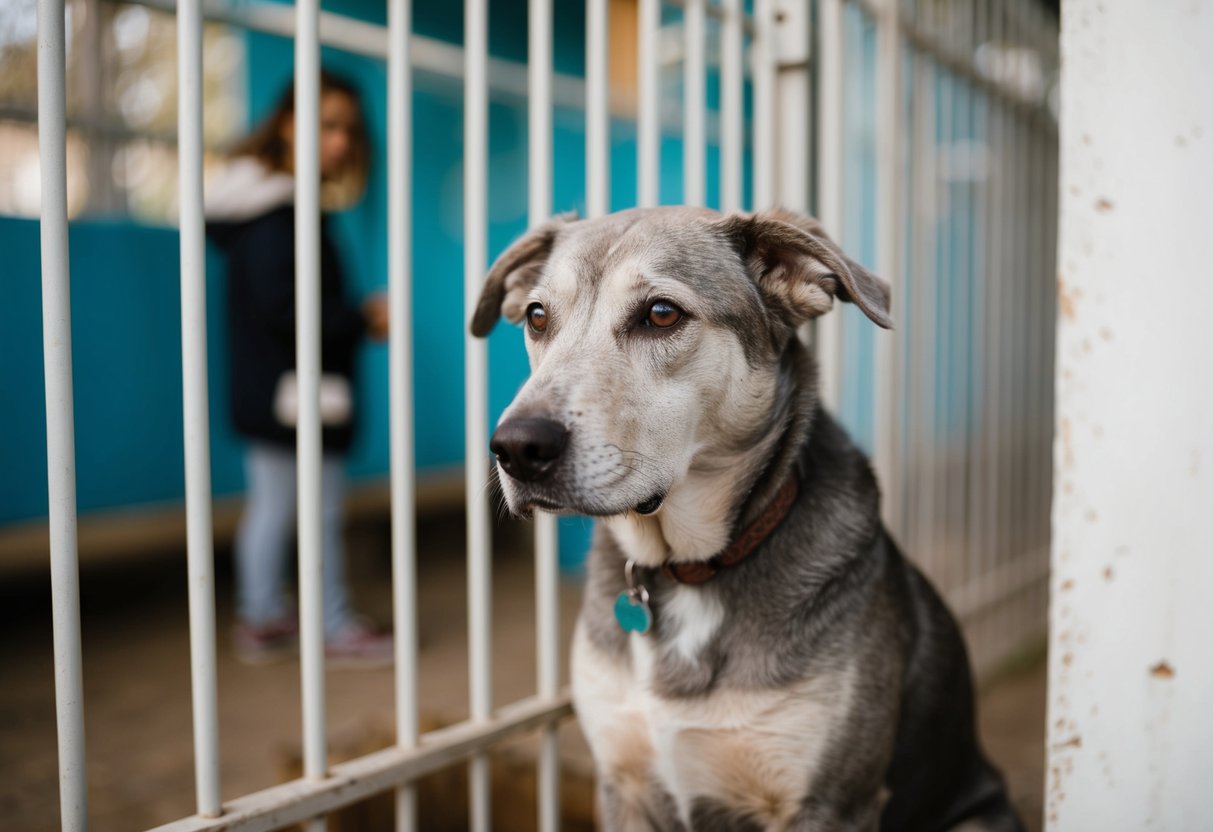
Creating a successful adoption experience is essential for helping dogs find loving homes. Key strategies involve the efforts of shelters and rescues, the importance of fostering, and boosting community awareness through education.
The Role of Shelters and Rescues
Shelters and rescues play a crucial part in dog adoptions. They provide safe spaces for dogs, including breeds like beagles, bulldogs, and Australian cattle dogs. These organizations assess each dog’s behavior and health. They also work hard to match dogs with the right families.
Effective marketing of individual dogs is vital. Shelters can create engaging profiles and use social media to showcase dogs. Highlighting the unique traits of specific breeds, like the playful nature of Australian cattle dogs or the loyalty of golden retrievers, can attract potential adopters.
Additionally, hosting events allows interested families to meet dogs in person. This interaction helps people see the personality of dogs, making them more likely to adopt.
Fostering as a Step Towards Adoption
Fostering is another important part of promoting dog adoption. When you foster a dog, you provide a stable environment that helps the dog adjust to home life. This experience is valuable for breeds like Rottweilers or Doberman pinschers, which may need extra training.
Foster families can assess a dog’s traits, which helps shelters better match dogs to potential adopters. For instance, a foster might discover that a dog is great with kids, making it easier to find a family with children.
Also, fostering exposes dogs to everyday life, helping them become more adoptable. The more time a dog spends in a home, the more comfortable and well-behaved it becomes, increasing its chances of finding a permanent home.
Educational Programs and Community Awareness
Educational programs can greatly improve dog adoption rates. Offering resources about responsible pet ownership helps potential adopters understand what it takes to care for a dog.
Information can cover various breeds, such as the energetic border collie or laid-back bulldogs.
Workshops or seminars can teach about dog behavior, training basics, and the importance of adopting shelter dogs. Providing real-life success stories of adopted dogs can inspire people to consider adoption.
Additionally, community awareness campaigns often help challenge myths surrounding certain breeds. For example, many people think American bulldogs are aggressive, but with the right training and socialization, they can be loving family pets.
Raising awareness helps create a more informed community and encourages more adoptions.


