
When considering a pet rabbit, you might wonder just how long these furry friends can live. While many pet rabbits have an average lifespan of about 7 to 12 years, a rabbit living to 30 years is highly unlikely. Factors like breed, diet, and living conditions greatly influence their longevity.
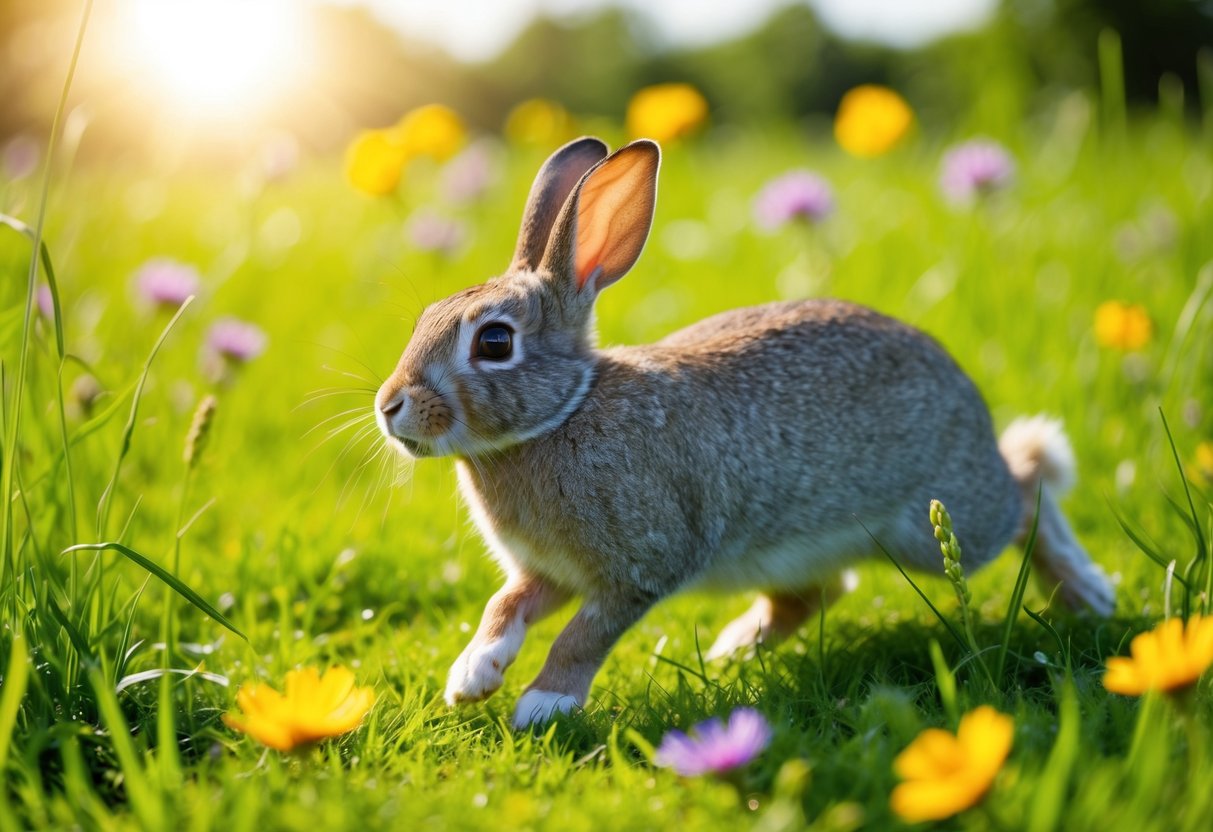
Indoor rabbits typically fare better than outdoor ones, with proper care extending their lives. Regular vet check-ups, a balanced diet, and a safe living environment can help your rabbit stay healthy for as long as possible. You may want to choose breeds known for longer lifespans, like the Holland Lop or Mini Rex, to maximize your pet’s years with you.
Understanding what affects your rabbit’s lifespan is essential in providing the best care. Keeping them indoors and giving them attention can make a big difference. By learning more about rabbit care, you can ensure your pet enjoys a happy and healthy life, even if 30 years isn’t a realistic goal.
Understanding Rabbit Lifespan
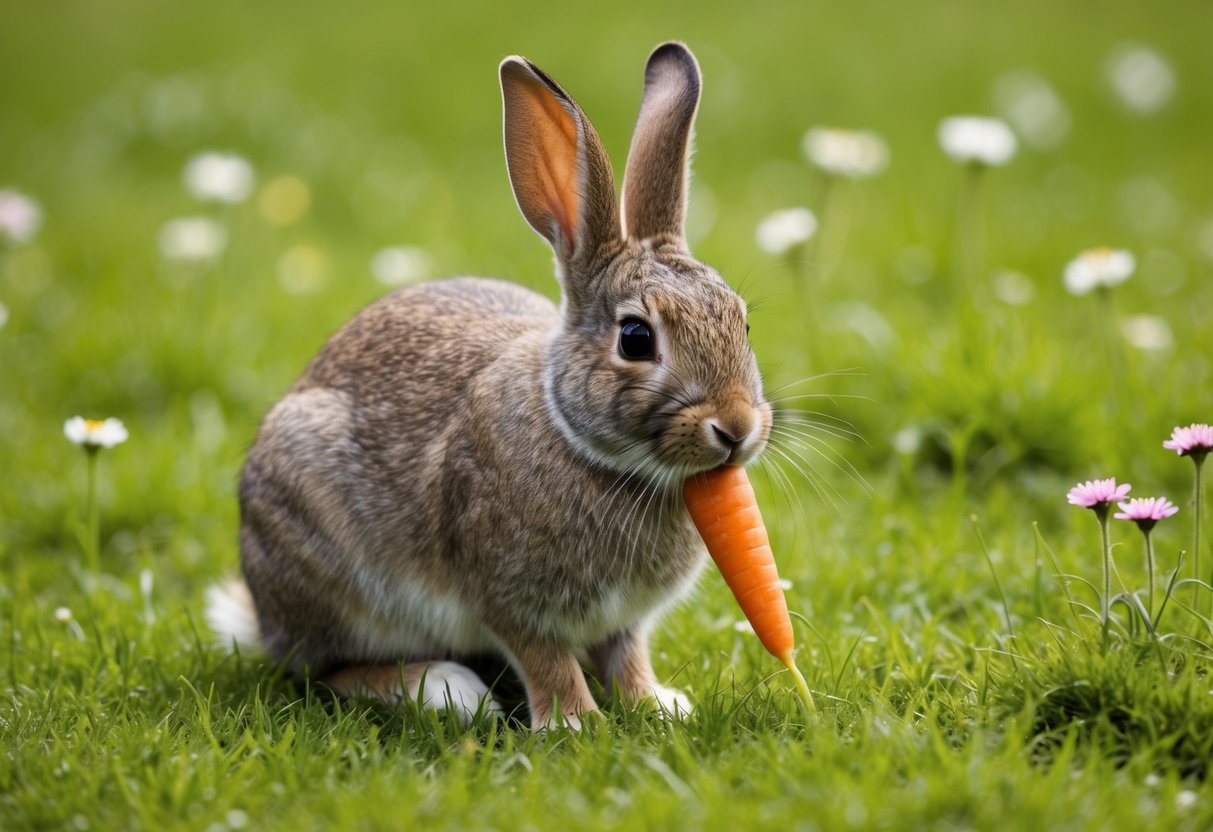
Rabbits have varying lifespans depending on whether they are wild or domestic. Knowing the average lifespan and what affects it can help you provide better care for your pet rabbit.
Average Lifespan of a Rabbit
The average lifespan of a domestic rabbit typically ranges from 8 to 12 years. This is significantly longer than wild rabbits, which often live just 1 to 3 years due to predators and harsh conditions.
Some rabbits, with excellent care, can live well into their teens or even reach 18 years or more. Factors such as whether your rabbit is an indoor or outdoor pet can impact their lifespan. Indoor rabbits tend to live longer because they are protected from outdoor dangers.
Also, neutered rabbits often have longer lifespans compared to those that are not. Regular veterinary care is essential for keeping your rabbit healthy throughout its life.
Factors Influencing Rabbit Longevity
Several key factors influence how long your rabbit will live. First, rabbit care is crucial. Providing a balanced diet, plenty of exercise, and a clean habitat can greatly improve their quality of life.
Health care is also vital. Regular check-ups with a veterinarian can catch any issues early.
Additionally, genetics play a role; some breeds are known for longer lifespans. For instance, smaller breeds might live longer than larger ones. The environment matters too: indoor rabbits often live longer due to fewer health risks compared to outdoor rabbits.
By keeping these factors in mind, you can help ensure that your rabbit enjoys a long and happy life.
Special Considerations for Different Rabbit Breeds

When caring for rabbits, it’s important to know that different breeds come with unique needs and lifespans. Understanding these differences can help you provide better care for your furry friend.
Large vs Small Breeds
Large rabbits, like Flemish Giants, can weigh over 14 pounds. They typically have shorter lifespans, around 5 to 8 years, due to potential health issues. Their size can lead to joint problems and heart conditions. Regular vet check-ups become essential for these breeds.
On the other hand, small breeds, such as the Netherland Dwarf rabbit, usually weigh under 5 pounds and can live longer, sometimes up to 12 years or more. Their compact size means they don’t need as much space to exercise, which may simplify their care. Small breeds tend to be more active, so you might need to help them burn off energy with play.
Breed-Specific Health Concerns
Each rabbit breed has unique health issues you should be aware of. For example, lop rabbits, known for their floppy ears, can have ear infections due to their ear structure. It’s important to check their ears regularly for dirt or signs of infection.
Dwarf rabbits, such as the Netherland Dwarf, can face dental issues. Their small jaws may lead to overcrowded teeth, which requires frequent dental check-ups. Maintaining a proper diet with enough fiber can help keep their teeth in good shape.
Understanding these breed-specific issues can guide you in providing the best care possible for your rabbit. Regular vet visits and a tailored diet are key factors in ensuring your rabbit lives a long, healthy life.
Caring for Aging Pet Rabbits
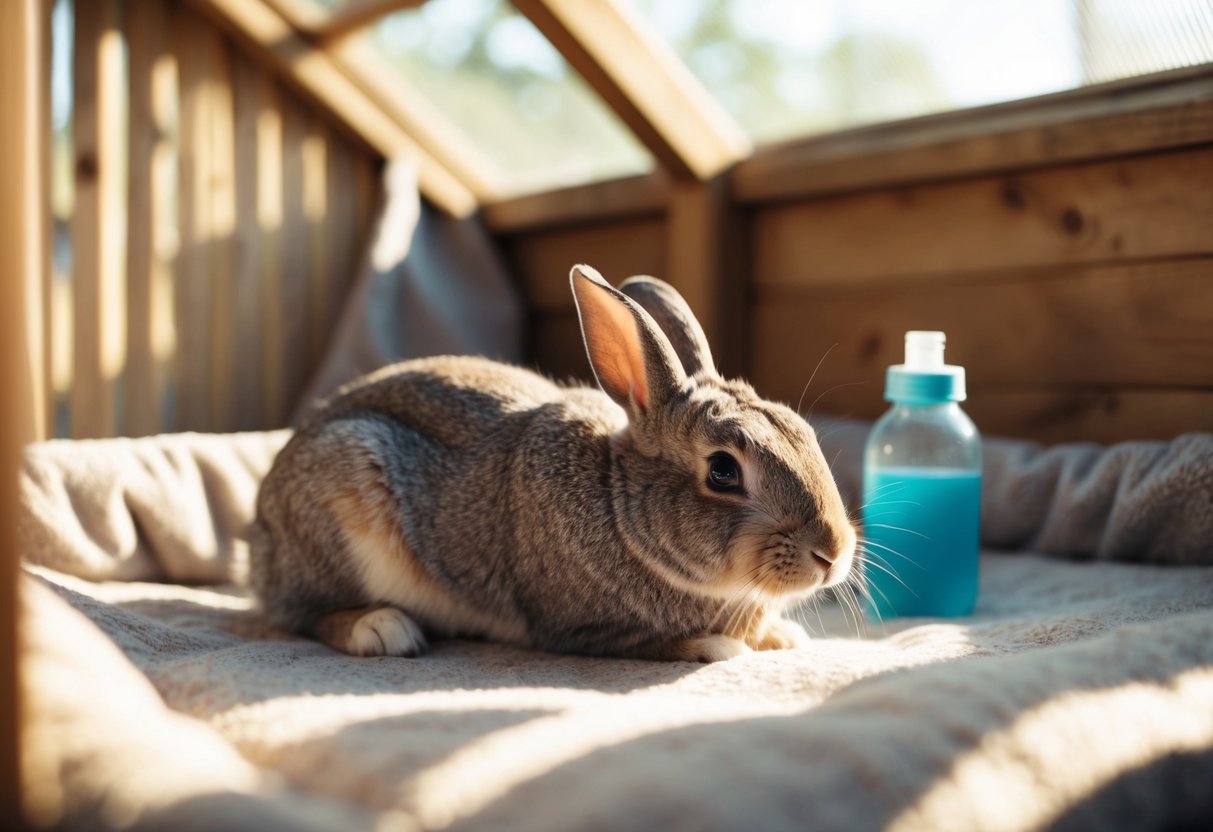
As your rabbit grows older, their care needs will change significantly. You can help your senior rabbit lead a comfortable and happy life by paying attention to their health and adjusting their environment. Here are key aspects to consider when managing the health of aging rabbits and improving their quality of life.
Senior Rabbit Health Management
Regular vet check-ups are crucial for aging rabbits. As they age, they become more prone to health issues such as arthritis or dental problems. Make sure to visit a vet who specializes in rabbit care. They can provide necessary health checks tailored to senior rabbits.
Diet plays a vital role in maintaining rabbit health. Older rabbits may need softer foods, especially if they have dental issues. Fresh hay should still be a staple, but consider adding pellets designed for senior rabbits. Also, ensure they have access to fresh vegetables daily.
Monitor your rabbit for any signs of pain or discomfort. Look for changes in behavior, eating habits, or mobility. Adjust their environment to make it easier for them to move around. Providing soft bedding can also make a big difference in their comfort.
Improving Quality of Life
Creating a safe and enriching environment is essential for your senior rabbit. Consider adding a cozy, quiet space where they can retreat. This will help them feel secure and reduce stress.
Interactive toys can help keep your aging rabbit mentally stimulated. Avoid overly challenging toys that could frustrate them. Instead, opt for simpler toys that encourage gentle play and exploration.
You should also pay attention to your rabbit’s social needs. Spend quality time with them daily for companionship. Gentle petting can help strengthen your bond and provide comfort.
Lastly, keep an eye on their physical activity. While they may not be as lively as they once were, gentle exercise is important. Short, frequent play sessions can help keep your rabbit healthy without overexerting them.


