
Owning a rabbit can be a delightful experience, but it comes with responsibilities. Many new rabbit owners unknowingly make mistakes that can harm their pets.
To ensure a happy and healthy relationship with your bunny, you must avoid common pitfalls like confining them to a cage and neglecting their need for social interaction.
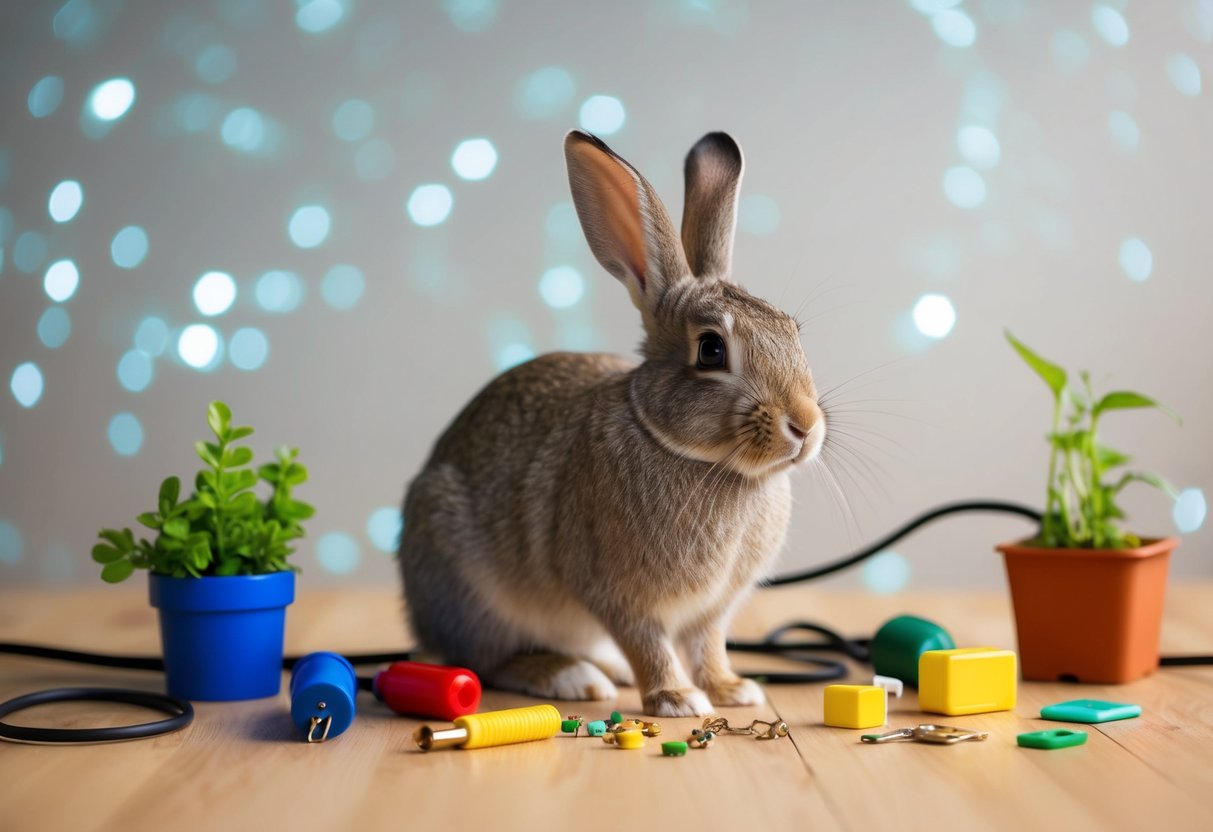
Rabbits are social animals that thrive on exploration and companionship. Ignoring their natural instincts can lead to stress and health problems. Understanding what not to do will help you create a safe and loving environment for your furry friend.
As you read on, you’ll discover key missteps that can impact your rabbit’s well-being. By learning about these mistakes, you can provide the best care possible and enjoy the wonderful bond that comes with being a rabbit owner.
Preparing Your Home for a Rabbit
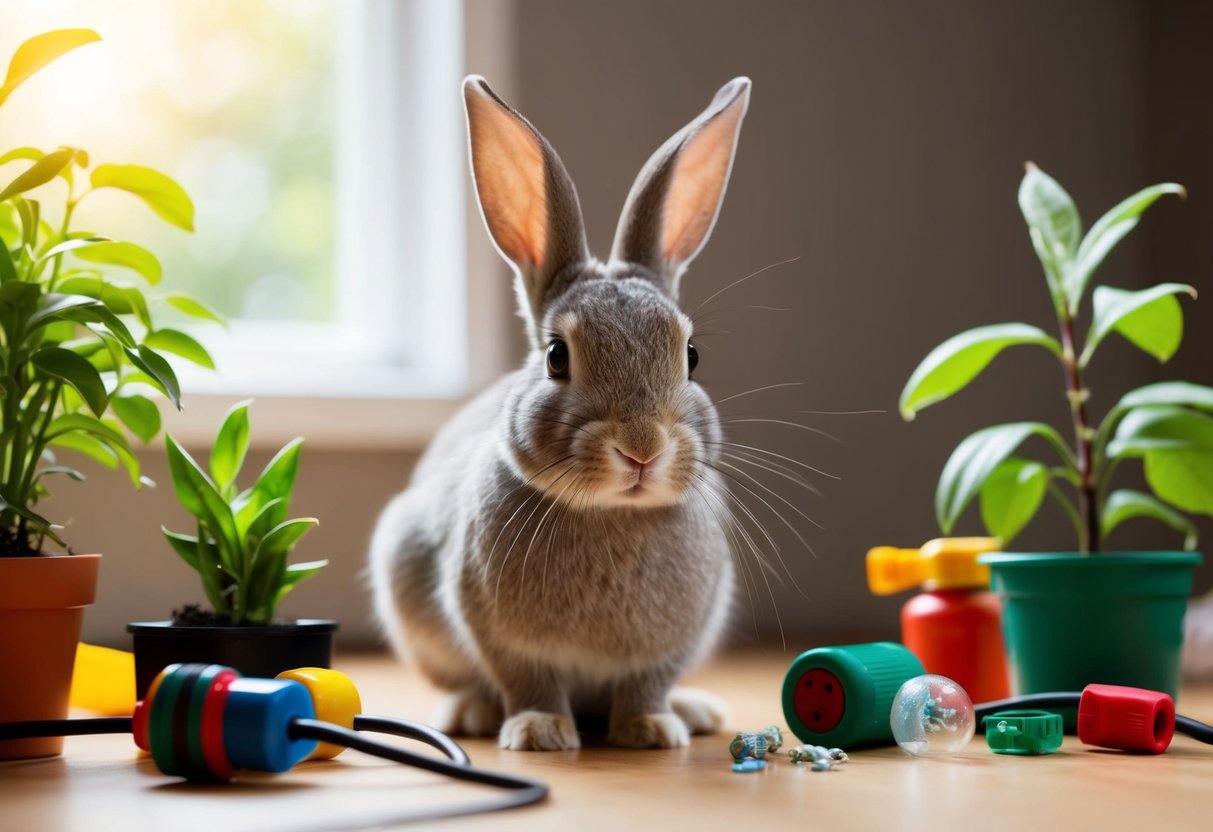
Creating a safe and comfortable environment for your rabbit is essential. Knowing their behavior and setting up a play area will help your new pet feel at home.
Understand Rabbit Behavior
Rabbits are social animals that need your attention. They thrive on interaction and can feel lonely without companionship.
Spend time getting to know your rabbit’s habits. Rabbits are curious and love to explore. Make sure to observe their behaviors, as they may dig or chew on items.
Secure electrical cords and remove small objects that could be ingested. Consider using baby gates to block off areas where they shouldn’t go.
Also, remember that rabbits need places to hide. Providing a cozy hideaway can help them feel safe and secure. Cardboard boxes or tunnels work great for this.
Designate a Safe Play Area
Your rabbit needs a safe space to play and exercise. Choose a room or a secure area where they can roam freely.
This area should be big enough to allow them to hop around and explore.
Use an exercise pen to set up their play area. This will keep them safe and contained. Make sure the floor is free of hazards, and avoid carpeted areas, as rabbits might chew on it.
Include toys to keep your rabbit entertained. Safe chew toys and tunnels can stimulate their natural instincts. Rotate toys regularly to keep their interest alive.
Do not forget to supervise your rabbit during playtime. This is crucial to prevent accidents and ensure a positive experience.
Rabbit Diet and Nutrition

Feeding your rabbit the right diet is key to ensuring they stay healthy and happy. You need to know what foods are best and which ones to avoid to keep your pet rabbit thriving.
Choosing the Right Food
A balanced diet for your rabbit should include timothy hay, which is essential for good digestion. Fresh hay provides fiber that helps prevent digestive issues. Make sure to offer unlimited access to hay at all times.
Leafy greens are also important. Choose safe options like romaine lettuce, cilantro, or parsley.
Avoid iceberg lettuce, as it has very little nutritional value and can cause digestive problems.
You should also provide rabbit pellets in moderation. Look for high-fiber pellets, and avoid those with added sugars or seeds. Mixing these foods helps balance your rabbit’s diet and keeps it varied and interesting.
Foods to Avoid
Certain foods can be harmful to your rabbit’s health. Stay away from any kind of human snacks, especially those high in sugar and fat.
Avoid processed foods, as they can lead to obesity and other health issues.
Some fruits may seem healthy but should be fed sparingly. These include apples and bananas, which are high in sugar. Additionally, cabbage and broccoli can cause gas, so limit these to small amounts.
Health and Wellness

Taking care of your rabbit’s health is very important for their happiness and longevity. Regular check-ups and proper procedures can prevent many common health issues. Here are two key areas to focus on.
Regular Veterinary Care
Your rabbit needs regular vet visits to stay healthy. Schedule check-ups at least once a year, even if your bunny seems fine.
During these visits, the vet can check for signs of illness that you might not notice.
Vaccinations are also vital for preventing diseases. Your vet may recommend certain vaccinations based on your rabbit’s lifestyle.
Make sure to choose a vet who is experienced with rabbits. They can provide specialized care and advice tailored to your pet’s needs. Don’t skip these appointments; they can save your rabbit’s life.
Neutering and Spaying Benefits
Neutering and spaying your rabbit can greatly improve their health. These procedures help reduce the risk of reproductive cancer, a serious concern for female rabbits.
Spaying females can also prevent unwanted litters and reduce hormonal behaviors. Meanwhile, neutering males helps decrease aggressive behavior and marking territory, making for a happier pet.
Both procedures can lead to longer, healthier lives. It’s important to discuss the timing of these procedures with your vet. Generally, rabbits can be spayed or neutered at around six months of age.
In addition, neutered and spayed rabbits tend to have calmer personalities, making them better companions. Be sure to provide post-surgery care as directed by your vet to ensure a smooth recovery.
Behavioral Guidance

Understanding your rabbit’s behavior is key to nurturing a happy pet. You can encourage positive habits and reduce destructive behavior with some simple strategies.
Promoting Positive Behaviors
Rabbits are social animals and thrive on interaction. Spend quality time with your bunny to strengthen your bond.
Play with toys designed for rabbits, such as chew toys or tunnels, to keep them engaged.
Use positive reinforcement by rewarding your rabbit with treats when they exhibit desired behaviors, like using a litter box or allowing you to handle them gently. This encourages more of those behaviors in the future.
Avoid yelling or punishment. Instead, redirect unwanted behavior with distractions or by providing alternatives. Your rabbit will respond better to patience and understanding, making learning fun for both of you.
Curbing Destructive Habits
Destructive behavior often comes from boredom or frustration. To curb this, make sure your rabbit has plenty of space to explore.
Create a safe play area with stimulating toys. If your bunny chews on furniture or wires, provide safe chew toys as alternatives. This helps direct their chewing instinct away from your belongings.
Also, monitor their energy levels. If your rabbit seems restless, increase playtime.
Keep in mind that rabbits need daily exercise to stay happy and healthy.


