
Creating a peaceful environment for your bunny at night can be a challenge. Rabbits are crepuscular animals, meaning they are most active during dawn and dusk, which can lead to unexpected noises at night.
To keep your bunny quiet at night, provide a comfortable space, a consistent routine, and engaging toys to reduce their nighttime activity.
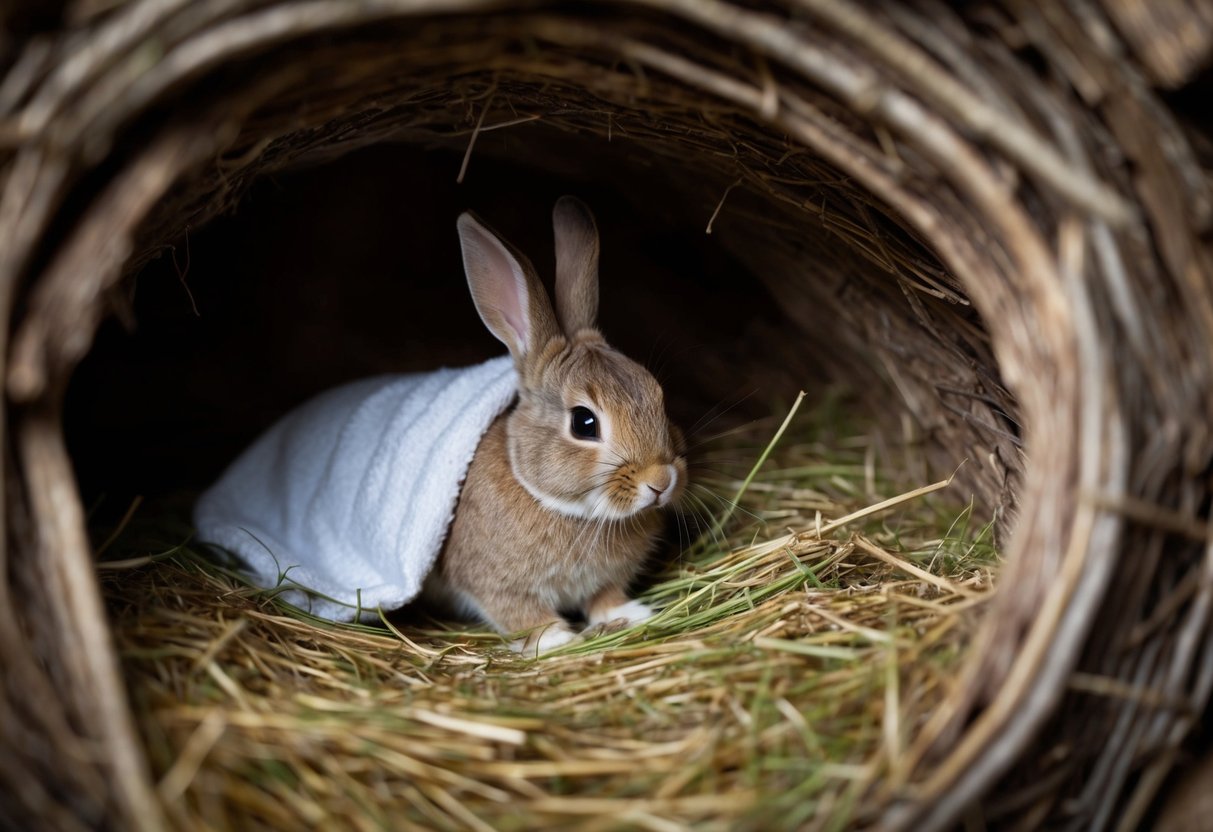
Understanding that rabbits often make noises like thumping and hopping helps you prepare for the sounds they might make. These noises can be their way of communicating or expressing themselves.
By addressing their needs during the day and ensuring they have enough exercise and mental stimulation, you can help your furry friend settle down when nighttime comes.
If you want to enjoy a quieter night, focus on creating a calm bedtime routine for your bunny. Feeding them at the same time each day and giving them ample playtime can significantly improve their nighttime behavior. With a little effort, you can ensure both you and your bunny get a restful night.
Understanding Rabbit Behavior

Rabbits have unique behaviors that connect closely to their natural instincts. Recognizing these can help you manage their nighttime activity and create a peaceful environment for both you and your bunny.
Crepuscular Habits Explained
Rabbits are known as crepuscular animals, which means they are most active during dawn and dusk. This behavior stems from their evolutionary history as prey animals. Being active during these times allows them to avoid predators that hunt during the day and night.
You might notice your rabbit getting lively in the early morning and late evening. This increased energy can lead to hopping around and exploring their space.
To help them adjust, provide ample playtime and stimulation during these active hours to tire them out before bedtime. You can set up a routine by letting your bunny explore and play safely in a designated area.
Common Noises and Their Meanings
Rabbits use a variety of sounds to communicate. Understanding these noises can help you better connect with your pet and manage nighttime behavior. Some common sounds include:
- Thumping: This is a warning sign. Your rabbit may be feeling scared or threatened.
- Chirping: A soft chirp can mean happiness or contentment.
- Grunting: This sound can indicate annoyance or frustration.
Pay attention to your rabbit’s sounds, especially at night. If they are thumping, it might mean they are restless or anxious. Providing a cozy sleeping area can help them feel secure and reduce nighttime noise.
Creating a Comfortable Sleep Environment

To help your bunny sleep peacefully at night, it’s essential to set up a relaxing and comfortable space. A well-arranged hutch and suitable temperature can greatly improve your rabbit’s sleep quality.
The Ideal Hutch Setup
Start by ensuring your rabbit’s hutch is spacious enough for them to move around comfortably. A larger space allows your bunny to stretch and find a cozy spot to relax.
Make sure to include soft bedding like hay or fleece to create a warm, inviting area. Avoid materials that can irritate their skin or nose, such as cedar shavings.
Provide separate areas for sleeping and playing, as this helps them feel safe. This can reduce noise and disturbances during the night.
You might also want to cover part of the hutch to create a den-like environment. This setup can help your rabbit feel secure and encourage better sleep.
Temperature and Bedding Considerations
Keeping your bunny’s living area at a comfortable temperature is crucial. Rabbits prefer cooler spaces, ideally around 60-70°F (15-21°C). Avoid extreme temperatures as they can disrupt your rabbit’s sleep.
Bedding plays a significant role in their comfort. Soft, absorbent materials like straw, hay, or soft blankets can be perfect choices. Make sure to change bedding regularly to keep the area clean and odor-free.
Monitor the humidity levels too. High humidity can make it uncomfortable for your rabbit. Providing a quiet environment with minimal disturbances can help your bunny rest peacefully through the night.
Nighttime Routines and Strategies

Creating a calming nighttime routine for your rabbit can help ensure they stay quiet and relaxed. By focusing on their diet, exercise, and stress-reduction techniques, you can set the stage for peaceful nights.
Diet and Exercise Timing
Establishing a regular feeding schedule is essential for your rabbit. Feed them at the same time each day, preferably in the early evening. This helps signal to your rabbit that nighttime is approaching.
Offer a small bedtime snack, like fresh hay or leafy greens, about an hour before you want them to settle down. This can make them feel satisfied and content.
Timing their exercise is crucial too. Allow them to play and hop around in the late afternoon or early evening. This way, they can tire themselves out naturally before bedtime.
Adjust the living space to be safe and quiet at night. You can also lock your rabbit up in a cozy area, which can help them feel secure as darkness falls.
Stress Reduction Techniques
Stress can lead to noise and restlessness. To minimize stress, maintain a consistent routine for your rabbit. Sudden changes can disrupt their sense of security.
Create a peaceful environment. Dim the lights and reduce loud noises in the house. Consider providing quiet toys to keep your rabbit entertained without disturbing the peace.
You might also try creating a cozy hideaway in their space where your rabbit can retreat. This helps them feel safe and calm at night.
If your rabbit seems anxious, spend some quiet time with them in the evening. Your presence can comfort them and help ease their transition into nighttime rest.


