
When you take care of a rabbit, one of your biggest questions might be about its happiness. A happy rabbit will show clear signs through its behavior, like binkies and relaxed body language. These joyful actions are important clues that indicate your furry friend is content in its environment.
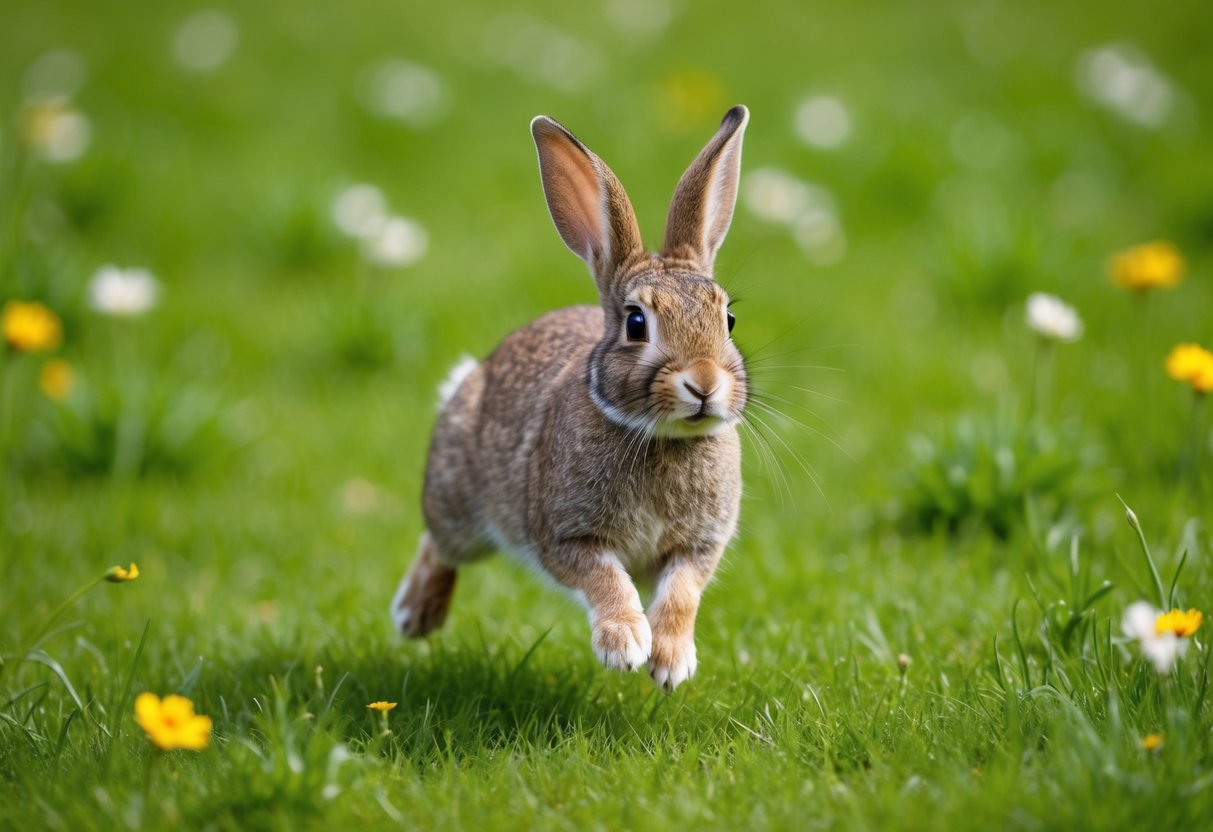
Understanding rabbit behavior can make a big difference in how you interact with your pet. Watching for signs of happiness, such as playful hopping or cuddling, helps you create a loving home.
You’ll soon notice that a relaxed rabbit, with ears forward and stretched out, is a happy rabbit.
By learning how to read your rabbit’s emotions, you can enhance your bond and ensure that your pet lives a joyful life. Discovering what makes your rabbit happy is not just rewarding, it can also help you become the best pet owner possible.
Understanding Rabbit Behavior
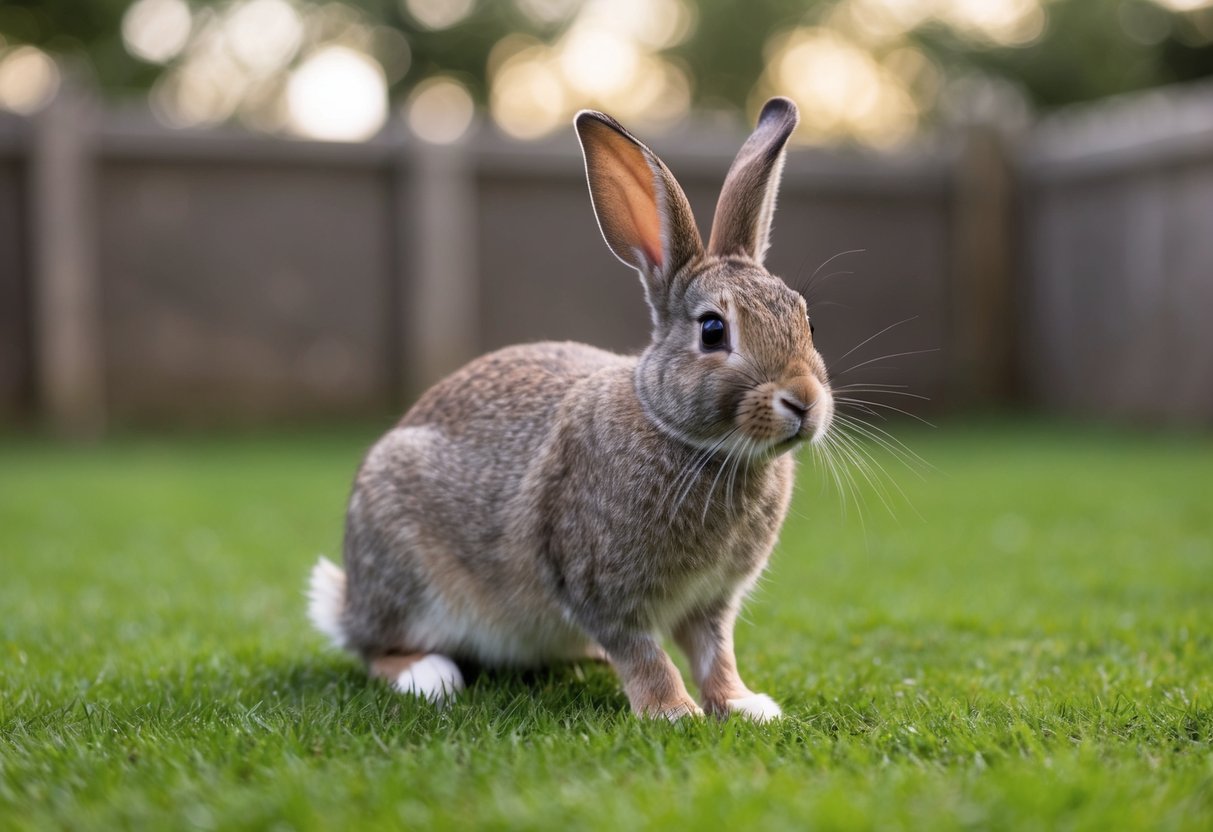
Rabbits express their feelings through body language and vocalizations. By observing these signals, you can understand if your rabbit is happy or needs attention.
Body Language and What It Conveys
Rabbits show their emotions through various body postures. A relaxed body language is a key sign your rabbit feels safe. When your rabbit lies down with stretched legs, that’s a good indicator of comfort.
In contrast, if your rabbit thumps its back legs, it may be feeling scared or alert. Observe for binkies, which are joyful jumps and twists in the air. This behavior shows your rabbit is excited and happy.
Other movements, like circling around you, can signal affection or playfulness. It is important to note the differences between relaxed and tense body positions to respond appropriately to your rabbit’s needs.
Vocalizations and Their Meanings
Rabbits use sounds to communicate with you. A soft whine or grunt can indicate annoyance or discomfort. If your rabbit grunts when you pick it up, it might be saying, “I want to be put down!”
A happy rabbit may make a gentle purring noise when relaxed. This sound is similar to the purring of cats and means they feel comfortable. Sometimes they might also make a honking sound to express excitement or happiness.
Be aware that loud, startled vocalizations usually mean your rabbit is scared. Listening closely to your rabbit’s vocal tones helps you respond to its feelings better and create a happier environment.
Indicators of Rabbit Happiness

Recognizing a happy rabbit involves observing specific behaviors that signal their joy. These indicators often include playful actions and physical expressions that can enhance your understanding of their well-being.
The Significance of Binkies
Binkies are one of the most delightful signs of a happy rabbit. When your bunny performs a binky, they leap into the air while twisting their body. This playful move shows pure joy and excitement.
You might notice your rabbit doing a series of binkies when they are feeling playful or after a satisfying meal. Each binky is a unique expression of happiness that can brighten your day.
If your rabbit is often binkying, it’s a clear signal that they feel safe and loved in their environment. You can watch for this behavior to know if your bunny is genuinely content.
Observing Playful Behavior and Zoomies
Playful behavior is another key indicator of rabbit happiness. When your rabbit engages in zoomies, they race around with high energy. This can involve hopping, darting, and even playfully kicking their back legs.
You might see your rabbit exploring new areas, tossing toys, or engaging in playful interactions with you. These actions show they are curious and comfortable in their space.
Additionally, social interactions with you or other pets can enhance their happiness. Always provide opportunities for play to support their playful spirit and happiness.
Understanding the Subtleties of Flopping
Flopping occurs when your rabbit suddenly collapses onto their side or back. This behavior might seem odd, but it’s a very positive sign. When your bunny flops, it means they feel relaxed and secure.
You may notice your rabbit stretching out comfortably, which shows they trust you and their surroundings. This leisurely position indicates total comfort and contentment.
Watch for this behavior alongside other playful actions. A rabbit that flops often and displays other happy signs is likely to be one of the happiest bunnies around. Engaging with your rabbit during these moments can strengthen your bond even further.
Maintaining a Joyful Rabbit Environment
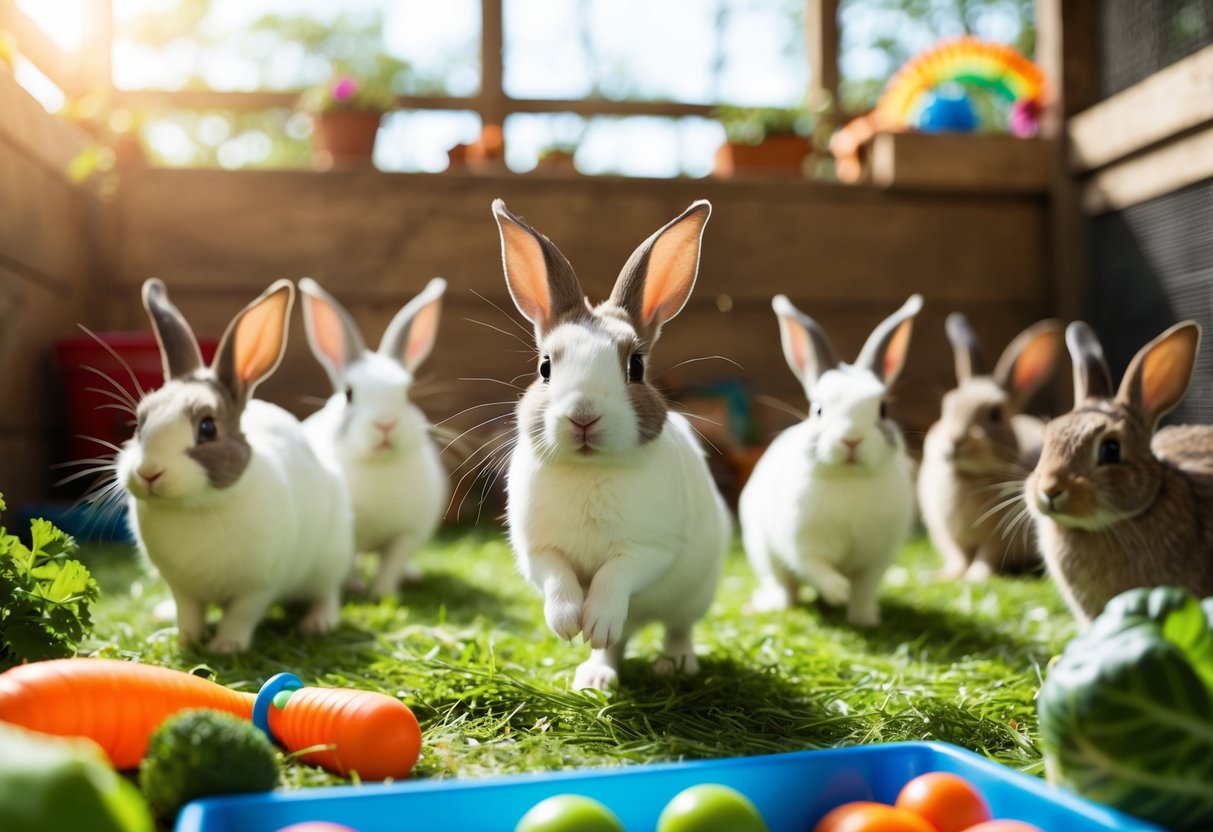
Creating a joyful environment for your rabbit is essential for their happiness and well-being. Focusing on their diet, regular veterinary care, and bonding with them can help support a fulfilling life.
Importance of a Balanced Diet
A balanced diet is key to keeping your rabbit happy and healthy. Your rabbit should have unlimited access to fresh hay, which helps with digestion and keeps their teeth in good shape.
In addition to hay, include fresh vegetables like leafy greens. Options include romaine lettuce, cilantro, and parsley. These add important nutrients to their diet.
Limit pellets and sugary treats, as too much can lead to obesity and health problems. Always provide fresh water, and change it daily to maintain a healthy appetite.
The Role of Veterinary Care
Regular veterinary care is crucial for your rabbit’s health. Scheduled check-ups help catch any potential health issues early.
You should also keep their vaccinations up to date. This prevents diseases and keeps your rabbit safe.
Ask your vet about neutering or spaying your rabbit. This can help reduce behavioral problems and improve their quality of life.
Your vet can also give advice on diet and exercise, helping you provide the best care possible.
Creating a Bonding Experience with Bonded Rabbits
Bonding with your rabbit is important for their happiness. Spend time playing with them each day to build trust and strengthen your relationship.
Interact with your rabbit at their level. Sit on the floor and let them come to you. This helps them feel safe and loved.
If you have more than one rabbit, encourage bonding by allowing them to spend time together in a neutral space. Watch for signs of comfort and playfulness, which indicate a happy bonding experience.
A strong bond with your rabbit leads to a more joyful life for both of you. Engaging daily helps ensure they feel secure and cherished.


