
Many people wonder if it’s okay to have just one rabbit as a pet. In most cases, it’s better to have at least two rabbits since they are social animals that thrive on companionship. A single rabbit can feel lonely and may need extra care and attention from you to be happy.
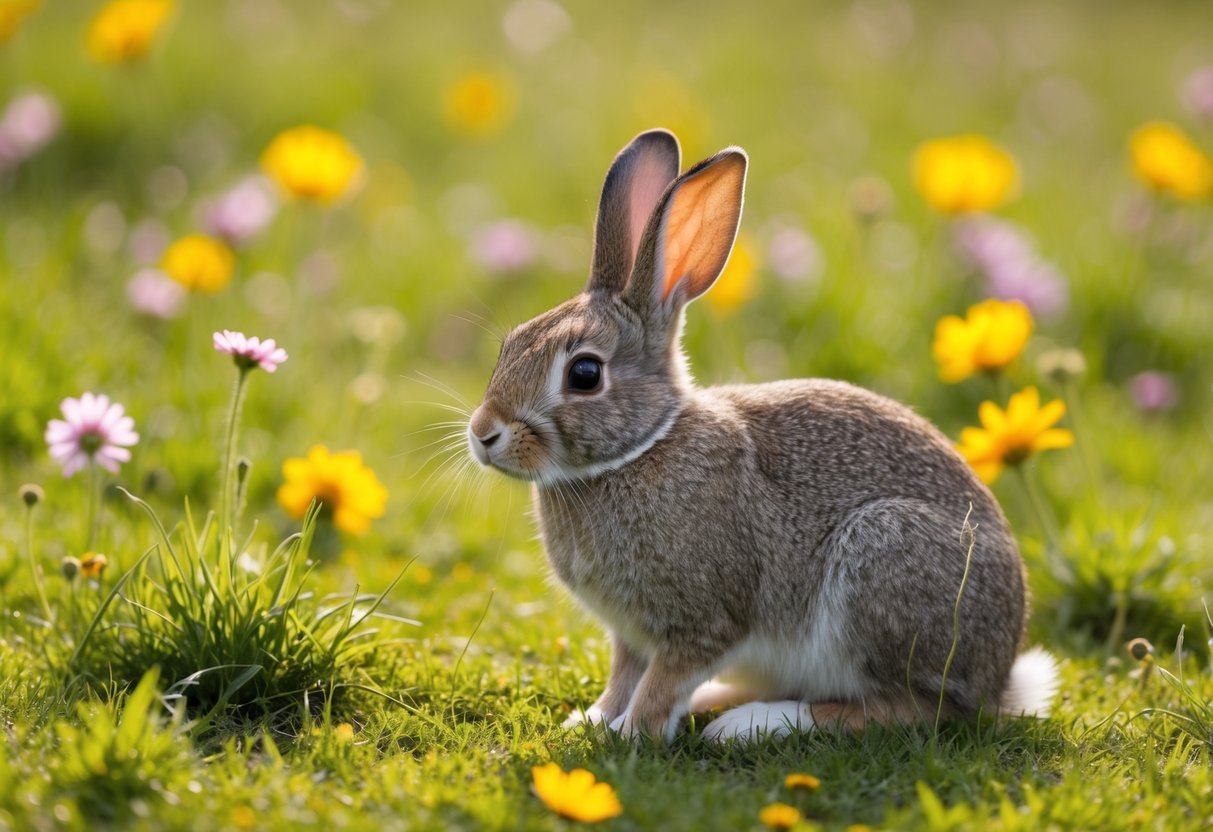
Having a single rabbit can work if you are committed to providing plenty of interaction and playtime. You will need to engage in regular activities with your rabbit to make sure it stays active and socialized.
If you’ve been thinking about getting a rabbit, consider how much time you can dedicate to your pet. Understanding their needs will help you make the best choice for both you and your future furry friend.
Understanding Rabbit Social Needs

Rabbits are highly social animals that thrive on companionship. Understanding their social needs is essential for keeping them healthy and happy. When you consider having just one rabbit, it’s important to recognize the risks of loneliness and how it can affect your pet.
Social Animals by Nature
Rabbits are social animals by nature. In the wild, they live in groups called colonies. This instinct drives them to seek out companionship. Having more than one rabbit allows them to engage in social behaviors, such as grooming and playing. If you have just one rabbit, you need to actively fill this social gap.
Spending quality time with your rabbit is crucial. Daily interaction helps fulfill their need for socialization. Activities like playing and petting can keep your rabbit content. Consider nurturing their playful side with toys or tunnels.
Risks of a Solo Rabbit
Keeping a solitary rabbit can lead to various problems. Loneliness is a significant issue that can cause stress. A stressed rabbit may show signs like hiding, chewing too much on objects, or being less active.
Without a rabbit buddy, your pet might miss out on natural behaviors. For example, they may not groom themselves as often or may have less motivation to explore. As a result, your rabbit may develop health problems over time.
If you can’t have more than one rabbit, ensure you provide plenty of attention and stimulation. This way, you can help combat the loneliness of a solo rabbit.
Pros and Cons of Single Rabbit Care

When considering a single rabbit as a pet, there are important benefits and challenges to understand. Your decision will affect your rabbit’s happiness and well-being. Here’s what to keep in mind.
Benefits of Individual Attention
One main benefit of having one rabbit is the focused attention you can provide. Your rabbit will receive all your love and care. This can strengthen your bond and help your rabbit feel secure.
With one-on-one time, you can easily watch for any changes in behavior or health. This means you can respond quickly if something seems off. Plus, your rabbit can enjoy lots of playtime with you, exploring toys and new activities that keep them engaged.
Having just one rabbit also means you can create a tailored environment. You can set up their space based on their specific needs, like personal preferences for hiding spots or play areas.
Challenges Faced by Single Rabbits
While there are benefits, having a single rabbit also comes with challenges. Rabbits are social creatures and can feel lonely without another rabbit for company. This can lead to signs of stress or depression.
You need to dedicate extra time for human companionship. Offering playtime, petting, and mental stimulation is essential. If you’re busy with work or other commitments, your rabbit might not get the attention they need.
Another challenge is ensuring your rabbit gets enough exercise. Single rabbits may not have the same drive to play alone as they would with a partner. It’s vital to create a routine that includes daily exercise and interactive play.
Behavioral Considerations

Understanding your rabbit’s behavior is key to ensuring they are happy and healthy. You will want to watch for signs of contentment or distress, as well as any destructive behaviors that could indicate underlying issues.
Signs of Contentment or Distress
A happy rabbit shows specific behaviors. You might notice your rabbit binkying, which is a joyful jump in the air. They may also purr or make soft grunting sounds when petted.
On the other hand, signs of distress can include withdrawal or hiding. If your rabbit suddenly stops eating or grooming, it might indicate health problems. Other signs include unusual aggression or excessive chewing on items around the house. It’s important to note these behaviors to ensure your rabbit’s well-being.
Destructive Behaviors and Their Causes
Destructive behavior in rabbits often stems from boredom or anxiety. If your rabbit is chewing on furniture or digging excessively, they might need more stimulation. Providing toys, tunnels, and safe chew items can help keep them entertained.
Another reason for destructive behavior could be a lack of social interaction. Rabbits are social animals and can become withdrawn if left alone for too long. Ensure you spend quality time with your rabbit daily and consider supervised playtime if they are alone.
Alternatives and Companionship Solutions

If you are considering keeping only one rabbit, there are options to enhance their well-being. Finding suitable friends or companions can make a big difference in your rabbit’s happiness.
Finding Compatible Bonded Pairs
When you think about getting a second rabbit, it’s important to find a compatible bonded pair. Rabbits are social creatures and often thrive better with a friend. Check local shelters or rescues, as they sometimes have rabbits that are already bonded.
Here are some tips for finding a good match:
- Look for rabbits with similar energy levels.
- Consider age; younger rabbits may overwhelm older ones.
- Observe how they interact before bringing a new one home.
The bonding process can take time. Be patient, as rabbits need to get used to each other. This can lead to a happier environment for both rabbits.
Introducing Other Companions
You might also want to consider non-rabbit companions, like guinea pigs. While they are not the same species, they can provide companionship when introduced properly. Make sure your rabbit is comfortable and not stressed by the new arrival.
Before introducing a new friend, follow these steps:
- Create Separate Spaces: Keep them in different areas initially.
- Allow Them to Sniff: Let them get used to each other’s scent.
- Supervise Introductions: Always monitor their interactions to ensure safety.
Remember, introducing any new companion takes time and patience. Each rabbit is unique, so be attentive to their reactions during this process.


