
Rabbits can make wonderful companions, but they aren’t the right pet for everyone. A rabbit can be a loving and interactive addition to your family with the right care and attention. These social animals enjoy bonding with their owners and can bring joy to your home.
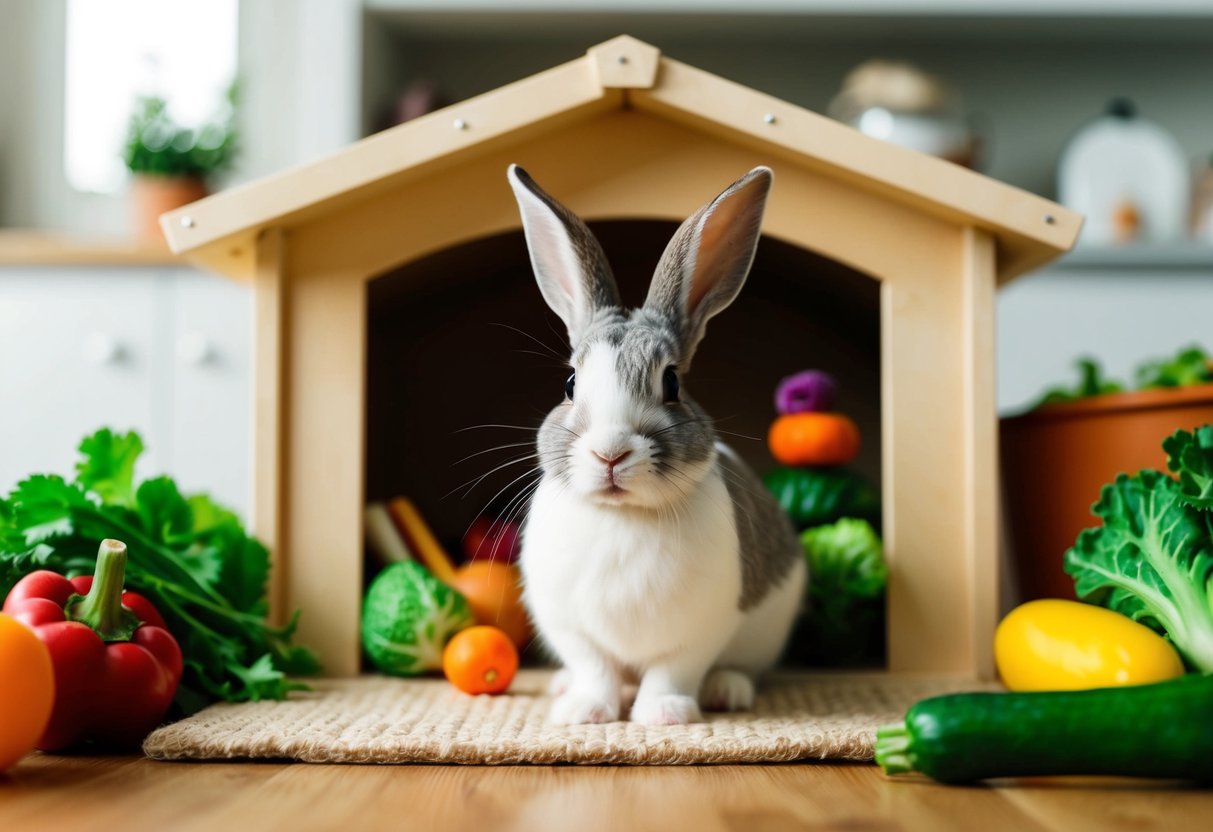
Before you decide to welcome a rabbit into your life, it’s important to consider what it takes to keep them happy and healthy. They require proper housing, a specific diet, and regular interaction.
If you’re ready for the commitment, these adorable pets can thrive in various living situations, from apartments to houses.
As you read on, you’ll discover the pros and cons of having a rabbit as a pet. This information will help you decide if a rabbit is the perfect fit for you and your family.
Determining if Rabbits Make Good Pets

Rabbits can be great companions for the right person or family. Their behavior and temperament play a big role in how they fit into your life. Understanding the pros of having pet rabbits will also help you decide if they’re the right match for you.
Rabbit Behavior and Temperament
Rabbits are naturally social animals. They thrive on companionship, whether it’s from other rabbits or humans. When bonded with you, they can show affection through nudging or gentle grooming.
It’s important to spend time socializing them. This helps them feel comfortable and reduces shy behavior.
Keep in mind that each rabbit has a unique personality. Some might be more playful, while others prefer to relax.
Understanding their body language is crucial. For example, a happy rabbit often performs “binkies,” which are joyful jumps and twists in the air. Recognizing these signals helps you connect with your pet and meet their needs.
Pros of Having Rabbits as Companions
Having pet rabbits provides many advantages. First, they can be very affectionate and bond closely with you. This connection makes them rewarding to care for.
Another benefit is that rabbits are relatively low-maintenance compared to some pets. They don’t need daily walks like dogs. Instead, they enjoy exploring your home or a safe yard.
Rabbits are also quiet animals, making them great for living in smaller spaces. Many people, especially those with allergies, find rabbits a suitable choice since they often do not trigger allergies like cats or dogs do.
With a little care, these playful creatures can bring joy and companionship.
Essentials of Rabbit Care

Taking care of a rabbit involves several key aspects. You need to focus on proper feeding, maintaining health, and providing daily activities. Each of these areas is crucial for ensuring your bunny is happy and healthy.
Feeding and Nutrition
Your rabbit’s diet is essential for its health and well-being. A balanced diet mainly consists of high-quality hay, fresh vegetables, and a small amount of pellets.
Key Foods:
- Hay: Unlimited amounts of Timothy hay help with digestion.
- Vegetables: Dark leafy greens like romaine and cilantro are excellent choices.
- Pellets: Select a high-fiber, low-calcium rabbit pellet, limiting it to about 1/4 cup per five pounds of body weight.
Always avoid high-sugar fruits and starchy foods. Fresh water should be available at all times. Regularly check for freshness and cleanliness in food and water bowls.
Health and Veterinary Care
Regular veterinarian check-ups are vital for your rabbit. They help catch health issues early.
Healthcare Tips:
- Schedule annual vet visits, including vaccinations and dental checks.
- Look for signs of illness, such as changes in eating habits or behavior.
- Neuter or spay your rabbit to prevent health problems and unwanted behaviors.
You should establish a good relationship with a veterinarian experienced in rabbit care. Keeping your bun’s living area clean also helps prevent health issues.
Daily Exercise and Enrichment
Rabbits need daily exercise to stay fit and happy. Provide a safe, enclosed area for your bunny to hop around freely.
Enrichment Ideas:
- Create a play area with toys like tunnels and chewable items.
- Rotate toys regularly to keep things interesting.
- Engage with your rabbit through gentle play and socialization.
Aim for at least 4 hours of exercise outside their cage each day. This helps reduce boredom and keeps your bunny healthy.
Accommodating a Rabbit in Your Home
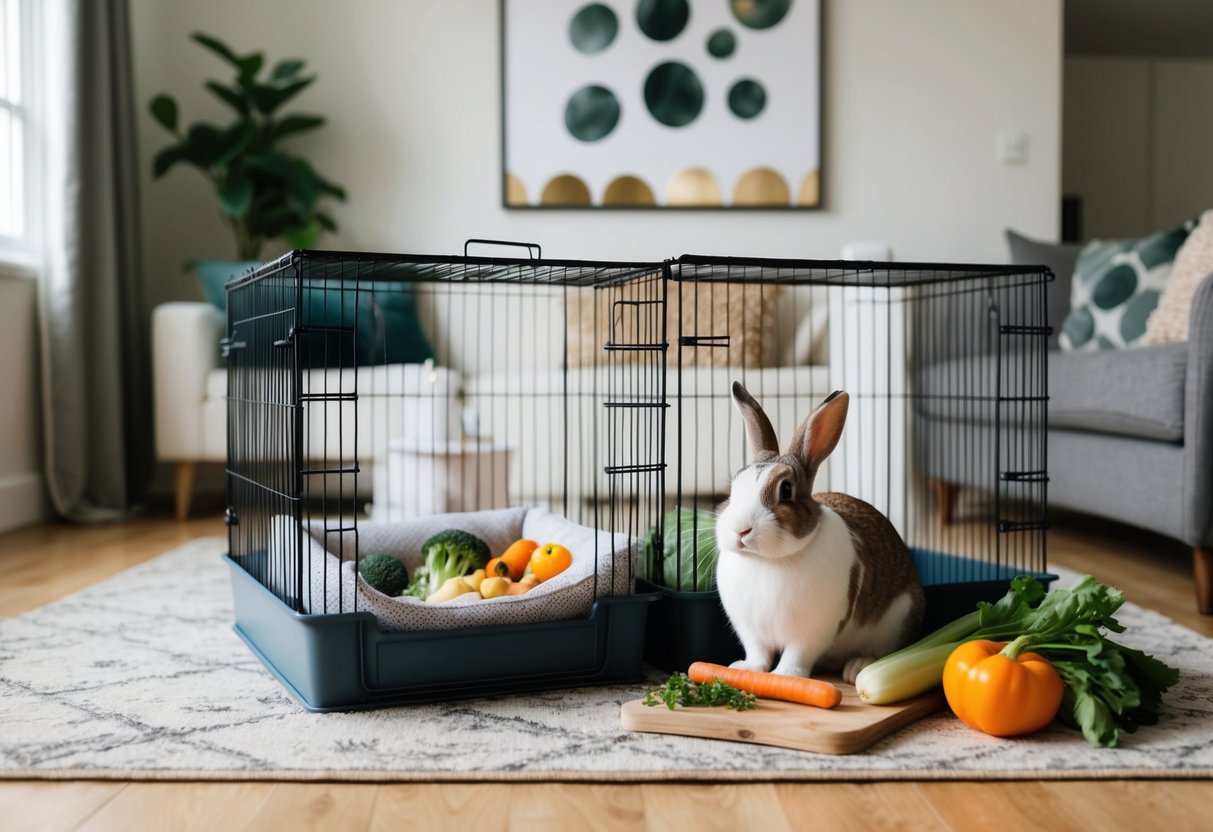
Bringing a rabbit into your home means creating a comfy and safe space for them. You’ll need to focus on setting up a secure indoor environment and bunny-proofing your living area. These steps will help ensure your rabbit is happy and healthy.
Creating a Safe Indoor Environment
Setting up a safe indoor environment for your rabbit is crucial. First, choose a quiet spot away from loud noises and foot traffic. Use a spacious cage or pen, ensuring it’s well-ventilated and secure.
Provide plenty of bedding options, such as soft hay or blankets, for your rabbit to burrow in. These materials can make them feel cozy and at ease.
Keep fresh water and a balanced diet nearby. Include grass hay, fresh vegetables, and limited pellets. Always take site of rabbit-proof food before introducing new items. Avoid sugary treats that may harm them.
The Importance of Bunny-Proofing
Bunny-proofing your home is essential for your rabbit’s safety. Because rabbits love to chew, protect electrical cords, furniture, and baseboards. Use protective covers or hide wires behind furniture.
Check for small items or plants that could be dangerous. Common houseplants like lilies and philodendrons are toxic to rabbits.
You can create a bunny-safe zone by using baby gates or pen barriers. This allows your rabbit to roam freely without getting into trouble.
Also, give your rabbit plenty of toys to prevent boredom. Cardboard boxes, wooden chew toys, and soft balls can keep them entertained while protecting your home.
Adoption and Rabbit Ownership

Adopting a rabbit can be a wonderful experience, but it’s important to choose the right breed and understand the commitment involved. Rabbits need love, care, and attention for many years.
Choosing the Right Rabbit Breed
When thinking about adopting a bunny, consider different breeds. Each breed has unique traits. Some are known for being more active, while others prefer a calmer environment.
For instance, Lop rabbits are often friendly and love to cuddle. Holland Lops are small and playful. Netherland Dwarfs have big personalities and can be very energetic.
Take time to research breeds or visit a shelter to see which bunny catches your heart. Make sure their personality matches your lifestyle. This way, you can ensure a happy home for both of you.
Understanding the Commitment of Rabbit Ownership
Owning a rabbit is a long-term commitment. Rabbits live for over 10 years on average.
You’ll need to provide a proper diet, regular vet visits, and daily exercise. Make a list of rabbit care essentials, like:
- A spacious cage
- Fresh hay and vegetables
- Toys for chewing and playing
Rabbits also thrive on social interaction. You should spend time playing with them daily. Without adequate attention, they can become lonely or bored.
Make sure your home is rabbit-proofed to keep your new friend safe as they explore. This preparation will help you and your bunny enjoy a fulfilling life together.


