
Rabbits are playful and social creatures that thrive on interaction.
To keep your pet rabbit happy and healthy, you should spend at least an hour each day giving it attention and companionship. This time can be a mix of play, petting, and watching your rabbit explore its environment.

You might be surprised at how much personality your rabbit has when you engage with it regularly. Spending more time, around 3 to 5 hours a day, can lead to an even stronger bond and a happier bunny. Understanding their needs helps ensure they remain content and less stressed.
When you invest time in your rabbit, you also create a joyful atmosphere for both of you. By learning how much attention rabbits really need, you can become a better pet owner and ensure your furry friend enjoys a fulfilling life.
Understanding Rabbit Behavior
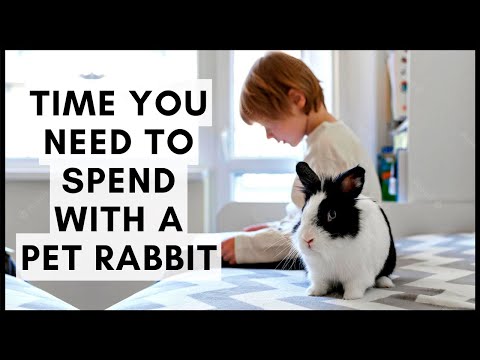
Rabbits are complex animals with unique behaviors. Recognizing how they interact and communicate can help you provide the attention they need. Understanding their social nature and body language is essential for building a strong bond.
Social Animals and Companionship Needs
As social creatures, rabbits thrive on companionship. In the wild, they live in groups, so your rabbit will appreciate your interaction daily. Aim for at least 1-2 hours of quality time with your pet to ensure they feel loved and engaged.
When rabbits are alone for too long, they may become lonely or depressed. This can lead to destructive behaviors, such as chewing on furniture or digging. Providing a companion, whether another rabbit or plenty of interaction with you, promotes happiness.
Recognizing Attention-Seeking Behaviors
Rabbits often express their needs through attention-seeking behavior. You might notice your rabbit nudging you, circling your feet, or even thumping their hind legs. These actions are their way of asking for more interaction or playtime.
Sometimes, a rabbit may act out if they feel neglected. This includes chewing on wires or litter box issues. It’s important to monitor these behaviors closely and respond promptly to their need for attention, keeping them mentally stimulated.
The Importance of Body Language
Understanding rabbit body language is key to knowing how they feel. A relaxed rabbit will have a loose body position and might flop over. This shows they are comfortable and happy.
In contrast, a tense body or flattened ears can indicate fear or discomfort. If you see your rabbit thumping, it’s a sign they are alerting you to something. By paying attention to these cues, you can enhance your interaction and respond to their emotional needs effectively.
Daily Care and Interaction Requirements

Your rabbit’s happiness and health greatly depend on daily care and interaction. To keep your furry friend content, focus on exercise, bonding, and mental stimulation. Each part is essential for meeting their needs and preventing attention-seeking behaviors.
Exercise and Playtime Essentials
Rabbits need regular exercise to stay healthy and happy. Aim for at least 2-4 hours of free play each day. This allows them to hop around and explore.
Provide a safe space where they can play. Use toys like tunnels, chew toys, and balls to keep things interesting.
Mix in structured playtime too! Playing with your rabbit strengthens your bond.
Also, don’t forget about your rabbit’s diet. Fresh veggies like carrots and greens can be a great reward during playtime.
Bonding and Quality Time
Spending quality time with your rabbit is vital. Aim for at least one hour of direct interaction daily. This can be petting, cuddling, or simply sitting close to them.
Speak softly to your rabbit. They love hearing your voice, and it helps them feel secure. Create a routine so your rabbit knows when to expect attention from you.
Consider giving your rabbit a cozy spot in your home where they can feel safe and loved. This will encourage them to be more social and engage with you when you are around.
Training and Mental Stimulation
Training your rabbit is a fun way to interact and provide mental stimulation. Start with simple commands like “come” or “sit.” Use treats to reward good behavior.
Keep training sessions short and engaging—about 5-10 minutes is perfect. Your rabbit will love the challenge and the treats.
Incorporate puzzle toys that require problem-solving. These toys not only distract your rabbit but also keep their minds sharp. Try rotating toys to keep things fresh and exciting for your furry friend.
Rabbit Socialization and Companionship

Rabbits thrive on companionship and social interaction. Understanding how to engage with your rabbit can strengthen your bond and keep them happy and healthy. Here are some key ways to ensure your rabbit feels loved and supported.
The Role of Human Interaction
Your rabbits need regular human interaction to feel secure and content. When you spend time with them, it not only fulfills their social needs but also helps build trust.
To connect with your rabbit, try to handle them gently. Let them come to you at their own pace. Consistent interactions help them feel comfortable. Talk to your rabbit softly; they often respond to your voice.
Offering affection through petting or snuggling can reassure them. Remember, spending just an hour a day can make a big difference in their well-being. Your caring presence can help them feel like a cherished member of your family.
Playful Activities and Treats
Engaging in playful activities is crucial for your rabbit’s mental and physical health. Encourage exploration with toys that challenge their curiosity.
You might offer them items such as:
- Chew toys – to keep their teeth healthy.
- Tunnel systems – for fun obstacle courses.
- Boxes – to create a safe haven for hiding.
Incorporating treats into your bonding time can also be great. Use fresh veggies or small pieces of fruit as rewards during playtime. This makes the interaction enjoyable and strengthens your bond.
Always observe your rabbit during playtime. Every rabbit has different tastes, so find what excites yours and keep things fresh!
Creating a Supportive Environment
Setting up a welcoming environment is key for your rabbit’s socialization. Start by ensuring they have enough space to hop and explore. A clean, safe area allows them to feel secure and settle in.
Add cozy bedding and hideouts in their living space. These features give them the option to retreat when they need alone time.
Consider having a companion rabbit for additional social interaction. They can groom each other and play for hours. Just make sure to introduce them slowly and carefully.
Setting Up the Right Habitat

Creating the right habitat for your rabbit is crucial to their well-being. A well-designed space supports their social needs, exercise, and overall happiness. Let’s explore the key elements you should consider for your furry friend.
Choosing the Appropriate Hutch
Select a hutch that offers enough space for your rabbit to move around freely. A hutch should be at least four times their size, allowing them to stand up on their hind legs without hitting the roof. Ensure it has proper ventilation and is sturdy enough to protect against weather and predators.
Inside the hutch, include a cozy area for sleeping. Soft bedding, such as hay or straw, makes a great choice. Use positive reinforcement when your rabbit explores their hutch. This helps them feel secure and encourages happy behaviors.
Exercise Area Design
Your rabbit needs a safe exercise area to stay active and healthy. This space should allow them to run, jump, and play. Aim for a minimum of 24 square feet for exercise.
Create a fun environment with tunnels, toys, and places to hide. Objects like cardboard boxes stimulate their natural curiosity. Regularly rotate toys to keep things fresh and exciting. You may notice your rabbit nudging or exploring new toys, showing their eagerness to play.
Adaptations for Older Rabbits
As rabbits age, you may need to make a few adjustments to their habitat. Older rabbits often need easier access to food and water. Use low, stable bowls to prevent spills and make it easier for them to eat.
Consider soft bedding to ease any arthritis or joint pain. Providing options for gentle grooming can also enhance comfort. A smaller, quieter space may help them feel secure.
Keep a close eye on their behavior and health. Happy nudging or gentle movements indicates they’re comfortable.


