
Boxer dogs have a playful nature and boundless energy. To keep your furry friend thriving, you need to focus on several key aspects of their health. You need to provide a balanced diet, regular exercise, and routine veterinary care to ensure your Boxer’s overall well-being.

As a responsible owner, you’ll want to watch for common health issues specific to Boxers. Being proactive about their health can help you catch problems early, allowing for better treatment and a happier life for your pet.
With the right approach, you can support your Boxer’s health and happiness for years to come. Understanding what your dog needs can lead to a deeper bond and a more energetic, playful companion.
Nutrition and Diet
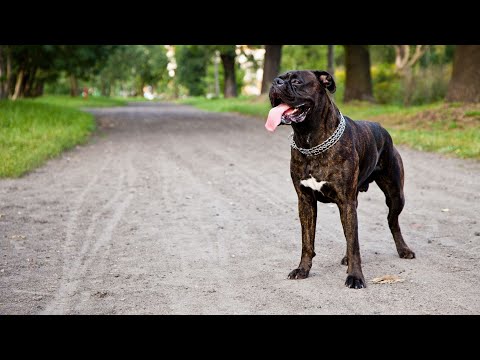
Feeding your Boxer a balanced, nutritious diet is essential for their health and happiness. You need to choose quality dog food that caters to their specific needs and understand what makes up a healthy diet for this energetic breed.
Choosing Quality Dog Food
When selecting dog food, look for brands that offer high-quality ingredients. Check for real meat as the first ingredient, which ensures your Boxer gets enough protein. Avoid foods with fillers like corn and soy, as they don’t provide much nutrition.
Consider these factors:
- Protein Content: Aim for at least 20-30% protein for adults.
- Healthy Fats: Look for sources like fish oil and animal fats, which support skin and coat health.
- Whole Grains: Ingredients like brown rice and oats can provide energy and fiber.
Always read labels and choose foods specifically made for large breeds, as they have different nutritional needs than smaller dogs.
Understanding Boxer Dietary Needs
Boxers are known for their active lifestyle, and their diet should match their energy levels. They need a balanced mix of protein, fats, carbohydrates, vitamins, and minerals to thrive.
Key dietary considerations include:
- Protein: Supports muscle development and energy; focus on high-quality animal sources.
- Carbohydrates: Provide energy; opt for whole grains or sweet potatoes.
- Vitamins and Minerals: Serve essential roles; make sure the food is fortified.
Also, consider feeding your Boxer multiple meals throughout the day rather than one large meal. This helps with digestion and can prevent bloat, a concern in larger breeds. Always consult with your veterinarian for personalized advice tailored to your Boxer’s specific health needs.
Healthcare and Disease Prevention

Keeping your Boxer healthy involves regular care and attention to prevent potential diseases. Knowing the right steps can help you manage your pet’s health effectively.
Routine Veterinary Check-Ups
Routine veterinary check-ups are vital for your Boxer’s well-being. Scheduling annual visits helps in early detection of health issues like hip dysplasia, dilated cardiomyopathy, and arrhythmogenic right ventricular cardiomyopathy.
During these visits, your vet will conduct thorough examinations, including weight checks and assessments of heart health.
Make sure to ask about any changes in your dog’s behavior or diet. These check-ups are opportunities to discuss any concerns you have. Your vet can also advise you on the best nutrition and exercise for your Boxer’s specific needs. Regular check-ups create a strong foundation for a healthy life.
Vaccinations and Parasite Prevention
Vaccinations are essential to protect your Boxer from serious diseases like parvovirus, distemper, and rabies. Your vet will provide a vaccination schedule tailored to your dog’s age and lifestyle. Don’t forget to keep your dog’s vaccinations up to date.
Additionally, parasite prevention is crucial. Fleas, ticks, and heartworms can severely affect your Boxer’s health. Talk with your veterinarian about the best prevention methods, such as monthly medications or yearly treatments. Regular checks for parasites can help keep your furry friend safe and healthy.
Common Health Issues in Boxers
Boxers are prone to certain health issues. Some common problems include skin conditions and allergies. It’s important to monitor your Boxer’s skin and coat. Keeping them clean can prevent acne and other issues, especially in breeds with short coats.
Another concern is heart disease. Boxers can develop conditions like dilated cardiomyopathy. Watch for symptoms like coughing, difficulty breathing, or lethargy. Regular vet visits can aid in early detection and management of these conditions.
Exercise and Activity

Regular exercise is vital for your boxer’s well-being. It keeps them healthy, happy, and helps manage their energy levels. Engaging your dog in various activities not only supports their physical health but also strengthens your bond.
The Role of Exercise in Boxer Dog Health
Boxers are energetic dogs that need at least 1-2 hours of exercise daily. This can include walks, playtime, and training.
Providing consistent exercise helps prevent obesity, which can lead to health problems.
Daily exercise can include:
- Long walks: Aim for at least 30 minutes to an hour.
- Jogging: Boxers often enjoy running alongside you.
- Playtime: Games like fetch offer great physical activity.
Always consider your dog’s age and health condition. Puppies may need shorter bursts of activity, while older boxers would benefit from gentler exercises. Always monitor their behavior during play, and adjust the intensity if they seem tired.
Engaging in Dog Sports
Dog sports are an excellent way to channel your boxer’s energy into structured activities. They not only provide exercise but also mental stimulation. Boxers typically excel in various dog sports.
Some popular dog sports include:
- Agility: Navigating obstacle courses can be both fun and challenging.
- Flyball: A team relay race that boxers often enjoy.
- Dock diving: A fantastic water sport for boxers who love swimming.
Joining a local dog sports club can offer a great social outlet for you and your dog. Participating helps build skills while keeping your boxer fit and engaged.
Grooming and Allergy Management

Keeping your Boxer healthy involves regular grooming and effectively managing any allergies they may face. A consistent grooming routine can help maintain your dog’s coat and skin health. Understanding how to deal with allergies is essential for their comfort and well-being.
Establishing a Grooming Routine
Creating a grooming routine for your Boxer is vital for their hygiene and health. Start with brushing their coat at least once a week. This helps remove dead hair and prevents matting.
Choose a brush suitable for your Boxer’s short coat. A rubber curry brush is a great option. It not only removes loose hair but also stimulates the skin.
Regular bathing is also important but be careful not to overdo it. Bathe your dog every 4 to 6 weeks using a mild, dog-friendly shampoo. Look for options that contain oatmeal or aloe, as these ingredients are gentle on the skin.
After bathing, make sure to dry your Boxer thoroughly. Moisture can lead to skin infections, so focus on drying areas like folds. This simple step can significantly reduce the risk of skin issues.
Dealing With Boxer Allergies
Boxers can suffer from allergies just like people do. Common allergens include pollen, dust mites, and certain foods. Knowing how to manage these allergies can improve your dog’s quality of life.
Regular grooming helps in removing allergens. Keep your Boxer’s environment clean by vacuuming frequently and using air purifiers. This reduces airborne allergens that might cause discomfort.
Monitor your dog’s skin for signs of irritation. If you notice redness or excessive scratching, it may be time to consult your vet. They can recommend appropriate treatments or allergy testing.
Diet plays a crucial role too. Feed your Boxer a balanced diet, high in omega fatty acids. This promotes skin health and may help reduce allergic reactions. If you suspect food allergies, your vet can guide you on how to conduct an elimination diet to identify the culprit.


