
Boxer dogs often receive a bad reputation, which can be surprising given their affectionate nature. Many people view them as aggressive or difficult pets due to their strong physical appearance and energetic behavior. Understanding the key reasons behind this negative image can help you see the true character of boxers and why they can make wonderful companions.

Misconceptions about boxers usually stem from their size and strength. Some individuals assume that these traits equal aggression, but this is not accurate. Proper training and socialization play a significant role in shaping a boxer’s behavior, highlighting the importance of responsible ownership.
By recognizing the facts about boxer dogs, you can appreciate their playful and loyal side. With the right approach, they can be loving members of your family that thrive on attention and companionship.
Exploring their traits further will reveal how these remarkable dogs deserve a chance to prove their worth.
The History and Traits of the Boxer Breed

Boxer dogs have a fascinating background and unique characteristics that make them stand out. Understanding their origins, physical traits, and personality can help you appreciate this breed more.
Breed Origins and History
The Boxer breed originated in Germany during the late 19th century. They were created from the now-extinct Bullenbeisser and Bulldogs. Boxers were initially bred for their strength and agility, often used as working dogs for hunting and bull-baiting.
By the 1870s, dog breeders began focusing on developing the modern Boxer we see today. This breed has roots in the regional areas near Munich, Germany. Today, Boxers are known for being loyal companions and exhibit a playful spirit. Their history as versatile working dogs helped shape their strong and energetic personality.
Physical Characteristics
Boxers are medium to large dogs with a distinctive, muscular build. They have a short-haired coat that is smooth and tight-fitting. Common colors include fawn and brindle, often featuring white markings.
They are considered a brachycephalic breed, which means they have broad skulls and short muzzles. Boxers typically display an underbite, giving them a unique appearance. With their strong jaws, they are capable of handling various tasks, making them perfect for roles like police dogs. Their agile nature is seen in their athleticism, making them popular in dog performance events.
Temperament and Personality Traits
Boxers are known for their friendly and affectionate nature. They are intelligent, energetic, and playful, often displaying a clownish side that makes them loved by families. Boxers are also very loyal, forming strong bonds with their owners.
This breed is recognized for being family-friendly, making them excellent companions for children. Their protective instincts can make them cautious around strangers, but they usually warm up quickly. With proper training and socialization, your Boxer can become a well-rounded and loving family member.
Understanding Behavioral Tendencies

Boxers are known for their unique behavioral traits. To ensure they thrive in a home environment, understanding their specific needs in areas like socialization, exercise, and managing their instincts is essential.
The Importance of Socialization
Socialization is a crucial part of raising a well-adjusted Boxer. Early exposure to different people, places, and other pets can shape how they behave as adults.
Start socializing your Boxer when they are a puppy. This can help reduce the chances of aggression and anxiety later. Invite friends over or take your dog to pet-friendly parks.
Also, consider enrolling in obedience classes. Positive experiences during these interactions will build their confidence and help them feel comfortable in various situations. A well-socialized Boxer can be a friendly companion instead of a troubled one.
Exercise Needs and Mental Stimulation
Boxers have boundless energy, making regular exercise critical. They require at least 60 to 90 minutes of physical activity each day. This can include walks, playtime, or even agility training.
Mental stimulation is just as important. Engaging activities like puzzle toys can keep your Boxer entertained and alert. Without sufficient exercise and mental challenges, Boxers might develop behavioral issues like chewing or barking excessively.
As a first-time dog owner, find creative ways to meet these needs. Rotating toys and introducing new activities can keep your Boxer stimulated and happy.
Managing Prey Drive and Aggression
Boxers often have a high prey drive, which can lead to chasing after small animals. It’s important to manage this instinct in a safe manner. Training commands like “leave it” or “come” can be beneficial.
Be consistent with training and reward good behavior. This not only helps manage aggression but also fosters a strong bond between you and your dog.
Stay aware of situations that might trigger aggressive behavior. Proper training and awareness can help your Boxer become a protective yet friendly companion.
Training and Companionship
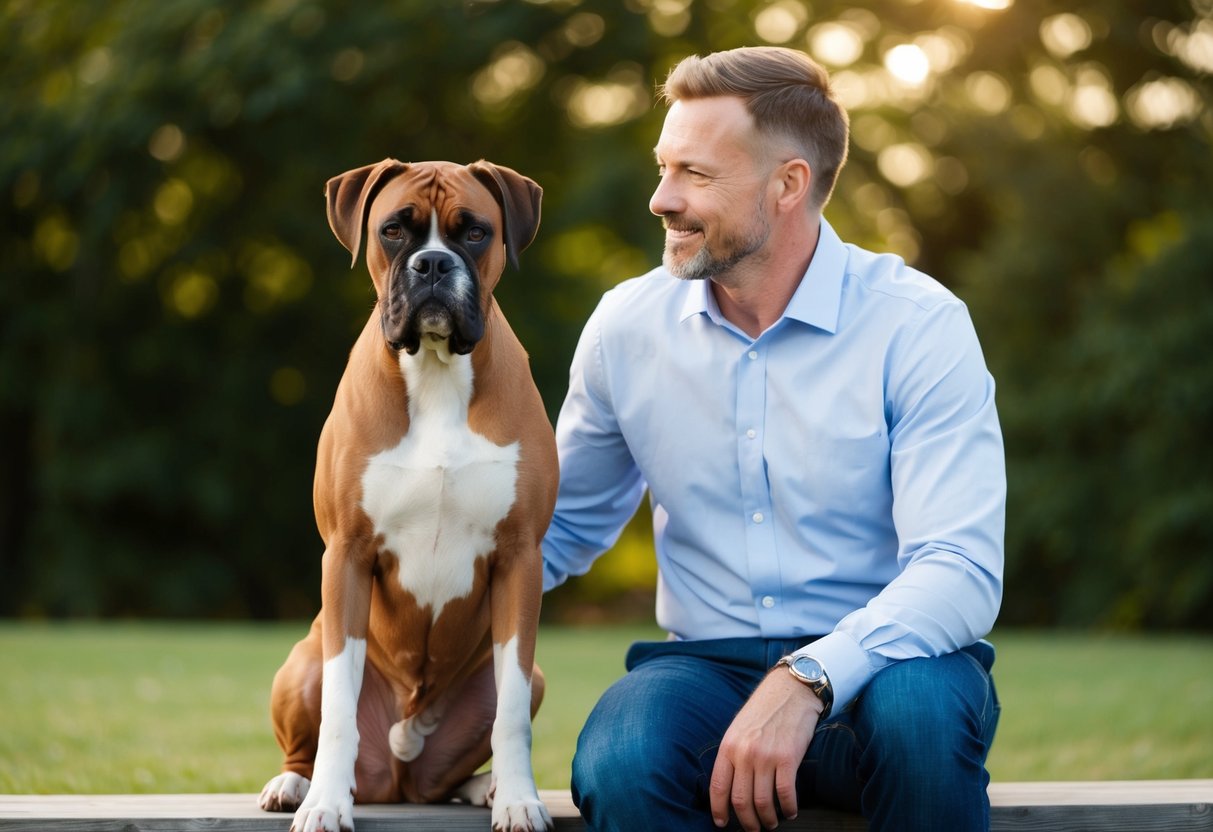
Training your Boxer is essential for building a strong bond and ensuring they become well-behaved family members. This breed is loyal and eager to please, making them relatively easy to train. Establishing clear communication and positive reinforcement techniques will help you guide their behavior.
Training Techniques
Boxers respond best to positive reinforcement training methods. This includes using treats, praise, and playtime to reward good behavior. Consistency is key; set daily routines for commands and practice regular exercises to keep them mentally stimulated.
You might also consider enrolling in beginner obedience classes. This not only teaches your Boxer basic commands but also socializes them with other dogs. Socialization early on can help prevent separation anxiety later and create a more balanced pet.
Building a Strong Owner-Dog Relationship
To foster a strong relationship with your Boxer, spend quality time together each day. Engaging in activities like walks, playtime, and training helps to build trust and companionship. Boxers thrive on attention and affection, so be sure to show them love often.
Incorporate their intelligence into games and challenges that require problem-solving. When they feel mentally stimulated, they are less likely to act out or develop negative behaviors. Remember, a well-trained Boxer is usually a happier and more relaxed family pet.
Boxers as Family Pets
Boxers are known for being excellent family dogs. They are good with children and often form strong bonds with every member of the household. Their playful nature and loyalty make them protective but gentle companions.
As guard dogs, Boxers will alert you to strangers while being loving with family. With the right training, they can fit seamlessly into your lifestyle. Although they enjoy being active, remember that their loving nature means they also need down time and affection from you.
Health Issues Affecting Boxers

Boxers are energetic and loyal companions, but they can face several health issues. Being aware of these problems can help you take better care of your dog.
Common Genetic Health Problems
Boxers are prone to various genetic health issues. One of the most notable is hip dysplasia, a genetic condition that affects the hip joint, leading to discomfort and mobility issues. Signs include difficulty walking and reluctance to exercise.
Another serious health concern is dilated cardiomyopathy (DCM). This heart condition can strain your dog’s heart, leading to serious complications. Boxers can also suffer from hypothyroidism, which affects metabolism and energy levels.
Additionally, degenerative myelopathy can impact mobility in older dogs. Look for symptoms like weakness in the hind legs. These health problems can significantly affect your Boxer’s quality of life, so regular vet check-ups are essential.
Important Health Care and Nutrition
Proper health care and nutrition are key to keeping your Boxer healthy.
Give your dog high-quality food that meets their energy needs, especially since they are high-energy dogs. A balanced diet will support a strong immune system and maintain their weight.
Regular exercise is equally important, as Boxers require daily activity to stay fit and happy.
Even with minimal grooming needs, regular vet visits are necessary to monitor potential health concerns.
Being proactive about your Boxer’s health can prevent many issues.
Always consult your veterinarian about your dog’s specific needs, especially if you notice any changes in behavior or health.


