
Boxer dogs are known for their playful and affectionate nature, making them wonderful family pets. They can be relatively easy to train compared to some other breeds, especially when you use positive reinforcement techniques. Their intelligence and eagerness to please mean that with consistent effort, you can teach them basic commands and good behavior.

While boxers may have a stubborn streak, this can also be an advantage in training. They often thrive on challenge and will respond well to engaging training sessions. If you keep sessions short and fun, your boxer will stay interested and focused, leading to a stronger bond between you two.
If you’re considering adding a boxer to your family or already have one, understanding their training needs can help you raise a well-behaved companion. With the right approach, you’ll find that training your boxer can be a rewarding experience for both of you.
Understanding Boxer Dogs

Boxer dogs are known for their playful nature and strong personalities. Learning about their temperament, exercise needs, and health considerations is crucial for successful training and bonding.
Temperament and Behavior
Boxers are intelligent and energetic dogs. They have a friendly disposition and love being around people. Their protective instincts make them great family pets. They are often loyal and will bark to alert you of any potential danger.
Boxer dog behavior can be playful but also stubborn at times. Early training and socialization are essential to curb any unwanted behaviors. Consistent positive reinforcement works well because Boxers respond better when they feel encouraged.
Playtime not only keeps them happy but helps to build a strong bond between you and your dog.
Exercise and Mental Stimulation
Your Boxer needs plenty of exercise to match their high energy levels. Daily activities, such as long walks, fetch, or playful runs, are essential. Aim for at least 60 to 90 minutes of exercise each day to keep your dog fit and satisfied.
Mental stimulation is just as important. Boxers enjoy interactive toys, puzzles, and training games. You can combine physical and mental activities by teaching new tricks or commands. This helps prevent boredom and destructive behaviors.
Engaging in activities together creates a stronger connection and keeps your Boxer healthy and happy.
Health Considerations
While Boxers are generally healthy, they can be prone to specific health issues. These include heart problems, hip dysplasia, and certain cancers. Regular vet check-ups and a balanced diet are vital for maintaining their health.
It’s also essential to know the signs of common health issues. Monitor your dog for symptoms like coughing, lethargy, or difficulty breathing. Being proactive can help you address problems early, ensuring a longer and healthier life for your Boxer.
Staying informed about their health gives you peace of mind and helps you provide the best care possible.
Training Boxer Dogs
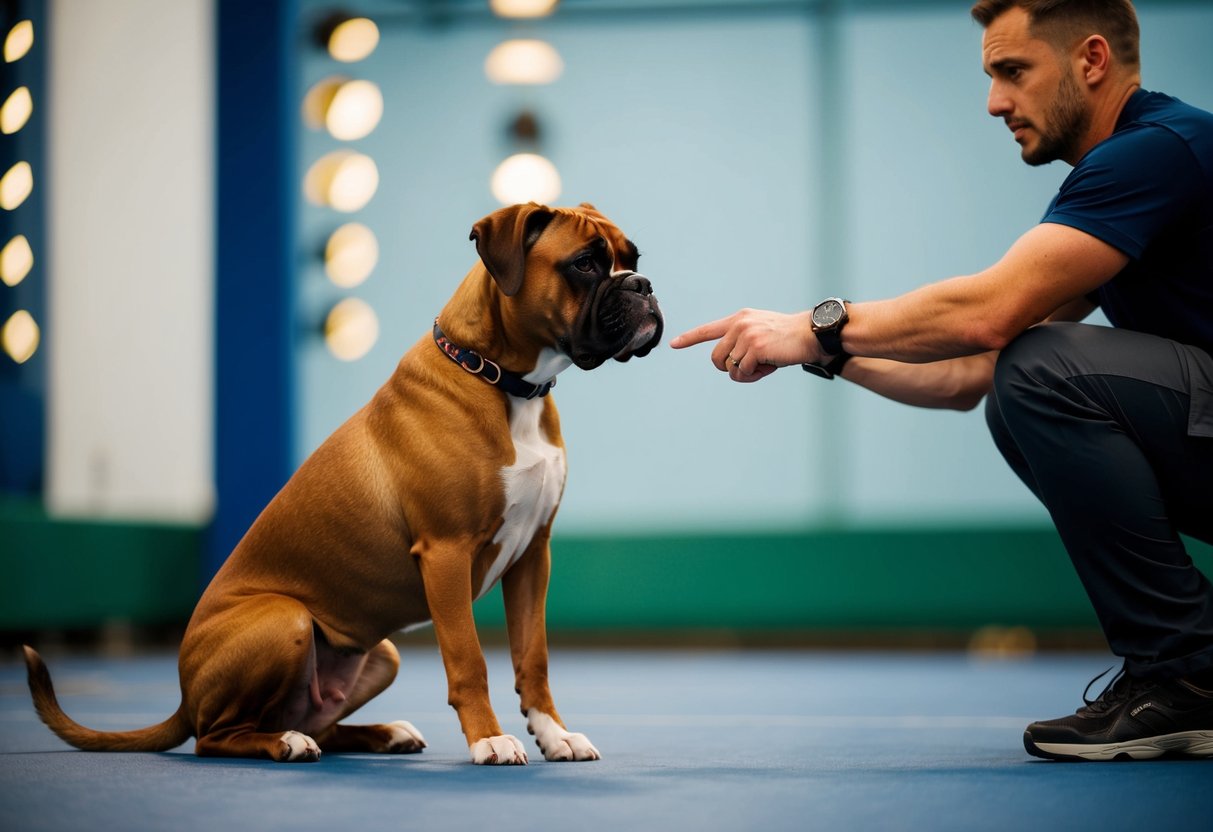
Training your Boxer dog is an important part of their development. Focus on consistent techniques while using positive reinforcement to build a strong bond with your pet. This section covers key aspects like crate and potty training, socialization, and basic obedience commands.
Crate and Potty Training
Crate training is crucial for your Boxer. It provides them with a safe space and helps with potty training. Start by introducing the crate slowly, making it a cozy spot with blankets and favorite toys.
For effective potty training, take your puppy outside frequently, especially after meals and playtime. Watch for signs that they need to go. If they succeed, praise them with treats or affection.
Consistency is key. A schedule helps them learn when to expect bathroom breaks. When accidents happen, don’t scold. Instead, clean up and redirect to the right behavior.
Social Skills and Early Socialization
Socialization is vital during the first few months of your puppy’s life. Expose your Boxer to different people, pets, and environments. This helps them become well-adjusted and confident.
Arrange playdates with other dogs or enroll in puppy classes. Positive experiences will shape their behavior. Always supervise interactions to ensure safety. A dog trainer can provide valuable tips on handling different situations.
Gradually, your Boxer will develop excellent social skills, making them more comfortable in various settings.
Obedience and Basic Commands
Teaching your Boxer basic commands is essential for their safety and your peace of mind. Start with simple commands like “sit,” “stay,” and “come.”
Use short training sessions, around 5-10 minutes, to keep their attention.
Positive reinforcement is effective. When they follow a command, reward them with treats, toys, or praise. This encourages them to keep learning.
Consistent training helps reinforce these commands in their daily routine.
Remember to be patient and make training a fun experience. A well-trained Boxer is happier and easier to manage, benefiting both you and your furry friend.
Advanced Training Techniques
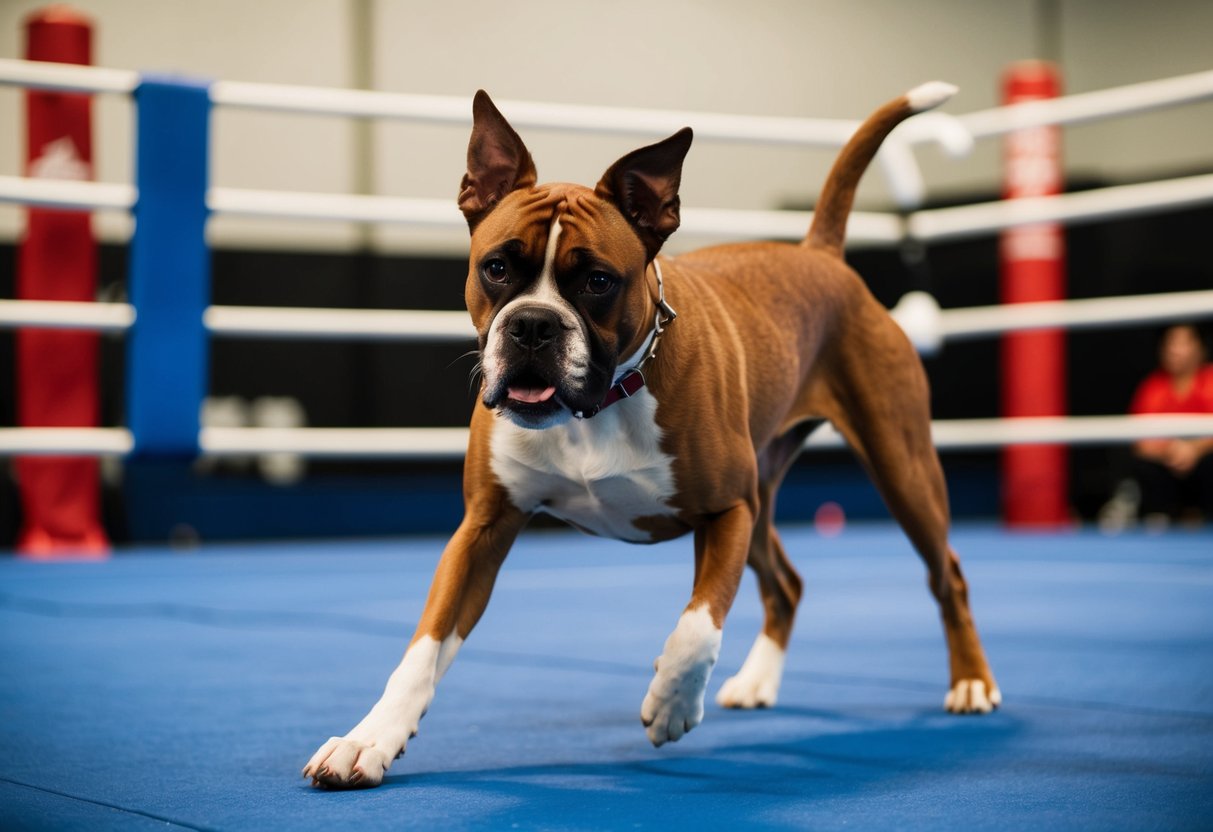
Advanced training for your Boxer can take their skills to the next level. You’ll want to focus on two important areas: leash training and dealing with separation anxiety. By mastering these techniques, you can enhance your dog’s behavior and create a stronger bond.
Leash Training and Manners
Leash training is essential for a Boxer, known for their strong energy and enthusiasm. Start by using positive reinforcement and shaping techniques.
When your dog walks calmly beside you, reward them with treats or praise.
Tips for leash manners:
- Short Sessions: Keep training sessions to 10-15 minutes to maintain your dog’s focus.
- Consistency: Use the same commands and signals each time.
- Practice in Controlled Areas: Start in your yard or a quiet park before moving to more distracting environments.
If your Boxer pulls, stop walking. Wait until they relax, then start again. This teaches them that pulling will not get them where they want to go.
Dealing with Separation Anxiety
Boxers are social dogs and might struggle with separation anxiety. This can lead to unwanted behaviors like barking or chewing.
Gradually get your dog used to being alone to help them cope.
Strategies to ease separation anxiety:
- Practice Short Separations: Leave your dog alone for a few minutes, then gradually increase the time.
- Create a Safe Space: Use a crate or a designated area where they feel secure while you’re gone.
- Provide Engagement: Leave toys or puzzles to keep them occupied.
Using these techniques can help your Boxer feel more relaxed when you are away, reducing anxiety over time.
Maintaining a Trained Boxer
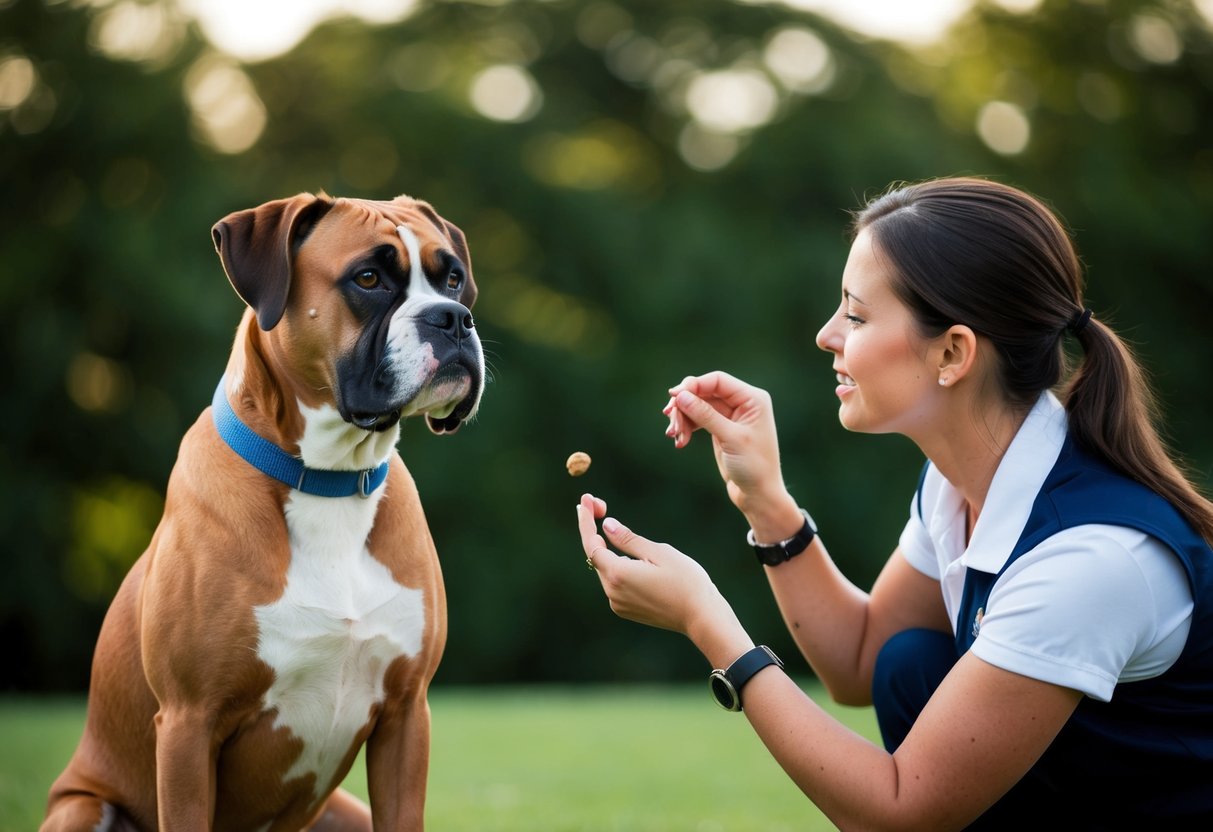
To keep your Boxer well-trained, you need to focus on proper exercise routines and a balanced diet. Both play vital roles in maintaining good behavior and overall well-being.
Exercise Routines
Boxers are energetic dogs that require regular exercise to stay healthy and happy. Aim for at least 1 to 2 hours of exercise each day.
This can include walks, runs, and interactive playtime.
Consider incorporating different activities to keep things exciting:
- Daily walks: Aim for at least 30 minutes to an hour each day.
- Play fetch: This helps burn off energy and reinforces training commands.
- Dog sports: Try agility training or obedience classes to provide mental stimulation.
A consistent exercise routine helps your Boxer stay well-behaved. If they don’t get enough activity, they may become restless or develop unwanted behaviors.
Nutrition and Care
Proper nutrition is crucial for your Boxer’s health and training success. Choose a high-quality dog food that meets their specific needs. Look for options with real meat as the first ingredient.
Here are some guidelines for feeding your Boxer:
- Age: Puppies need three meals a day, while adults typically have two.
- Portion sizes: Follow the feeding guidelines on the food package, adjusting for weight and activity level.
- Treats: Use healthy treats when training to reward good behavior, but remember to keep them in moderation.
Regular vet check-ups also ensure your Boxer stays fit. Routine care, including vaccinations and dental hygiene, is key to keeping your dog healthy and happy.


