
Spending quality time with your bunny is essential for their well-being and happiness. Aim to spend at least one hour with your rabbit every day. Ideally, two to three hours is recommended. This time helps strengthen the bond between you and your pet while ensuring they don’t feel lonely or bored.
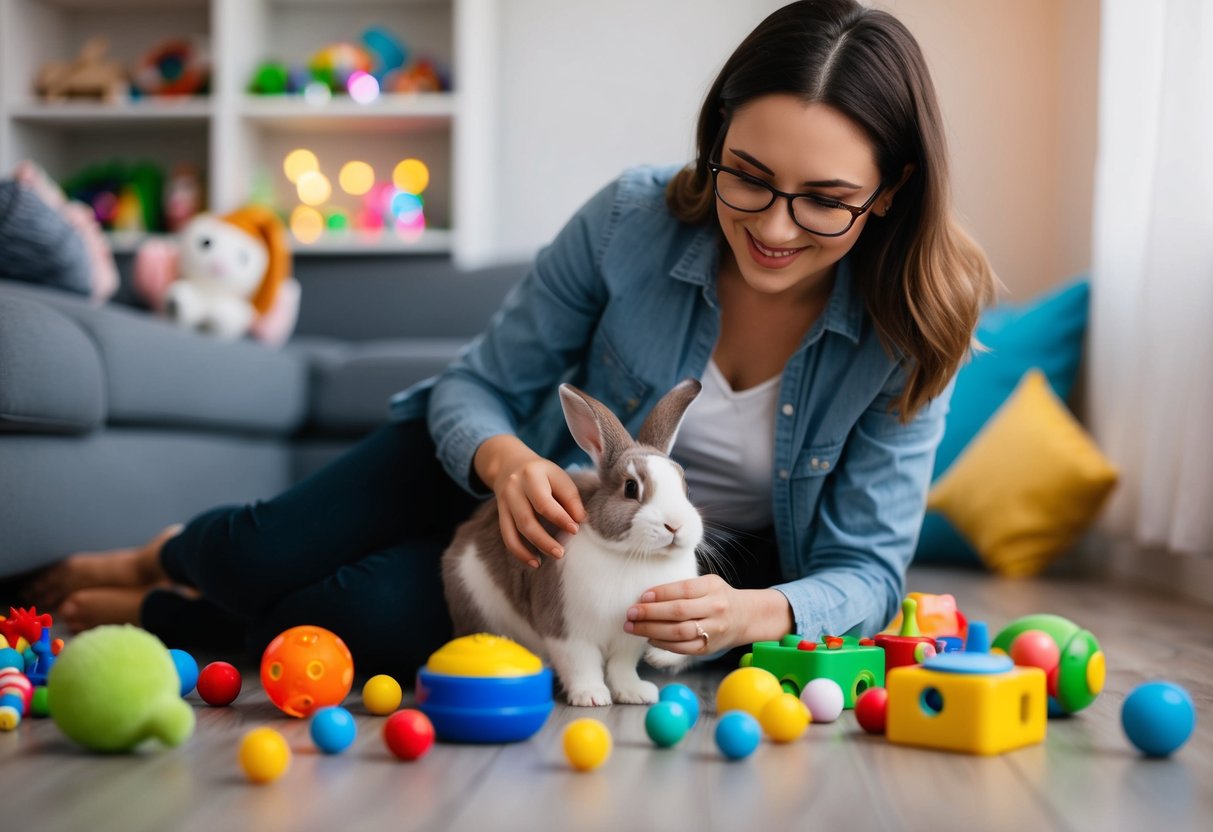
Rabbits are social creatures that thrive on interaction. Whether it’s playtime or simply being near each other, your bunny will appreciate your presence. Engaging in activities together not only keeps your rabbit stimulated but also allows you to bond in a loving and enjoyable way.
The more time you spend with your bunny, the happier and healthier they will be. Keeping to the recommended daily time helps ensure your furry friend feels loved and enriched in their environment.
Understanding Your Rabbit’s Needs

Rabbits are social creatures. They thrive on companionship and need you for their happiness and well-being. Spending time with your bunny helps prevent loneliness and reduces stress.
To keep your rabbit healthy, aim for at least one hour of interaction each day. This can include playing, petting, or just being in the same room together.
Key Rabbit Needs
-
Socialization: Your rabbit enjoys interacting with you. Regular social time helps build trust and strengthens your bond.
-
Exercise: Let your rabbit hop around safely. Exercise is essential for physical health and mental stimulation.
-
Environmental Enrichment: Provide toys and activities. Things like tunnels or chew toys keep your rabbit entertained and curious.
Signs Your Rabbit Needs More Attention
- They seem bored or restless.
- Your rabbit starts chewing on furniture or other items.
By paying attention to your rabbit’s behavior, you can better meet their needs for companionship and care. Regular interaction boosts their mood and supports their overall health.
Establishing a Daily Routine
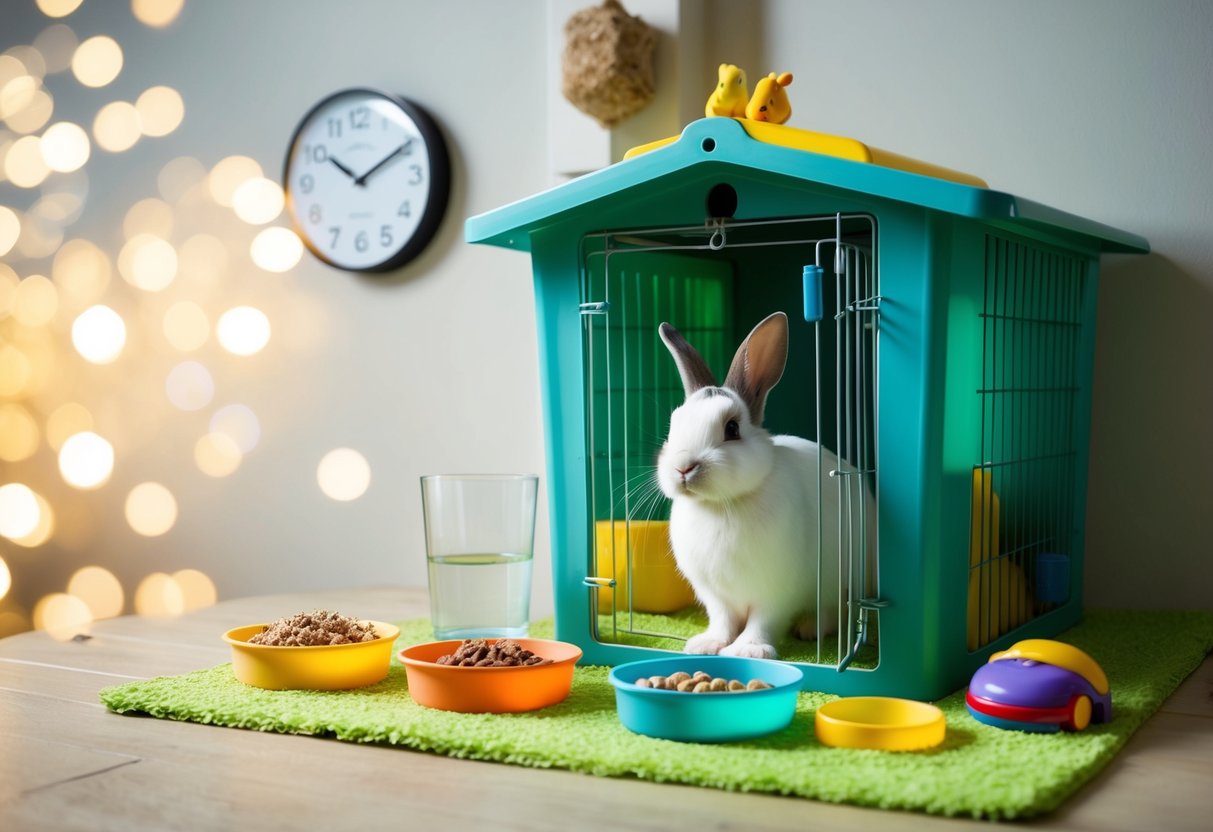
Creating a daily routine for your pet rabbit can greatly enhance their quality of life. Rabbits thrive on consistency and will benefit from both morning and evening interactions, which can strengthen your bond and keep them active.
Morning Activities
As a crepuscular animal, your rabbit is most active at dawn. Start their day with some fresh hay and pellets, providing a balanced breakfast. This sets a positive tone for the day.
After feeding, engage your rabbit in some active play. Use toys that stimulate their natural instincts, like digging boxes or chew items. Spend at least 30 minutes in the morning to bond through play, allowing them to hop around freely in a safe space.
If time allows, take a few moments to groom your rabbit. This helps them feel cared for and is an excellent way to connect with them. Regular grooming can also keep their coat healthy and reduce shedding.
Evening Interactions
In the evening, your rabbit will need your attention once more. This is another key period when they are naturally active. After they have had dinner, spend quality time with them.
Choose activities that encourage interaction and bonding. You can sit on the floor and let them explore, or you might introduce some gentle petting. Make this time enjoyable and relaxing.
Consider setting aside 30 to 60 minutes each evening for this purpose. Offer treats or engage them with new toys to keep their curiosity piqued. Ending the day with positive interactions helps to strengthen your bond and ensures they feel loved and secure.
Engagement and Playtime
Engaging with your pet bunny is essential for their happiness and well-being. Regular playtime helps strengthen your bond and provides mental and physical stimulation. Here are some important ways to enhance your bunny’s play and engagement.
Providing Stimulation Through Toys
Bunnies love toys that encourage exploration and play. Consider providing a variety of toys such as chew toys, tunnels, and balls. Look for safe, durable materials that can withstand chewing.
Here are some popular options:
- Hay balls: These promote natural chewing behavior.
- Soft plush toys: Great for snuggling.
- Cardboard boxes: Fun for hiding and jumping in.
Rotating toys keeps playtime exciting. Observe your bunny’s preferences and choose toys that match their interests. Engaging toys help alleviate boredom and can keep your bunny happy throughout the day.
Incorporating Exercise and Active Play
Bunnies require regular exercise to maintain good health. Aim for at least 2-3 hours of active play each day. Create a safe, bunny-proofed area where your pet can hop around freely.
Here are some ways to encourage exercise:
- Obstacle courses: Use small boxes and tunnels to create a fun course.
- Chase games: Gently encourage your bunny to follow you with a treat.
- Supervised outdoor time: If safe, let them explore a secured yard.
Active play helps keep your bunny fit and mentally stimulated. Exercise not only supports physical health but also helps reduce attention-seeking behaviors.
Training and Enrichment Activities
Training your bunny can be a fun way to engage their mind. Focus on simple commands like “come” or “sit.” Use treats to reward your bunny for following commands. This positive reinforcement builds trust and encourages continued learning.
Incorporate enrichment activities to keep their minds sharp. You can try:
- Puzzle feeders: These encourage your bunny to work for treats.
- Hide-and-seek games: Hide treats around their play area.
- Clicker training: This method can teach tricks and reinforce positive behaviors.
Training fosters a strong bond with your bunny while giving them the mental challenges they crave.
Health and Well-being Considerations

Taking care of your bunny’s health is essential. This includes regular grooming, a balanced diet, and watching for any changes in behavior. These practices help ensure that your rabbit stays happy and healthy.
Grooming and Hygiene
Grooming is vital for your rabbit’s health. Regular brushing helps remove loose fur and prevents matting, which is especially important for long-haired breeds. Aim to groom your bunny at least once a week. This will also help reduce the chances of hairballs and digestive issues.
Make sure to check your rabbit’s nails too. If they get too long, they can cause pain. Trim your bunny’s nails every few weeks. Additionally, keep an eye on their ears and teeth. Clean ears should be free of dirt and wax, while healthy teeth should not show any signs of overgrowth.
Diet and Eating Habits
A healthy diet is key for maintaining your rabbit’s physical health. Hay should make up the largest part of your bunny’s diet. It provides necessary fiber for digestion. Ensure your rabbit has access to fresh hay every day.
Introduce a variety of fresh vegetables daily. Leafy greens like romaine lettuce and kale are great choices. Limit pellets, as too many can lead to obesity. Monitor your bunny’s eating habits to see if they’re enjoying their meals. If they start eating less, it might be a sign of health issues.
Observing Behavioral Changes
Keep a close eye on your rabbit’s behavior. Changes can indicate health problems or stress.
Signs of aggression can include lunging, growling, or biting. These behaviors may mean your bunny feels threatened or is in pain.
Older rabbits may also show different behavior patterns. They might sleep more or become less active.
Watch for signs of depression, such as hiding or decreased social interaction. If you notice any concerning changes, contact your vet for advice.
Regular interaction can help keep your bunny engaged and happy.


