
When it comes to keeping your pet rabbit healthy and happy, exercise is key. You should let your rabbit out for at least 3 to 5 hours a day. This time outside their cage allows them to stretch their legs, explore, and engage in natural behaviors, all of which are essential for their well-being.
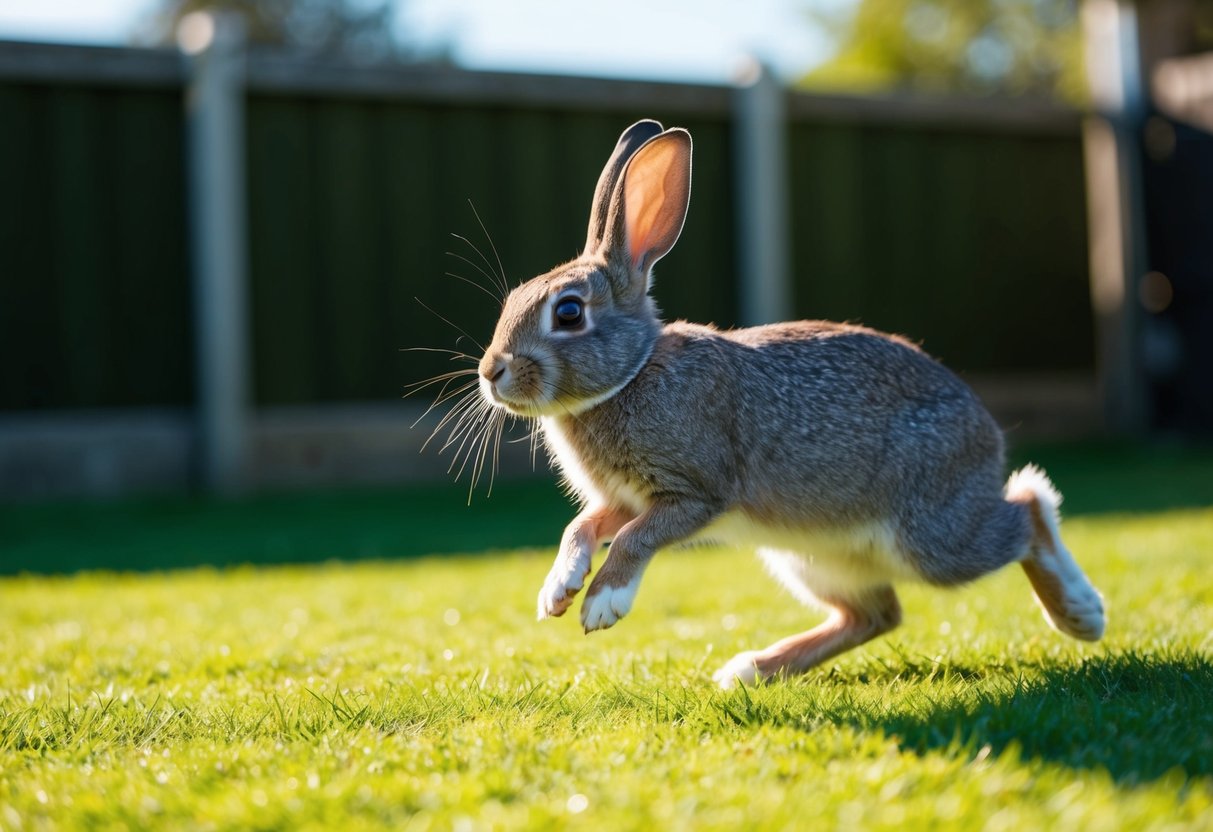
Rabbits are active creatures, especially during the dawn and dusk hours. They thrive on interactions and activities that keep them entertained and physically fit. By letting them out regularly, you can help reduce the risk of health problems that come from being confined for too long.
Creating a routine can make it easier for both you and your rabbit. Whether it’s a few sessions of playtime throughout the day or a longer block of free time, ensuring your rabbit has ample opportunities to exercise will lead to a happier, healthier pet.
Understanding Rabbit Behavior
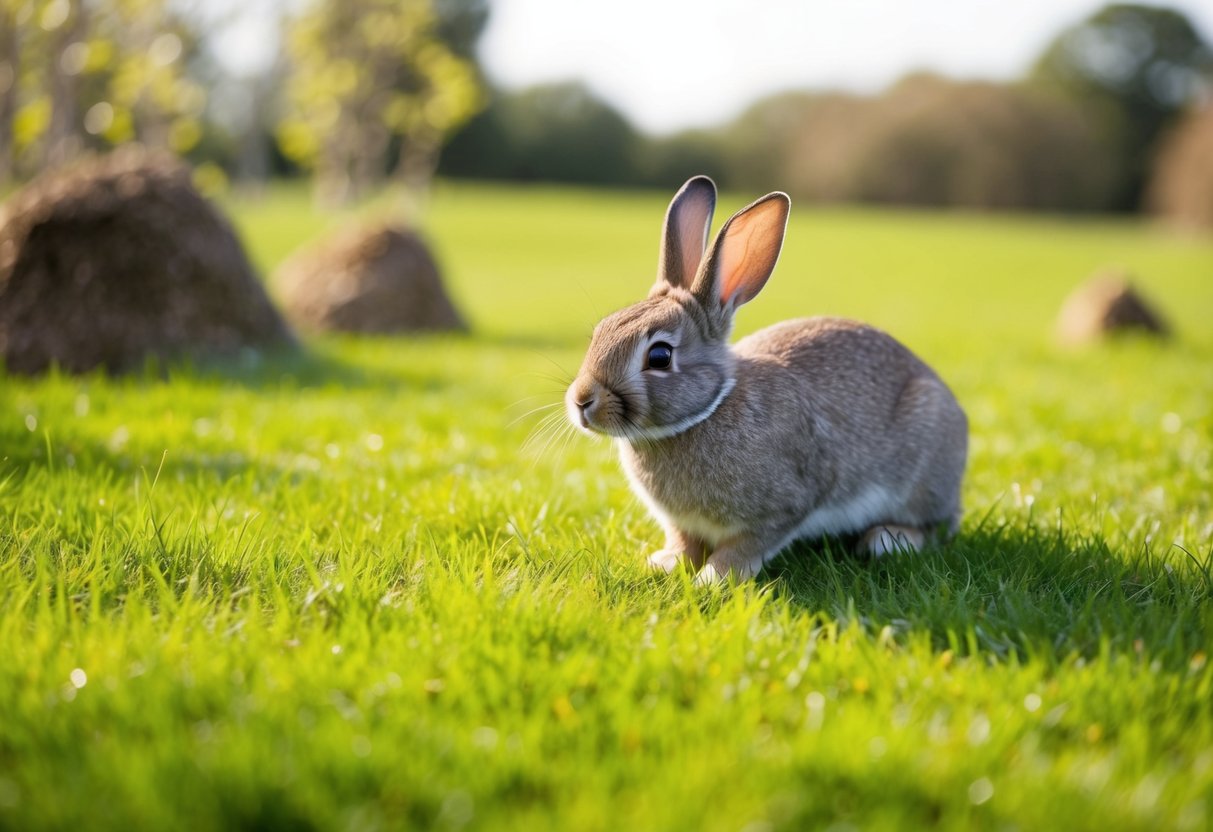
Rabbits have unique behaviors that are important for their health and happiness. Recognizing these behaviors helps you provide a better environment for your pet. They are crepuscular, need social interactions, and exhibit territorial tendencies that influence how you should care for them.
Crepuscular Activities
Rabbits are most active during dawn and dusk. This is when they feel the safest to explore and play. Providing time outside their cage during these hours is ideal for their well-being.
Your rabbit may run, hop, and play more at these times. Setting up a safe space for them to roam allows them to express their natural behaviors. Proper exercise during these peak activity times prevents boredom and keeps them healthy.
Social Needs and Companionship
As social creatures, rabbits thrive on companionship. They enjoy spending time with you and other rabbits. Regular interaction can reduce stress and improve their mood.
Make playtime engaging and varied. Simple toys, tunnels, and time spent petting help build trust. If possible, consider getting a second rabbit. Two rabbits can groom each other and play together, fulfilling their need for socialization.
Territorial Tendencies
Rabbits can be quite territorial about their living space. They may mark their area by rubbing their scent glands. Recognizing this behavior is critical when introducing new pets or rearranging their home.
If your rabbit displays signs of aggression or stress in response to changes, give them time to adjust. Create a designated space for each rabbit to prevent territorial disputes. By understanding these tendencies, you can promote a peaceful environment.
Creating a Safe and Stimulating Environment
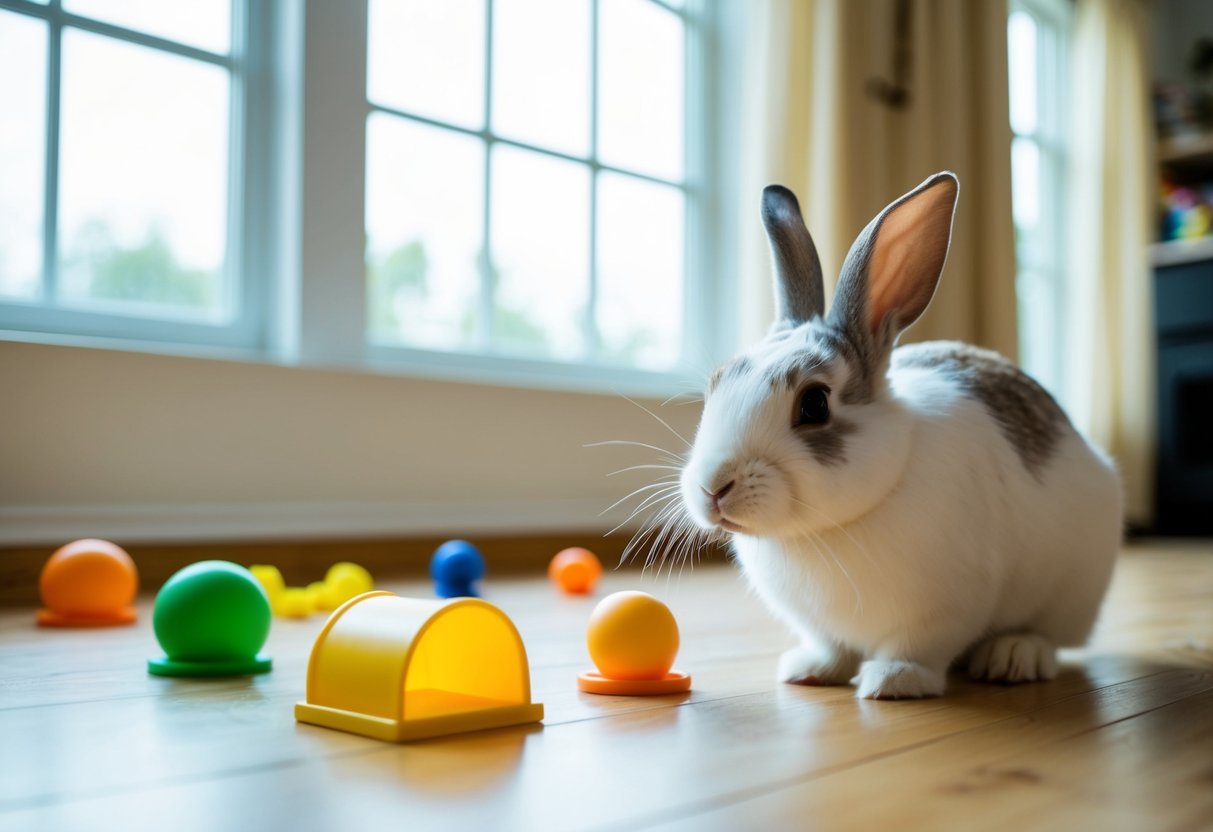
Creating a safe and stimulating environment for your rabbit is essential for their well-being. It helps them stay active, both physically and mentally. You can achieve this by rabbit-proofing your space and designing a special area just for exercise and enrichment.
The Importance of Rabbit-Proofing
Rabbit-proofing your home is crucial to keep your furry friend safe. Start by eliminating any hazards. Here are some steps you can take:
- Cover Electrical Cords: Use protective coverings to keep your rabbit from chewing on cords.
- Remove Poisonous Plants: Make sure to identify and remove any harmful plants from your home.
- Secure Small Objects: Keep small items like coins or batteries out of reach, as these can be dangerous if swallowed.
Creating a safe space frees your rabbit to explore without fear. This will also lower the risk of accidents and help your rabbit feel more comfortable.
Designing an Exercise and Enrichment Area
An exercise and enrichment area is vital for your rabbit’s physical activity and mental stimulation. Allocate a safe space where they can hop around and explore. Use the following tips to enhance this area:
- Create Climbing Structures: Use ramps and platforms to encourage climbing and jumping.
- Provide Hideaways: Include tunnels or boxes for your rabbit to hide and play in.
- Introduce Toys and Chews: Offer toys made of safe materials like wood or straw to keep them entertained.
By giving your rabbit a dedicated area for exercise, you promote healthy habits and prevent boredom. A well-designed environment contributes to their overall happiness.
Health and Wellness Through Exercise
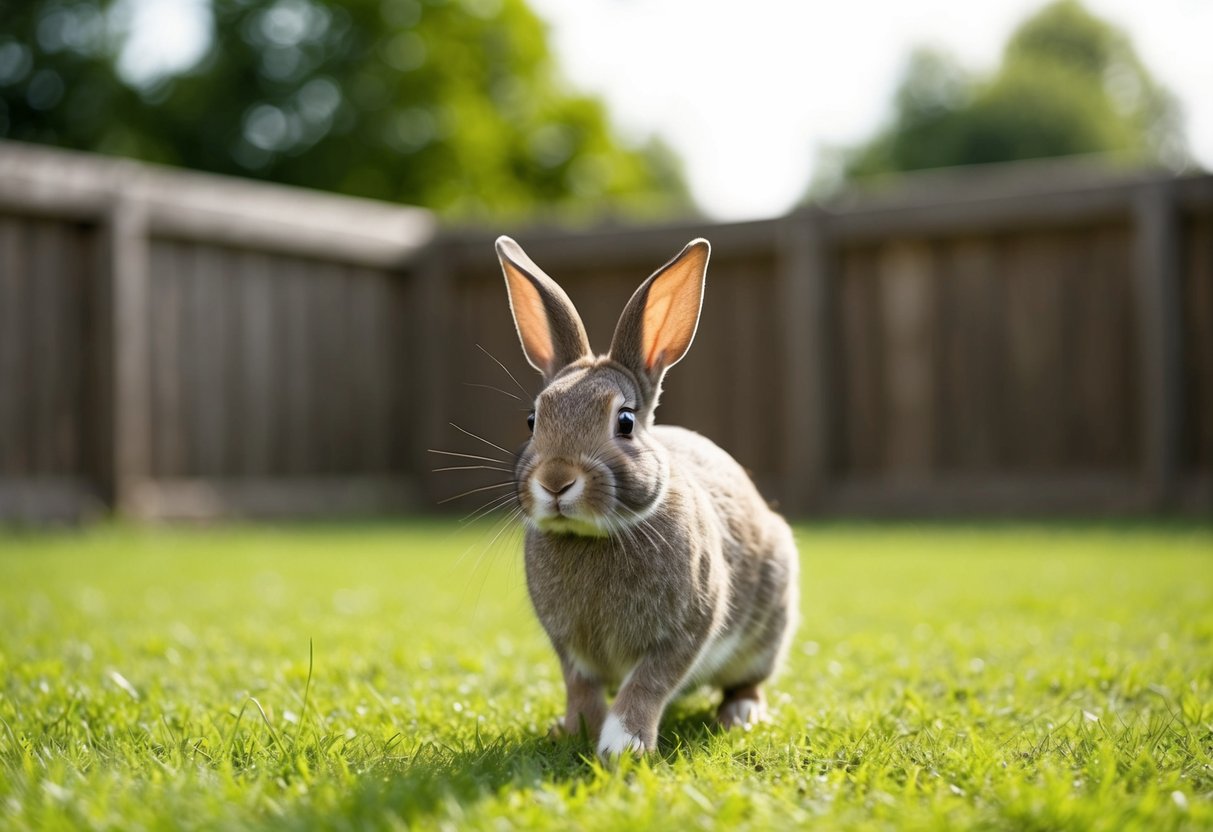
Getting your rabbit enough exercise is crucial for their health and happiness. Regular activity helps prevent obesity and keeps their digestive system running smoothly. It also offers your rabbit mental stimulation, preventing boredom and encouraging playful behaviors.
Avoiding Obesity and GI Stasis
Keeping your rabbit at a healthy weight is key to preventing serious health problems. Obesity can lead to a variety of issues, including heart disease and joint problems. To avoid this, aim to let your rabbit out for at least 3-5 hours of exercise each day.
Regular exercise promotes digestion, reducing the risk of GI stasis, a dangerous condition where the digestive system slows down. When your rabbit exercises, it helps move food through their stomach and intestines. Creating a fun play area with different toys can motivate them to stay active.
Training and Mental Challenges
Training sessions and mental challenges are not just fun; they also provide valuable exercise for your rabbit. You can teach your rabbit simple tricks like “jump” or “come” using treats as rewards. This keeps their minds sharp and engaged.
Incorporate obstacles like tunnels or small jumps into their play area to keep things interesting. Challenge them with puzzles that require them to think in order to access their favorite treats. This will help reduce boredom, which can lead to unwanted behaviors. A happy rabbit is an active rabbit!
Scheduling and Frequency of Exercise

Your rabbit’s exercise schedule is important for their health and happiness. Regular playtime helps them stay fit, avoid boredom, and engage their natural behaviors.
Daily Exercise Needs for Rabbits
Most rabbits need at least 3 to 4 hours of exercise each day. This can be broken into smaller sessions throughout the day. If you have an indoor rabbit, set up a safe area where they can explore.
You can use tunnels, boxes, and toys to keep them entertained. Young rabbits, in particular, are energetic and may need more playtime. Be sure to supervise them to keep them safe from hazards.
Adapting to Your Pet’s Individual Requirements
Every rabbit is unique, and their exercise needs may vary. Consider factors like age, health, and personality.
Older rabbits might prefer shorter, gentler play sessions, while younger rabbits enjoy more active play.
Observe your rabbit’s behavior. If they seem restless or bored, it’s time to increase their exercise.
Create a routine that works for you and your pet. Adjust as needed to ensure they stay healthy and engaged.


