
You might be wondering if it’s okay to leave your rabbit for a few days. You can leave your rabbit alone for up to three to four days, but you need to prepare properly. Rabbits are social animals, and while they can manage without you for a short time, they still need food, water, and a safe environment.

Before you head out, make sure your rabbit has plenty of fresh hay, clean water, and some safe toys to keep them entertained. It’s also a good idea to have a friend or neighbor check in on them if you’ll be away for more than a couple of days. Keeping a routine and ensuring your bunny feels secure will help reduce any stress they might experience while you’re gone.
Understanding Rabbit Behavior
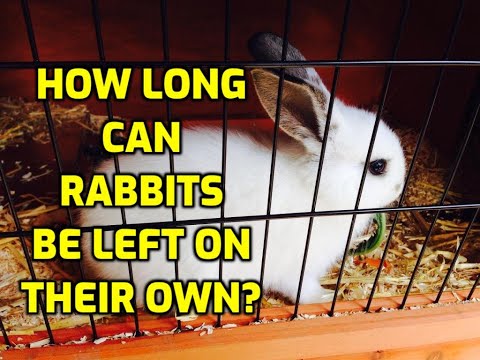
Rabbits have unique behavior patterns that are important to understand. They are social animals that thrive on interaction but also have instincts as prey animals. Recognizing these traits can help you care for your rabbit better.
Social Needs of Rabbits
Rabbits are naturally social creatures. They enjoy companionship, whether from other rabbits or their human caregivers. If your rabbit is left alone for long periods, they may feel lonely or anxious.
To keep your rabbit happy, consider these points:
- Pairing Up: Having a second rabbit can provide essential social interaction. They can groom each other and play together.
- Human Interaction: Spend time with your rabbit daily. Talking to them and petting them can help reduce their feelings of loneliness.
- Toys and Activities: Provide a variety of toys to keep your rabbit entertained. Interactive toys can stimulate their mind and reduce boredom.
Recognizing your rabbit’s need for social interaction is key to their happiness.
Rabbits as Prey Animals
Rabbits are prey animals, so they have instincts that make them cautious and alert. This behavior stems from their need to survive in the wild. They can be easily stressed if they feel threatened.
Here are some important aspects to consider:
- Safe Environment: Ensure your rabbit’s living space is safe and secure. This helps them feel more at ease when you are away.
- Hiding Spots: Provide hiding places where your rabbit can retreat if they feel scared. This gives them a sense of security.
- Routine: Maintain a regular schedule for feeding and playtime. A stable routine can help reduce anxiety, making your rabbit feel more comfortable.
Preparing Your Rabbit for Short Absences
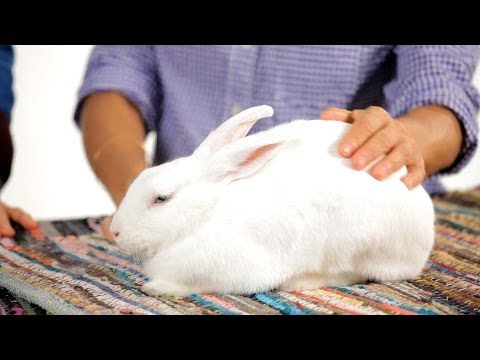
When planning to leave your rabbit for a short time, it’s important to ensure everything is set for their comfort and security. Here’s what you need to do to prepare for your absence.
Essential Supplies for Your Absence
Before you leave, gather all essential supplies to keep your rabbit happy and healthy. Make sure to stock up on fresh food and clean water. A heavy water bowl is ideal as it is less likely to tip over.
Provide plenty of hay, as it is crucial for their diet. You can also include rabbit pellets and fresh greens.
It’s a good idea to set up a few rabbit toys to keep your pet entertained. Toys can help prevent boredom which can lead to destructive behavior.
Familiarizing Your Pet with the Environment
Creating a comfortable environment can ease your rabbit’s stress while you are away. Spend time with your rabbit in their space so they feel secure.
Make sure everything is familiar. Try to leave their home setup unchanged. This will help prevent anxiety and make them feel safer.
If you have a pet sitter, introduce them to your rabbit before your trip. This way, your rabbit can get used to their presence. Similar scents and a calm demeanor from the sitter can provide comfort while you are gone.
Safety Measures to Consider
Your rabbit’s safety is a top priority. Before leaving, make sure their area is rabbit-proofed. Remove any hazardous items or potential chew dangers.
Check for wires, small objects, or toxic plants that could cause harm. It’s important to ensure they cannot escape their space.
Consider placing secure barriers to keep them safe while enjoying their area. If you plan on leaving for more than a day, having a reliable pet sitter can help. They can check on your rabbit, refill water, and add more food if needed.
Choosing a Caretaker

When you need to leave your rabbit for a few days, selecting the right caretaker is essential. You can choose between a professional pet sitter or a trusted friend or neighbor. Each option has its own benefits and responsibilities that are important to consider.
Professional Pet Sitters vs. Friends or Neighbors
Professional pet sitters offer expertise in caring for pets. They are usually trained to handle various animals, including rabbits. This means they know how to provide proper care, keep your rabbit safe, and ensure it gets enough social interaction.
On the other hand, using friends or neighbors can save you money and may offer a more personal touch. However, they might not have the same level of experience. Make sure they are comfortable with rabbits and understand what your pet needs. Discuss your expectations clearly with them to avoid misunderstandings.
Responsibilities of a Rabbit Caretaker
A rabbit caretaker must handle several responsibilities during your absence.
First, they should provide enough food and fresh water daily. You must follow your rabbit’s usual feeding routine to prevent digestive issues.
Second, your caretaker should ensure daily interaction. Rabbits need social time to stay happy. They should take your rabbit out for playtime and check for any signs of stress.
Lastly, they must keep the living area clean. Sweeping up hay, litter, and any mess is important for your rabbit’s health.
When choosing a caretaker, ensure they understand these responsibilities and can commit to caring for your rabbit properly.


