
If you’ve ever been curious about different types of meat, you might wonder what rabbit meat is called.
Rabbit meat is simply referred to as “rabbit” or “rabbit meat.” It offers a unique flavor and is known for being low in fat, making it a healthier alternative to more common meats like beef or pork.

Not only is rabbit meat delicious, but it’s also considered a sustainable source of protein. Incorporating it into your meals can provide you with various health benefits, including essential nutrients that contribute to a balanced diet. As you explore this lesser-known option, you may discover new ways to enjoy its tender texture and slightly sweet taste in your cooking.
Exploring Rabbit Meat
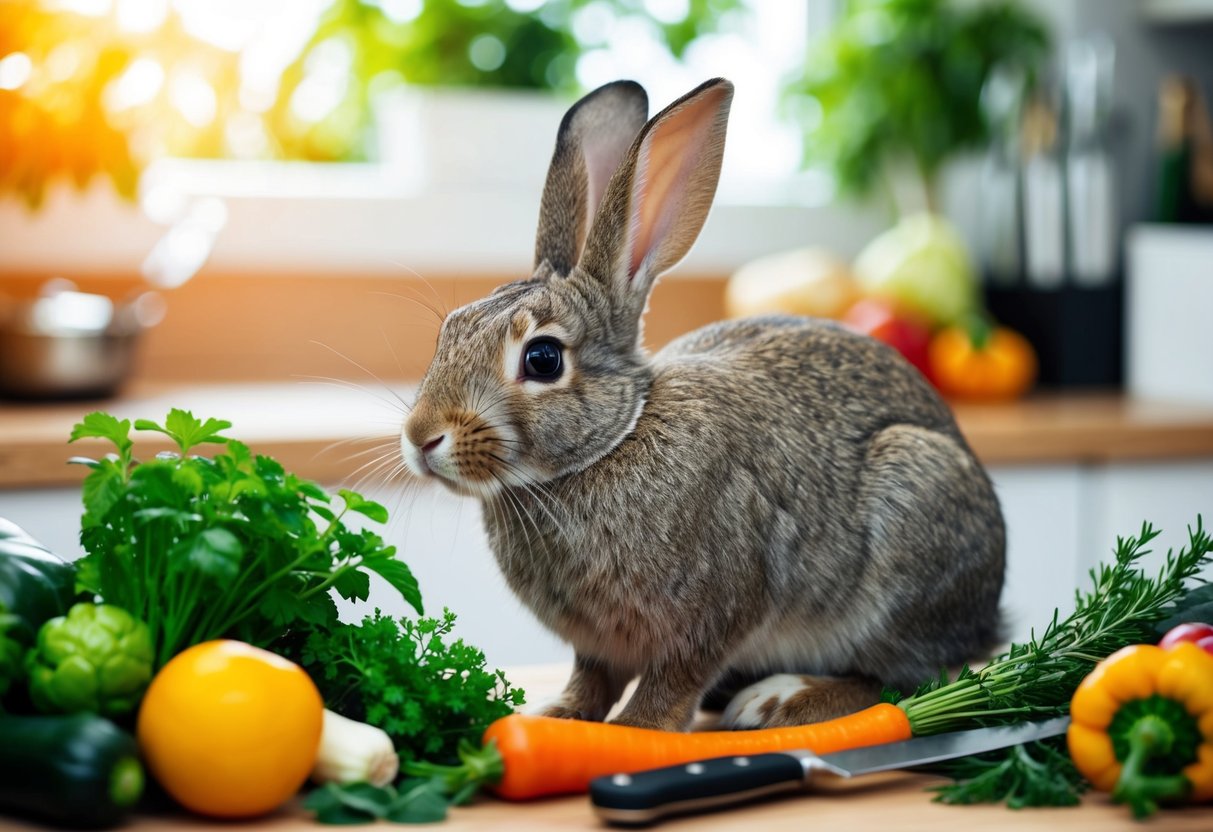
Rabbit meat is a unique option that provides distinct flavors and health benefits. Many people are becoming more curious about this versatile protein source.
What Is Rabbit Meat Called?
Rabbit meat is often referred to simply as “rabbit” or “coney.” The term “coney” comes from the Old French word “conil,” which means rabbit. When you order in a restaurant, you might see dishes labeled like “braised rabbit” or “fried rabbit.” In different countries, the names vary. For example, in French, it’s known as “lapin,” while the Spanish call it “conejo.” Understanding these names helps you explore various recipes featuring this meat.
Nutritional Profile
Rabbit meat is known for its impressive nutritional profile. It is high in protein while remaining low in calories, making it an ideal choice if you seek a lean protein source. In addition to its protein content, it provides essential vitamins and minerals.
Key nutrients found in rabbit meat include:
- Iron: Supports red blood cell production.
- Phosphorus: Vital for strong bones and teeth.
- Zinc: Important for a healthy immune system.
- Potassium: Essential for heart health.
This combination of nutrients makes rabbit meat an excellent addition to a balanced diet.
Comparing Rabbit Meat to Other Meats
When comparing rabbit meat to other common meats like beef and chicken, you may find some interesting differences. Rabbit meat has a leaner profile, which means it contains less fat.
Here’s a quick comparison of key points:
- Protein content: Rabbit meat is higher in protein per serving than chicken.
- Calories: It has fewer calories compared to beef or pork.
- Flavor: The taste is mild and can adapt to various seasonings, making it versatile in cooking.
If you’re looking for a nutritious alternative, rabbit meat offers a tasty option while boosting your health.
Health and Dietary Benefits
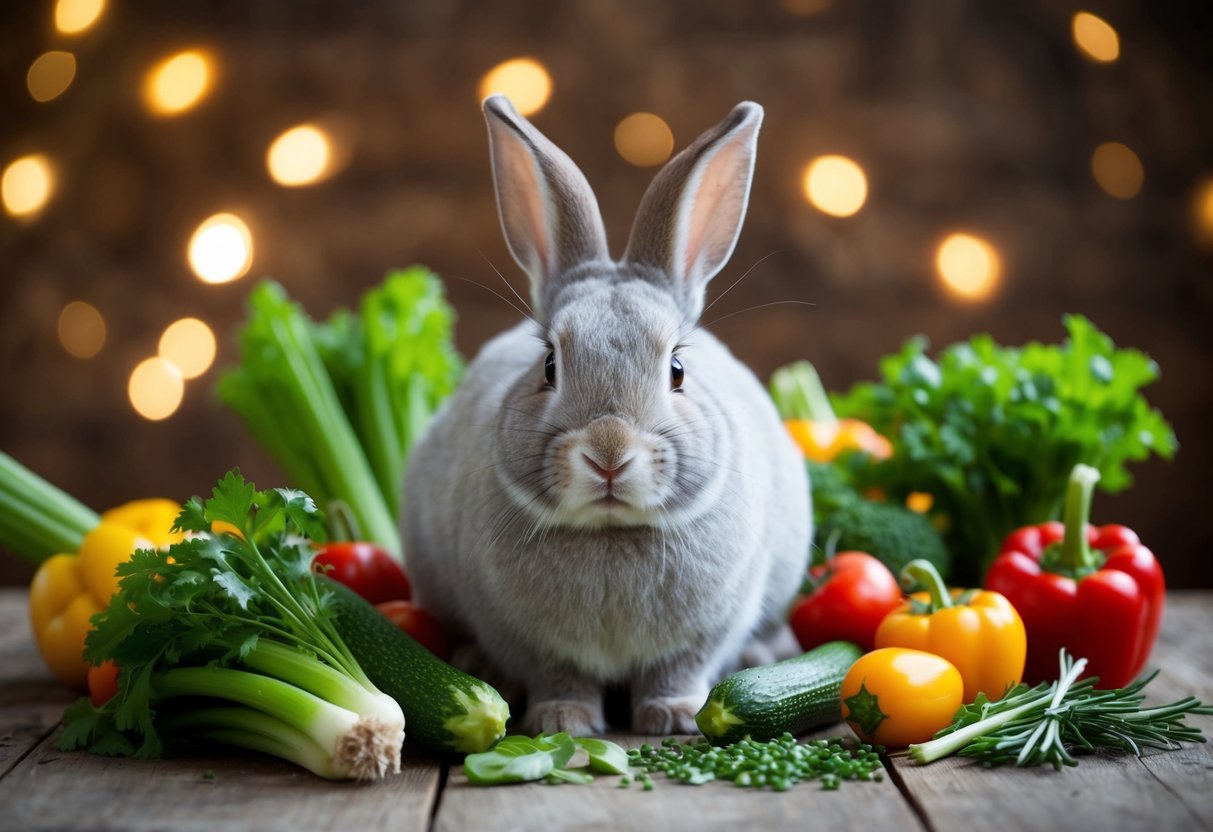
Rabbit meat is a nutritious option that can fit well into your diet. It offers various health benefits due to its rich nutritional profile, making it a great choice for many dietary needs.
Rabbit Meat in a Balanced Diet
Rabbit meat is a source of high-quality protein. This helps in building and repairing tissues, making it an excellent option for those who are active. It is also gluten-free, making it suitable for individuals with gluten sensitivities or celiac disease.
You will find that rabbit meat is low in cholesterol, which can support heart health. It is rich in essential vitamins and minerals, including vitamin B12, iron, and selenium. Incorporating it into your meals can contribute to a balanced diet, providing nutrients while being delicious and versatile.
Impact on Muscle Growth and Cholesterol
The high protein content in rabbit meat contributes to muscle growth and maintenance. As you work to keep your body strong, protein plays a crucial role in repairing muscles after workouts.
Furthermore, rabbit meat’s low cholesterol levels make it a heart-healthy choice. It fits well within dietary restrictions and preferences, including low-fat diets. Its nutritional benefits can help you maintain a healthy lifestyle without sacrificing flavor. Enjoying rabbit meat can be a tasty way to support your fitness goals.
Cooking Rabbit Meat

When you’re ready to cook rabbit meat, understanding the right preparation techniques and cooking methods can enhance its flavor and texture. Rabbit is a versatile meat enjoyed in several global cuisines, making it an exciting addition to your culinary repertoire.
Preparation Techniques
Before you start cooking, it’s important to properly prepare rabbit meat. Begin by cleaning the meat thoroughly. Remove any remaining fur or innards, if necessary. Pat the rabbit dry with paper towels, as moisture can affect cooking.
You might want to marinate the rabbit to enhance its flavor. Use a mix of olive oil, herbs, and spices. A simple marinade could include garlic, rosemary, and a splash of lemon juice, allowing the meat to soak for a few hours or overnight.
Cut the rabbit into manageable pieces for even cooking. Bone-in pieces are great for braising or roasting, while boneless cuts are perfect for quick cooking methods like stir-frying.
Popular Cooking Methods
Rabbit meat can be cooked in many delightful ways. Some popular methods include:
-
Braising: This slow-cooking method is excellent for rabbit, creating tender meat. Start by searing the rabbit pieces in a pan and then adding broth and vegetables. Cover and let it cook low and slow for several hours.
-
Grilling: Grilling adds a smoky flavor to rabbit. It’s best to marinate the meat beforehand to keep it juicy. Grill until you reach an internal temperature of 165°F, ensuring it’s cooked through.
-
Stewing: Rabbit stew is a comforting dish. Brown the rabbit first, then add onions, carrots, and herbs. Simmer gently to allow flavors to meld and the meat to become tender.
Rabbit Meat in Global Cuisines
Rabbit meat is a star ingredient in various cuisines worldwide.
In French cuisine, dishes like braised rabbit with mustard or rabbit à la moutarde showcase the delicate flavor. You can also find rabbit served in a rich, creamy sauce or as part of a classic rabbit stew.
Chinese cuisine features rabbit in stir-fry dishes, often combined with vegetables like bok choy and snap peas. A savory rabbit curry is popular in some cultures, offering a unique take on this meat.
Explore these culinary experiences to broaden your palate. Each recipe provides a chance to enjoy rabbit meat in a new and exciting way, whether it’s a flavorful rabbit curry or a hearty rabbit stew.
Purchasing and Sustainability

When looking to buy rabbit meat, it’s important to consider where to source it from and how it impacts the environment. Rabbit meat is not only a tasty alternative to other meats but also a more eco-friendly choice.
Where to Buy Rabbit Meat?
You can find rabbit meat at various locations including farmers’ markets, specialty butcher shops, and online retailers. Many local farmers offer fresh rabbit meat directly to consumers, which supports local agriculture and ensures quality.
Some reputable online options include D’Artagnan and local co-ops. They provide a range of products from rabbit legs to sausages. Prices can vary, with rabbit meat generally being more affordable than beef but pricier than chicken. Make sure to purchase from reliable sellers to guarantee freshness and safety.
Rabbit Meat as an Eco-Friendly Option
Rabbit meat is one of the most sustainable protein sources available. Raising rabbits requires less land, water, and food compared to larger livestock like cows and pigs. This eco-friendly approach makes it a smart choice for anyone looking to reduce their carbon footprint.
Rabbits also reproduce quickly, making them a renewable protein source. Incorporating rabbit meat into your diet can serve as a delicious substitute for traditional meats, contributing to better culinary diversity in your meals. Choosing rabbit as a protein option can align with sustainable practices while providing tasty and nutritious dishes.


