
Rabbits are known for their friendly and social nature. Many people wonder if a single rabbit can be happy alone if you provide the right care and attention. While rabbits thrive with companionship, some can adapt to living alone if their social needs are met. Understanding your rabbit’s personality is key in deciding whether a single rabbit can be content in your home.
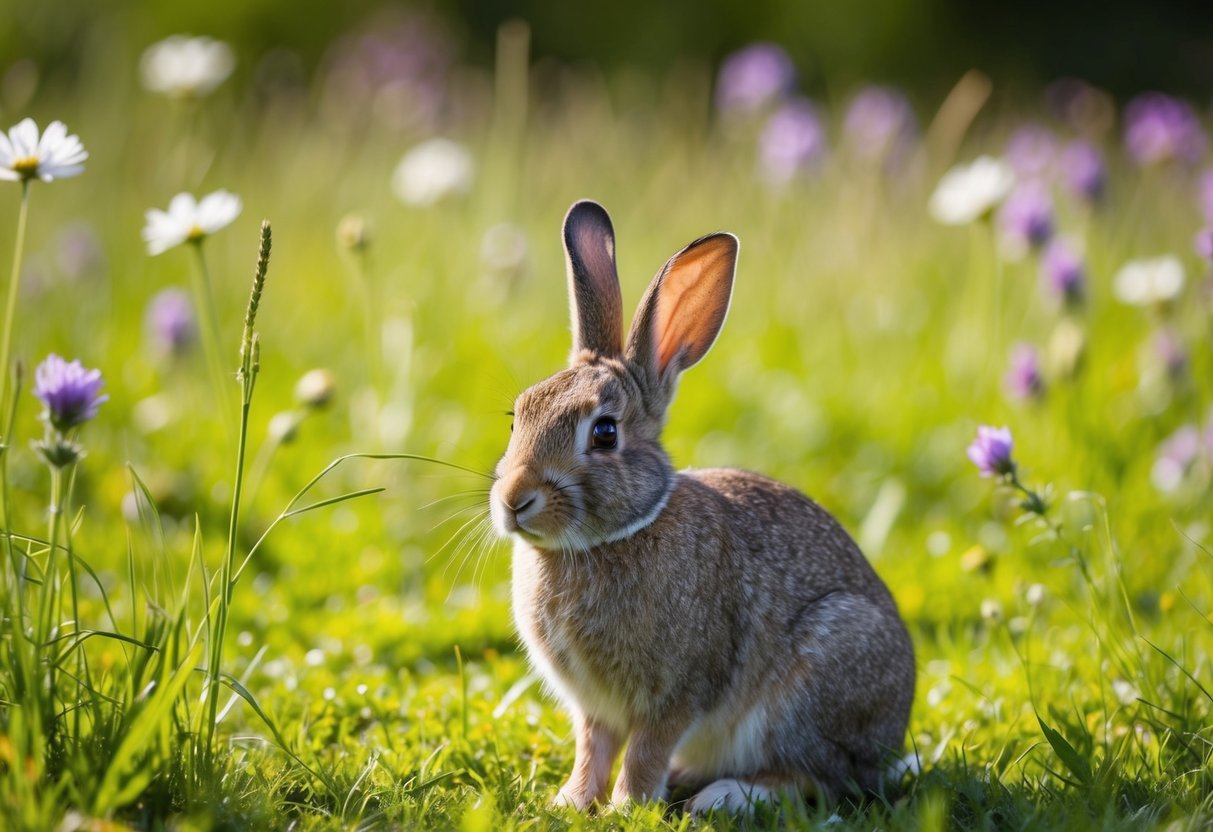
To keep your rabbit happy, you should engage them with plenty of toys and activities. A variety of chewing toys, hiding places, and opportunities for exercise will help reduce boredom. In addition, spending quality time with your rabbit daily can make a significant difference in their well-being, ensuring they feel loved and cared for.
If you’re considering having a single rabbit, it’s important to focus on their emotional and physical health. While they may not have a rabbit companion, you can create a rich environment that fulfills their need for stimulation and interaction. With the right approach, your rabbit can live alone happily and healthily.
Understanding Rabbit Social Behavior

Rabbits are engaging social animals that thrive on interaction with others. Understanding their natural habits and the bonding process can help you meet their social needs effectively.
Natural Habits of Rabbits in the Wild
In the wild, rabbits live in groups that can range from small families to larger colonies. This group living provides safety from predators and helps them find food more easily. Their social needs include grooming and playing with each other, which strengthens their bonds.
Wild rabbits establish a hierarchy within their groups. This structure is important for maintaining peace and order. They communicate through body language and vocal sounds. As social creatures, they rely on each other for companionship and emotional support. This behavior is key to their mental well-being.
Social Interaction and Bonding Process
When you bring a rabbit into your home, understanding how they bond with others is vital. Rabbits can form strong connections with both humans and fellow rabbits. If you have a single rabbit, consider providing regular social interaction to help fulfill its needs.
Bonded pairs of rabbits often groom each other and play together, which boosts their happiness. The bonding process may take time, especially if the rabbits are new to each other. Gradual introductions can help them learn to trust and respect one another. Regular routines involving interaction can strengthen these bonds too.
Fostering a friendly and social environment will ensure your pet feels secure and happy.
Effects of Solitude on Rabbit Well-being

Rabbits are social animals, and being alone can impact their happiness and health. Understanding how solitude affects your rabbit can help you provide the best care possible.
Signs of Loneliness and Stress in Rabbits
When rabbits feel lonely, they can show various signs of stress. Look for changes in behavior such as increased hiding, lack of interest in food, or decreased activity levels. Your rabbit may become withdrawn, spending more time in a corner or avoiding interaction with you.
You might also notice destructive behavior. This can include chewing on furniture or digging excessively. These actions are often attempts to cope with loneliness or boredom. A lonely rabbit may also thump its hind legs, signaling distress. Recognizing these signs early on can help you address their needs.
Consequences of Prolonged Isolation
If your rabbit remains isolated for too long, the consequences can be serious. Loneliness can lead to depression, which may result in a lack of interest in playing or interacting with you. Prolonged social isolation can also cause behavioral issues.
Your rabbit might develop anxiety, making it difficult for them to feel comfortable even when you’re around. This could lead to them exhibiting fearful behaviors. An unhappy rabbit is not only miserable but may also become more prone to health issues over time.
Health Issues Linked to Solitary Living
Health problems can arise from a rabbit’s loneliness. Stress has been linked to various physical health issues. For instance, a lonely rabbit might have a weakened immune system, making it more susceptible to illness.
Moreover, boredom and lack of mental stimulation can lead to obesity. If your rabbit isn’t moving around or playing, they can gain weight, which poses further risks. Keeping your rabbit socialized is key to preventing these health concerns and ensuring a happy, active life.
Creating a Stimulating Environment for a Single Rabbit

A single rabbit needs special attention to stay happy and healthy. You can create a stimulating environment by focusing on human companionship and providing engaging toys and exercise. This helps prevent boredom and keeps your pet active.
Importance of Human Companionship
Your rabbit craves interaction. Spending time with your pet is vital for their happiness. Regular human companionship reduces feelings of loneliness and helps maintain their mental health.
Try to dedicate time for daily interaction. This can include gentle petting, grooming, or simply talking to your rabbit. The routine will give your rabbit something to look forward to. When you engage positively, your rabbit is less likely to show destructive behavior like excessive chewing or digging.
Remember, short sessions are often better. This prevents overwhelming your rabbit while still providing valuable human interaction.
Introducing Toys and Exercise
Toys are essential for keeping your rabbit mentally stimulated. Offer a variety of options like chew toys, puzzle toys, and hiding spots. These can encourage your rabbit to explore and prevent hyperactivity or boredom.
Incorporating exercise is equally important. Create a safe space where your rabbit can hop around freely. Set up tunnels or ramps to make it fun.
Regular playtime not only supports physical health but also fosters a bond between you and your rabbit. Aim for daily sessions to ensure your rabbit has a routine that includes both physical activity and mental engagement. By enriching their environment, you help them lead a happier life.
Considering a Companion for Your Rabbit
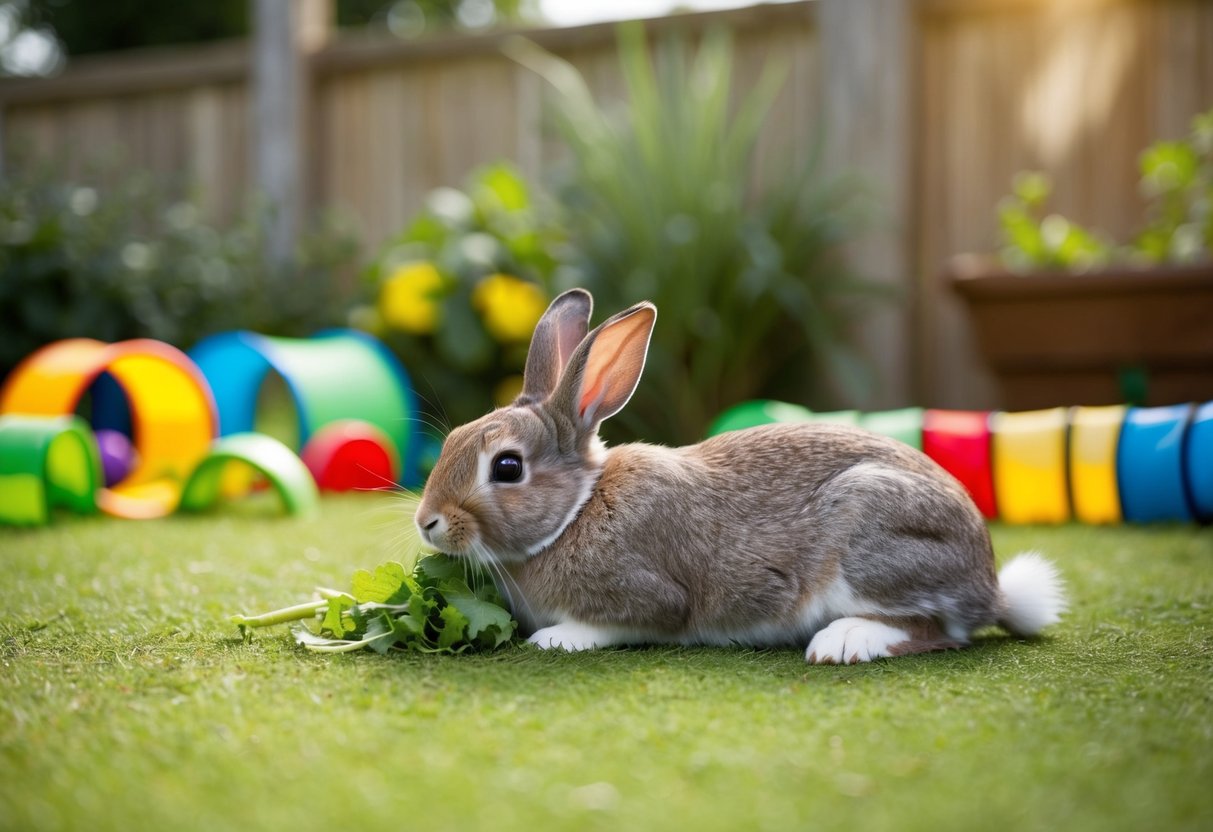
Rabbits are social animals that thrive on interaction and companionship. If you’re thinking about getting a friend for your rabbit, it’s important to understand the bonding process and the best choices for companionship.
The Bonding Process of Rabbits
Introducing a new rabbit to your home requires careful planning. Start by keeping the new rabbit in a separate area to let them adjust. After a few days, allow them to meet in a neutral space. This helps prevent any territorial behavior.
When rabbits first meet, they may sniff and explore each other. It’s essential to supervise these meetings. If there’s aggression, separate them immediately and try again later. Gradually increasing their time together can help strengthen their bond.
Bonded pairs often share a space and show signs of affection, such as grooming each other. Make sure to choose compatible genders. Neutered male and female pairs are often the most successful. Each rabbit needs time and patience to bond properly, leading to happier companions.
Pairing with Other Animals
While rabbits usually do best with other rabbits, it’s possible to pair them with different animals like guinea pigs or even dogs. But be cautious, as each animal has its own temperament.
Rabbits have a unique language and may not communicate well with other species, which can lead to misunderstandings. Ensure any companions you consider are non-aggressive and calm.
When introducing your rabbit to a dog, make sure to supervise them closely. Never leave them alone until you’re sure they can coexist peacefully.
If you consider bringing in another animal, ensure it meets your rabbit’s social needs while respecting their individuality.


