
When you think about intelligence in pets, rabbits might not come to mind right away. Many people underestimate rabbit intelligence, but they are quite clever animals. They can learn commands, solve puzzles, and even navigate mazes. Understanding how smart these little creatures are can help you connect better with your pet.

You might be surprised to know that rabbits can be just as intelligent as more commonly recognized pets like dogs and cats. They show their smarts in unique ways, often making decisions that demonstrate their problem-solving skills. With proper training, they can learn to jump through hoops and perform tricks, proving that their intelligence is not just about surviving but thriving in a home environment.
As you read on, you will discover the fascinating aspects of rabbit intelligence and see how these furry friends can challenge your perceptions. Their ability to communicate, learn, and explore offers a deeper understanding of what it means to be a pet rabbit owner. You’ll soon appreciate the playful, bright minds of rabbits even more.
Understanding Rabbit Intelligence

Rabbits are more intelligent than many people realize. They have impressive cognitive abilities and a unique way of communicating. Understanding how they learn and interact can help enhance your bond with these furry friends.
Cognitive Abilities of Rabbits
Rabbits display various cognitive abilities that set them apart from other small pets. They excel at problem-solving, which means they can figure out how to reach food or escape obstacles in their way.
Their memory is remarkable too. Rabbits can remember the layout of their environment and recognize familiar faces. This ability allows them to navigate complex spaces with ease.
Rabbits also have strong learning skills. You can teach them tricks using treats as rewards. This makes training a fun experience for both you and your pet. Be patient, as they may not learn as quickly as dogs, but their perseverance will surprise you.
Communication and Social Behavior
Rabbits communicate in several ways, including body language and vocalizations. You might notice your rabbit thumping its back legs when feeling threatened. This is their way of alerting others to danger.
They also use subtle movements, like nudging you for attention or flopping down to show they feel safe. These actions reflect their social behavior and emphasize how they bond with their surroundings.
In a group, rabbits establish a social hierarchy. They can be dominant or submissive, and will often groom each other to strengthen their social ties. Understanding these signals can help you create a nurturing environment that meets their social needs.
Training and Learning Capabilities

Rabbits are not just cute companions; they can learn a variety of skills through effective training. By using the right methods, such as positive reinforcement, you can tap into their natural abilities to learn commands, tricks, and even litter habits.
Effective Training Methods for Rabbits
Training rabbits involves a few key techniques that make the process enjoyable for both you and your pet. Positive reinforcement is essential. This means rewarding your rabbit with treats or praise when it performs the desired behavior. For example, if your rabbit jumps through a hoop, immediately give it a treat.
Another popular method is clicker training. You can use a small device that makes a “click” sound to mark the behavior you want to encourage. When paired with treats, this creates a clear association for your rabbit.
For litter training, place a specific type of litter box in a designated area, and when your rabbit uses it, reward the behavior. Consistency and patience are crucial, so keep training sessions short and fun, lasting around 5 to 10 minutes.
Assessing Learning and Memory
To understand your rabbit’s intelligence, assess how well it learns and remembers commands. Start with simple commands. See if your rabbit can recognize cues like “come” or “stay.” Keeping track of its progress is helpful.
You can also test memory by repeating training exercises after a break. If your rabbit remembers tricks after a few days, it shows good memory skills. Watch for behaviors that indicate understanding, such as head tilting or looking at you when you call.
Offer a mix of challenges to keep the training engaging. Just remember to be patient! Each rabbit learns at its own pace, and building a bond through training makes it enjoyable for both of you.
Interaction and Enrichment
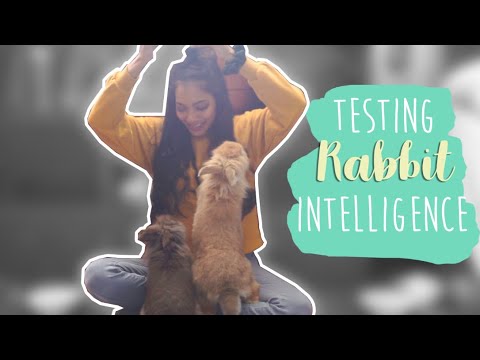
Providing your rabbit with interaction and enrichment is essential for their mental health. These activities support their natural curiosity and intelligence. Engaging them with the right toys and activities can enhance their cognitive skills and keep them happy.
The Importance of Mental Stimulation
Mental stimulation is crucial for your rabbit’s well-being. Smart rabbits need activities that challenge their minds. Without proper stimulation, they may become bored and develop negative behaviors.
You can encourage mental engagement through social interactions, both with you and with other rabbits. Regular playtime helps strengthen their problem-solving skills. This kind of interaction also enhances their social abilities, making them more confident.
Toys and Activities for Intelligent Rabbits
Interactive toys are a great way to keep your rabbit engaged. Look for toys that require your rabbit to figure out how to get a treat inside. These can range from simple puzzle toys to more complex treat mazes.
Another fun option is agility courses. You can create a small course with tunnels, jumps, and hoops. This not only entertains your rabbit but also helps improve their physical health and agility.
Incorporating regular playtime can make a big difference in your rabbit’s happiness and intelligence. Rotate their toys often to maintain their interest and curiosity. Keeping things fresh will help prevent boredom and promote essential mental stimulation.


