
When considering a pet, pet rabbits typically live for 5 to 12 years, depending on various factors like breed, size, and care. If you’re thinking about bringing one of these adorable creatures into your home, you should know how long you can expect to share your life with them.
Understanding their lifespan can help you prepare for the kind of commitment involved in their care.
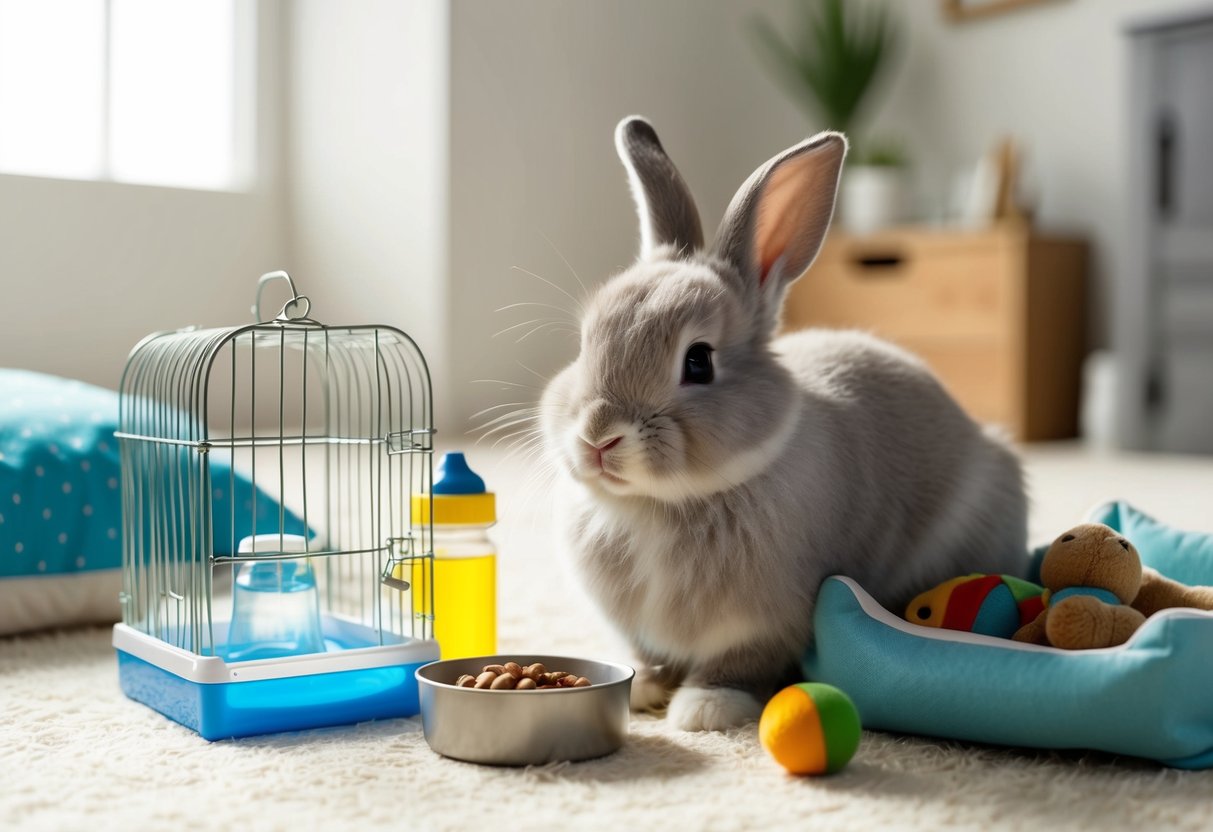
Pet rabbits, also called bunnies, can have different life expectancies based on their breed. For instance, smaller breeds often live longer than larger ones. While some rabbits might live up to 16 years with excellent care, others may have shorter lives due to health issues.
This article will explore the factors that influence a rabbit’s lifespan and provide tips for ensuring your bunny has the longest, happiest life possible.
The Basics of Rabbit Lifespan
When you consider bringing a bunny into your home, it’s important to know how long they typically live. Understanding their lifespan can help you provide the best care possible. Several factors influence their life expectancy.
Average Lifespan and Factors
Domestic rabbits usually live between 8 to 12 years. Some have even been known to reach 15 years or more with good care. Factors that affect their lifespan include:
- Breed: Miniature or dwarf breeds often live longer than giant breeds.
- Diet: A balanced diet rich in hay, fresh vegetables, and pellets is essential.
- Environment: A safe and comfortable living space helps reduce stress.
- Healthcare: Regular vet check-ups can catch potential health issues early.
Giving plenty of attention and proper care can help your rabbit live a longer, happier life.
Comparison: Domestic vs. Wild Rabbits
The lifespan of wild rabbits, like the cottontail or oryctolagus cuniculus, is much shorter, averaging 1 to 3 years. They face numerous challenges in their natural habitat, including predators and disease.
In contrast, domestic rabbits live in controlled environments that protect them from these dangers. They benefit from regular food sources and veterinary care. This protection allows domestic rabbits to thrive longer than their wild counterparts, showing just how important a caring home is for their longevity.
Optimizing Bunny Health
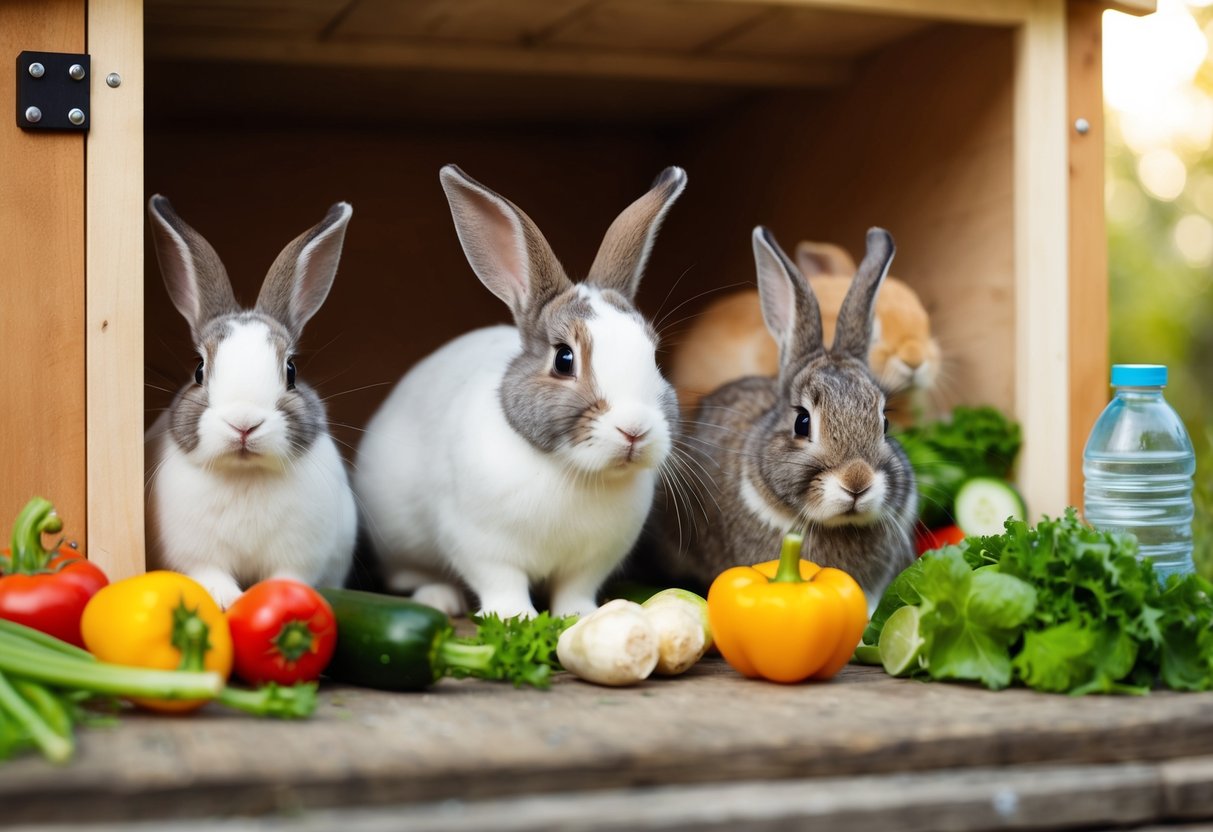
Keeping your bunny healthy is crucial for a long and happy life. Proper nutrition and regular veterinary care play significant roles in maintaining their well-being. Let’s dive into what you can do.
Nutrition for Longevity
Providing a balanced diet is essential for your rabbit’s health. Focus on fresh hay, as it is the main food source. Hay supports digestion and helps wear down their teeth naturally.
Include plenty of leafy greens like romaine lettuce, kale, and cilantro in their diet. These provide vital vitamins and minerals. Aim to give about 1 to 2 cups of fresh veggies daily, depending on your bunny’s size.
Limit pellets and avoid sugary treats. Pellets should only make up a small portion of their diet. Always ensure your bunny has access to fresh water. Hydration is important for preventing urinary tract issues.
Importance of Veterinary Care
Regular check-ups with a veterinarian are key to maintaining your bunny’s health. Scheduling annual visits can catch potential problems early. Your vet can check for dental issues, which are common in rabbits, and provide vaccinations.
During these visits, discuss your bunny’s diet and any behavioral changes you’ve noticed. This information helps the vet give the best advice tailored to your pet’s needs.
Make sure your rabbit is spayed or neutered. This can prevent health problems and reduce certain behavioral issues. Following these veterinary guidelines can lead to a happier, healthier bunny.
Creating a Supportive Environment
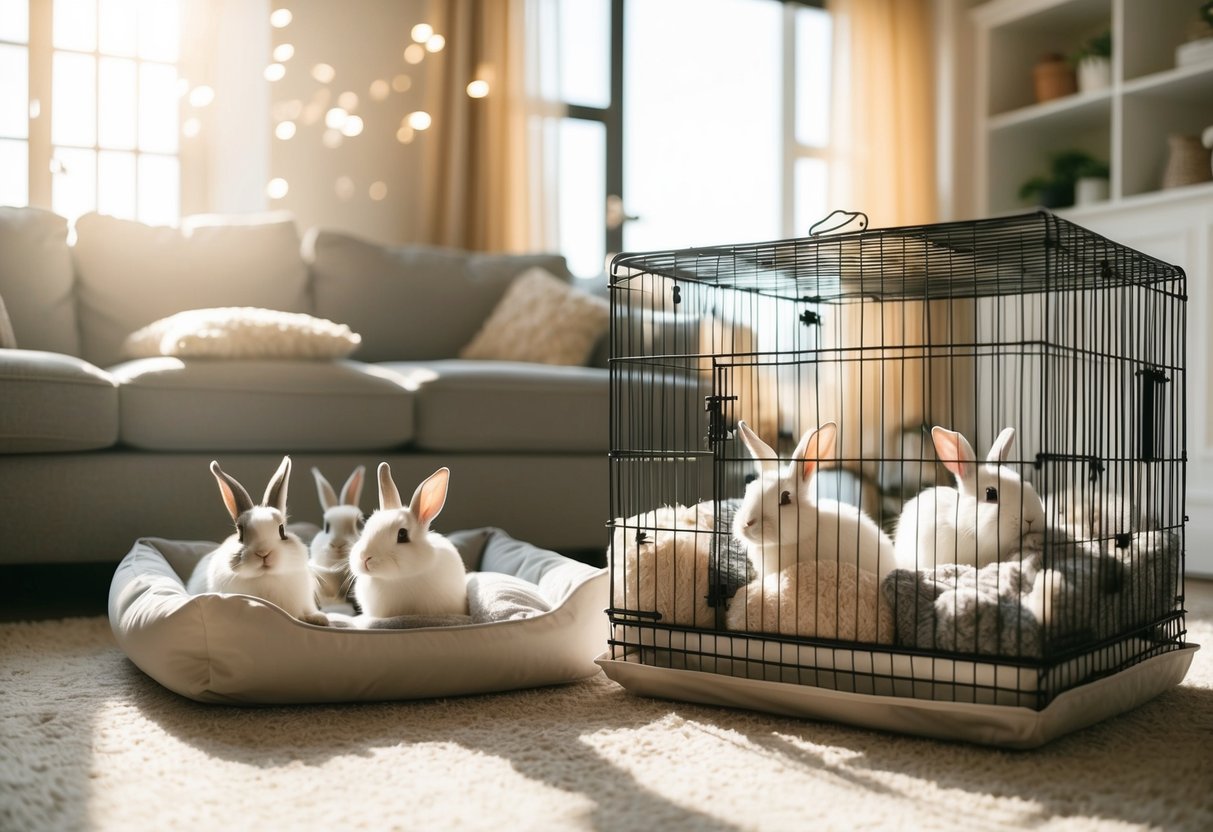
Creating a supportive environment is vital for your bunny’s health and happiness. The quality of their living space, whether indoors or outdoors, plays a significant role in their well-being. Let’s explore what you can do to enhance your rabbit’s home.
Indoor vs. Outdoor Living
Indoor rabbits usually live longer and healthier lives than outdoor rabbits. This is because indoor environments protect them from predators, extreme weather, and various diseases.
When keeping a rabbit indoors, ensure they have enough space to hop around and explore. A bunny-safe area with toys and hiding spots can make a big difference.
On the other hand, outdoor rabbits often face risks like harsh weather and wild animals. If you choose this option, a secure enclosure is necessary to protect them. Ensure they have shade, clean water, and a cozy area to rest.
Safety and Comfort
Safety is key to creating a nurturing space for your bunny. Make sure that their living area is free of hazards such as electrical cords or toxic houseplants.
Provide a soft bedding material, like hay or straw, to keep them comfortable. Having hiding spots, like cardboard boxes, can help them feel secure.
Temperature also matters. Keep the area cool in summer and warm in winter. A consistent climate makes for a happy bunny.
Remember to bunny-proof your home by removing anything they might chew on or access. A safe living environment allows your rabbit to explore and thrive without worry.
The Role of Social and Mental Health
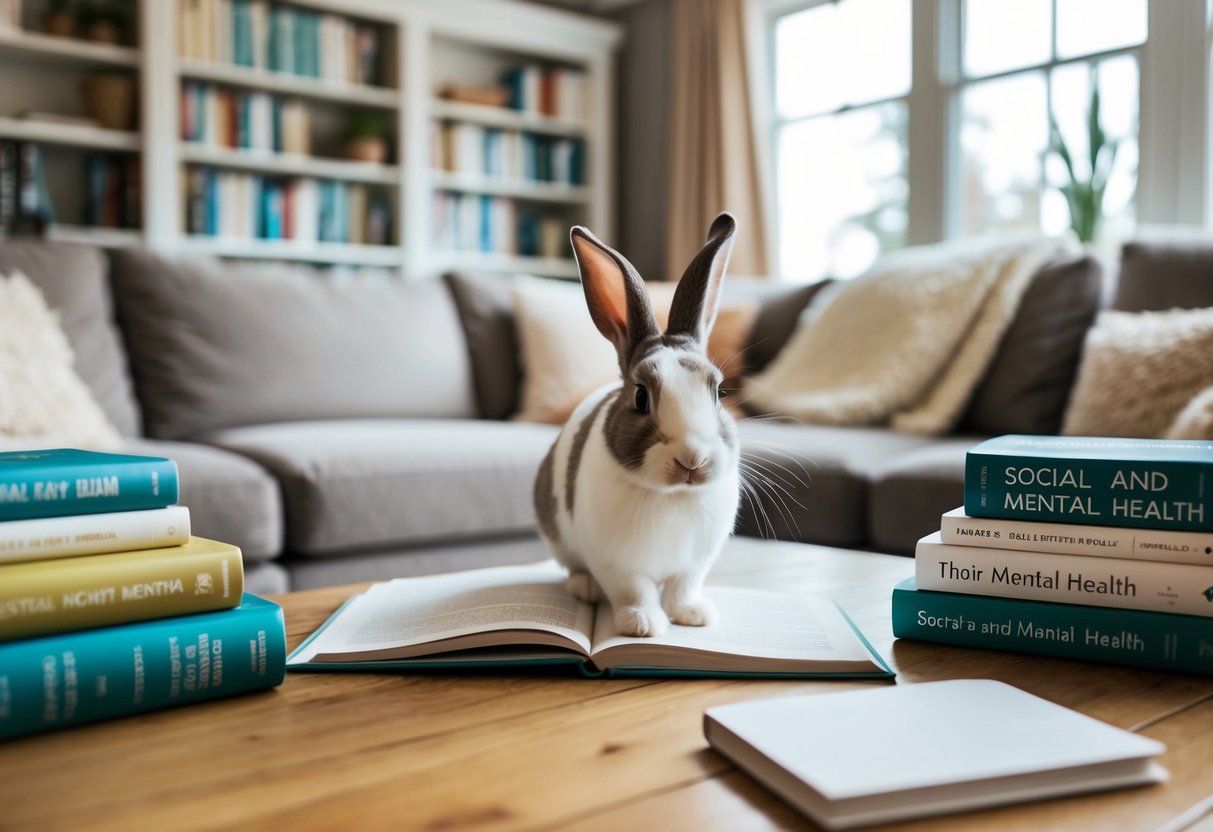
Bunnies are social animals that thrive on companionship. They need social interaction and mental stimulation to maintain their happiness and health. Understanding their needs can help you create a better environment for your pet.
Understanding Rabbit Social Needs
Rabbits enjoy being around other bunnies or humans. They are deeply social creatures. If you can, consider having more than one rabbit. This can help prevent loneliness.
If you have only one rabbit, make sure to spend quality time with them daily. Talk to them and engage in gentle petting. Neutered rabbits tend to have better social skills and are less aggressive, making them easier to bond with others.
Creating playdates with other well-socialized rabbits can help fulfill their need for companionship. Remember, a happy bunny is a healthy bunny!
Mental Stimulation and Enrichment
Mental stimulation is crucial for keeping your bunny entertained and happy. Provide toys that encourage exploration and play. For example, things like cardboard boxes, tunnels, and safely chewable items can make a big difference.
Introduce interactive activities such as hide-and-seek with treats. This can enhance their problem-solving skills and keep their minds sharp. Also, regular changes in their environment or toys can keep boredom at bay.
Make sure to include times for exercise. This can help prevent destructive behavior caused by boredom or stress. A well-stimulated bunny tends to be a healthier and longer-lived pet.


