
Rabbits are fascinating creatures with unique habits that often surprise their owners. If you’ve ever wondered when you might spot these playful animals, you’re in luck. Rabbits are most active during the early morning and late evening, which are known as dawn and dusk.

Understanding when rabbits come out can help you create the best environment for them, whether you are a pet owner or an enthusiast observing them in the wild. Knowing their active hours lets you appreciate their playful nature or ensure they get enough exercise and stimulation.
Curious about what else rabbits do during these times? Join us as we explore more about their behaviors, feeding patterns, and how you can spot them in your backyard or local park.
Understanding Rabbits’ Daily Rhythm
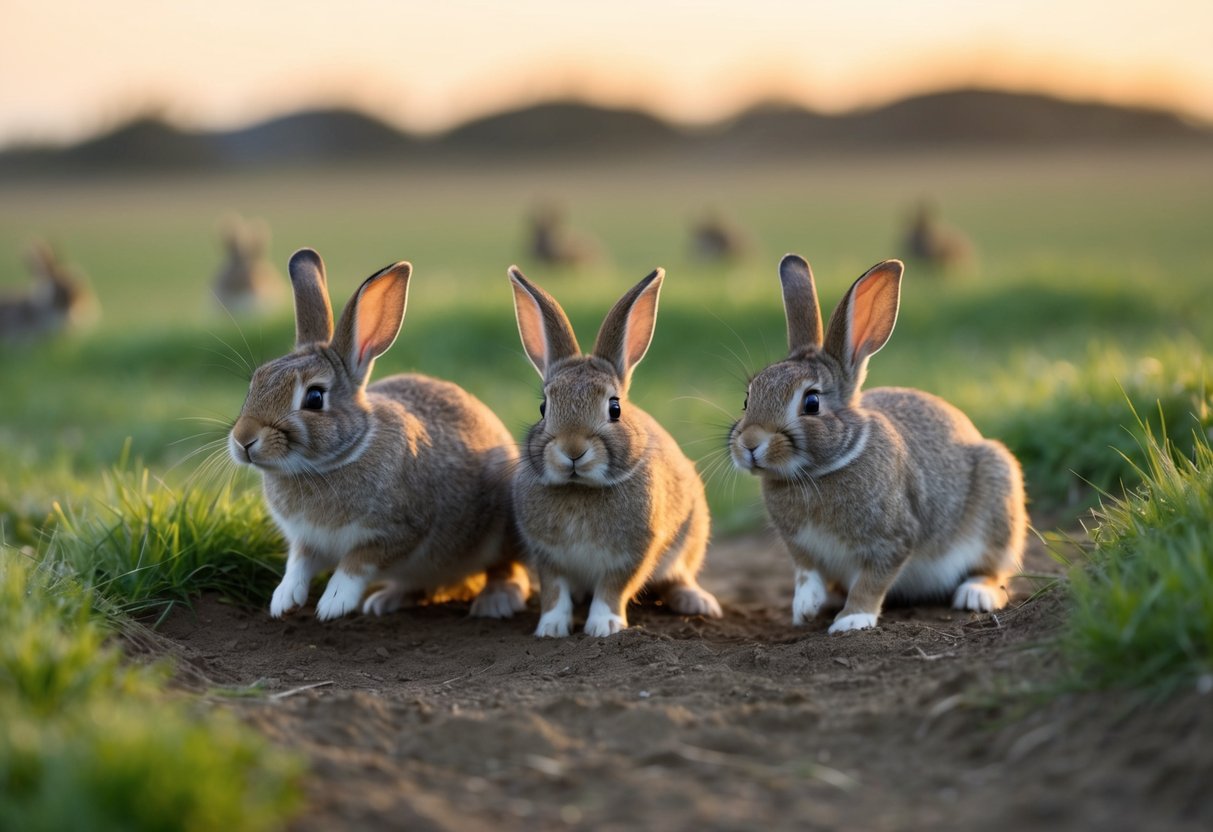
Rabbits have a unique daily rhythm that sets them apart from many other pets. Knowing when your rabbit is most active can help you engage with them better and ensure they have a happy life.
Crepuscular vs. Nocturnal vs. Diurnal Behavior
Rabbits are classified as crepuscular animals. This means they are notably active during the twilight hours—at dawn and dusk. You may notice your rabbit hopping around, exploring, and playing more during these times.
In contrast, nocturnal animals are active at night, while diurnal creatures are awake during the day. Understanding this distinction is essential because it helps you know when your rabbit prefers social interaction and playtime.
If you are a rabbit owner, aligning your time with your pet’s active periods can lead to a more enriching experience for both you and your rabbit.
Factors Influencing Rabbit Activity
Several factors can influence a rabbit’s activity levels throughout the day. Light conditions play a big role. Rabbits feel most comfortable in softer light, making dawn and dusk their favorite times to be out and about.
Additionally, temperature matters. On hot days, rabbits may choose to rest more during the day and be active in the cooler evening hours.
Another factor is your rabbit’s domesticated lifestyle. If they live indoors, they might adapt their habits to fit your schedule, becoming more active when you’re around. Always pay attention to your rabbit’s unique patterns to provide the best care.
Rabbit Behavior and Environment

Understanding rabbit behavior and their environment can help you care for your pet or appreciate wild rabbits better. Different factors influence how rabbits interact with their surroundings, including their type and living conditions.
Wild versus Domestic Rabbit Habits
Wild rabbits are crepuscular, meaning they are most active at dawn and dusk. This behavior helps them avoid predators and find food. They spend much of their time hidden in tall grass or dense shrubs.
Domestic rabbits can share similar habits but may adapt to your schedule. If you keep your rabbit indoors, it might become more active when you are home. Unlike wild rabbits, pet rabbits may not need to worry about predators, allowing them to relax and explore freely during the day.
Rabbit Burrows and Habitats
Wild rabbits create complex burrow systems called warrens. These warrens can have many entrances, providing a safe escape route. Inside, the tunnels are cool and comfortable, allowing rabbits to sleep and raise their young.
For domestic rabbits, you can mimic this environment with tunnels and cozy hiding spots. Providing a safe space is crucial for their well-being. Ensure that their habitat has enough room to move and explore, which keeps them happy and engaged.
Indoor Rabbits: Special Cases
Indoor rabbits have unique needs compared to their wild counterparts. They rely on you to provide a safe and enriching environment. Make sure your home is rabbit-proofed, removing any hazards like cords or toxic plants.
Create a space where they can play and exercise. This can include tunnels, boxes, or toys. Watch for signs of boredom, as indoor rabbits might need more stimulation and social interaction than wild rabbits do. Regular playtime and exploration can keep them healthy and happy.
Foraging and Feeding Patterns

Understanding how rabbits forage and their feeding patterns is important for their health. You can learn about their natural diet and the best practices for feeding pet rabbits effectively.
Natural Diet and Foraging Times
Rabbits in the wild are grazers. Their diet mainly includes grasses, leaves, and some fruits and vegetables. They spend a good part of their day foraging for these foods.
Rabbits are crepuscular, which means they are most active during dawn and dusk. During these times, they feel safer from predators. They usually graze for about 30 minutes at dawn and again at dusk.
This feeding pattern allows them to get the nutrition they need while avoiding threats. If you want to mimic this foraging behavior, consider providing fresh hay and greens during these times for your pet rabbit.
Feeding Pet Rabbits: Best Practices
When it comes to feeding pet rabbits, a balanced diet is essential. The main components should include hay, fresh vegetables, and high-quality pellets.
It’s best to offer hay as the main food source. Timothy hay is great for dental health and digestion. Make mealtimes regular, so your rabbit has a routine. You can serve fresh greens at dawn and dusk to align with their natural behavior.
Avoid starchy foods and high-sugar treats. Instead, opt for safe vegetables like romaine lettuce, carrots, or spinach in moderation. Remember to provide plenty of clean, fresh water as well, and always watch your rabbit’s reactions to new foods.
Protective Behaviors and Predation
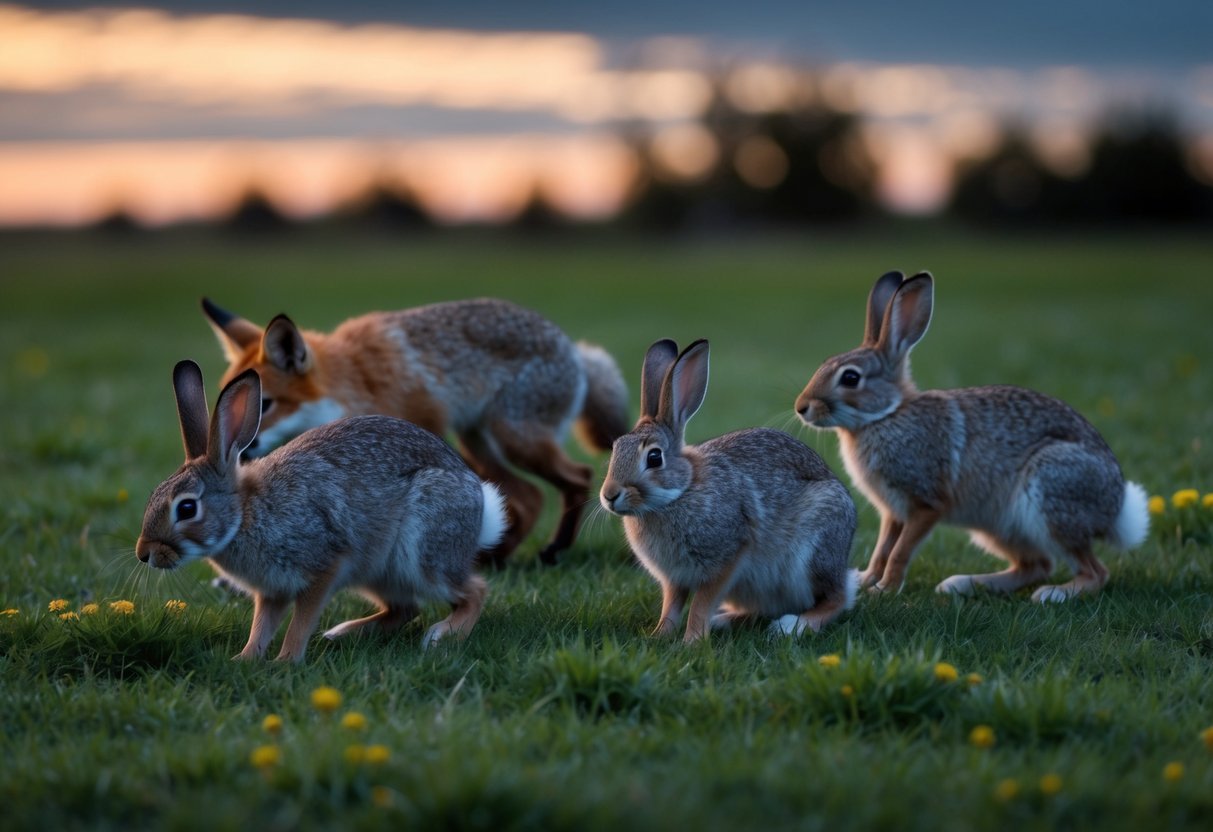
Rabbits have unique ways to protect themselves from predators. They rely on their natural instincts and surroundings to survive, especially during their active hours at dawn and dusk. Understanding these behaviors helps you create a safer environment for your pet rabbits.
Evading Predators in the Wild
In the wild, rabbits face threats from predators like hawks and owls. These animals often hunt during dawn or dusk, taking advantage of the dim light to catch their prey. To adapt, rabbits use their crepuscular behavior, being most active during these times.
Rabbits rely on their excellent hearing and vision to detect danger. If they sense a threat, they quickly hide in bushes, tall grass, or burrows. When they can’t hide, rabbits may freeze in place to avoid detection. Their brown fur helps them blend into the surroundings, making it harder for predators to spot them.
Creating Safe Spaces for Domestic Rabbits
As a rabbit owner, you can help your pets feel safe at home by creating environments that mimic their natural habitats.
Use raised structures, like shelves or platforms, to give them places to hide and observe their surroundings. Make sure they have hiding spots to retreat to when feeling threatened.
Tunnels and boxes can provide excellent cover. Also, avoid placing their enclosure in areas where they can see or hear loud noises, as these can create stress.
A safe, calm environment is key to keeping your domestic rabbits happy and healthy.


