
Bunnies are lovable pets, but you might wonder how they handle cold weather. Rabbits are naturally equipped to withstand cooler temperatures, making them surprisingly resilient to the cold.
Whether you have indoor rabbits or outdoor rabbits, understanding their ability to cope with chilly conditions is key to keeping them healthy and happy.
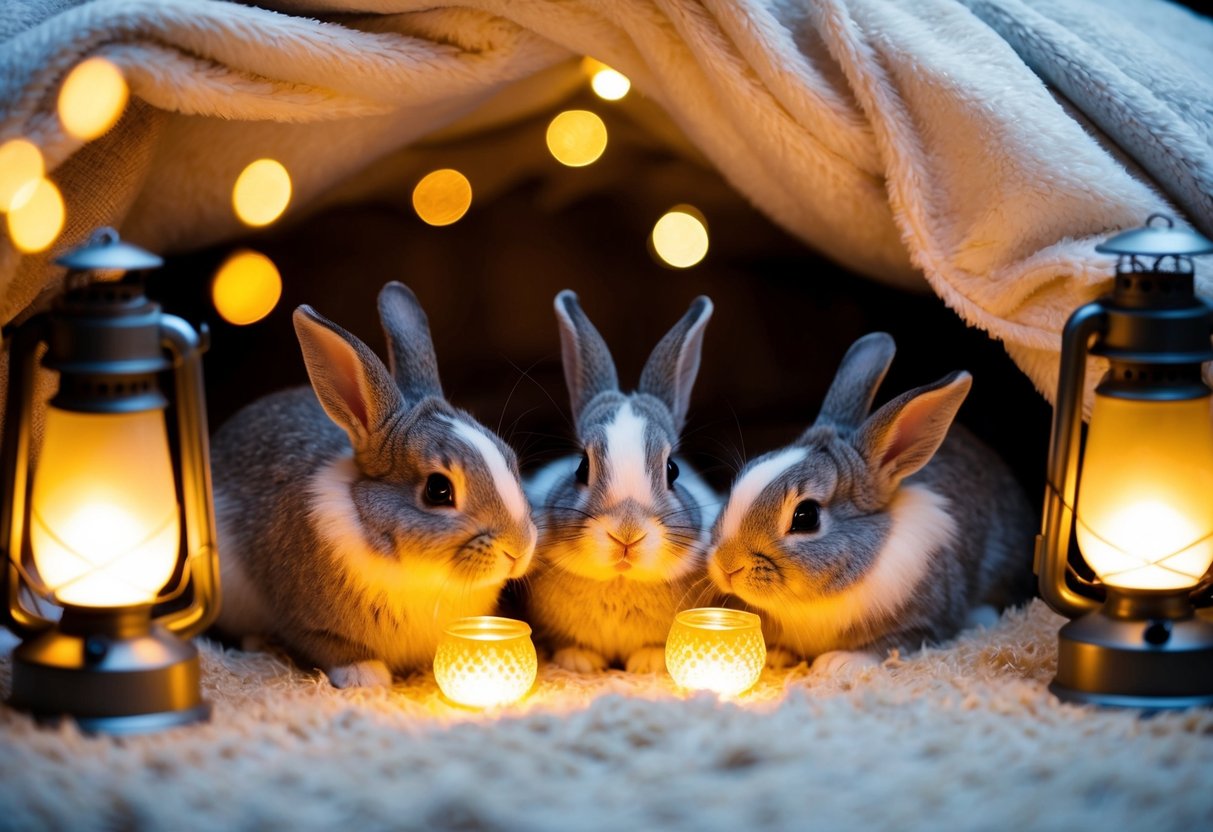
While many people worry about keeping their bunnies warm in winter, it’s important to know that they can handle temperatures as low as 30 degrees Fahrenheit. However, they still need some protection from extreme weather.
Knowing how to create a cozy environment for your rabbits can make all the difference in their comfort and well-being.
As you read on, you’ll learn more about how to care for your furry friends during the cold months. From simple tips on shelter to knowing when the temperature is too low, you’ll be prepared to ensure your bunnies thrive even in the chilly season.
Understanding Rabbit Sensitivity to Cold
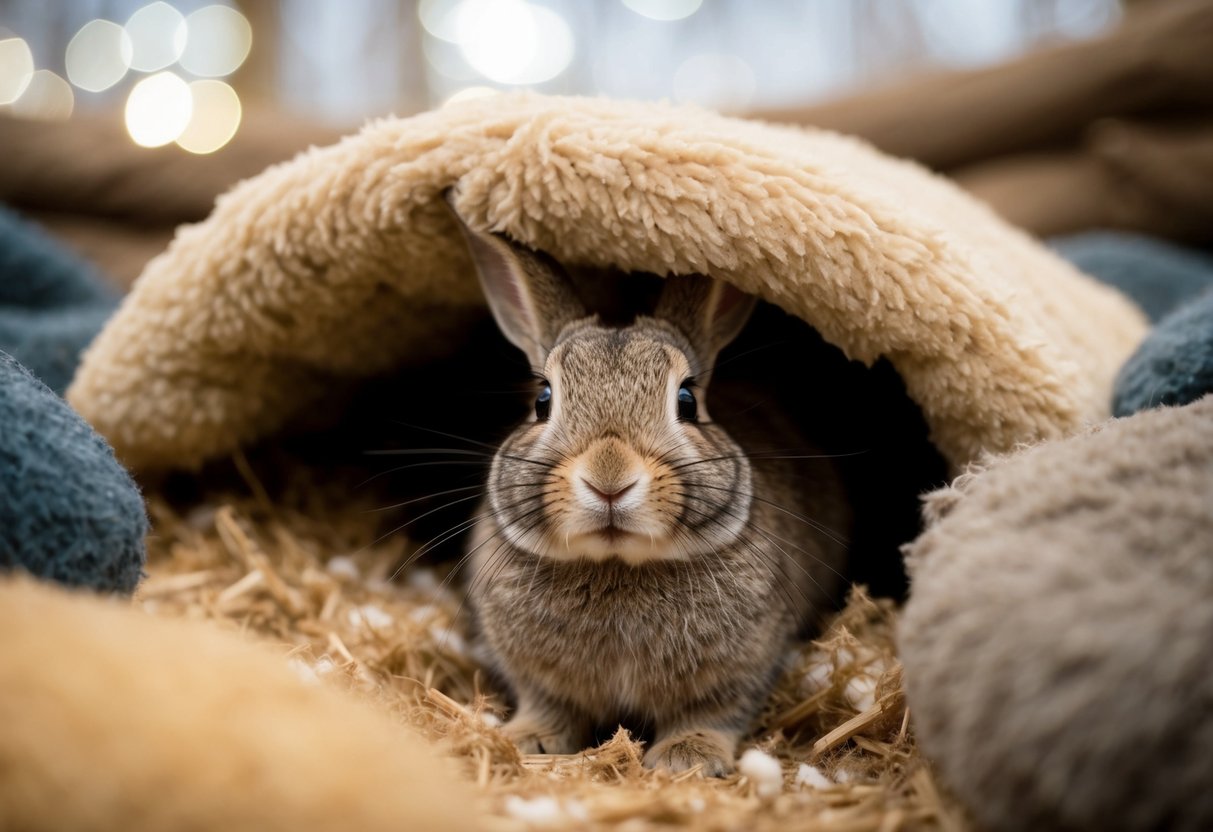
Rabbits are sensitive creatures, particularly when it comes to cold temperatures. Knowing their ideal temperature range and recognizing signs of cold stress can help you keep your bunny comfortable and healthy.
Ideal Temperature Range for Rabbits
The ideal temperature range for rabbits is between 60°F and 70°F (15°C to 21°C). Temperatures below this range can pose serious risks to your pet.
When it’s below 32°F (0°C), rabbits are at a greater risk for hypothermia and other cold-related health issues. You should provide an insulated shelter if your rabbit is outdoors, ensuring it is dry and free from drafts.
Bedding materials such as straw or hay can help retain warmth. Make sure their water supply doesn’t freeze over, as rabbits need access to unfrozen water at all times.
Pay attention to the weather and be proactive about preparing their space for colder conditions.
Signs of Cold Stress in Rabbits
Recognizing signs of cold stress is vital for your rabbit’s health. Hypothermia may occur if your bunny is too cold for too long. Look for signs such as:
- Lethargy: Your bunny may seem less active or sluggish.
- Shivering: This is one of the first signs that your rabbit is too cold.
- Huddling: They may curl up tightly to conserve body heat.
In severe cases, frostbite can occur, especially on their ears or feet. If you notice signs of hypothermia in rabbits, take immediate action to warm them up.
Provide a cozy blanket or bring them indoors to a warmer environment. Your attention to these details can help ensure your rabbit stays happy and healthy during chilly weather.
Proper Care for Rabbits in Cold Weather
Caring for your rabbit during cold weather is essential for their health and comfort. Providing proper housing, using accessories, and maintaining a balanced diet will help keep your bunny warm and cozy.
Housing Solutions for Warmth
A well-insulated hutch is crucial for keeping your rabbit warm. Make sure the hutch is raised off the ground to prevent cold and moisture from seeping in.
You can use hay or straw as bedding since these materials provide excellent insulation. Add extra layers during the coldest months for better warmth.
For indoor rabbits, maintain a consistent room temperature. Avoid placing their habitat near drafts or cold windows.
Consider setting up a cozy area with blankets or towels to create a warm environment. Using heated water bottles or heating pads, placed safely, can also help maintain warmth.
Accessories to Keep Rabbits Warm
Accessories can enhance your rabbit’s comfort during winter. A heat lamp can provide additional warmth but position it safely to avoid burns.
You can also use heating pads designed for pets, ensuring they are safe and won’t overheat your bunny.
Consider outfits designed for rabbits if they tolerate wearing clothing. Fleece jackets or sweaters can provide extra warmth. Make sure these items are not too tight and allow freedom of movement.
Monitoring your rabbit’s behavior is essential; if they seem uncomfortable, remove accessories.
Nutrition and General Care
A balanced diet helps maintain your rabbit’s health and energy levels during the cold. Ensure a good supply of fresh hay, which provides fiber and warmth.
You can also offer fresh vegetables to boost their nutrition.
Check their water daily, as it can freeze in cold temperatures. Use a heated water bottle to prevent this.
Regular check-ins are also vital, especially for older rabbits, who might struggle more with the cold.
Keep an eye out for signs of heatstroke if they warm up too quickly after being cold, and provide a safe, comfortable space for them to rest.
Special Considerations for Different Rabbit Types
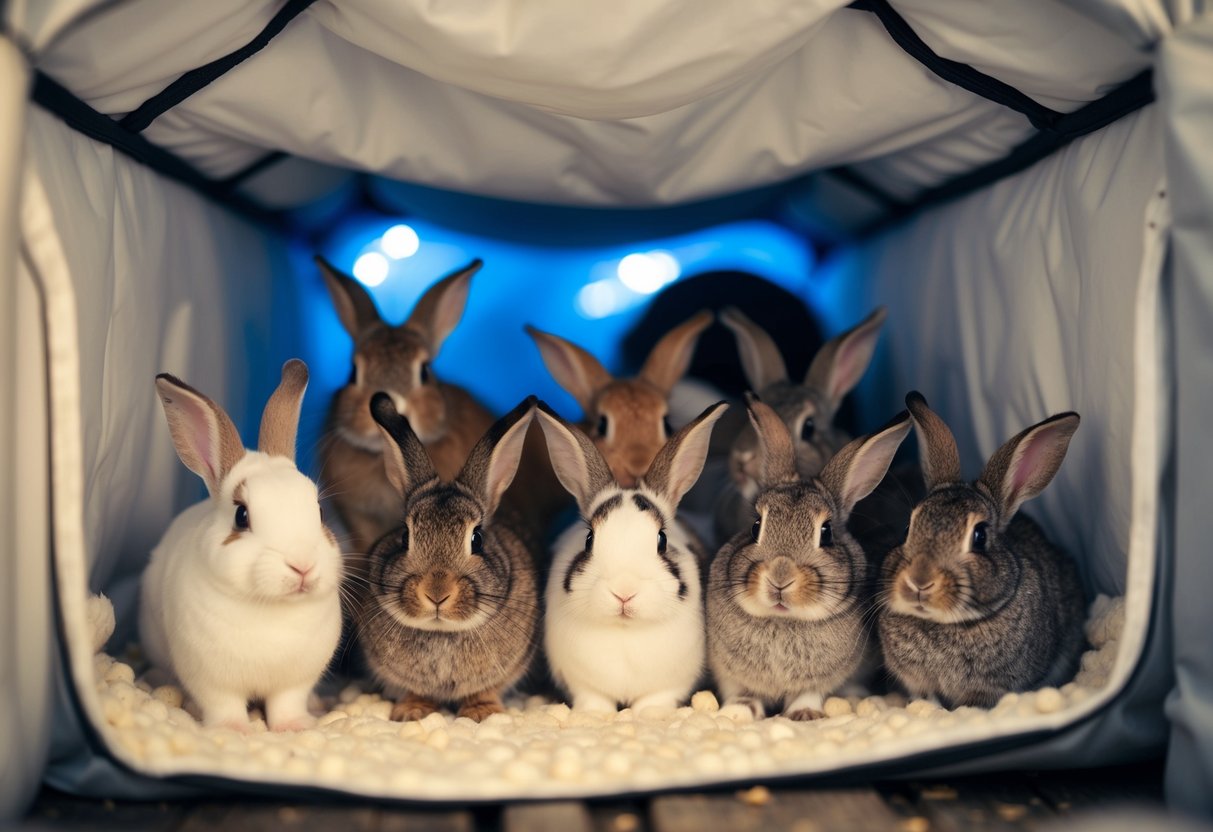
Rabbits come in various types, each with unique needs regarding cold weather. It’s important to understand the differences between domestic and wild rabbits and how age can affect their sensitivity to cold.
Domestic vs. Wild Rabbits
Domestic rabbits are generally bred for companionship and may lack the survival skills of their wild counterparts. They may not cope as well in cold weather.
Many domestic breeds have thinner fur, making them less tolerant of low temperatures. When the temperature drops below 45°F, you should take extra care to ensure their comfort.
On the other hand, wild rabbits are adapted to handle cold conditions. They have thicker fur and a natural ability to find shelter.
Wild rabbits often burrow underground or seek dense foliage to keep warm. While they are cold weather animals, they still face risks if exposed to extreme cold for long periods.
Age-Related Sensitivity to Cold
You should pay extra attention to older rabbits. As rabbits age, their ability to regulate body temperature decreases. An older rabbit may require more care to keep warm in cold weather.
Young rabbits can also be sensitive. They may not have fully developed their coats yet. Ensure that both younger and older rabbits have a comfortable, insulated place to stay when temperatures drop.
Provide extra bedding and consider adding a heat source if it’s particularly cold. Always monitor your rabbit’s behavior for signs of discomfort, such as shivering or huddling.


