
Imagine walking in a snowy tundra where food is hard to find. How do Arctic hares, or Lepus arcticus, survive this harsh winter landscape? These clever creatures use their strong sense of smell and sharp claws to dig through the snow and uncover hidden plants. This ability allows them to forage for woody plants, lichens, and mosses, even when they are buried under layers of frost.

As temperatures drop and food becomes scarce, Arctic hares adapt their hunting techniques. They become skilled at locating edible items by scent, ensuring they get enough to eat during the long winter months. Plus, they have developed various strategies to find food, which is crucial for their survival in the icy environment.
By learning how these hares thrive in the tundra, you gain insight into the incredible adaptations of wildlife. Their resourcefulness and determination are remarkable, showing how life can flourish even in the most challenging conditions.
Physical Adaptations of Arctic Hares
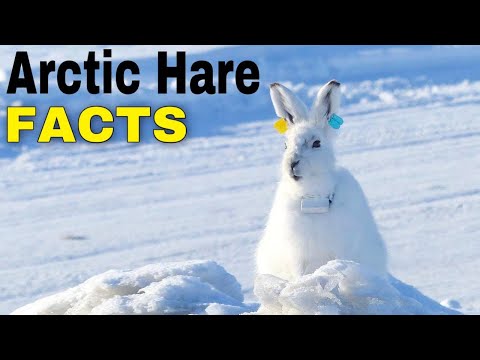
Arctic hares are specially designed to thrive in the cold and snowy winters of the Arctic. Their physical features play a crucial role in helping them find food and stay warm during harsh conditions.
Thick Fur and Body Fat
One of the most important adaptations is their thick fur. In winter, Arctic hares grow a dense coat that traps heat, keeping them warm. This fur is not just for warmth; it also protects them from wind and snow.
Additionally, Arctic hares build up body fat during the warm months. This fat serves as insulation and an energy source when food is scarce. The combination of thick fur and body fat helps these hares withstand extreme cold.
They have a unique appearance that includes short ears, which reduces heat loss. This helps them stay warm while foraging for food under the snow.
Camouflage and Fur Molting
Camouflage is another key adaptation for Arctic hares. During winter, their fur turns a pure white to blend in with the snow. This helps them avoid predators while searching for food.
When spring arrives, Arctic hares undergo molting. Their white fur is replaced with a bluish-gray coat that helps them merge with the warmer landscape. This change not only aids in camouflage but also keeps them protected during the transition from winter to summer.
Their excellent sense of smell enables them to detect food buried under the snow. This skill, combined with their camouflage, makes Arctic hares well-suited to survive and thrive in a challenging environment.
Behavioral Strategies for Survival

Arctic hares have developed unique behaviors that help them survive the harsh winter months. Their strategies include specific foraging habits, ways to cope with predators, and adaptations related to social structures.
Foraging Behavior and Diet
In winter, food can be hard to find. Arctic hares mainly eat woody plants like willows, birch, and juniper. They dig through the snow to uncover buried vegetation. This foraging behavior is essential for getting the nutrients they need.
During tough times, they also eat moss and lichens. This mixed diet helps them survive when other food sources are scarce. Interestingly, arctic hares practice coprophagy by eating their own droppings to absorb more nutrients. This adaptation maximizes their limited food intake.
Coping with Predators
Predators, such as foxes and birds of prey, pose a constant threat. To survive, arctic hares rely on their speed and agility. They can run at speeds up to 40 miles per hour when necessary.
When confronted, they often employ a strategy of zigzag running to confuse predators. Their white fur provides excellent camouflage against the snowy backdrop. This helps them avoid detection in their environment. Staying alert and using quick maneuvers are crucial parts of their survival strategy.
Group Formation and Solitary Lifestyles
While arctic hares are often solitary, they can form groups during winter, sometimes reaching up to 100 members. This group formation can provide added protection against predators. Living in groups may help with foraging, as hares can share information about where food is available.
When alone, they still rely on their exceptional senses to detect danger. Solitary hares adapt their feeding habits and movement patterns to stay safe. Some may shift their feeding times, becoming more active during twilight hours to avoid threats. Balancing group dynamics with solitary behavior is key to their survival in the wild.
Reproduction and Lifecycle

Arctic hares have interesting mating habits and unique life stages for their young. Understanding their reproduction and the growth of leverets can help you appreciate how these animals thrive in tough environments.
Mating Season and Leverets
The mating season for Arctic hares typically occurs from late winter to early spring. During this time, males compete to attract females. They perform behaviors like chasing and jumping, which showcase their strength and agility.
After mating, a female can have several litters each year, usually one to three. Each litter generally contains around 2 to 4 leverets. These tiny hares are born with fur and open eyes, making them somewhat independent right after birth. The mother will hide the young in a safe spot while she forages for food.
Growth and Development of Young Hares
Once born, leverets grow rapidly. They quickly learn to hop and graze. Young hares will start to explore their surroundings within a few weeks. By three weeks, they begin to eat solids, which helps them become more independent.
As leverets reach sexual maturity around 6 to 8 months, they become part of the adult population. Their time as young hares is crucial for survival in the wild. They face predators, so developing strong instincts and skills is essential. By the end of their first year, many have learned the routines needed to thrive in the Arctic environment.
Habitat and Distribution

Understanding the habitat and distribution of Arctic hares is crucial for grasping how they survive in harsh winter conditions. Their unique ecosystem influences their food sources and overall lifestyle.
Arctic Tundra Ecosystem
You will find Arctic hares primarily in the Arctic tundra. This ecosystem is characterized by its cold temperatures, strong winds, and permafrost.
The tundra is covered in snow for much of the year, limiting the types of plants available. Despite this, Arctic hares adapt well by eating woody plants, mosses, and lichens. During winter, they dig through the snow to reach these hidden food sources.
Their habitat also supports other animals and plants, creating a delicate ecological balance. Each species plays a role, helping the hare maintain its niche in this unique environment.
Impact of Climate Change
Climate change poses a significant threat to Arctic hares and their habitat. As temperatures rise, permafrost begins to melt. This impacts the plants that provide food for the hares.
Changes in temperature and precipitation can disrupt their food supply. If conditions worsen, it might lead to habitat loss and affect the hare’s ability to thrive.
You might also notice shifts in the distribution of Arctic hares. If their habitat changes, they may move to find suitable living conditions. This can create competition with other species for resources, further influencing their survival.


