
Arctic hares are fascinating creatures that thrive in one of the harshest environments on Earth. If you’ve ever wondered why these amazing animals sport such thick fur, you’re in the right place. The thick hair of the Arctic hare is essential for their survival, helping them stay warm in frigid temperatures while also providing excellent camouflage against the snowy tundra.
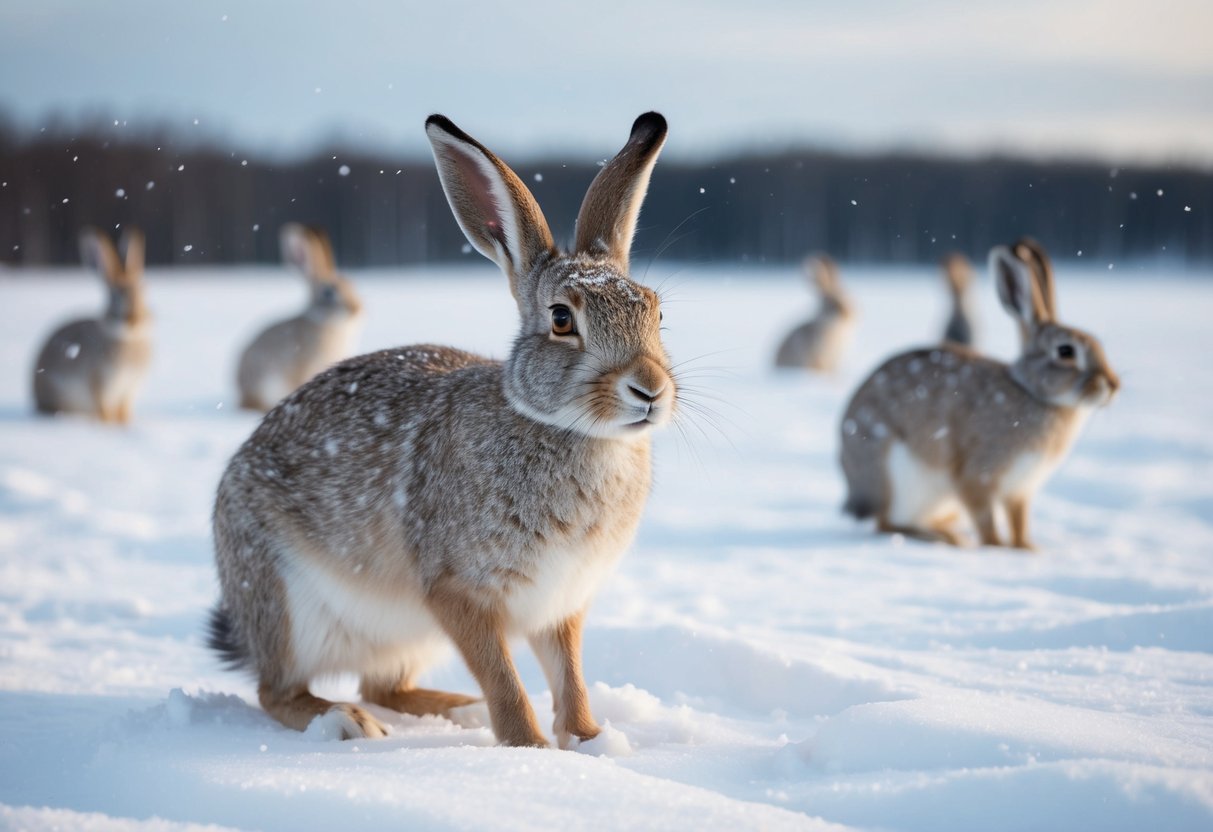
As you explore the adaptations of the Arctic hare (Lepus arcticus), you’ll find that their thick fur, which can change color with the seasons, is just one of the many survival strategies they use. This thick coat not only insulates their bodies from the cold but also helps them blend in with their surroundings, making it harder for predators to spot them.
Understanding the role of their fur in their daily lives reveals a lot about how these hares have adapted over time. From their unique behaviors to their thriving social structures, the Arctic hare’s thick fur is a vital part of what makes them so special and resilient in the frigid North.
Physical Characteristics of the Arctic Hare
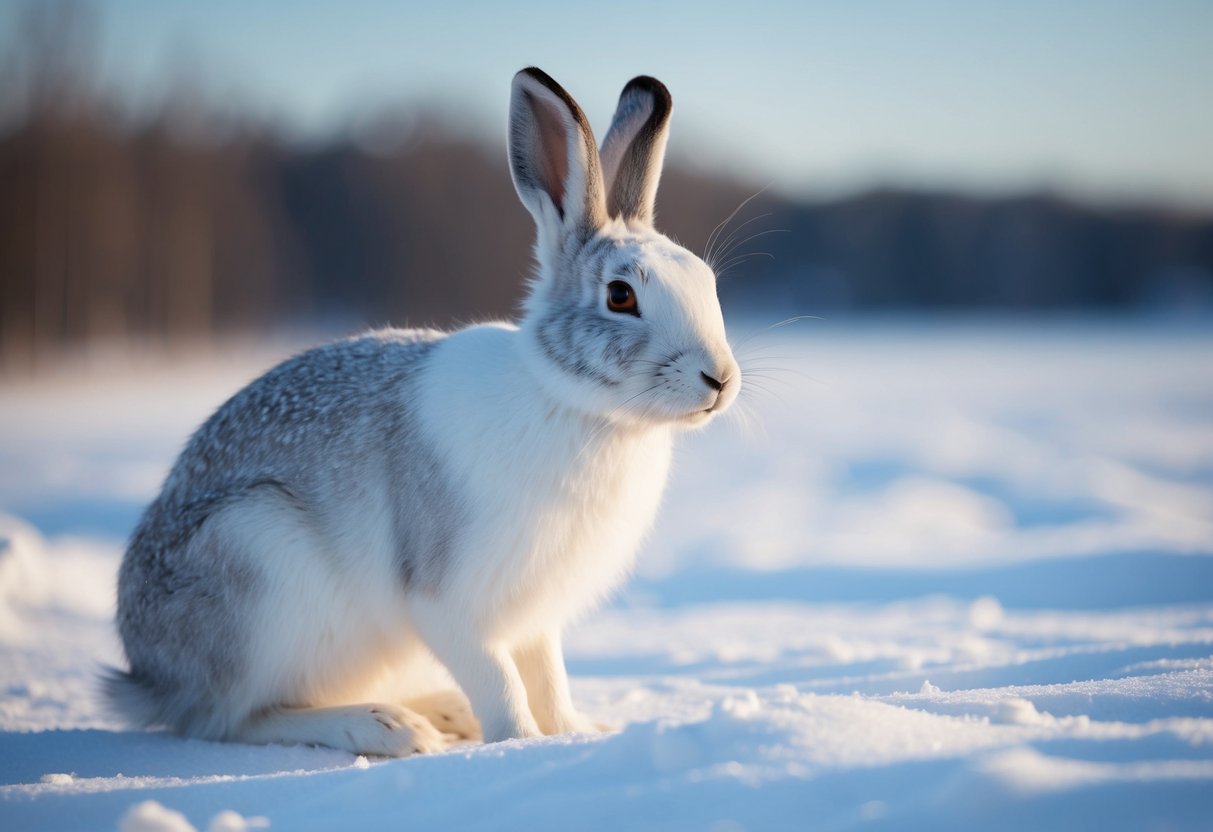
The Arctic hare has developed several key physical traits that help it survive in its cold environment. Its thick fur, specific body size, and distinct ears offer impressive adaptations crucial for life in the tundra.
Understanding Thick Fur and Insulation
You will notice that Arctic hares have a thick coat of fur, which plays a vital role in keeping them warm. Their white fur acts as insulation, helping to maintain body temperature during the winter months. The fur traps air close to the skin, creating a barrier against the chilling wind.
The undercoat is soft and dense, providing additional insulation. During the colder seasons, these hares can grow even thicker fur. This adaptation helps them withstand temperatures that can drop well below freezing.
Significance of Size and Weight
In terms of size, Arctic hares are among the largest hares, weighing between 4 to 11 pounds. This bulk provides extra insulation against the cold. Their large bodies help retain warmth, making it easier for them to conserve energy in extreme temperatures.
You may find it interesting that their weight varies depending on the season. During the summer, they can lose some weight, but they rapidly gain it back to prepare for the harsh winters. This seasonal adjustment is crucial for their survival.
Distinctive Ears and Vision
Arctic hares have unique ears that are shorter compared to their relatives. This trait is beneficial in cold climates, as it reduces heat loss. While long ears can help with heat dissipation, the shorter ears are perfect for maintaining warmth.
Their vision is also well adapted. With large, keen eyes, these hares can see well in low-light conditions. This is especially useful during the long Arctic nights. The positioning of their eyes allows for a wide field of vision, helping them spot predators quickly.
Habitat and Behavioral Adaptations
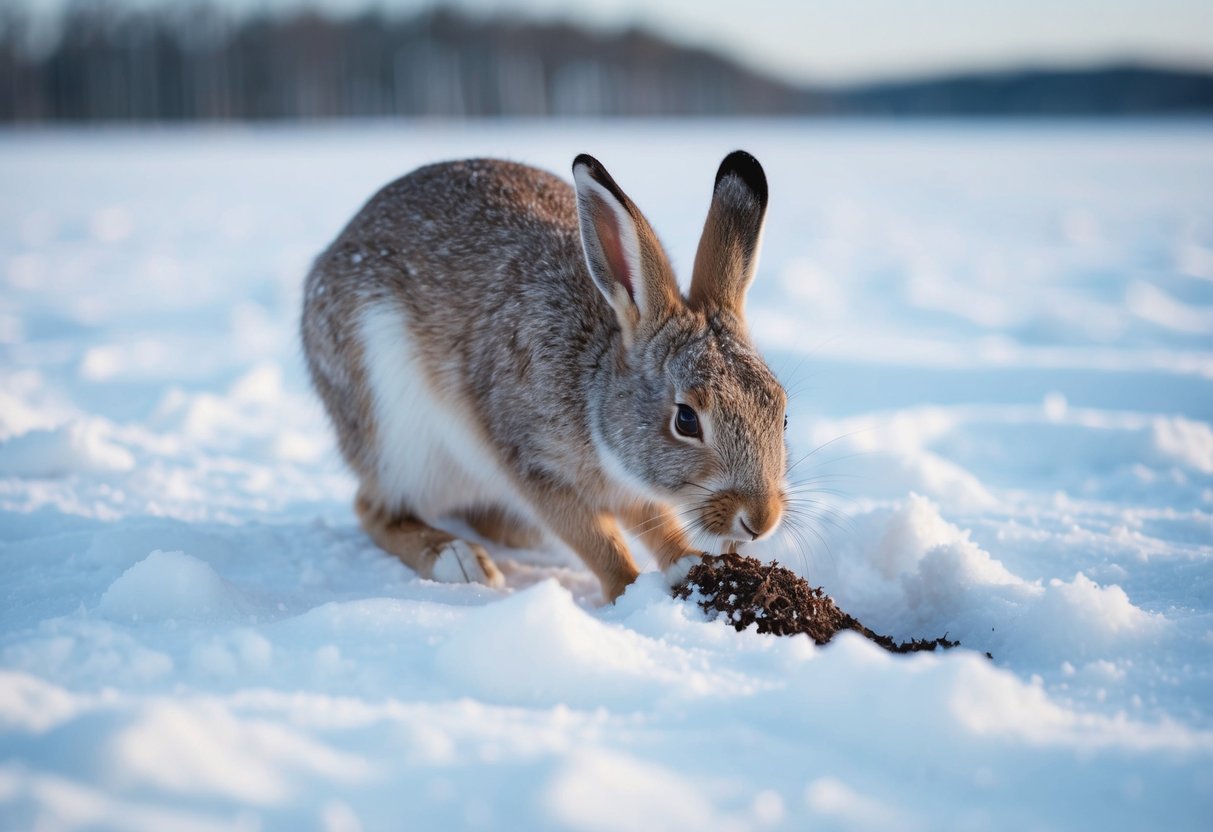
Arctic hares have developed unique features to thrive in the harsh conditions of the Arctic tundra. Their behaviors and habitat choices help them to survive and raise their young effectively.
Surviving in the Tundra
In the Arctic tundra, these hares rely on thick fur for insulation against extreme cold. Their white coat also acts as camouflage, blending in with the snow. This helps them avoid predators such as arctic foxes and birds of prey.
Arctic hares are social animals, often found in small groups. They dig burrows in the snow for shelter. These burrows protect them from both cold temperatures and potential predators. Foraging is crucial, as they feed on woody plants, lichens, and mosses. Their ability to find food in winter is vital for survival.
Seasonal Behavior Changes
As seasons change, so do the hares’ behaviors. In winter, they tend to stay active during daylight, which helps them avoid nighttime predators. They are generally nocturnal during the summer, adapting their foraging habits.
During warmer months, their fur transitions to a brown or gray color. This seasonal camouflage lets them blend in with the tundra’s vegetation. Hares also seek shade to prevent overheating, which is another key behavior for survival.
Breeding and Caring for Youth
Breeding season for Arctic hares typically occurs in March and April. After a gestation period of about 50 days, females give birth to a litter of 2 to 8 leverets. These young hares are born with their eyes open and are covered in fur, making them relatively independent shortly after birth.
Females create nests in tall vegetation to keep their young hidden from predators. After birth, they visit the nest only to nurse, reducing the chance of detection. This careful behavior ensures that leverets have a better chance of survival during their vulnerable early weeks.
Dietary Habits and Prey Dynamics
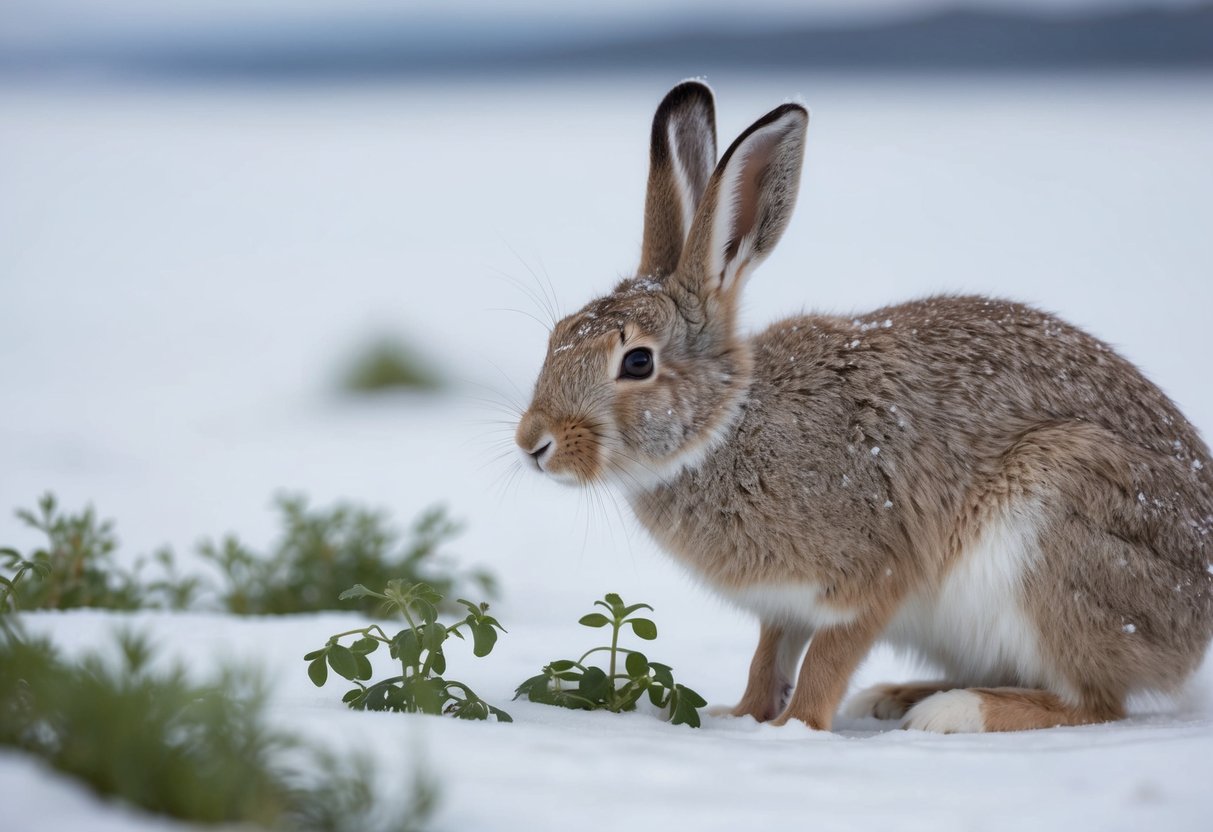
Arctic hares have unique dietary habits that help them survive in their harsh environment. Their foraging patterns and interactions with predators play a crucial role in their lives.
Preferred Foods and Foraging Patterns
Arctic hares are primarily herbivores, but they can also be considered omnivores. They eat a variety of plant-based foods, including leaves, buds, roots, bark, and berries. In summer, they focus on grasses and herbs.
In winter, when food is scarce, they dig through the snow to find woody plants, lichens, and mosses. Their ability to consume tough materials helps them thrive.
Arctic hares have sharp front teeth that make it easier to bite through tough plant fibers. They often forage alone or in small groups. This behavior reduces competition for food and minimizes detection by predators.
Predation and Avoiding Threats
Arctic hares face many predators, including the Arctic fox, snowy owl, and Arctic wolf. To survive, these hares rely on their agility and speed. When threatened, they can sprint quickly to evade capture.
Their thick fur offers some camouflage in the snowy environment. During summer, their coat changes color to blend with rocks and vegetation, adding another layer of protection.
Arctic hares also use their keen hearing to detect danger. They often sit quietly before making a quick escape. By staying aware and alert, they can successfully navigate threats in their environment.
Conservation Status and Human Impact
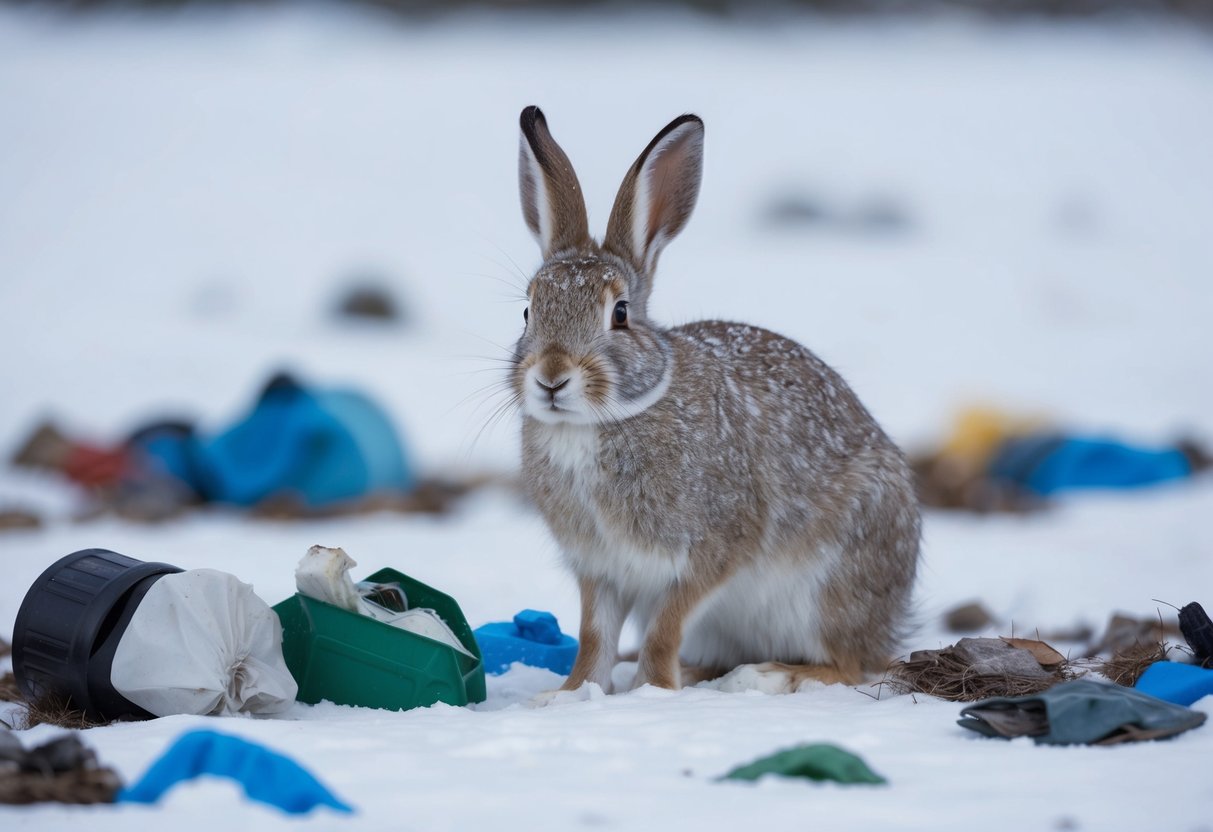
Arctic hares face various conservation challenges despite their current status. Understanding their classification and the historical relationship with humans can provide insights into their future.
Current Classification and Protection Efforts
Arctic hares (Lepus arcticus) are currently classified as “Least Concern” on the conservation status scale. This means their populations are stable and not facing immediate extinction threats. However, their habitats are vulnerable.
In places like Nunavut and Labrador, conservation efforts focus on monitoring hare populations and protecting their tundra habitats. Local governments work together with wildlife organizations to ensure the delicate balance of the Arctic ecosystem. Efforts include habitat restoration and tracking the impacts of climate change.
Although they are not endangered, continued attention is vital. As the Arctic environment changes, researchers keep an eye on prey availability and habitat conditions, ensuring these hares remain part of the tundra’s vibrant wildlife.
Historical and Ongoing Human Relationships
For centuries, Native Americans and other local communities have interacted with Arctic hares. Historically, hares provided food and materials for clothing and tools. They are an essential part of the food web and have influenced the livelihoods of many.
Today, hunting still exists, but we regulate it to ensure sustainability. Local hunters often depend on these hares for subsistence, which respects traditional practices. However, there are ongoing concerns about hunting pressure and climate threats.
Changes in climate affect their habitat, leading to possible inconsistencies in available food sources. Understanding the relationship between humans and Arctic hares will play a crucial role in their long-term conservation efforts.


