
If you’ve ever wondered what keeps Arctic hares thriving in the chilly tundra, their diet offers some fascinating insights. These resilient animals primarily rely on various plants to meet their nutritional needs. Yes, Arctic hares do eat willow shrubs, making them an important food source in their harsh environment.
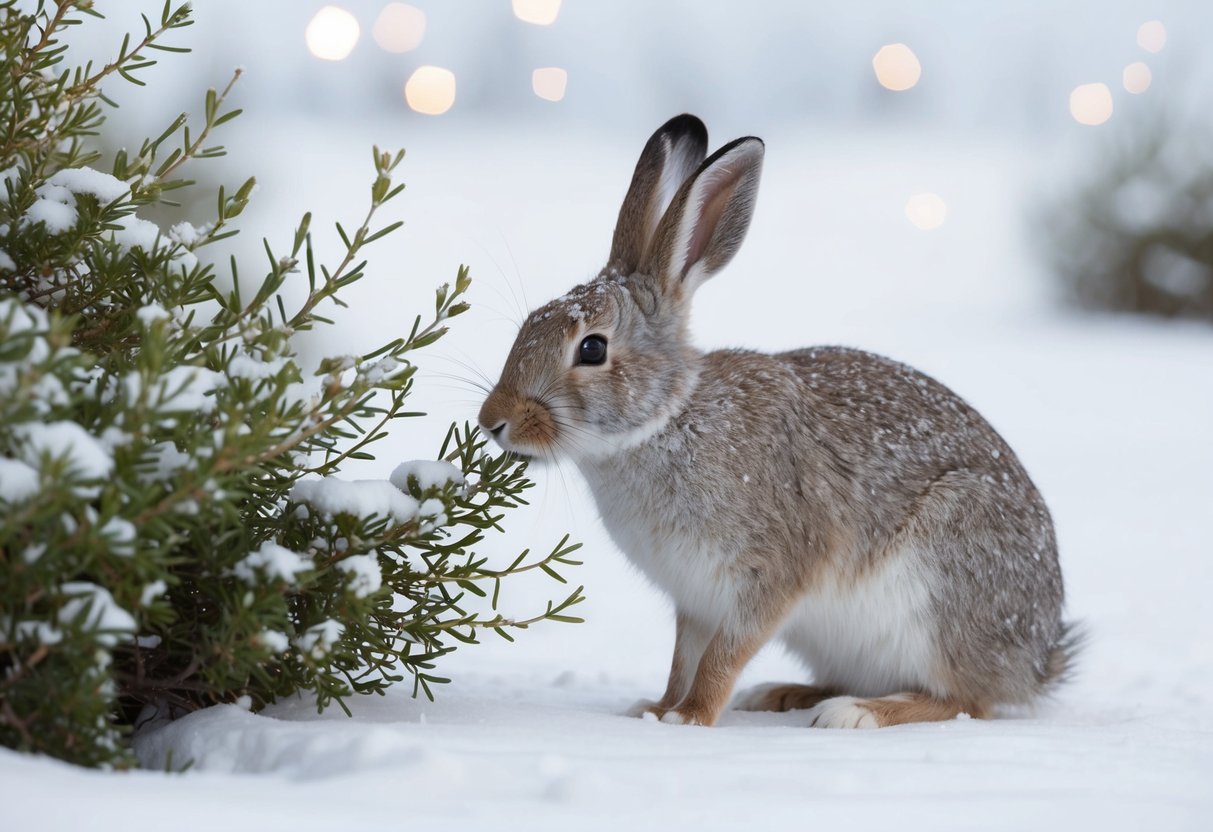
Willow shrubs are rich in nutrients and provide essential energy for these hares. During the winter months, when food is scarce, they dig through the snow to find the tender twigs and bark of these shrubs.
This dietary choice helps them survive the bitter cold and limited vegetation found in their Arctic habitat.
Exploring the eating habits of Arctic hares not only reveals their survival strategies but also highlights how they adapt to their environment. Learning more about their unique diet can deepen your appreciation for these incredible creatures that call the tundra home.
Habitat and Distribution
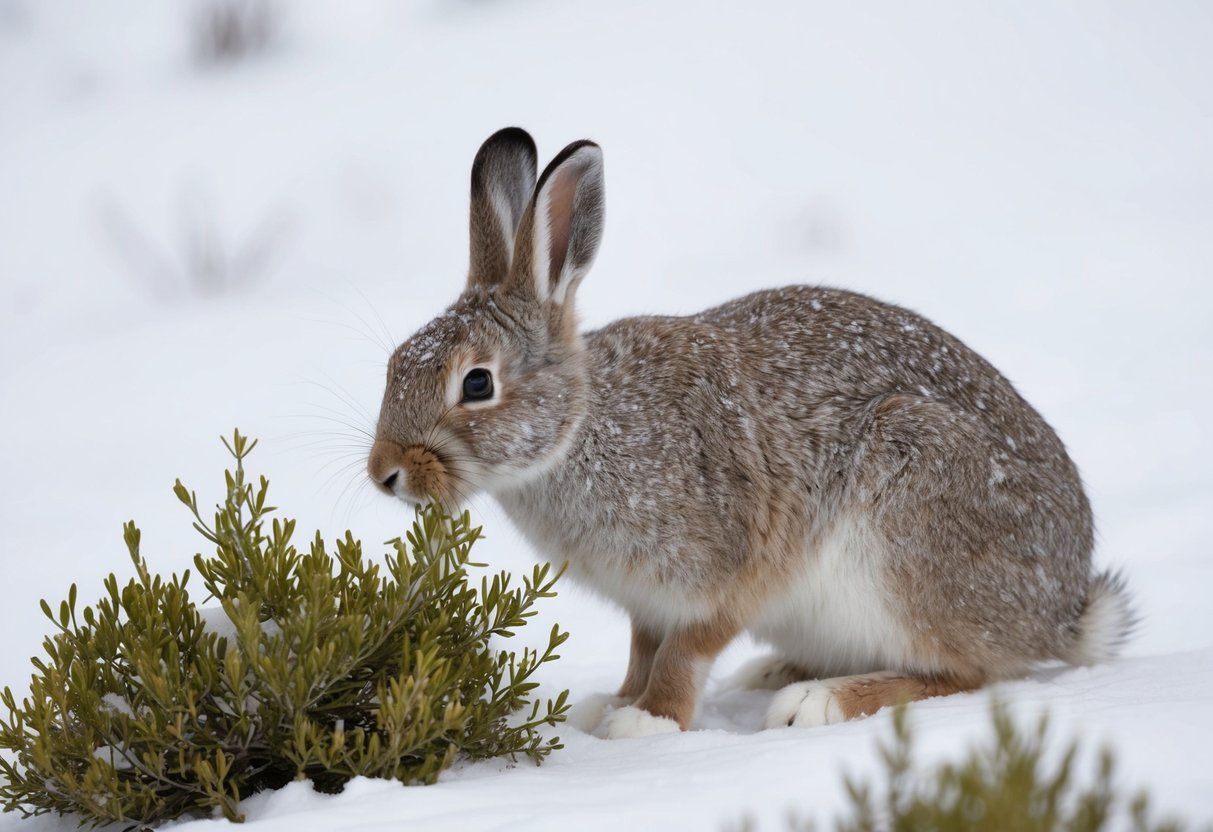
The Arctic hare thrives in cold, harsh environments. Understanding its habitat and range helps you appreciate how these animals survive. They are well adapted to the Arctic tundra, where their diet mainly consists of hardy plants like willow shrubs.
Arctic Tundra and Climate
The Arctic tundra is a unique environment characterized by low temperatures, permafrost, and short growing seasons. This biome has cold winters, marked by freezing temperatures that can drop well below zero.
During the summer, temperatures can rise slightly, allowing some vegetation to grow. The landscape includes low shrubs, grasses, and mosses. Arctic hares use their keen sense of sight to find food in this challenging habitat.
Willow shrubs are among the most reliable food sources in the tundra. These plants are resilient and provide essential nutrients, especially during the long Arctic winter.
Range of Arctic Hares
Arctic hares are found mainly in northern regions, particularly in areas like Nunavut, northern Canada, and Svalbard. In these regions, they adapt well to the cold, foraging for food where few other animals can thrive.
Their range extends across the Arctic regions, where they can roam vast landscapes in search of food. These hares have thick fur that protects them from harsh conditions.
Their ability to navigate this rugged terrain and find edible plants is critical for survival. You might spot them in small groups, often near willow shrubs and other food sources, showcasing how they have adapted to their environment.
Dietary Habits and Nutrition
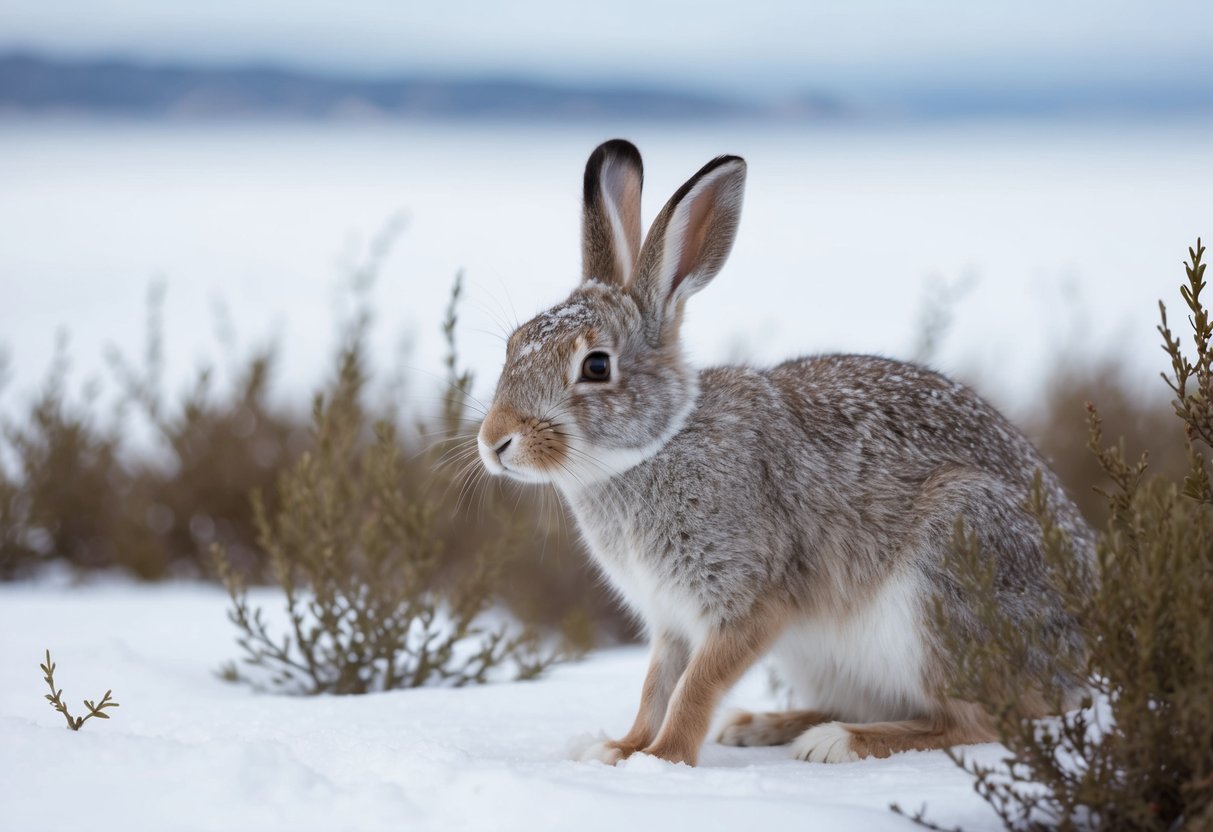
Arctic hares have unique dietary habits that change with the seasons. Their nutrition is crucial for survival in harsh Arctic conditions. Understanding what they eat helps you grasp how these animals thrive in their environment.
Summer Diet Variations
In summer, Arctic hares enjoy a variety of foods that provide essential nutrients. They primarily feed on high-nutrient plants like willow leaves, young stems, and fresh herbs. This diet helps them obtain required proteins, vitamins, and minerals.
During this time, legumes make up a significant part of their diet, accounting for about 70%. These plants offer more fiber and nutrients that support their hydration needs. Sometimes, they even consume small amounts of berries when available.
This summer feast is vital as it builds up energy reserves for the colder months. Your understanding of their summer diet highlights the importance of certain plants, like willows, in their overall nutrition.
Winter Foraging and Strategies
When winter arrives, food becomes scarce, pushing Arctic hares to adapt their foraging strategies. They mainly rely on woody plants such as birch and juniper. Birch can make up to 62% of their winter diet, even though it has lower nutritional value compared to juniper.
To access food beneath the snow, hares will dig through it to reach mosses, lichens, and twigs. This digging not only helps them find food but also keeps them hydrated by eating snow.
The nutrient intake from these sources helps meet their dietary needs during the cold months.
Despite the challenging conditions, Arctic hares manage to maintain a well-balanced diet that supports their survival through smart foraging and adaptation.
Behavior and Adaptations

Arctic hares have developed unique behaviors and adaptations to thrive in their harsh tundra environment. These traits help them survive predators and make the most of limited food sources.
Survival Skills
Your survival skills are crucial for Arctic hares. One key adaptation is their ability to camouflage with their surroundings. By changing their fur color with the seasons, they blend in with the snow or tundra. This reduces the risk of being spotted by predators like Arctic foxes and wolves.
Foraging is another vital skill. Arctic hares dig through snow to uncover willow shrubs and other plants. Their sharp hind legs help them clear away snow, allowing for easier access to food.
You can also observe them exhibiting coprophagy, where they eat their feces to maximize nutrient absorption. This behavior is essential for making the most out of their plant-based diet.
Seasonal Behavior
Seasonal behavior greatly impacts Arctic hares. In winter, food is scarce. You might see them primarily consuming woody plants like willows and birch. During spring and summer, they expand their diet to include tender plants, buds, and grasses.
As the seasons change, Arctic hares adjust their foraging techniques. They rely heavily on their sense of smell to locate food buried under the snow.
This adaptability allows them to cope with the challenges of their environment.
Conservation and Research
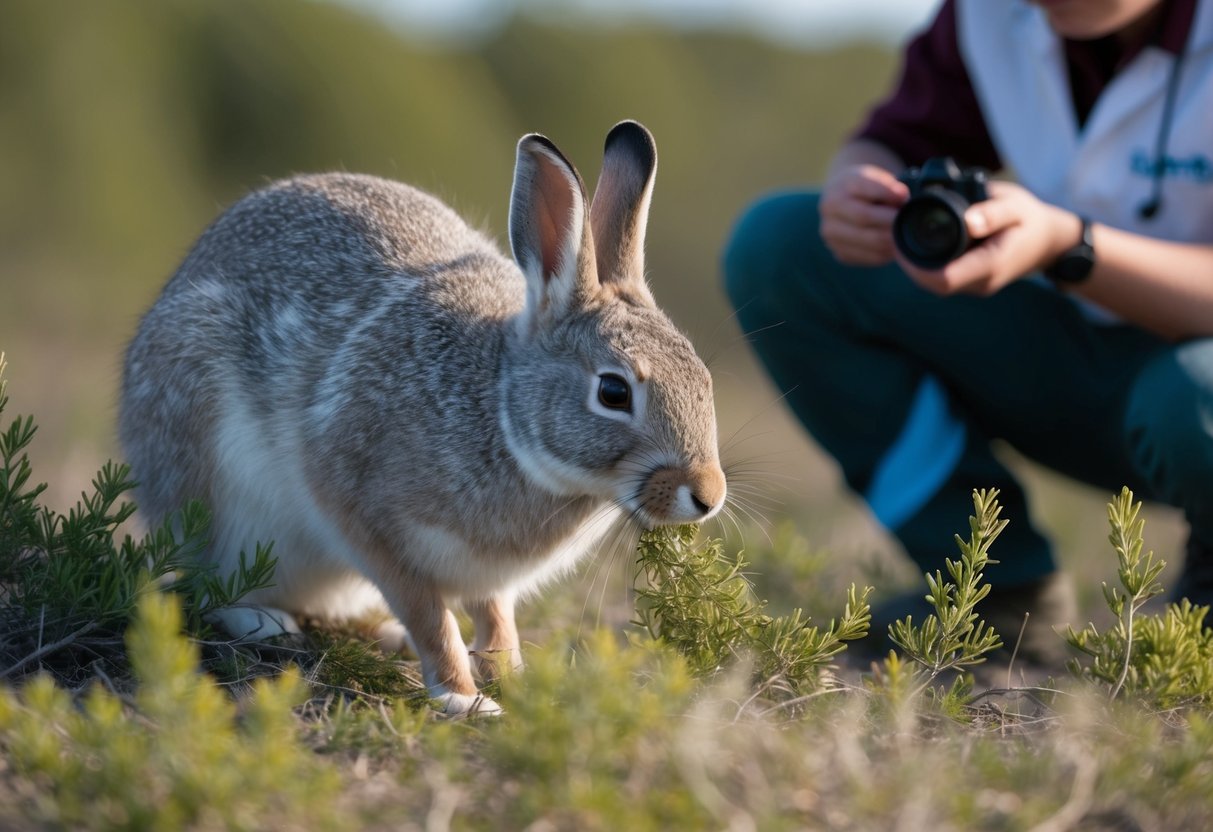
Conservation efforts for Lepus arcticus, commonly known as the Arctic hare, focus on maintaining healthy populations in their native habitat. Their survival depends on the availability of food, especially woody shrubs like willows.
Researchers study how Arctic hares interact with their environment. They look at how changes in climate and habitat affect food availability. This includes understanding how other animals, like Arctic foxes, impact hare populations.
To help Arctic hares thrive, conservationists work to protect the Arctic ecosystem. This involves safeguarding their feeding grounds from development and climate change. Healthy willow shrubs and other shrubs are crucial for their diet.
Local communities also play a role in conservation. Engaging residents in monitoring populations can raise awareness about the importance of these animals. You can support these efforts through education and responsible outdoor activities.
Maintaining biodiversity is essential for the Arctic habitat. As Arctic hares serve as prey for larger animals, their well-being supports the entire food chain.
Understanding Arctic hare populations and their use of woody shrubs ensures they have a chance to flourish in the wild!


