
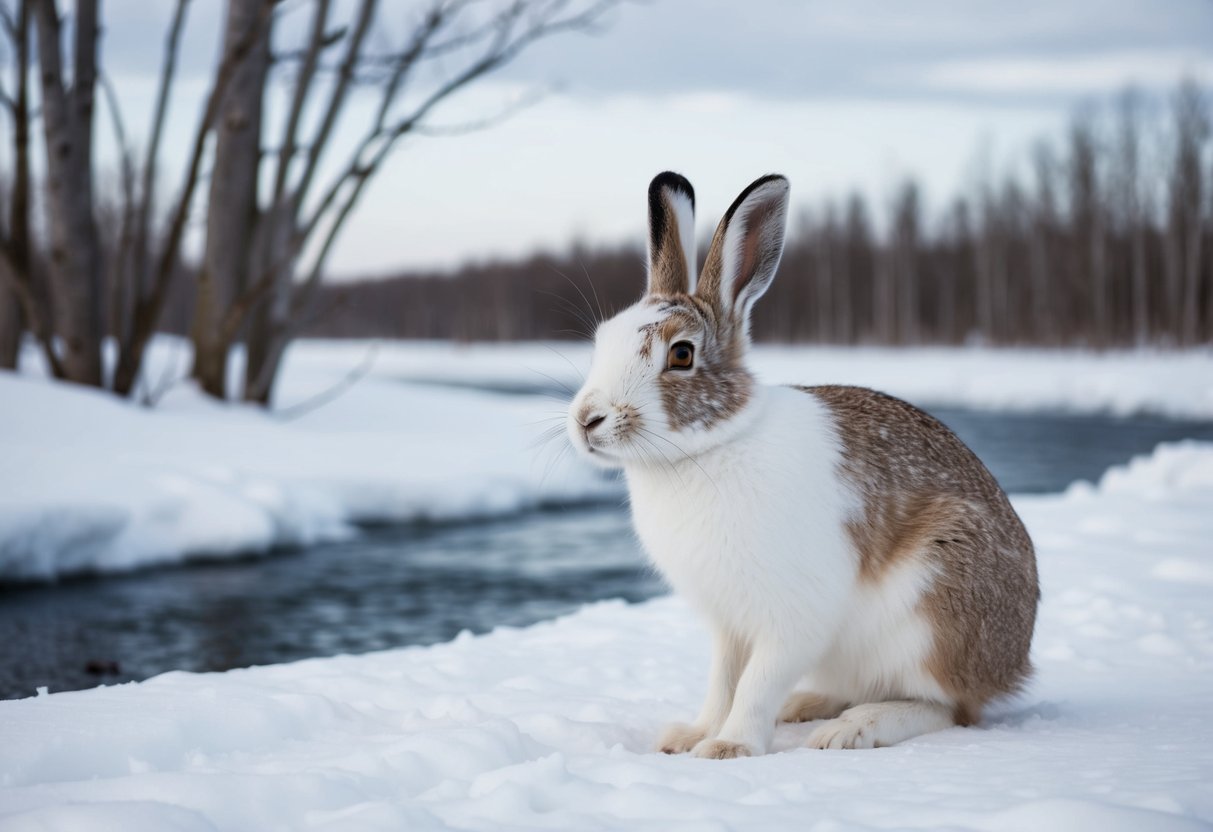
The Arctic hare is a fascinating animal, known for its ability to adapt to harsh environments. You might wonder if these hares turn brown at any point in their life cycle. Yes, Arctic hares do change their fur color seasonally. In the summer, they turn brown or gray, while they turn white in the winter to blend in with their surroundings.
This change not only helps them hide from predators but also aids in regulating their body temperature. As the seasons shift, your understanding of these unique animals grows, revealing their clever strategy for survival in the Arctic tundra.
By exploring the world of Arctic hares, you will learn how these creatures thrive in one of the planet’s most extreme climates. The combination of their color-changing ability and their incredible adaptations makes them truly remarkable animals.
Physical Characteristics of the Arctic Hare
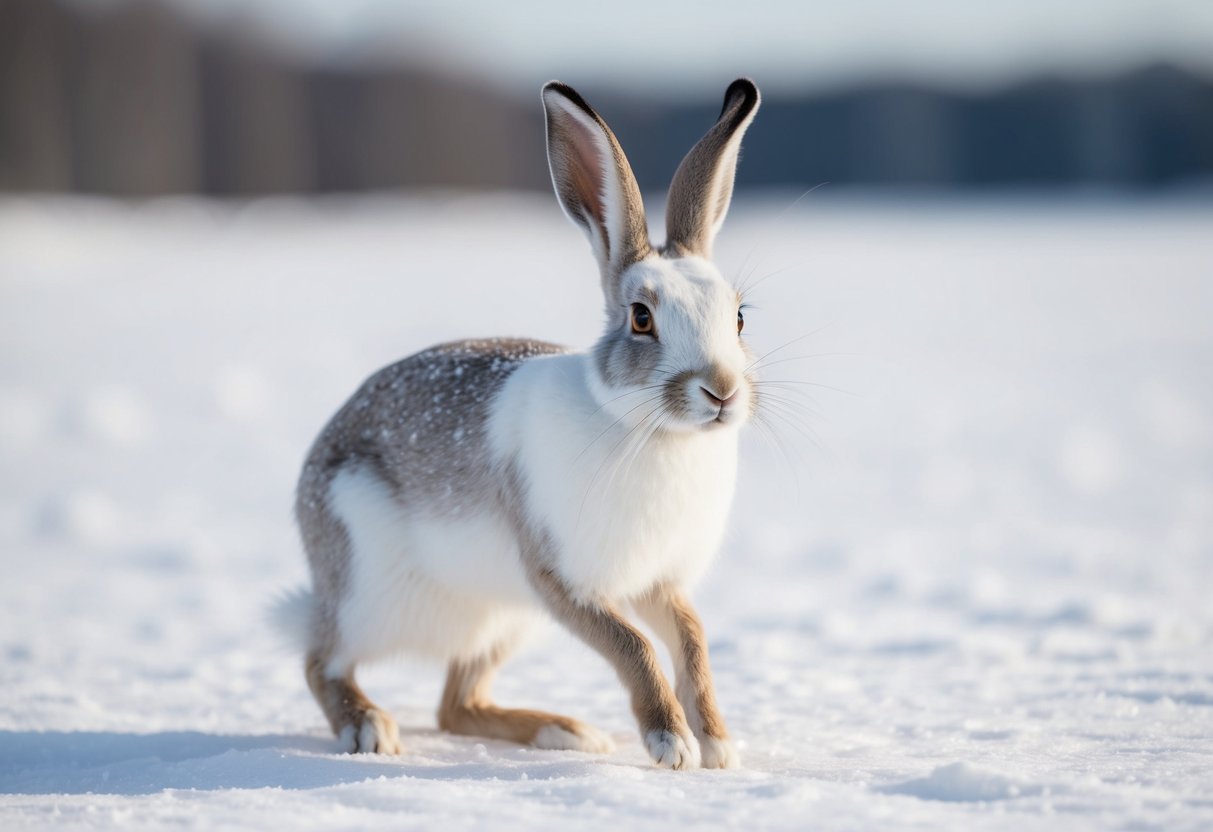
The Arctic hare has unique features that help it survive in its cold environment. Its fur and body structure are designed for camouflage and movement, making it well-suited for life in the tundra.
Adaptive Fur and Coloration
The Arctic hare’s fur plays a crucial role in its survival. In winter, its coat is typically white, providing excellent camouflage in the snow. This adaptation helps hide the hare from predators.
During summer, the fur changes to a brown or gray shade, blending in with rocks and tundra vegetation.
The thick fur also insulates against the cold. Additionally, the hare has a layer of fat beneath its skin, helping to retain heat. You may notice its black eyelashes, which help protect its eyes from snow glare. With these adaptations, Arctic hares can maintain their body temperature in freezing conditions.
Anatomy and Movement
Arctic hares are built for agility and speed, with powerful hind legs that allow them to leap away from threats. Their legs enable them to run up to 40 miles per hour. This ability is essential for escaping predators in the tundra.
The ears of the Arctic hare are shortened, which reduces heat loss, a vital trait for survival in cold climates.
Its body has a low surface area relative to its mass, minimizing heat loss. This combination of physical adaptations makes the Arctic hare an efficient and agile survivor in its harsh habitat.
Habitat and Distribution
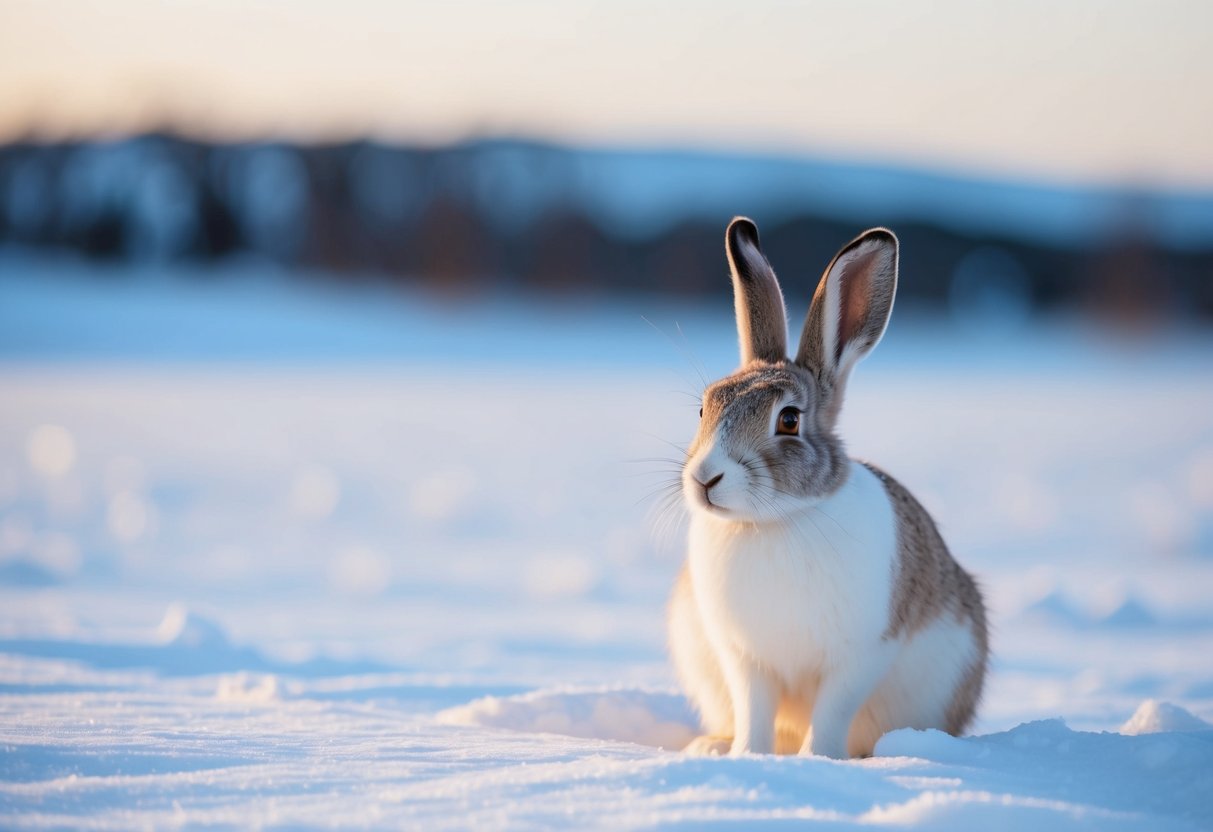
The Arctic hare is well adapted to the harsh environments of the Arctic tundra. Its habitat is crucial for its survival, especially concerning snow cover and climate conditions. Let’s take a closer look at the specific areas where these hares thrive.
Arctic Tundra and Climate
You will find Arctic hares primarily in the Arctic tundra, a cold and treeless region. Here, the temperatures can drop dramatically, making the thick fur of the hares essential for warmth.
During winter, the tundra is covered in snow, providing excellent camouflage for the hares. This snowy environment helps protect them from predators.
The tundra has a short growing season, with many plants available in the summer. As the seasons change, Arctic hares adapt by changing their fur color. They gain a mottled brown and gray coat in warmer months, fitting well into their environment.
Geographic Range
Your exploration of Arctic hares will let you see a wide geographic range, mainly in northern Canada, the Canadian Arctic Islands, and parts of northern Greenland. In Canada, they inhabit areas like Newfoundland and Labrador.
These hares prefer open spaces with low vegetation, as this allows them to move quickly. Climate change is impacting their habitats, affecting food availability and their living conditions.
The adaptability of Arctic hares means they can survive in various environments but remain sensitive to changes in the Arctic landscape.
Diet and Feeding Behaviors
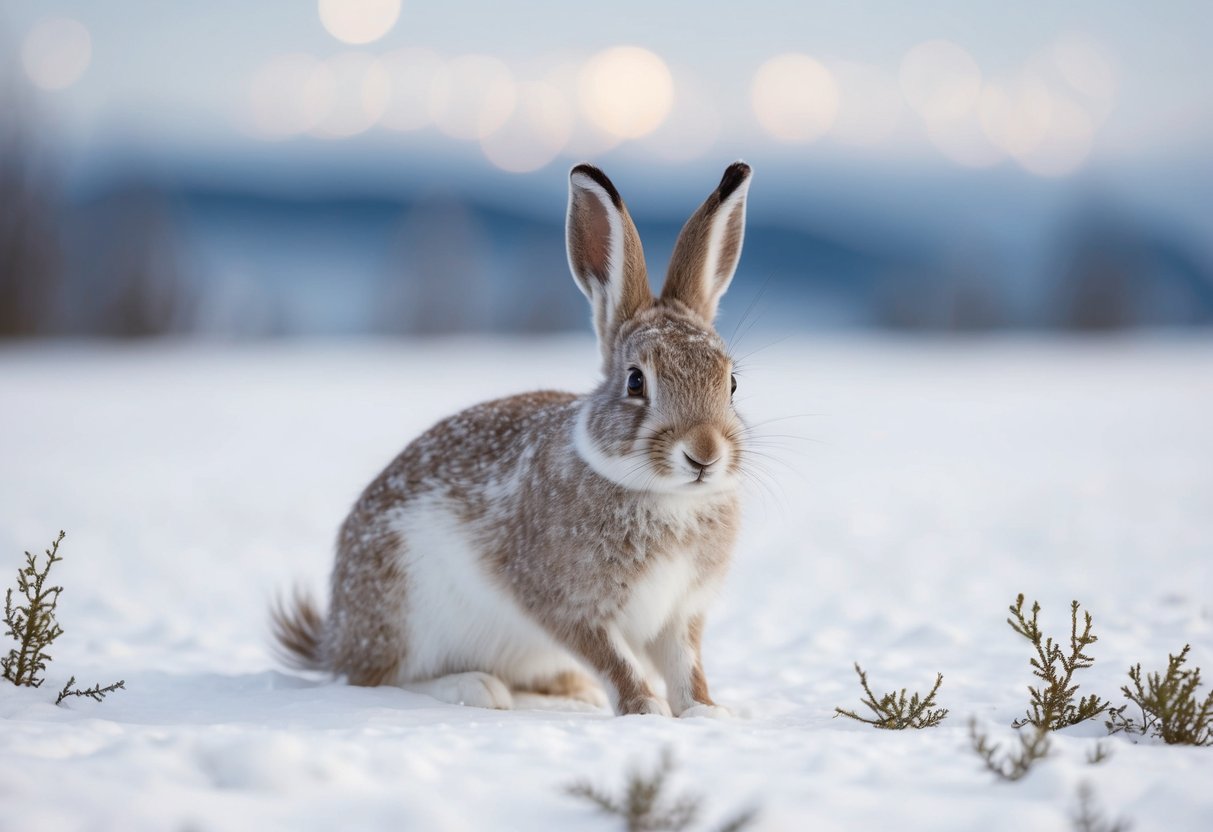
Understanding the diet and feeding behaviors of Arctic hares helps you appreciate how these animals thrive in harsh environments. They have unique feeding strategies that change with the seasons, and they use various techniques to find food.
Seasonal Diet Variations
Arctic hares adapt their diet based on the season. In warmer months, they mainly eat leaves, grasses, and woody plants. Their favorites include willow twigs and young stems, which provide essential nutrients. Summer also brings opportunities to munch on berries and tender buds.
As winter approaches, food becomes scarcer. Arctic hares dig through the snow to find roots, mosses, and lichens. They rely on more fibrous plants and even strip bark from trees to stay nourished. This seasonal change helps them maintain their energy and health.
Foraging Techniques
Finding food in the Arctic can be challenging, but Arctic hares have smart foraging techniques. They are excellent diggers, using their strong legs to clear snow and access hidden food sources.
When you observe them, you might notice them nibbling on various plants. Their keen eyesight helps them spot vegetation even in thick snow. They often seek areas with rich plant growth to maximize their food intake.
These hares also consume a diverse range of plants. This varied diet not only helps them get the right nutrients but also reduces the risk of being hunted by predators. By eating different foods, they stay healthier and more resilient in their cold habitat.
Reproduction and Life Cycle
Arctic hares have unique breeding habits and interesting ways of raising their young. Understanding these aspects of their life helps you appreciate how they thrive in their environment.
Breeding Habits
The mating season for Arctic hares typically occurs in late winter to early spring. During this time, females become receptive and males compete for their attention. This competition often leads to playful chases between hares.
Females usually give birth to one litter per year, but two litters can happen occasionally. A typical litter consists of 2 to 8 leverets. The gestation period lasts about 50 days, ending in late spring. At this time, the hares prepare for the arrival of their young.
Raising the Young
After the leverets are born, they are fully furred and can see right away. This allows them to adapt quickly to their surroundings. The mother creates a nest in the grass or under brush for shelter.
You might find it interesting that the mother leaves her young hidden for safety while she forages for food. She returns regularly to nurse them. Leverets are weaned by about 4 to 5 weeks old and start exploring their environment.
Young hares grow quickly and become independent within a few months. By late summer or early fall, they are ready to venture out on their own. With a lifespan of up to 3 years in the wild, Arctic hares are well-equipped to face the challenges of their environment.


